There Is No Universal Computer-Skills List
“Computer skills” can mean spreadsheet formulas in one role, clinical documentation in another, and container orchestration in a third. A long generic list gives the reader little sense of what you can actually do.
Start with the target occupation and posting. Which systems, software, programming languages, analytical tools, or digital workflows appear in the responsibilities? Which ones have you used independently? Which ones can you support with a role, project, course, or certification?
The O*NET Technology Skills Search can help US candidates explore technologies associated with occupations. Current job postings, professional associations, vendor documentation, and local labor-market resources add more specific context.
Describe the Capability Behind the Product Name
Software changes. The underlying work often lasts longer.
“Excel” could mean basic data entry, pivot tables, financial models, Power Query transformations, VBA automation, or dashboard production. “Salesforce” could mean updating customer records, building reports, administering objects, or developing on the platform.
Name the product when the employer uses it. Add the capability where it matters. This helps the reader understand depth and makes adjacent-tool experience easier to evaluate.
Business and Administration
Relevant tools may include Microsoft 365, Google Workspace, Excel, Power Query, SharePoint, Teams, Slack, Zoom, document-management systems, scheduling software, project-management platforms, CRM systems, and enterprise resource-planning software.
Choose the tools connected with real responsibility. A coordinator might show calendar and meeting administration across several executives. An operations analyst might show reporting automation in Excel and Power BI. An office manager may have administered SharePoint access or implemented a document-retention workflow.
A source-based bullet could read:
Built a Power Query workflow that combined three weekly operations files for six regional managers, reducing preparation time from six hours to two.
The tool matters because the work and result are clear.
Finance and Accounting
Finance roles may use advanced spreadsheets, financial-planning systems, accounting platforms, ERP software, tax tools, market-data terminals, consolidation systems, and business-intelligence products.
Be precise about the work: forecasting, variance analysis, reconciliations, valuation, statutory reporting, accounts payable, close, audit support, or management reporting. A product name alone cannot show which modules or processes you understand.
For regulated or licensed work, keep framework and jurisdiction accurate. Familiarity with a system never establishes authority to perform a regulated activity.
Marketing and Communications
Marketing technology can include analytics, advertising platforms, CRM, marketing automation, email tools, content-management systems, social scheduling, search tools, research platforms, experimentation systems, and creative software.
The resume should connect the tool with audience, channel, campaign, or decision. “Google Analytics” becomes useful when the candidate explains which analysis she performed and what changed because of it.
Keep platform certification names exact and current. Separate course completion from a professional certification when the issuer makes that distinction.
Sales, Customer Success, and Support
Common categories include CRM, ticketing systems, customer-success platforms, knowledge bases, call or contact-center software, conversation intelligence, scheduling, and reporting tools.
Show whether you used the platform as an end user, built reports, created workflows, maintained data quality, or administered the system. These levels carry different expectations.
A credible line might say:
Built weekly renewal-risk reports in [verified CRM] for a 12-person account team and standardized the next-action fields used in pipeline reviews.
Add a retention or revenue result only when the reporting supports a clear connection.
Healthcare
Healthcare computer skills may include electronic health records, practice-management systems, clinical documentation, medical coding software, picture archiving and communication systems, laboratory information systems, pharmacy systems, scheduling, telehealth, and healthcare analytics.
Name the exact system and workflow you used. An EHR has many modules and permissions. A nurse, coder, administrator, and analyst may work in entirely different parts of the same platform.
Privacy, safety, and clinical requirements depend on role and jurisdiction. Describe completed training and authorized responsibilities accurately. Keep patient and employer information out of portfolio samples and application materials.
Engineering and Manufacturing
Relevant categories include computer-aided design and manufacturing, product-lifecycle management, simulation, ERP, quality-management systems, CNC programming, PLC programming, SCADA, maintenance software, and data-acquisition tools.
Include the discipline and application. “SolidWorks” gives less context than “created production drawings and assemblies in SolidWorks for [verified product type].” Version numbers matter when compatibility or recent experience is central to the role; otherwise they can clutter the section.
Safety-critical and certified work deserves exact boundaries. State licenses, standards, and authorizations only when current and verifiable.
Education and Research
Educators may use learning-management systems, classroom platforms, video conferencing, assessment tools, accessibility software, content-authoring products, and student-information systems.
Researchers may use statistical packages, programming languages, qualitative-analysis tools, laboratory systems, reference managers, survey platforms, visualization tools, and reproducible-research workflows.
Show the work performed through the tool. A researcher might explain the dataset, method, code, or output. An educator might describe course design, learner group, assessment, or accessibility improvement.
Software, Data, Cloud, and Cybersecurity
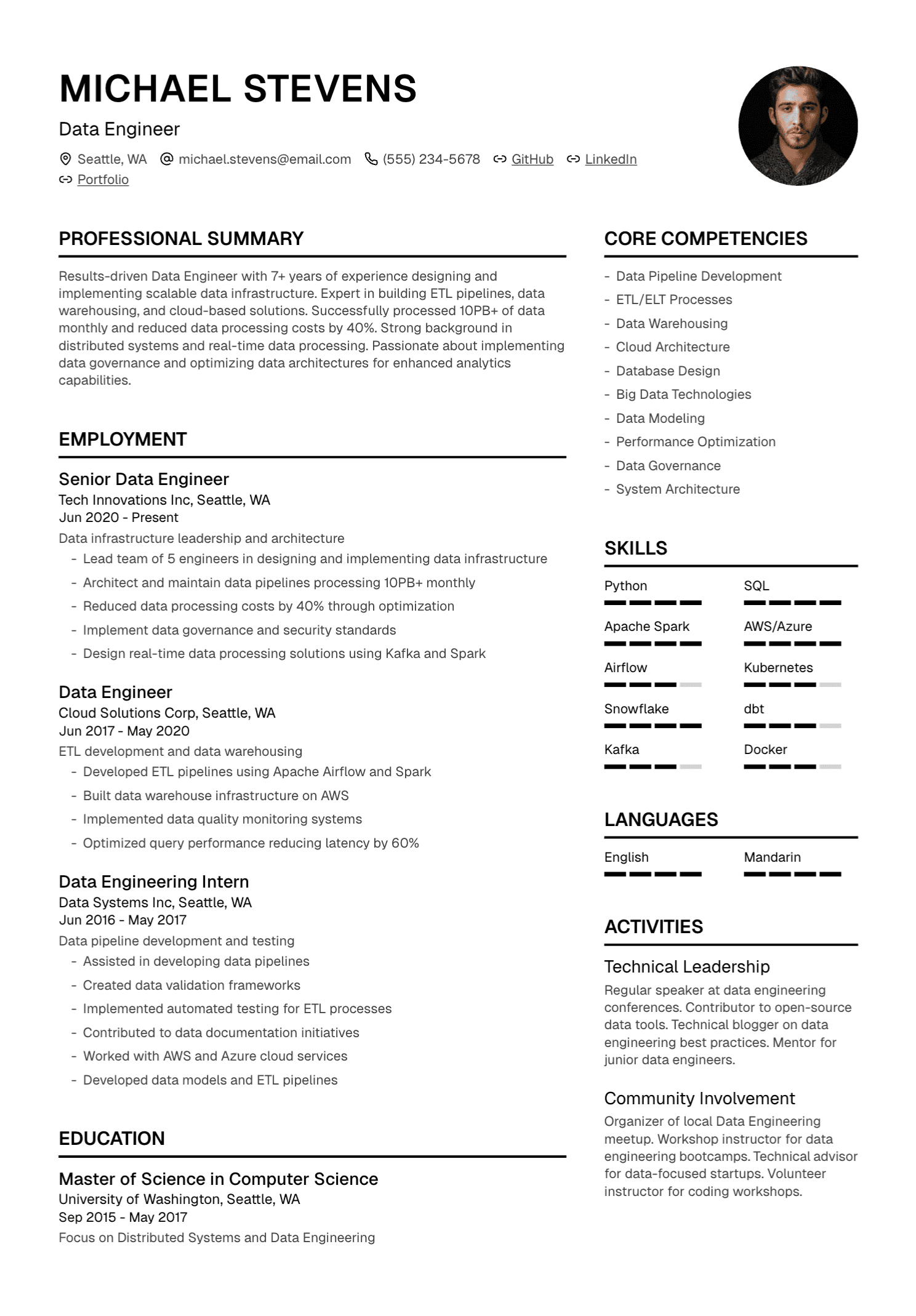
Technical resumes should organize tools by function. Useful categories may include languages, frameworks, databases, cloud services, version control, testing, CI/CD, containers, observability, infrastructure, data orchestration, machine learning, identity, vulnerability management, and security monitoring.
Select technologies relevant to the target role and recent enough to represent current ability. Demonstrate important ones in the experience and projects sections.
Technical depth is easier to evaluate through applied evidence:
Developed [service or feature] in [language/framework], added [verified testing or observability], and achieved [verified performance, reliability, or delivery result].
Every bracket should be filled from real work.
Creative and Design Work
Designers, editors, producers, and content specialists may use visual-design, prototyping, video, audio, layout, animation, asset-management, and collaboration software.
A portfolio carries much of the evidence. The resume should identify your contribution, medium, audience, and role in the process. Distinguish concept work, production work, art direction, editing, and team leadership.
Software fluency supports the work. The final piece and the decisions behind it show the quality.
Build a Focused Skills Section
Group related tools in short categories:
Analysis: Excel Power Query, SQL, Power BI
Business systems: Salesforce, NetSuite
Collaboration: Jira, Confluence, Microsoft Teams
Lead with the tools most relevant to the role. Remove basic software that the position already assumes unless the posting names a specific capability.
Proficiency labels need a shared meaning. “Advanced” varies from person to person. A certification, years of current use, project, or clear experience bullet often communicates depth more credibly.
Show the Skill in Context
The skills section helps a recruiter scan. The experience section provides proof.
Mention the tool inside an achievement when it was important to the method or result. Avoid forcing every product name into every bullet. A few clear examples are enough.
Projects can support newer skills, especially for early-career candidates and career changers. Label personal, academic, volunteer, and simulated work accurately.
Match Terminology Carefully
Some applicant tracking systems allow exact keyword search. Use the employer's exact product or certification name when it matches your background.
Adjacent tools can still be valuable. A candidate with one CRM may learn another quickly, yet the resume should keep the product names separate. Explain the comparable workflow in the cover letter or interview.
Never rename a tool or imply experience with a requested platform you have only observed.
Keep Skills Current
Review the section every few months during an active search. Remove tools you can no longer use confidently or give older experience clear context.
Choose training after studying actual job requirements. Check the issuer, syllabus, assessment, cost, renewal terms, and current recognition before investing time or money.
Apply the skill through a project or current responsibility as soon as possible. Practice turns a course title into evidence.
Use AI to Organize Verified Skills
AI can group tools, compare them with a posting, and suggest where supporting evidence appears. It can also infer products associated with your title.
Use a bounded prompt:
Compare this job description with my resume. List only computer skills explicitly supported by my roles, projects, education, or certifications. Quote the source for each skill. Group them by function and flag requested tools with no evidence. Preserve exact product and credential names.
Review every item and remove skills you would hesitate to discuss in an interview.
Where UseResume Fits
UseResume lets you upload or create a resume, add a job description, generate a tailored draft, edit the skills and experience sections, choose a template, and export a PDF.
Use the draft to improve organization and relevance. You still decide which tools reflect genuine, current ability.
Make the Skills Useful to the Reader
A good computer-skills section is selective. It names the tools the role uses, shows the depth behind them, and points toward evidence in the rest of the resume.
Choose skills you can use and explain. That confidence is more persuasive than a page of software logos.
Create your account and build a focused technical-skills section.
Continue with our 50+ hard-skills guide and technical-skills guide.