
See if your resume reads like AI before you submit
Upload or paste your resume or cover letter. We run the same signals recruiters check to flag AI-written content, then give you a clear authenticity score and fixes.
Scan Complete
Project Manager Resume
Low AI Probability
Your resume sounds human - safe to submit
High
Sentence variety
Natural
Burstiness
Human
Tone
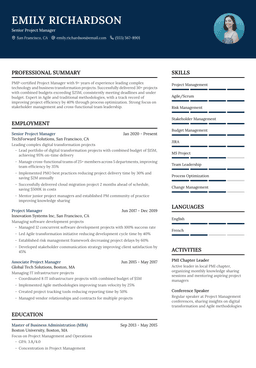
resume_project_manager.pdf
Scanned just now · 3 pages
Know your AI probability before you submit
Get a confidence score, see why your resume might be flagged, and follow quick rewrites built for ATS-friendly documents.
AI Probability Report
AI Probability: 68% - very likely AI generated
Very likely AI generated - adjustments recommended
Recommendations
Replace round metric in Marketing Manager role
"Increased engagement by 50%" uses a suspiciously round number. Try "Increased engagement by 47.3% over 6 months" for authenticity.
Vary bullet structure in Software Engineer section
All 4 bullets follow identical Verb + Object + Result syntax. Mix in a short fragment or start one with context.
Add project name to generic achievement
"Led cross-functional team to deliver key initiative" lacks specifics. Name the project and team size, for example "Led 5-person squad shipping Checkout v2."
Break up predictable phrase cluster
"Spearheaded," "orchestrated," and "leveraged" appear in consecutive bullets. Replace them with concrete verbs like "built" or "ran."
Why check your resume for AI detection?
Automated screening is growing. A quick authenticity check keeps your application on track and sounding like you.
Hiring tools scan for AI before a human sees you
Many job boards and ATS platforms now run AI detection on uploaded resumes. If your draft scores high for AI, you can be filtered out before a recruiter ever opens the file.
Templated phrasing is a dead giveaway
Round metrics, identical bullet lengths, and verbs like spearheaded or leveraged stacked in a row are the exact patterns recruiters learn to spot. We flag them before they cost you the interview.
Sounding good is not the same as sounding like you
Your resume should reflect real projects, actual numbers, and words you would use in conversation. The detector helps you rewrite without sanding off the rough edges that make it yours.
Everything you need to pass an AI screen
Multi-signal scoring, explainable reasons for every flag, one-click rewrites, and re-scans inside the same editor you use to build resumes.
More than a single number
Generic detectors give you one opaque score. UseResume breaks your resume into four signals (language, specificity, formatting, and context) and scores each one. You see which dimension reads like AI instead of guessing.
One score per signal, plus the overall.
Language
Specificity
Formatting
Context
Overall AI score
Understand the reason behind your score
Each signal ships with a plain-English reason and the specific patterns that drove it. Repeated verb clusters, monotonous sentence cadence, round metrics, uniform bullet structure. You see the what and the why, not just a number.
Reasoning attached to every signal.
Why this flagged
Three bullets in the Experience section share nearly identical length and rhythm. The verb choice repeats a predictable pattern that AI writers tend to fall back on.
Works on resumes and cover letters
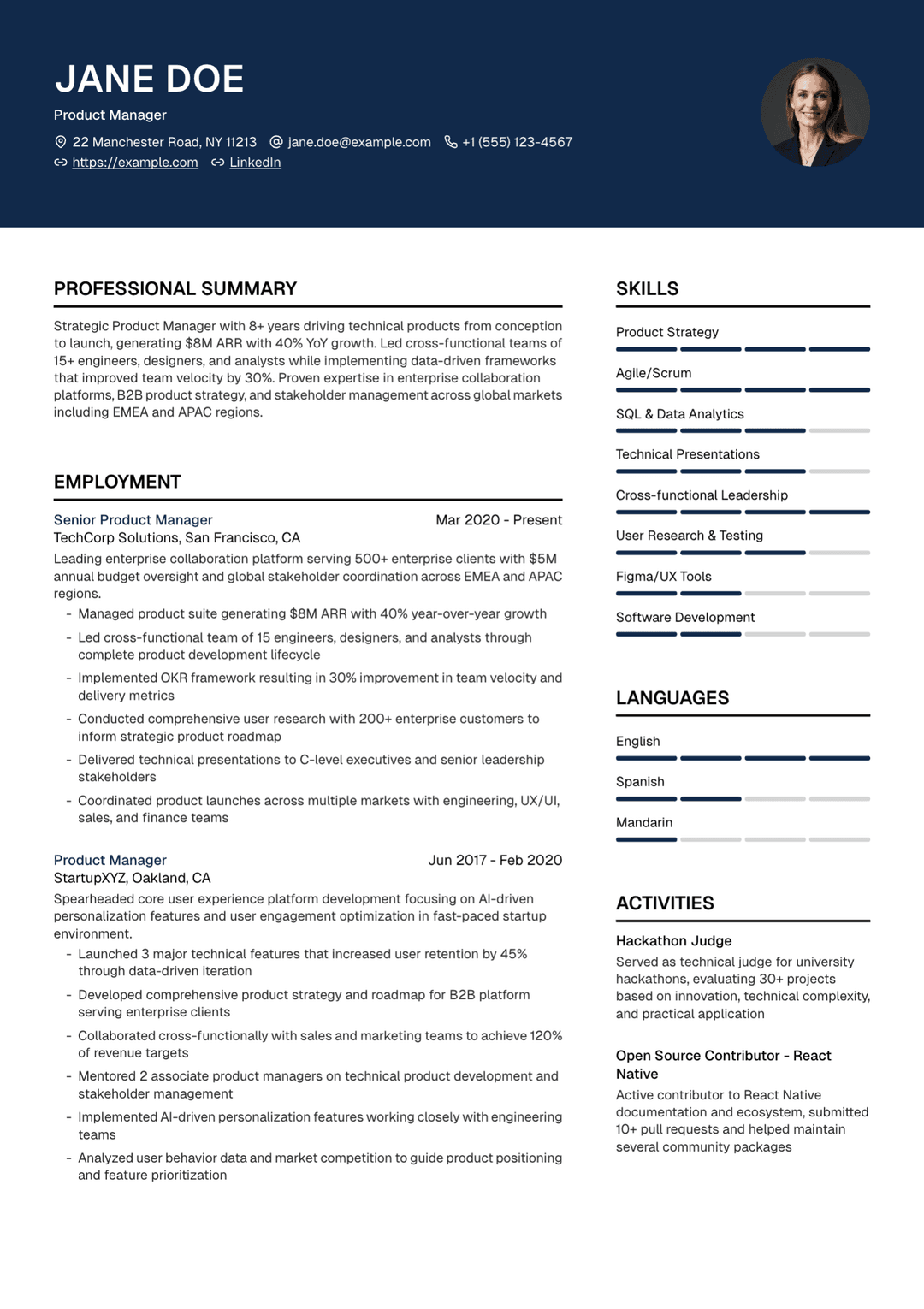
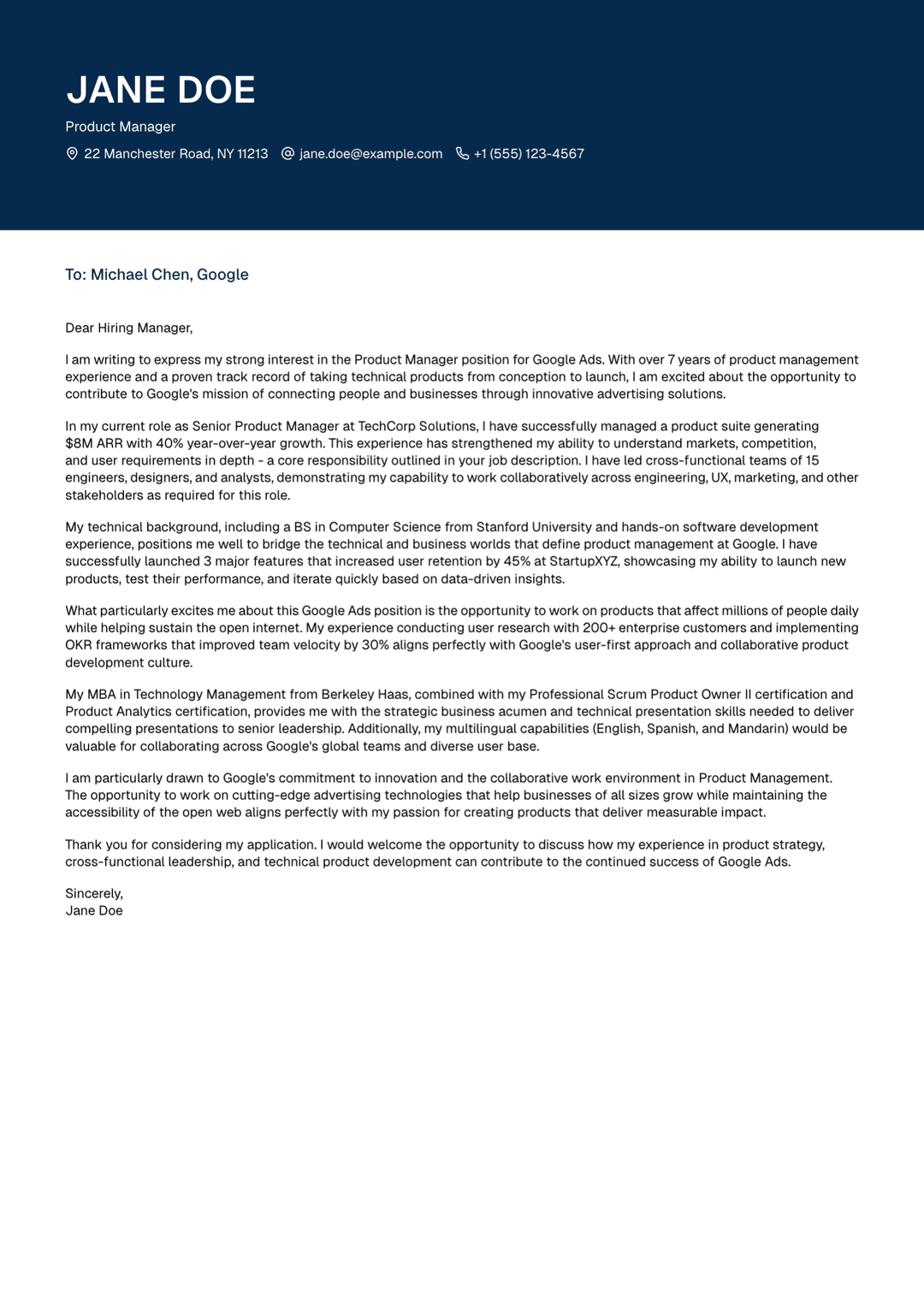
Both document types run through the same detector, each with their own score and their own recommendations. The whole application reads like one consistent person, not three different drafts stitched together.
Consistent tone across your application.
Track authenticity across every document
Every resume version you save keeps its AI score attached. Tailor a resume for each role, scan before submitting, and compare at a glance which variant reads most like you.
A score for every draft, side by side.
Senior Product Manager
Scanned Today
Growth PM
Scanned Yesterday
Platform PM
Scanned 2 days ago
Product Lead
Scanned Last week
Apply fixes and re-scan in one click
Accept a recommendation or edit a bullet directly in the builder, then hit re-scan to get an updated score. You know if the fix actually worked before you export the final PDF.
Detect, fix, re-scan, confirm. Same workspace.
Before
68
likely AI
After
22
Human
3 recommendations accepted, 1 edit in builder.
Common questions about the AI detector
Quick answers for job seekers who want their resume to pass AI screening without losing their own voice.
Will running the detector change my resume?
No. The detector runs on a read-only copy of your text for analysis. Your original resume stays untouched until you explicitly accept a rewrite suggestion.
How accurate is the AI content detection?
We mirror the same signals hiring tools check: burstiness, sentence variety, repetition, templated phrasing, and round metrics. You get a probability score plus the specific phrases that drove it, so you can judge the results yourself.
Can I use it for resumes and cover letters?
Yes. The detector works for resumes, cover letters, and short professional bios. Run each document so the whole application sounds like one consistent person.
Is the detector part of the resume builder?
Yes. The detector lives inside the same workspace as the AI resume builder.
What does the detector actually look at?
It reads your resume across four dimensions: how varied your language is, how specific your claims and metrics are, how consistent your formatting is, and how well the content matches your experience. Each dimension gets its own score and a plain-language reason, so you know what to rewrite without having to guess.
Will the rewrite suggestions strip my voice?
Rewrites keep your project names, metrics, and specifics intact. They target the formulaic wrapping around your real content, not the substance. You can also edit further after accepting any suggestion.
Do hiring platforms really use AI detection?
Some major applicant tracking platforms and job boards have added AI-detection filters over the last year. Recruiters are also being trained to spot AI cadence manually.
Can recruiters tell I ran my resume through the detector?
No. The detector runs privately in your account. The output is a cleaner, more human-sounding resume. Nothing about it signals that it passed through a scanning step.
What score should I aim for before I submit?
Under 30% AI probability is a safe target. Anything above 50% is high-risk and worth rewriting. The detector labels each score band so you know when you are in the clear.
Can I upload a PDF directly?
Yes. Drop a PDF, paste raw text, or import from an existing UseResume draft. The detector reads the structure, not just the text, so it keeps section awareness when you upload.
Does it work for longer academic CVs?
Yes. Long-form CVs with publications, grants, and teaching sections are supported. The breakdown helps you focus on the parts where AI phrasing tends to creep in.
How is this different from GPTZero or ZeroGPT?
Generic detectors hand back a single opaque score for any text. The UseResume detector understands resume structure, explains what got flagged at the phrase level and gives you specific resume-appropriate rewrites.
Does using AI to write my resume get me auto-rejected?
Some companies and recruiters may view AI-heavy writing as a downside, even if others do not. The safest approach is to use AI as a draft helper, then make your final resume sound human and specific. The detector helps you catch risky phrasing before you submit.
What if my natural writing scores high?
Run the check and read the flagged phrases. If the detector is catching actual quirks in your writing (short bullets, repeated verbs), the suggested rewrites can still help you vary the cadence. You can ignore any rewrite that does not fit your voice.
Can I scan multiple tailored versions at once?
Yes. Every resume version you save inside UseResume can be scanned individually, and the scores are stored next to each version so you can compare before submitting.
Run a human-check before you submit
Upload or paste your resume, get an instant authenticity score, and apply rewrite suggestions in minutes.
Free to run. No card, no install.