A Product Manager Resume Should Reveal Your Judgment
Product managers are often surrounded by impressive numbers. Revenue grew, adoption rose, a platform launched, and the roadmap moved. The resume becomes difficult when every result belonged to a team and the candidate needs to explain her own contribution without taking credit for everyone else's work.
The answer is precision. Show the customer or business problem, the decision you influenced, the people you aligned, the work you personally owned, and the verified outcome.
A list of shipped features tells the reader what existed. A well-written product resume shows why the work mattered and how you helped it move from uncertainty to a decision.
Define the Kind of Product Role You Want
Product titles cover very different work. A growth PM, platform PM, technical PM, data PM, consumer PM, and enterprise PM may share a title while spending their days on different problems.
Read several target postings and look for the center of gravity. Does the role emphasize discovery, commercial outcomes, internal systems, APIs, experimentation, regulated products, enterprise customers, or product operations? Which stage matters: early validation, launch, growth, or scale?
Your resume should establish that direction near the top. The target also helps you choose which products and decisions deserve space.
Build a Product Evidence File
For each important initiative, write down the problem, users, business context, your role, decision, collaborators, constraints, launch or deliverable, and outcome. Add the metric definition and source where possible.
The difference between “owned,” “led,” “co-led,” “recommended,” “coordinated,” and “supported” matters. Product work relies on shared ownership, and a credible resume makes the candidate's role visible inside it.
Capture abandoned experiments and decisions to stop work too. They may provide excellent interview stories, even if the resume eventually emphasizes a different example.
Write Bullets From Source Notes
Imagine these hypothetical source notes:
Customer administrators were abandoning setup during permissions configuration. I reviewed support tickets, interviewed eight administrators, and worked with design and engineering on a guided setup. I wrote the requirements and rollout plan. Completion rose from 62% to 78% during the six weeks after release, based on our product dashboard.
A resume bullet could read:
Led discovery and requirements for a guided permissions setup, using support analysis and eight administrator interviews to help raise setup completion from 62% to 78% within six weeks of release.
The line names the problem, evidence, candidate contribution, solution, metric, and measurement period. It also uses “help raise,” which reflects the team's role in design and delivery.
If the candidate had no verified completion data, the sentence could end with the delivered change:
Led discovery and requirements for a guided permissions setup, synthesizing support issues and eight administrator interviews into a rollout plan with design and engineering.
Specific work still has value without a percentage.
Choose Metrics You Can Explain
Product metrics need context. “Increased engagement by 40%” leaves the reader wondering which behavior changed, which users were included, and how long the result lasted.
Name the measure when space allows: activation rate, trial conversion, weekly active teams, task completion, renewal rate, expansion revenue, support volume, time to value, latency, incident rate, or another relevant indicator.
Be careful with attribution. A price change, campaign, market event, sales effort, and product release may all influence the same result. Language such as “contributed to,” “helped increase,” or “supported” can be accurate and still sound strong.
Revenue deserves the same discipline. Clarify whether you influenced booked revenue, annual recurring revenue, pipeline, average contract value, or modeled opportunity. Use the term your business actually measured.
Show Discovery as Real Work
“Conducted customer research” gives little sense of quality. State the users, method, question, and decision.
For example:
Interviewed 12 finance administrators and analyzed 90 days of support data, identifying approval visibility as the priority problem for the quarterly roadmap.
The example is hypothetical, and every number would need a source. A real candidate might instead describe field studies, usability tests, win-loss calls, diary studies, product analytics, sales feedback, or stakeholder workshops.
Research becomes valuable on the resume when the reader can see what it changed.
Make Cross-Functional Leadership Concrete
Product managers frequently lead through influence. That phrase has become so common that it means very little by itself.
Name the functions and the difficult work between them. Did you align legal and engineering on a compliant release? Resolve a conflict between a sales commitment and technical capacity? Establish decision criteria? Create a shared roadmap across regional teams? Recover a launch after a dependency slipped?
A clear bullet could read:
Aligned engineering, security, legal, and sales on launch criteria for a regulated reporting feature, documenting tradeoffs and securing approval for a phased release.
This shows judgment and coordination without claiming direct authority over every team.
Demonstrate Technical Fluency Accurately
A PM resume can mention APIs, data models, architecture, cloud platforms, analytics tools, experimentation systems, and development practices when they were part of the work.
The wording should reflect your contribution. “Defined API requirements with integration partners” differs from “designed and implemented the API.” A technically fluent product manager gains credibility by describing the boundary accurately.
Technical depth matters most when it influenced a decision. A platform PM might explain how she prioritized reliability work, defined developer experience, managed deprecation, or balanced migration risk with customer needs.
Show Strategy Through Choices
Strategy appears in what you chose to pursue, delay, narrow, price, position, or stop. Broad statements about “owning product strategy” need evidence.
Describe the input and decision. You might have combined market analysis, customer research, usage data, and commercial constraints to focus a roadmap on one segment. You might have changed packaging after studying adoption and sales objections. You might have declined a feature request because it conflicted with the product's target market.
The resume only needs the clearest part of that story. The interview can hold the full reasoning.
Structure the Resume for Product Work
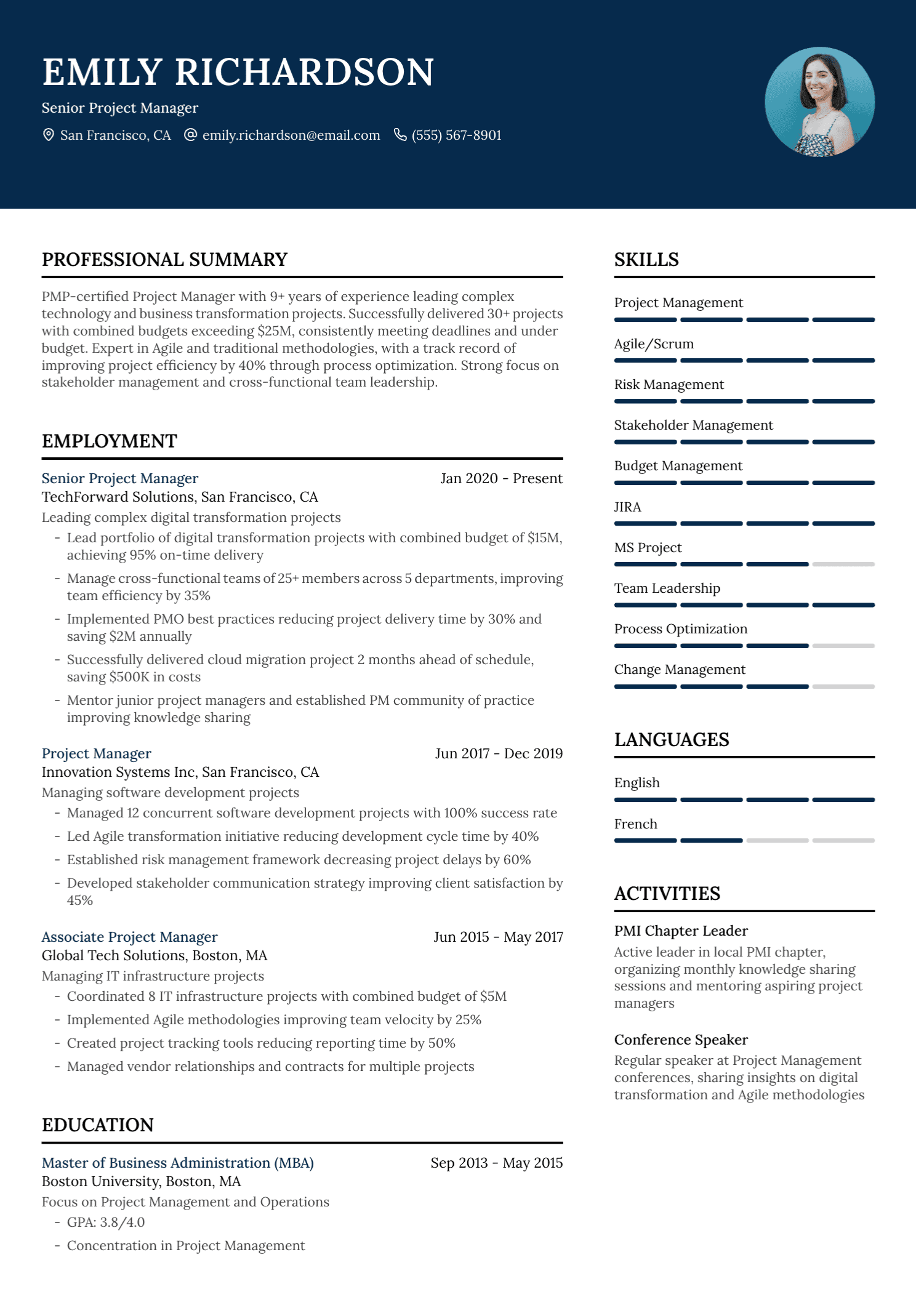
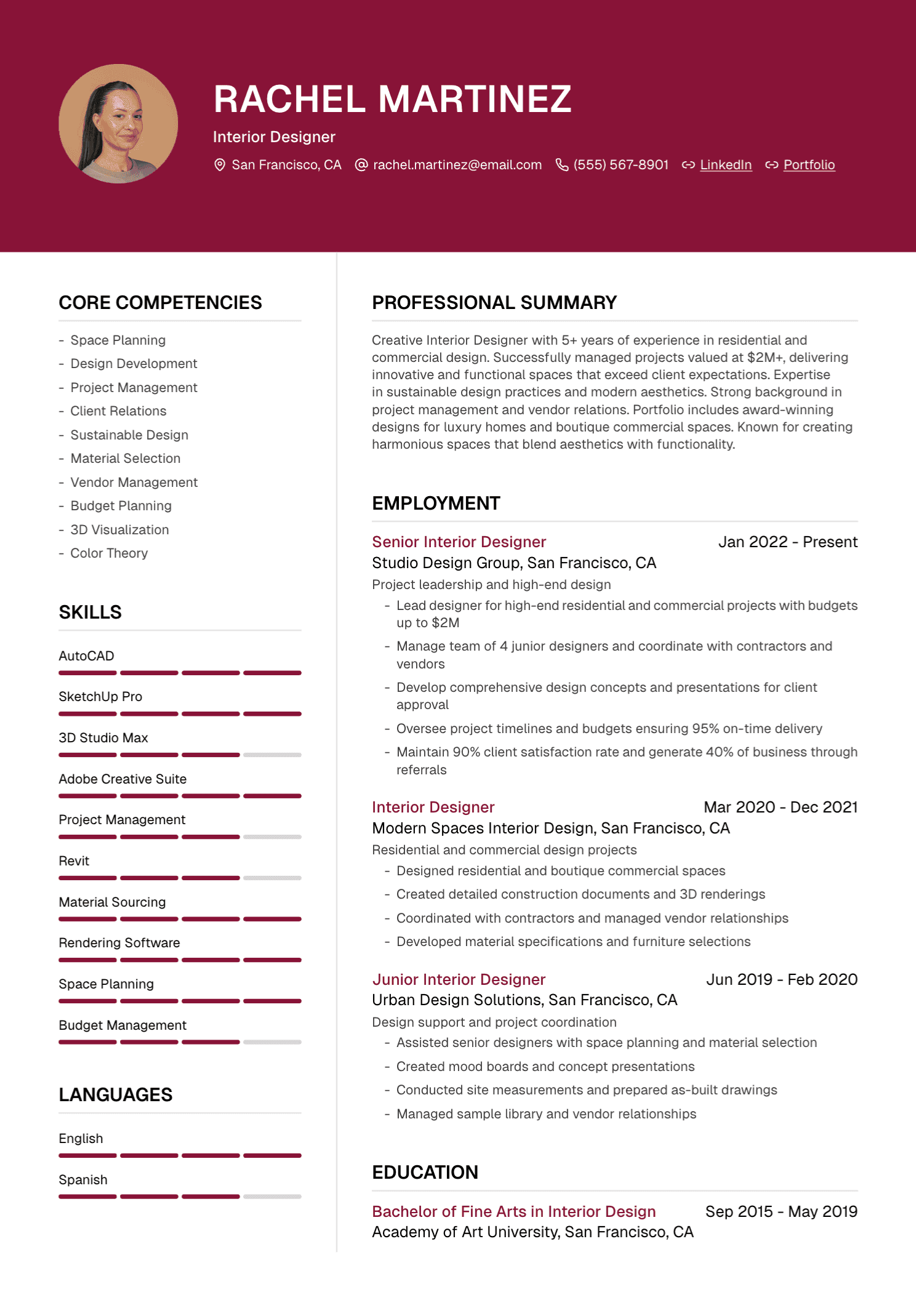
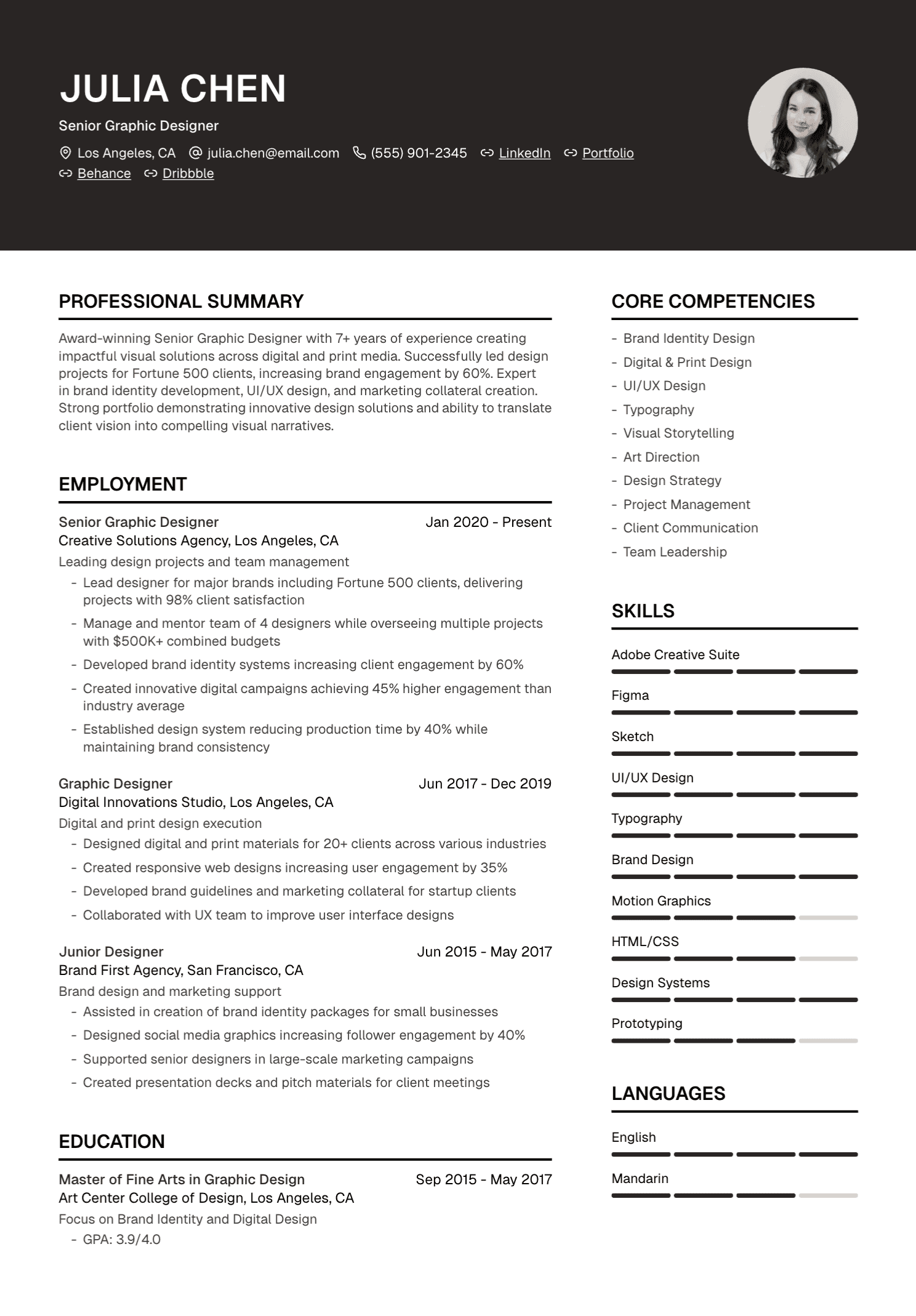
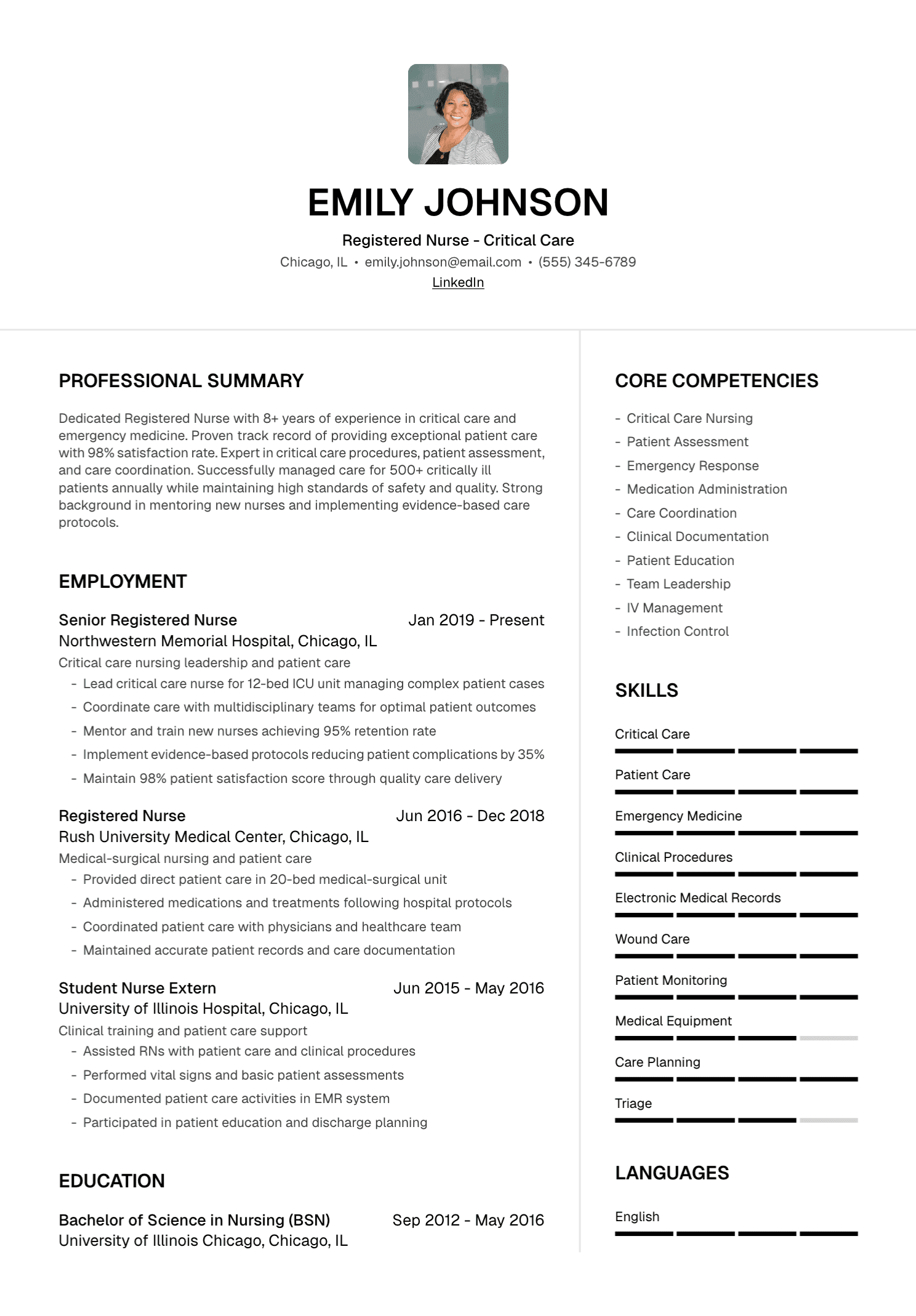
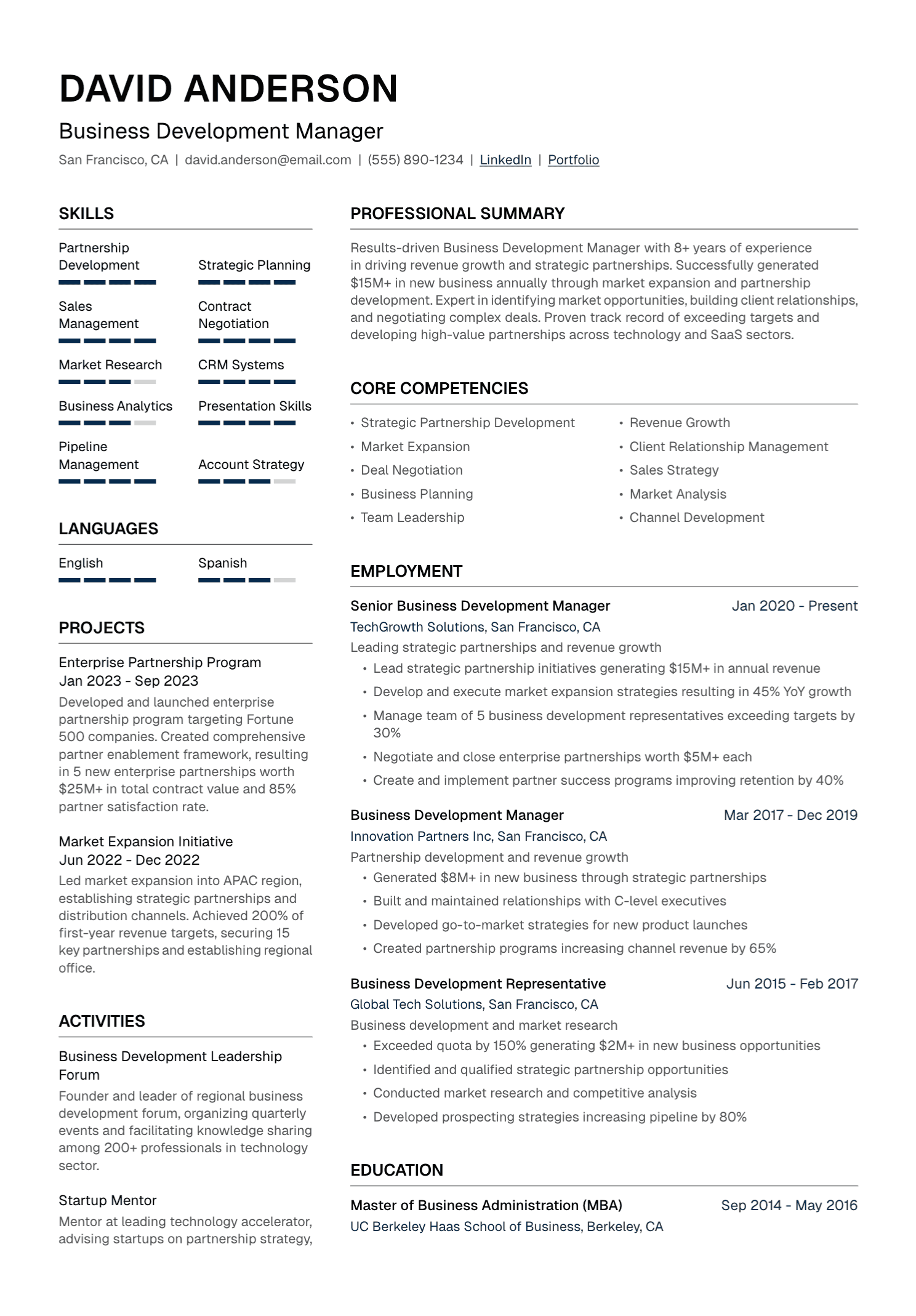
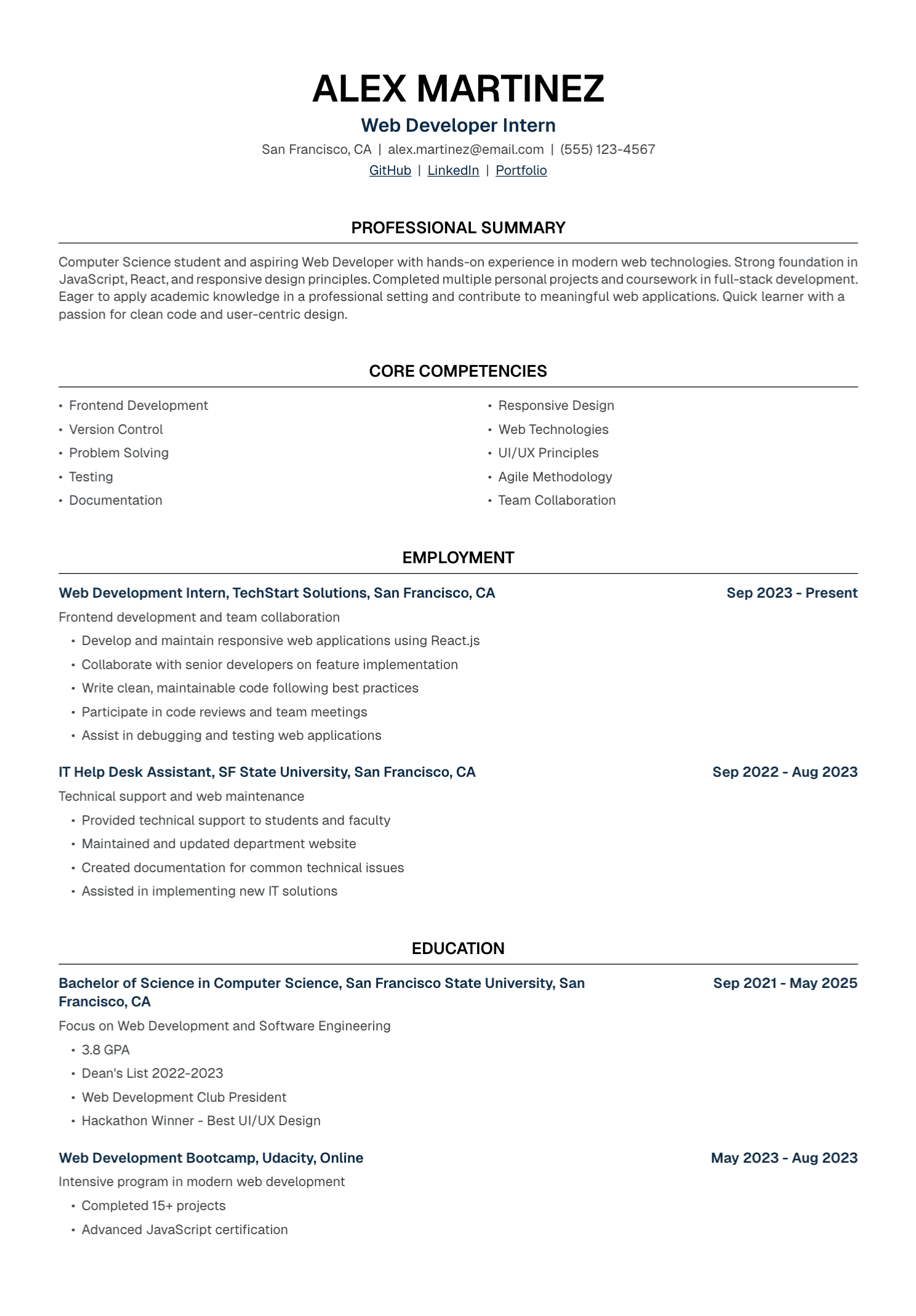
Begin with a concise profile that identifies your product domain, stage, and strongest relevant capabilities. Follow with a short skills section when the role depends on specific methods or tools.
Use reverse-chronological experience and give recent product roles the most space. Within each role, place the bullets that best match the target first. A selected-projects section can help career changers or candidates whose strongest product work happened outside a formal PM title.
Education, certifications, and technical skills should support the application without taking attention from delivered work. Keep the layout clear and the document easy to scan.
Write a Focused Product Profile
A hypothetical profile might read:
B2B SaaS product manager with experience improving administrator onboarding, shaping workflow products, and coordinating releases across engineering, design, security, and go-to-market teams. Strongest in customer discovery, requirements, and adoption analysis for complex operational software.
The profile establishes domain, users, product type, collaboration, and working strengths. Each claim should appear again as evidence in the experience section.
Avoid a dense list of every product phrase. The reader needs a clear professional identity.
Tailor for the Product Context
For a B2B role, give space to buying committees, administrators, integrations, implementation, adoption, renewals, and commercial stakeholders where relevant. A consumer role may emphasize behavior, scale, experimentation, lifecycle, and user experience. A platform role may foreground internal or external developers, APIs, reliability, governance, and migration.
Use the posting's terminology when it accurately describes your work. Keep specific product knowledge, market context, and user groups visible. A generic PM resume often loses the very details that make the candidate interesting.
Add a Portfolio When It Deepens the Evidence
A product portfolio can show how you think through a problem. Two or three well-developed cases are usually more useful than a gallery of screenshots.
Explain the context, your responsibility, evidence, decision, tradeoffs, collaboration, and outcome. Remove confidential information and generalize sensitive metrics. Label reconstructed work clearly.
The portfolio should be easy to open and navigate. Place the link in the contact section and mention the most relevant case when appropriate.
Help Career Changers Show the Bridge
Many people perform product work before receiving a PM title. A founder, analyst, engineer, designer, marketer, consultant, researcher, or operations lead may have identified user problems, prioritized work, defined requirements, and coordinated delivery.
Keep official titles. Use the bullets and projects section to show the product responsibilities honestly. A focused profile can explain the direction, while the cover letter adds motivation.
Early-career candidates can use internships, case competitions, shipped side projects, open-source work, and product analysis. Label every context accurately and focus on decisions and learning.
Use AI With Product-Specific Boundaries
AI can help organize a long initiative into a concise bullet. It can also invent metrics, assign the team outcome to the PM, or describe a roadmap as strategy without understanding the decision.
Try this prompt:
Draft product-manager resume bullets from these source notes. Use only the supplied facts. Preserve my level of ownership, the teams involved, metric definition, baseline, result, and measurement period. Separate my contribution from the shared team outcome. Place questions in brackets where the evidence is incomplete.
Read each draft as if an engineering lead, designer, and analyst from the project were beside you. The sentence should feel fair to all of them.
Where UseResume Fits
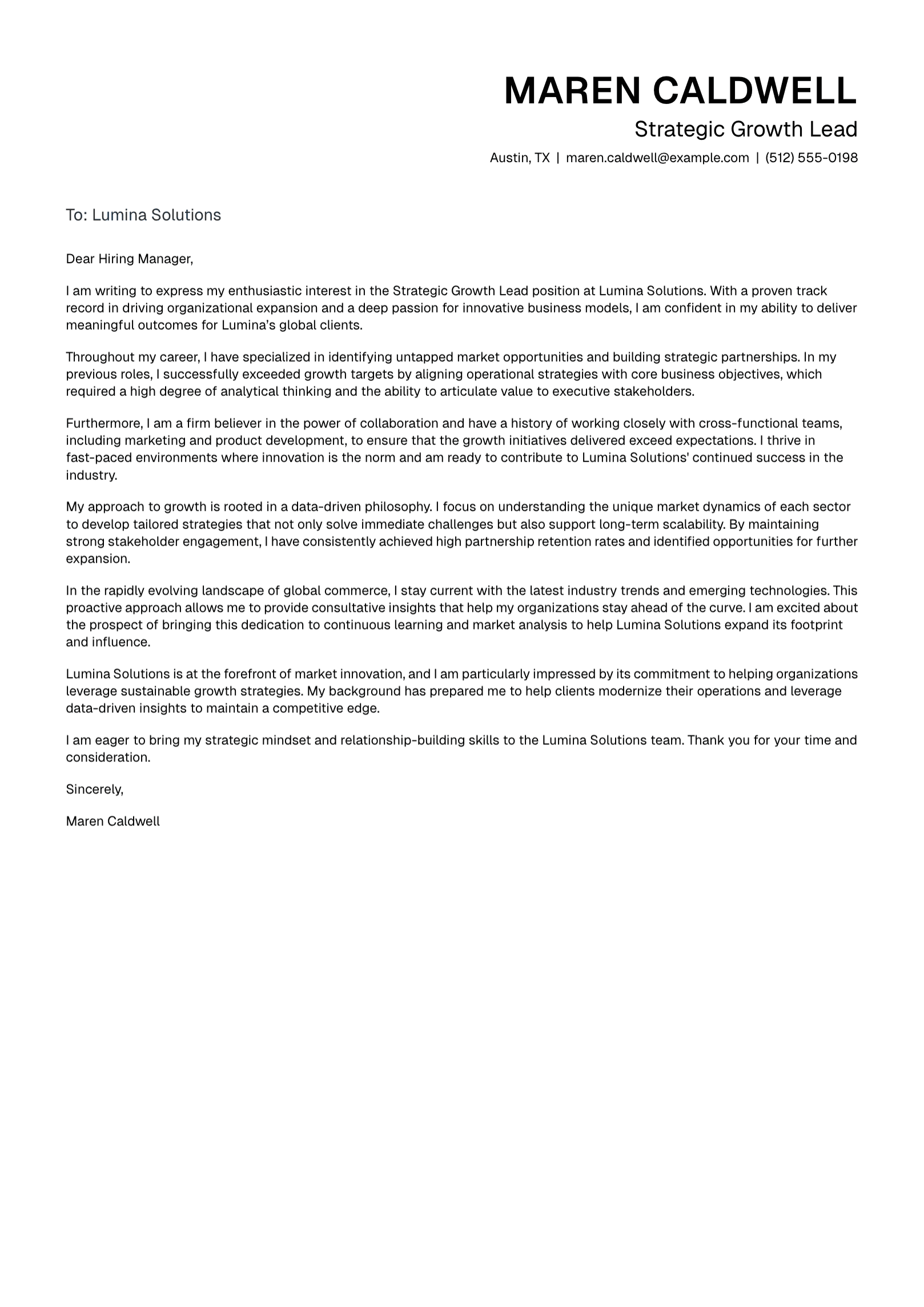
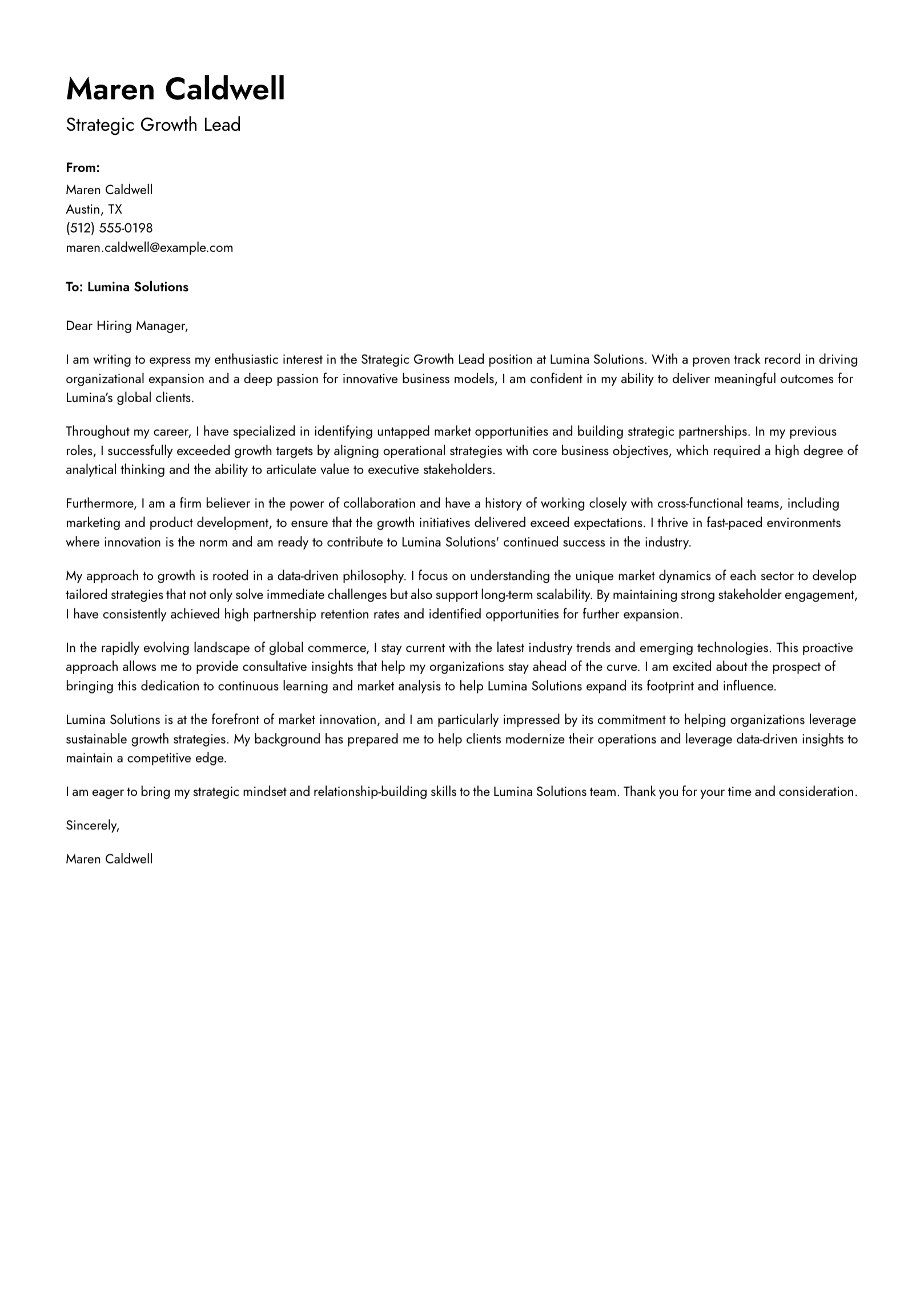
UseResume lets you upload or create a resume, add a product job description, generate a tailored draft, edit the content, choose a template, and export a PDF. You can also create a cover letter for the same role.
Treat generated metrics, product claims, and ownership language with care. Your final version should match dashboards, launch records, and the experience your former colleagues would recognize.
Product Leadership Sounds Strongest When It Is Specific
An ordinary launch can remain ordinary. The resume should show that you understand customers, make disciplined decisions, work well across functions, and learn from outcomes.
Choose a few products and decisions that reveal those qualities. Give the reader enough evidence to ask a serious interview question.
Create your account and build a product manager resume around the work you can defend.
Continue with our guides to adding a portfolio and writing strong achievement bullets.