Your Experience Begins Before Your First Full-Time Job
Writing an entry-level resume can feel strangely personal. You open a blank page and see all the years of professional experience you have yet to gain. The page seems to confirm your fear that everyone else has more to offer.
I want you to look at the task differently. Your first resume is an evidence-gathering exercise. Coursework, projects, part-time jobs, internships, volunteering, student societies, caregiving, sport, and independent work may all contain relevant proof. Your job is to find the pieces that connect honestly with the role you want.
AI can help you organize and phrase that material. It needs detailed source information and firm factual boundaries. The experience still comes from you.
Start With the Job Description
Read the posting before choosing a template or writing a profile. Mark the responsibilities, required tools, qualifications, and repeated themes. Then separate true requirements from employer preferences.
Imagine an entry-level marketing role that mentions social media scheduling, campaign reporting, short-form video, and teamwork. A university society account, a small personal project, a retail position, and a class campaign may provide relevant evidence. Each experience should stay under its honest label. A class project remains a class project, and its work can still be excellent.
Create a simple match document beside the posting. For every priority, write the strongest example you can verify. Leave a blank where your experience has a genuine gap. This keeps the resume focused and prevents optimistic invention later.
Build a Career Evidence File
Before you edit the resume, write down more than you expect to use. Include modules, assignments, presentations, laboratories, group projects, paid work, volunteer roles, societies, personal projects, certifications, awards, and languages.
For each experience, record what you were asked to do, what you personally contributed, which tools you used, who worked with you, what you produced, and what happened as a result. Check calendars, course briefs, messages, reports, and project files for details you have forgotten.
This longer file gives you options. The final resume becomes a careful selection from real evidence. One summer job no longer has to fill the page.
Give Part-Time Work the Respect It Deserves
A part-time role can show reliability, pace, customer judgment, cash handling, scheduling, sales, problem-solving, and teamwork. The value depends on what you actually did.
“Worked in a busy café” gives basic context. A more useful source note might say:
Served customers during weekend shifts, trained two new team members on the till, and handled closing checks with the shift supervisor.
That note could support this resume bullet:
Trained two new team members on till procedures and supported closing checks during high-volume weekend shifts.
The stronger version adds detail because the source note contains detail. It avoids turning service work into fictional management experience.
Turn Academic Work Into Clear Evidence
Academic projects often contain research, analysis, writing, presentation, software, and collaboration. State the context openly and focus on the quality of the work.
For a data-analysis project, include the question, dataset, method, tools, and final output. For a design project, describe the brief, research, iterations, and deliverable. For a group assignment, clarify your own contribution.
A candidate might write:
Analyzed a public transport dataset in Python for a final statistics project and presented route-delay findings in a ten-minute class briefing.
This line is modest, specific, and easy to discuss. That is exactly what an early-career resume needs.
Use Volunteering, Societies, and Personal Projects Carefully
Relevant work deserves space regardless of whether it came with a salary. A volunteer may coordinate events, write newsletters, support clients, manage inventory, or maintain a website. A society role may involve budgets, sponsorship, communications, or member administration.
Personal projects can be especially useful in technical and creative fields. Include a link when the work is ready for review. Describe what you built or produced, the tools involved, and the decisions you made.
Avoid upgrading participation into leadership. Attending meetings, contributing to a project, and directing the team are different experiences. Accurate language protects your credibility.
Choose a Structure That Supports Your Evidence
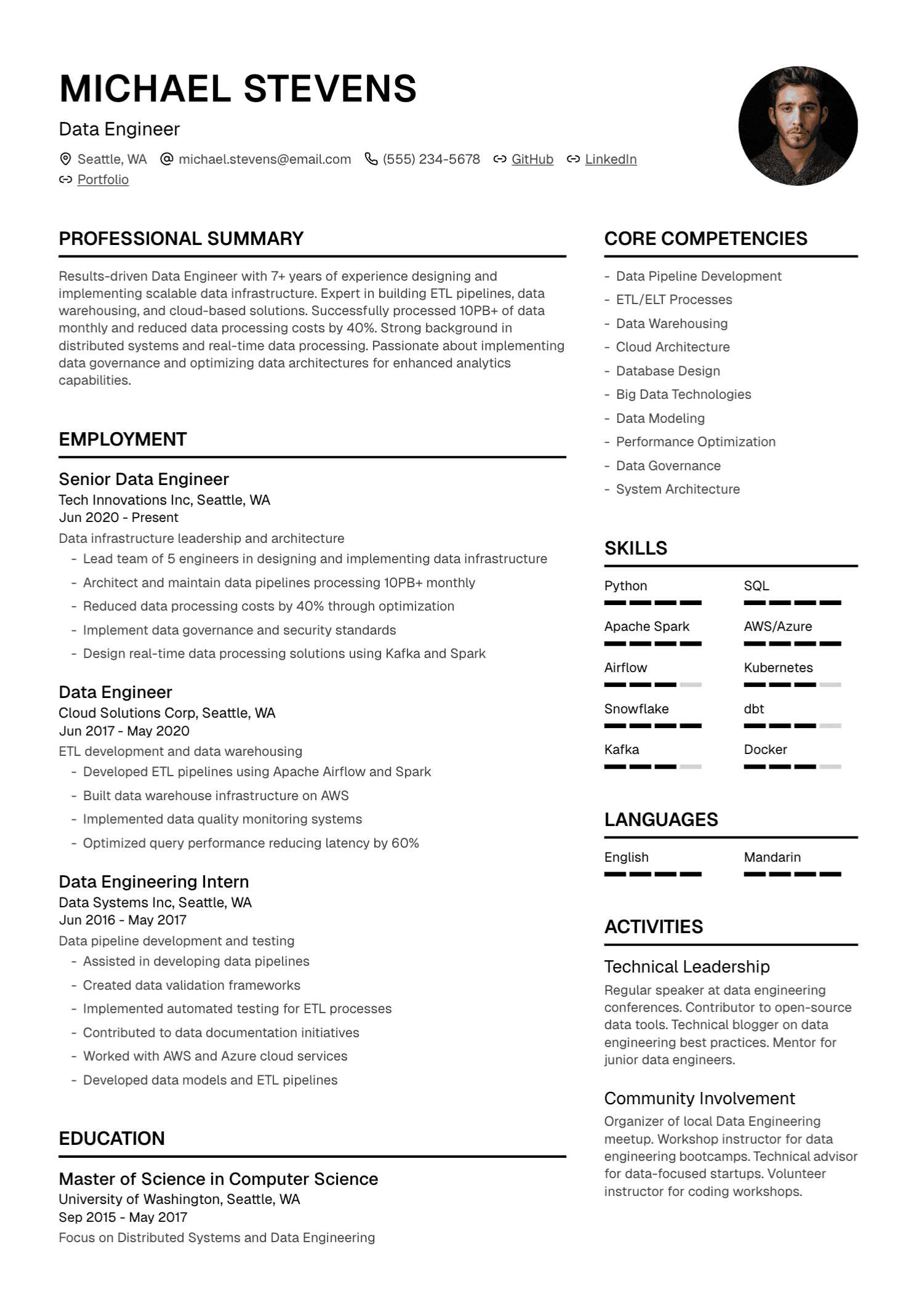
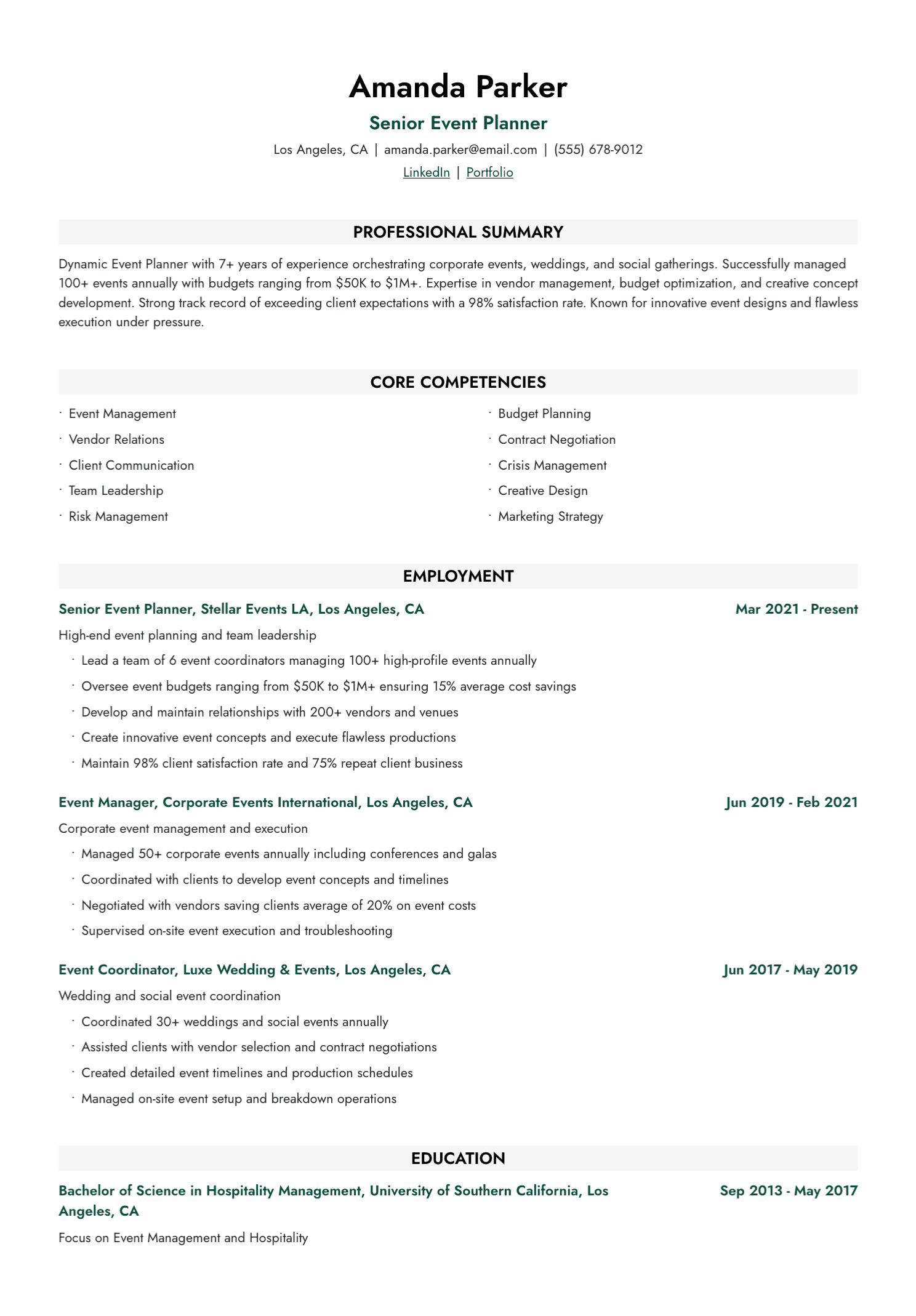
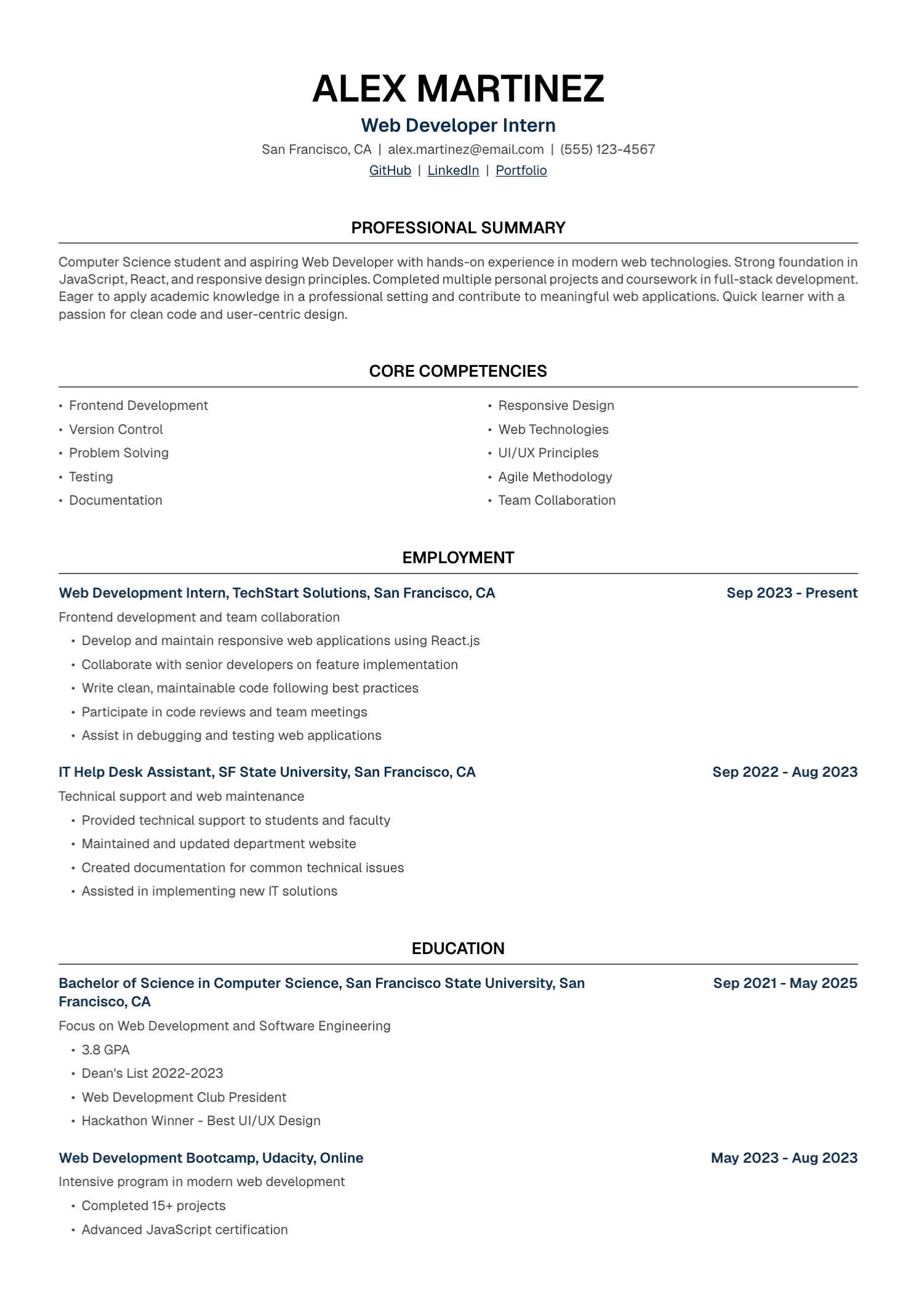
For many entry-level candidates, one page provides enough room. A second page can make sense when the candidate has substantial projects, research, clinical placements, publications, or relevant work.
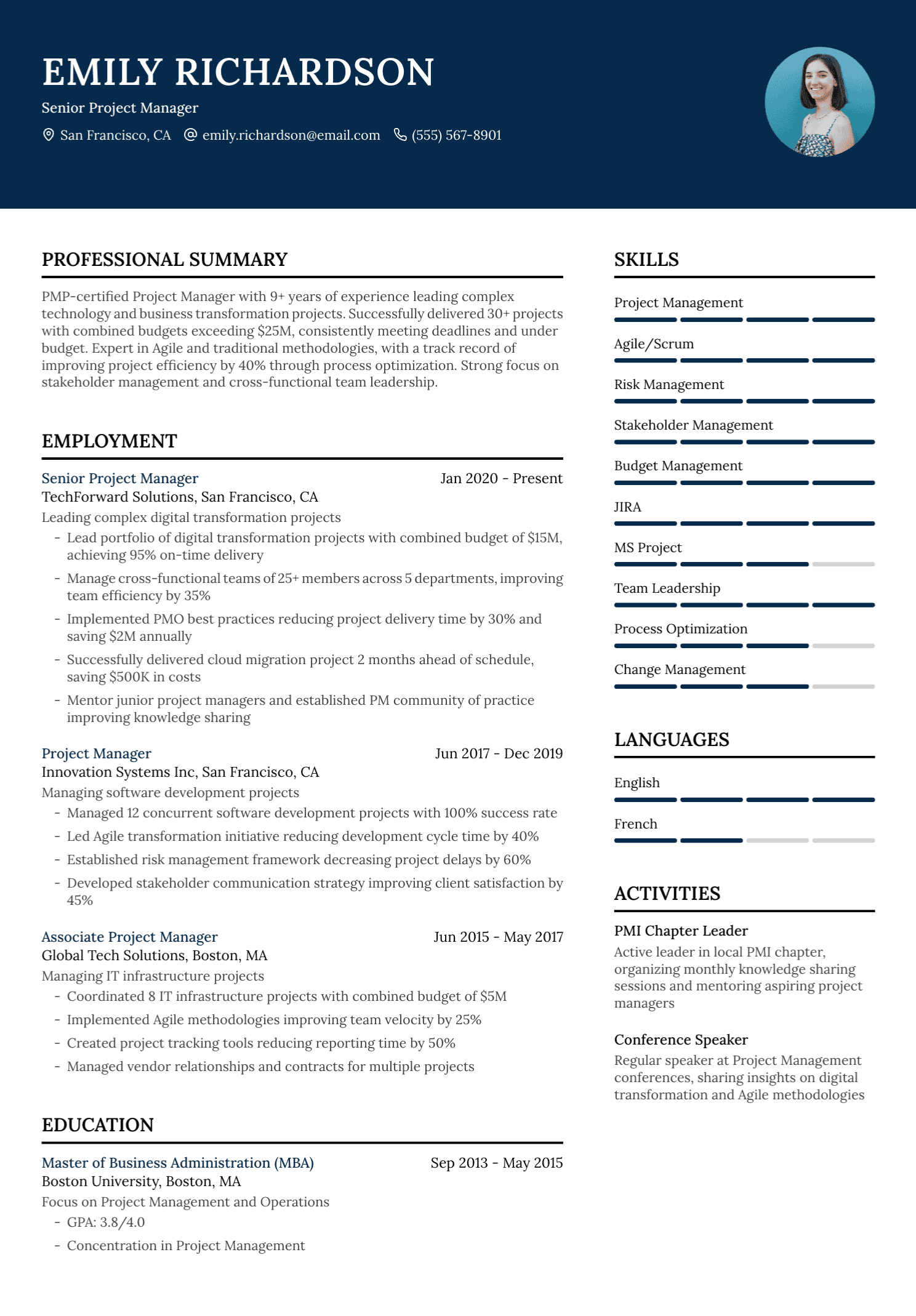
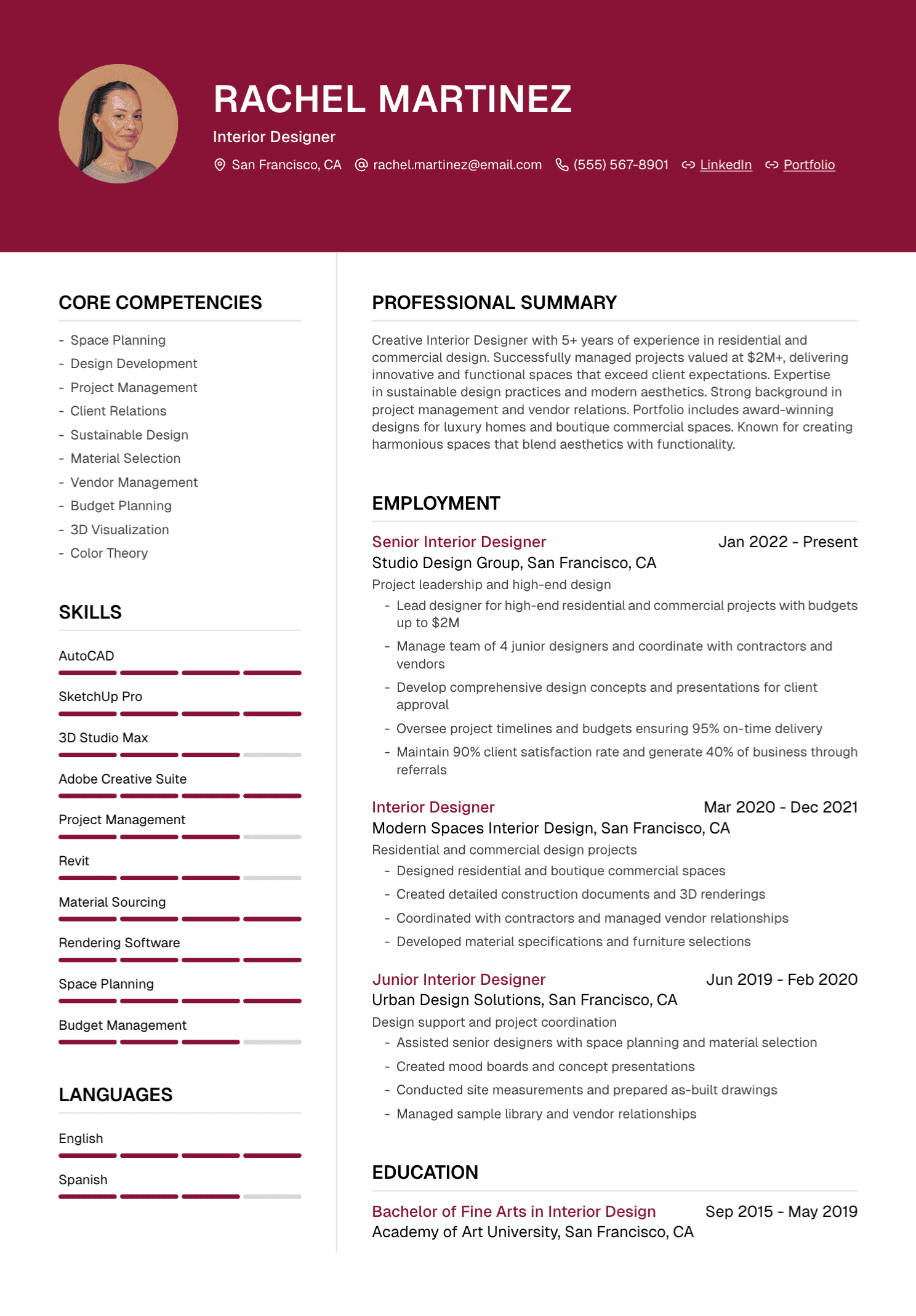
Place your name and contact details first. Follow with a short profile when it adds direction. Education often sits near the top for recent graduates, especially when the course, dissertation, grades, or relevant modules strengthen the application.
After education, use the sections that best reflect your background: Experience, Projects, Volunteering, Leadership, Skills, or Certifications. Keep dates and headings consistent. Put the strongest evidence on the upper half of the page.
Write a Profile With a Real Point of View
An entry-level profile should tell the reader what you have studied or practiced, what you can contribute, and which direction you are pursuing.
Here is a hypothetical example for a recent psychology graduate:
Psychology graduate with experience designing surveys, analyzing quantitative data in SPSS, and presenting research findings. Seeking an entry-level user-research role with a focus on accessible digital products.
Every phrase has a job. The field, evidence, tools, target, and area of interest are clear. The candidate can revise the final sentence for each serious application.
Let Skills Earn Their Place
Your skills section should be short and relevant. Name software, languages, methods, laboratory techniques, or other learned capabilities that the role uses. Support important skills elsewhere in the resume through a project, role, course, or certification.
Soft skills become credible through examples. A line that says “excellent communicator” asks the reader to accept a claim. A presentation, customer interaction, training responsibility, or published article gives the reader evidence.
Proficiency labels deserve care. “Advanced Excel” carries an expectation. Mention the functions, models, dashboards, or analyses you have used when that context helps.
Ask AI to Work From Your Facts
Give an AI tool the job description, your evidence file, and a clear instruction:
Draft an entry-level resume for this role using only the facts in my notes. Keep academic, volunteer, personal, and paid experience under accurate labels. Preserve every date, tool, grade, metric, and level of responsibility. Use brackets for missing detail and explain which source supports each suggested bullet.
The source check matters. AI may invent a number, infer a tool associated with your subject, or present group work as individual ownership. Compare the draft line by line with your notes.
Then restore your voice. Replace grand language with words you would use in an interview. Clear early-career writing feels confident because it has nothing to hide.
Tailor With Selection, Order, and Detail
Tailoring rarely requires a complete rewrite. Start by moving the most relevant project or role higher. Expand the bullets that match the employer's priorities. Shorten material that contributes less to this application.
Use the employer's terminology when it describes your experience accurately. If the posting says “customer support” and your title used “customer service,” you may include the familiar term in a bullet. Keep titles, qualifications, and tools exact.
Save each serious application as a separate version. Keep the posting beside it so you can prepare for an interview after the vacancy disappears.
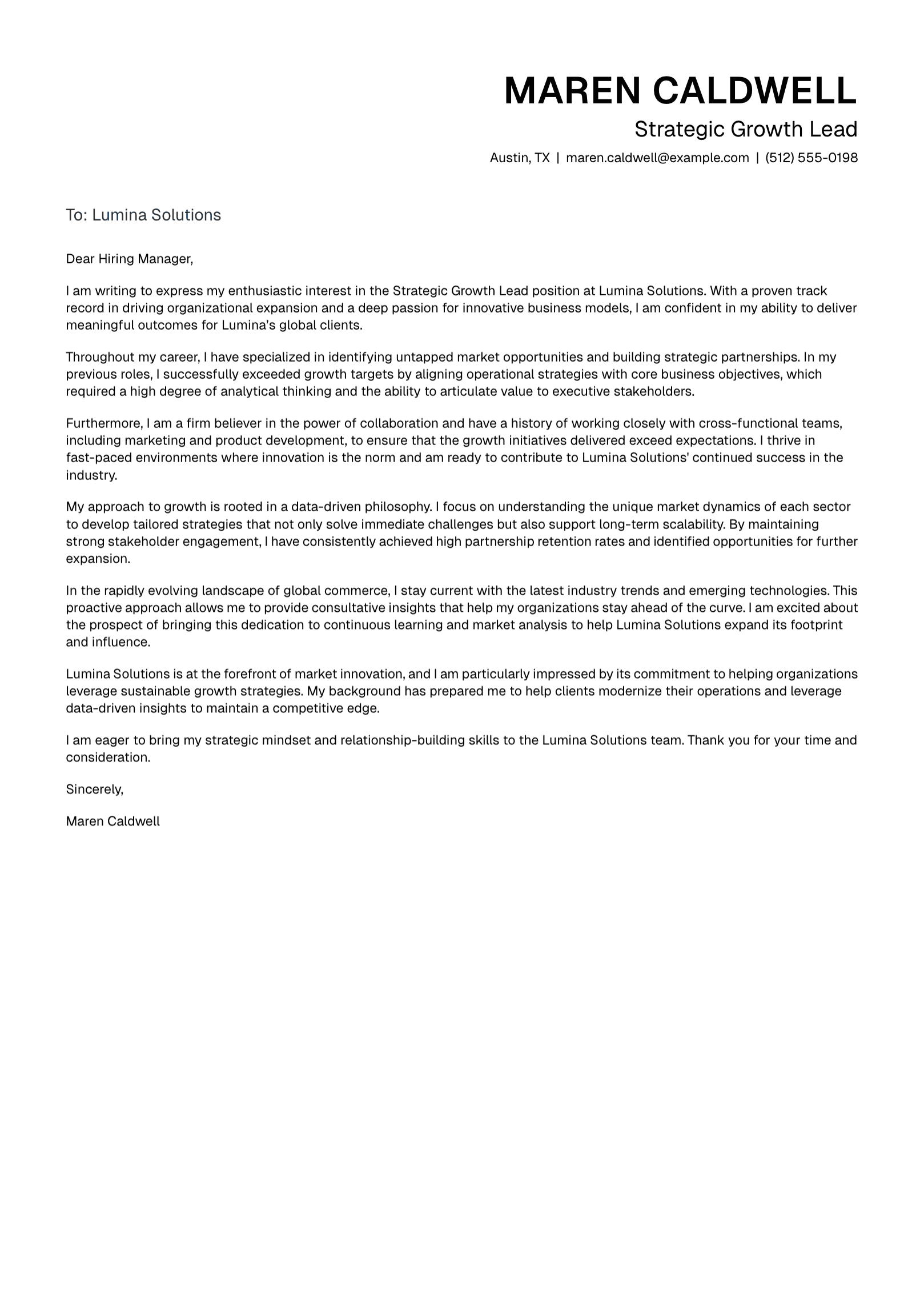
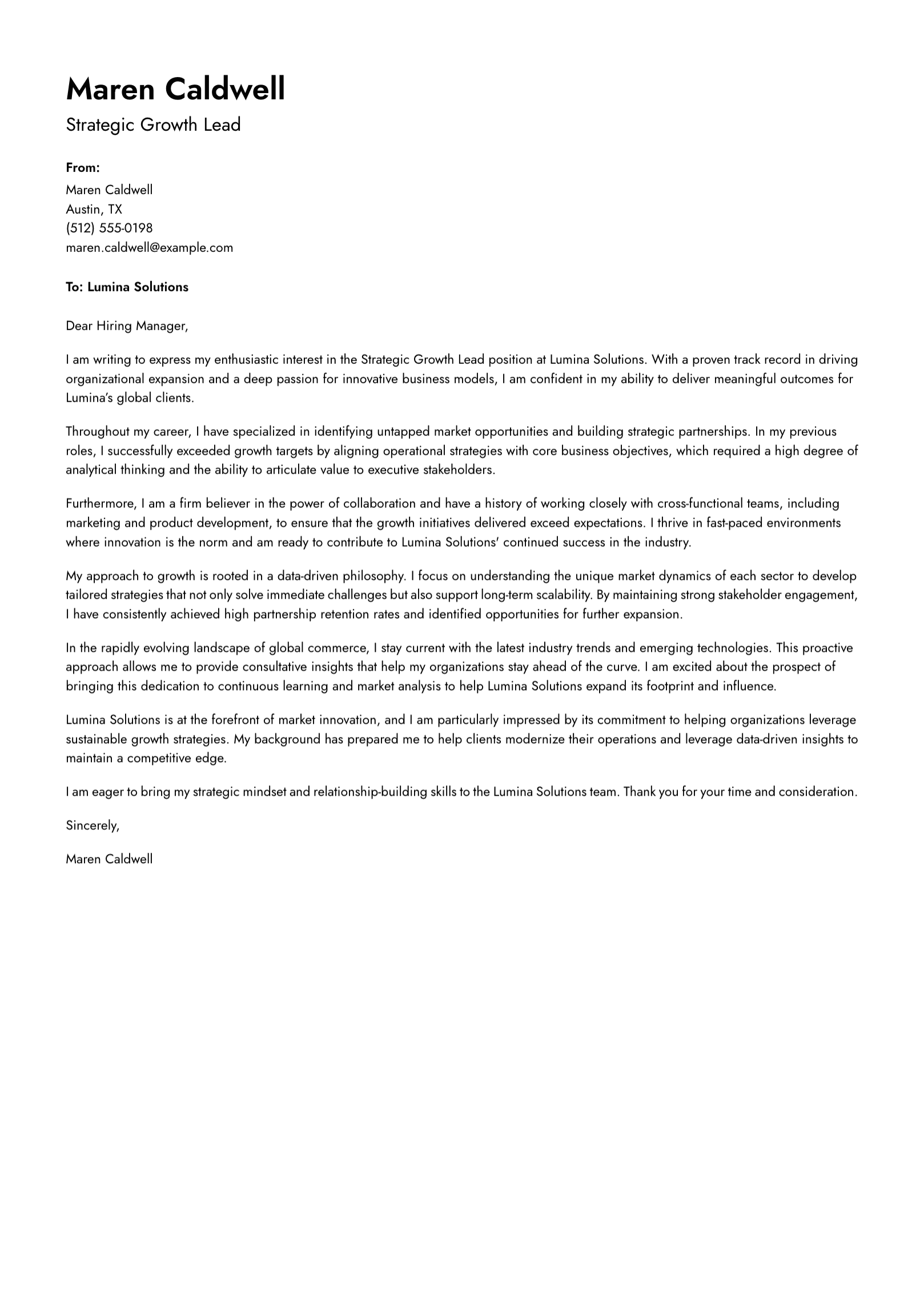
Use the Cover Letter to Add Motivation
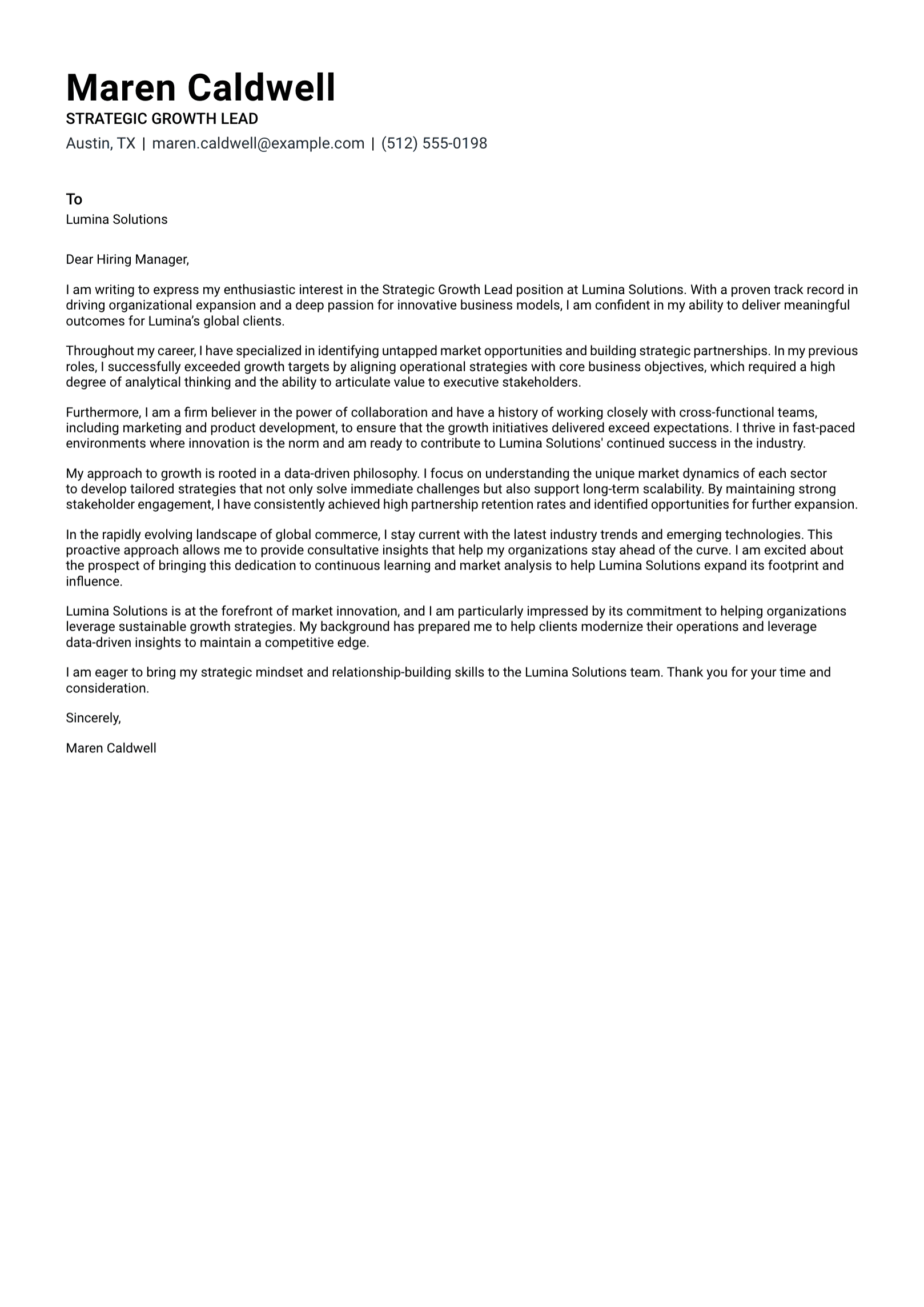
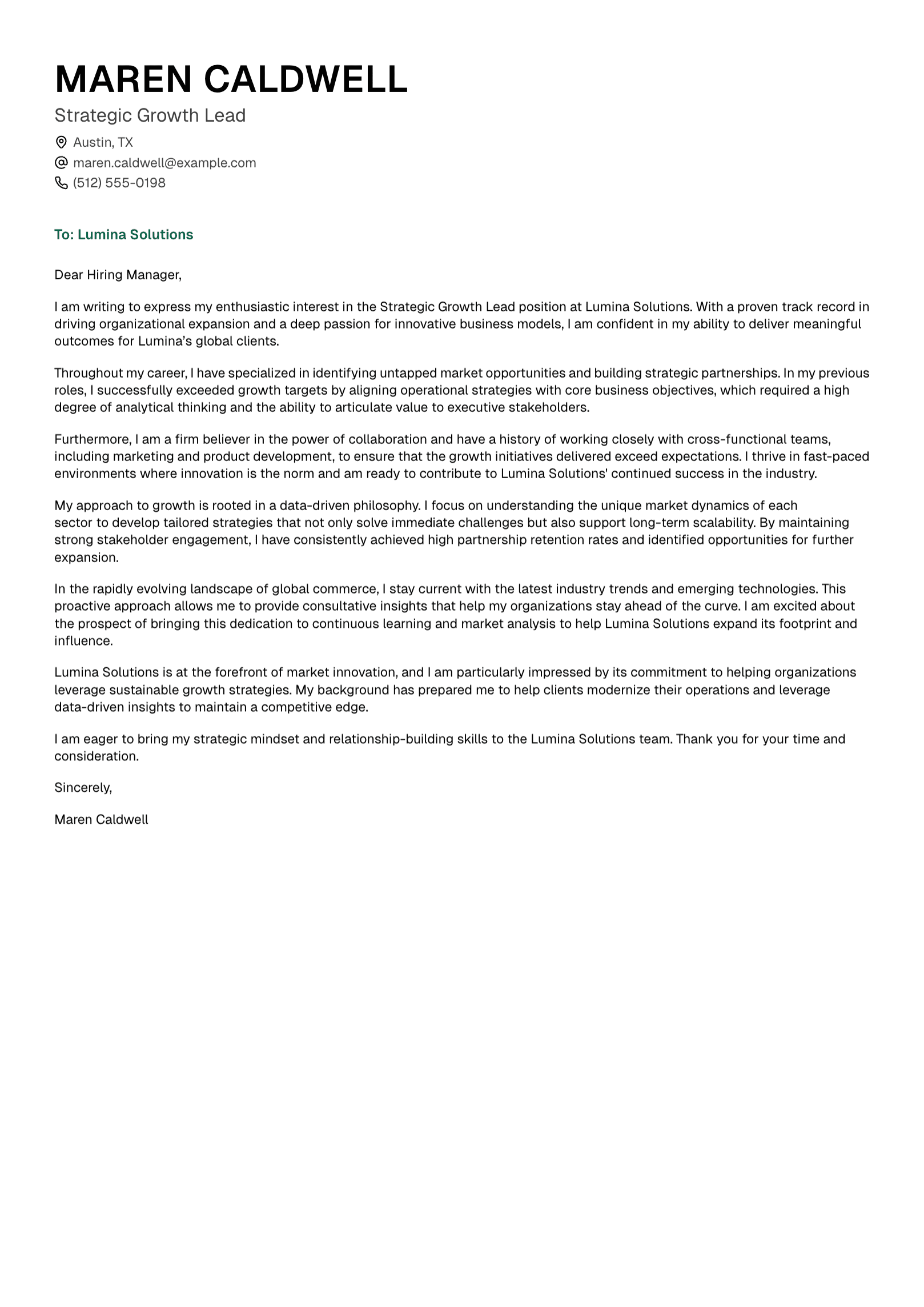
The resume shows your evidence. The cover letter can explain why this particular starting point makes sense for you.
Choose two examples that connect with the role. Add a genuine reason for your interest in the organization or work. If you are moving from one subject area into another, explain the bridge in a few direct sentences.
An AI-generated cover letter often arrives polished and emotionally empty. Give it a personal reason, a specific example, and your natural language before sending it.
Review the Resume Like an Interviewer
Before submission, imagine a recruiter asking about every line. Can you explain your contribution to the group project? Can you describe how you used the software? Can you support the metric? Can you discuss the result without memorizing the bullet?
Check spelling, dates, links, page breaks, and the filename. Open the final PDF on another device. Ask someone who knows your work to flag any sentence that feels exaggerated or unclear.
Where UseResume Fits
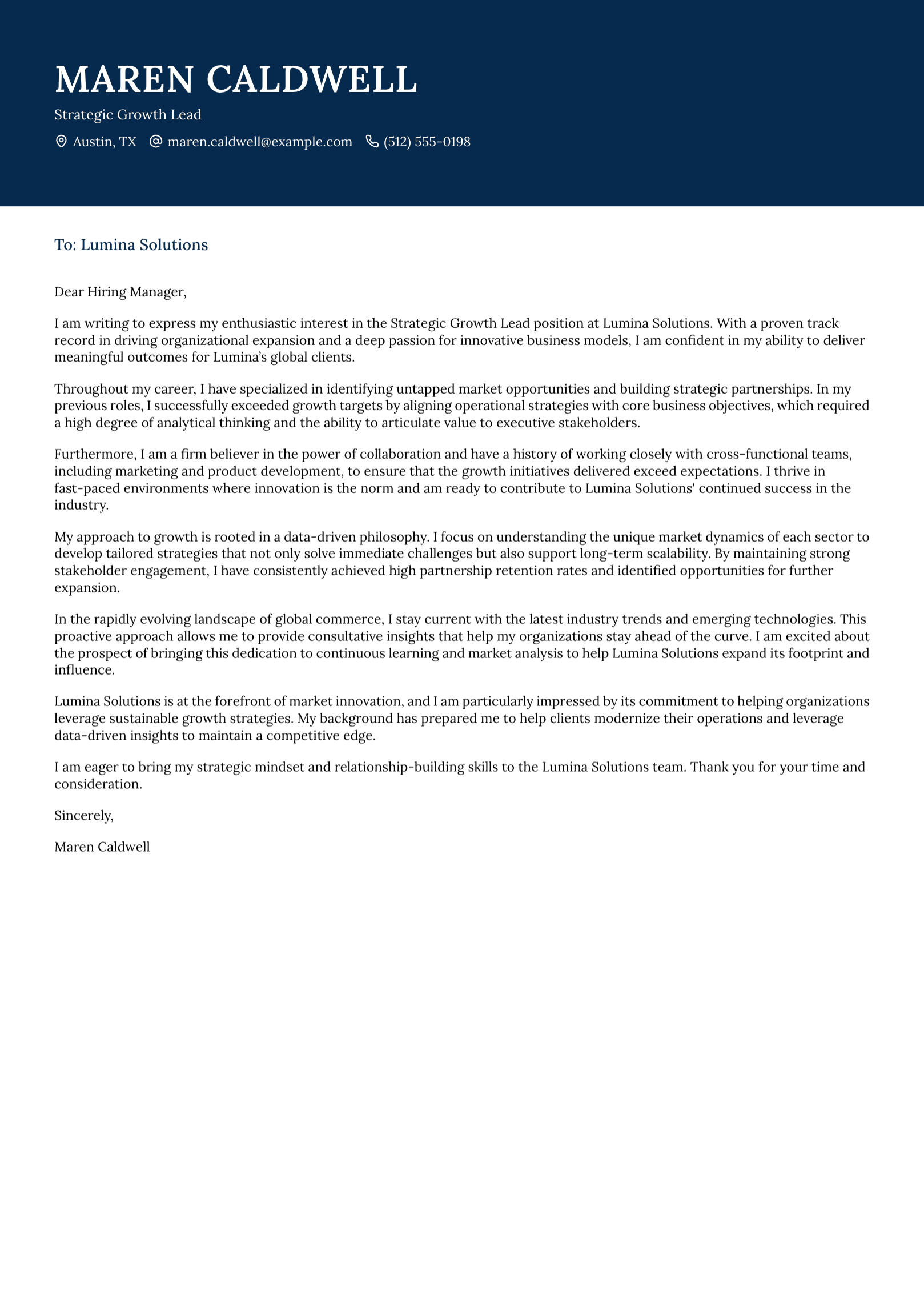
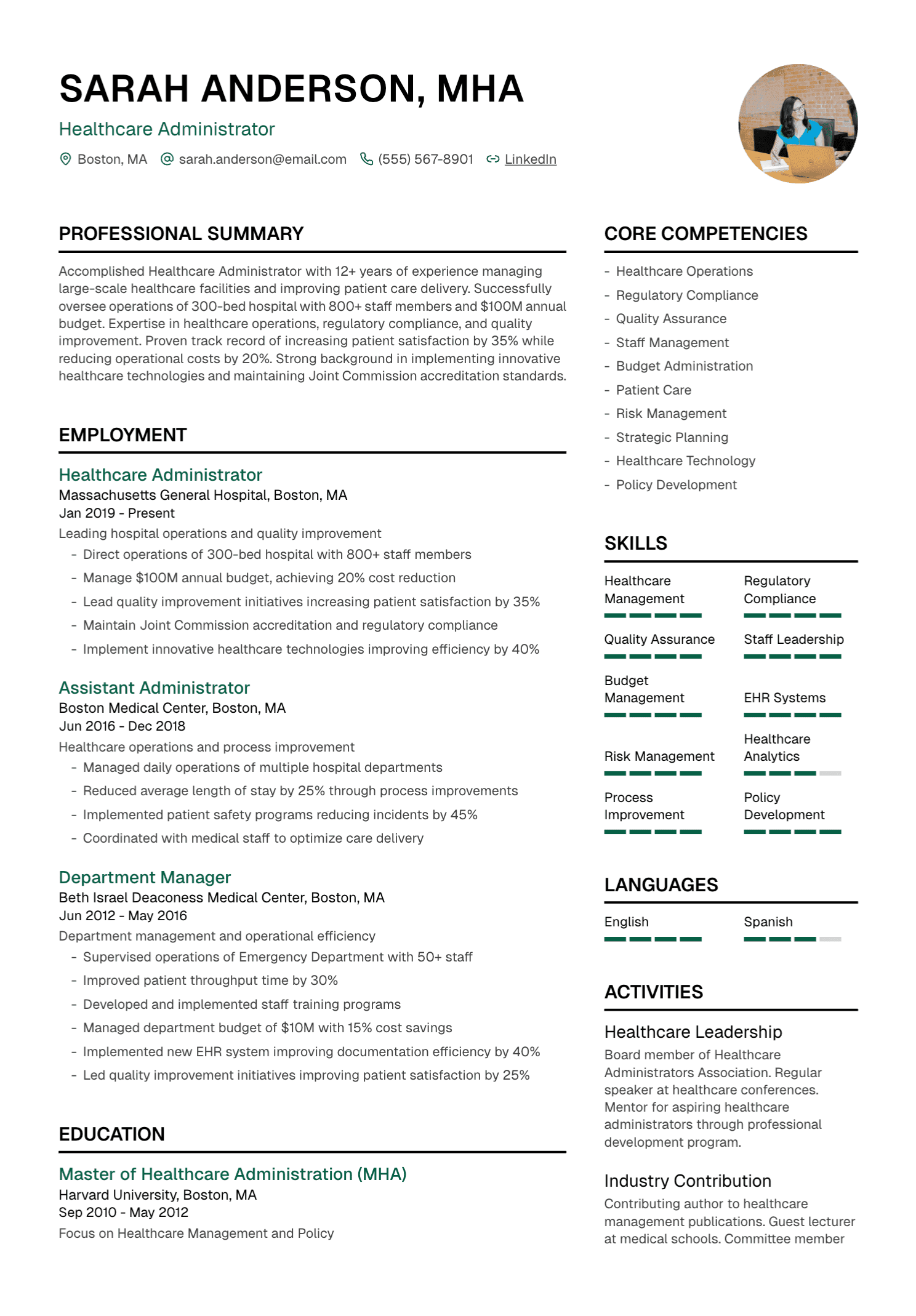
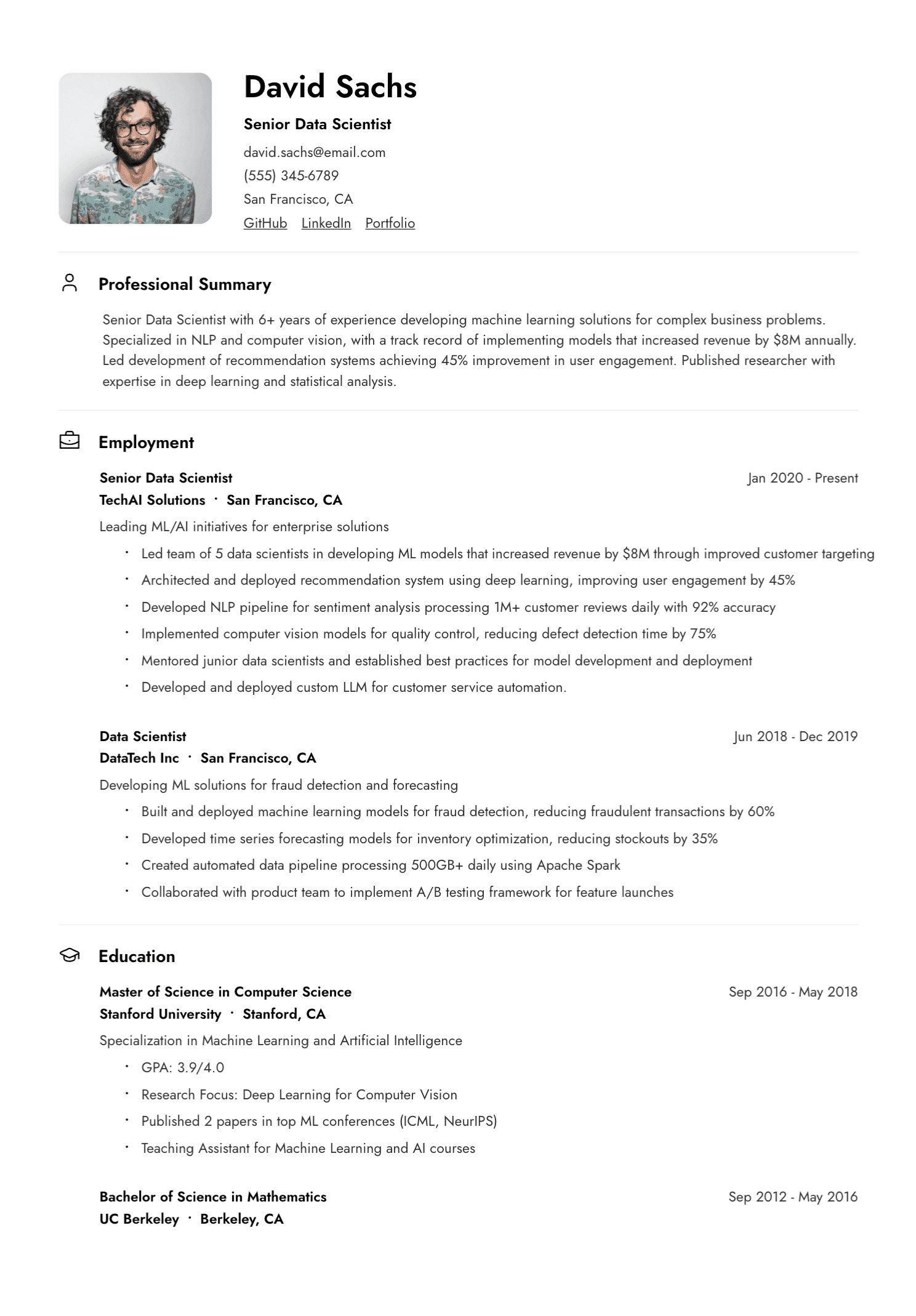
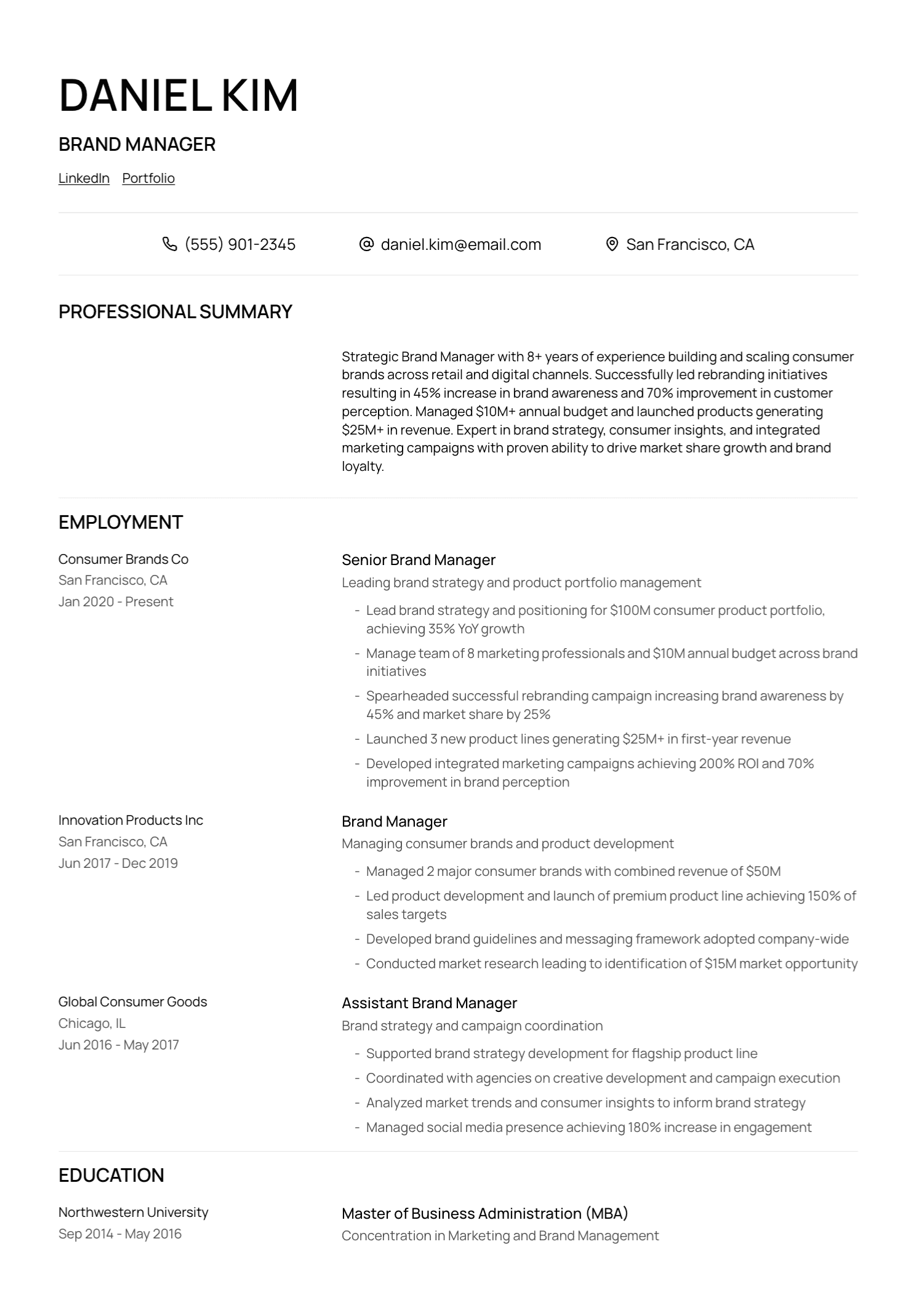
UseResume lets you upload or create a resume, tailor it to a job description, edit the generated content, choose a template, and export a PDF. You can also create a cover letter from the same application material.
Use the platform to organize your evidence and produce a focused draft. You make the final decisions, and you verify every career claim.
Your First Resume Is Allowed to Look Early-Career
Your resume can sound like the capable early-career person you are. That sentence is straightforward, yet many graduates need to hear it.
A good entry-level resume shows curiosity, effort, relevant foundations, and proof that you can learn and contribute. Give the reader real material. Let your potential emerge from the work you have already done.
Create your account and build an entry-level resume around evidence you can discuss with confidence.
Continue with our guide to listing education on a resume and our advice on writing a resume with no experience.