The Blank Page Has Changed
Resume writing used to begin with a blank document and a vague instruction to “sell yourself.” That is a difficult request when you are tired, worried about money, or staring at a role you deeply want.
In 2026, an AI tool can read a job description, compare it with a career history, and produce a tailored draft within the same working session. That changes the mechanics of the task. You can spend more time choosing evidence and less time moving sentences between documents.
The technology still needs a careful editor. A resume contains facts with consequences: titles, dates, qualifications, metrics, responsibilities, and results. The candidate remains responsible for every one of them.
Where AI Genuinely Helps
Finding useful evidence in a long career history
A detailed base resume may contain ten or fifteen years of projects. AI can help identify which examples speak most directly to a new vacancy. For a role centered on operational efficiency, it may surface process improvements that were previously buried under broader management duties.
This kind of selection is valuable because many candidates remember their job titles more easily than their contributions. A good prompt can ask questions about scope, audience, obstacles, tools, and outcomes, helping the candidate recover details from the actual work.
Turning rough notes into a first draft
Most resume source material begins in plain language: “helped launch the new service,” “made the report faster,” or “trained the new starters.” AI can organize that material into a clearer sentence.
The source note needs enough detail to protect accuracy. Who launched the service? What did you personally own? Which report changed? How was the time saving measured? The quality of the answer depends heavily on the quality of the input.
Comparing a resume with a job description
AI can group the employer's priorities and show where the resume contains relevant evidence. It can also reveal genuine gaps. This gives the candidate a practical map for tailoring.
The strongest adjustments usually involve selection, order, and detail. A relevant achievement moves higher. A matching tool becomes easier to find. A broad bullet gains useful context. The career history stays intact.
Drafting a cover letter
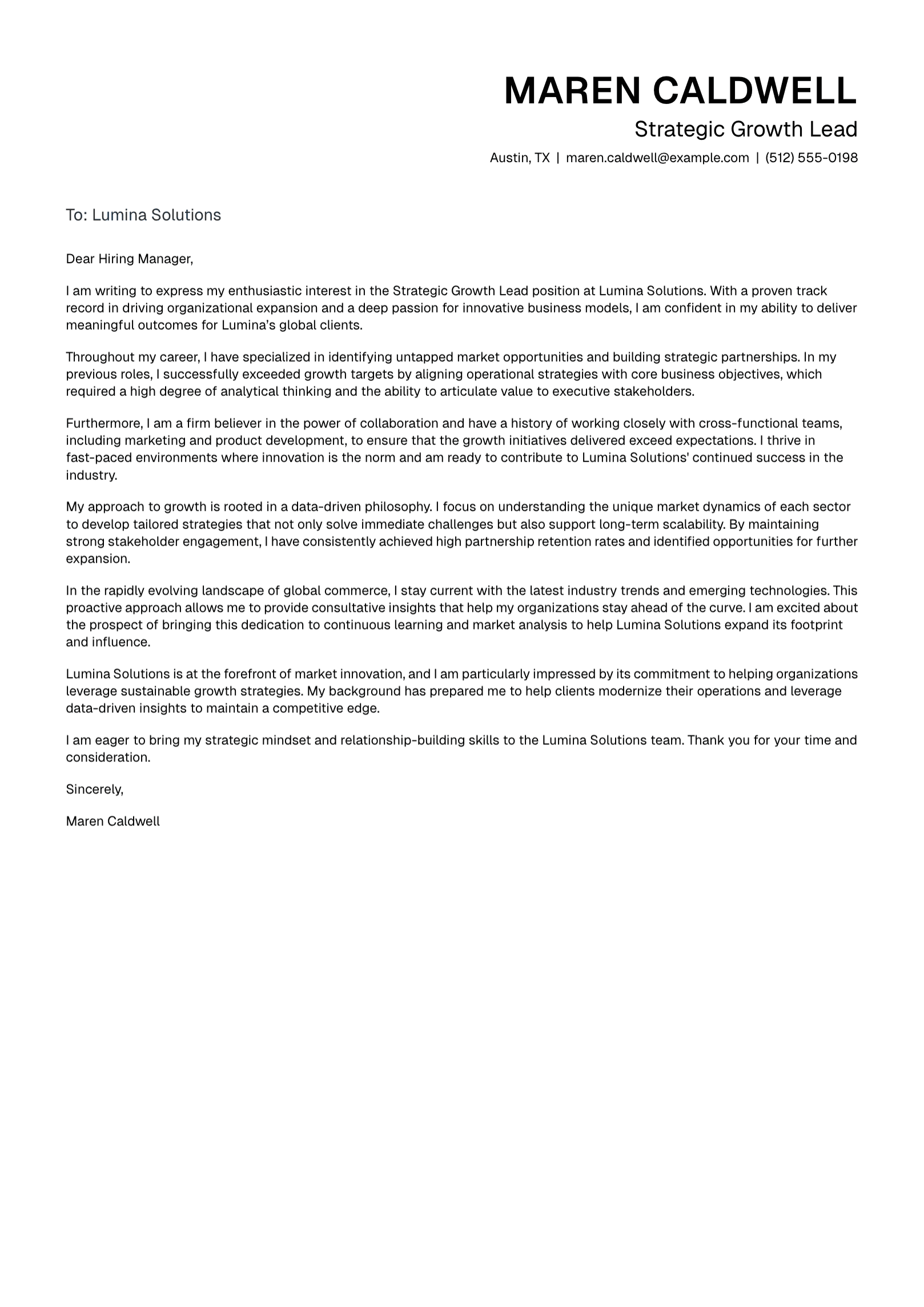
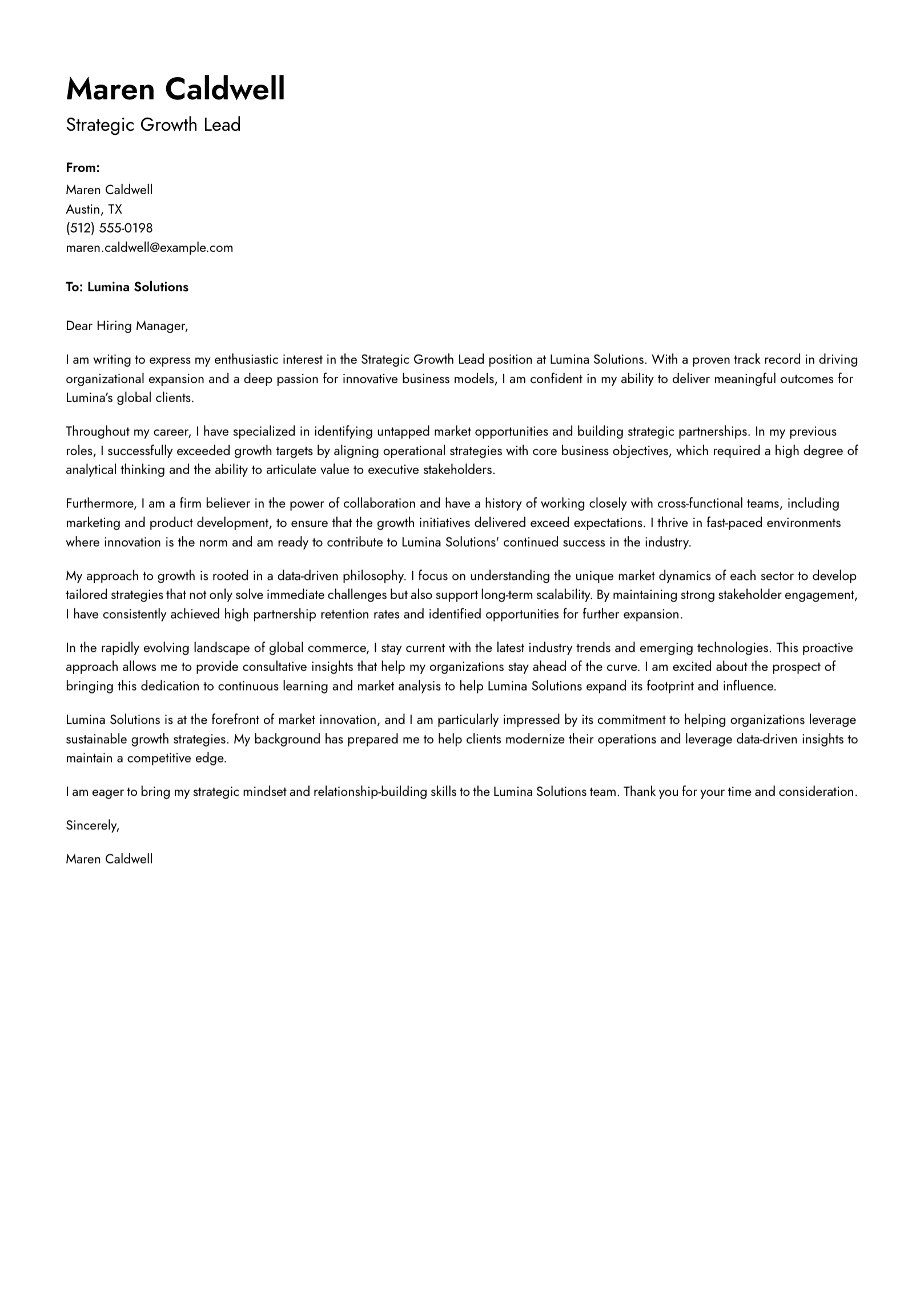
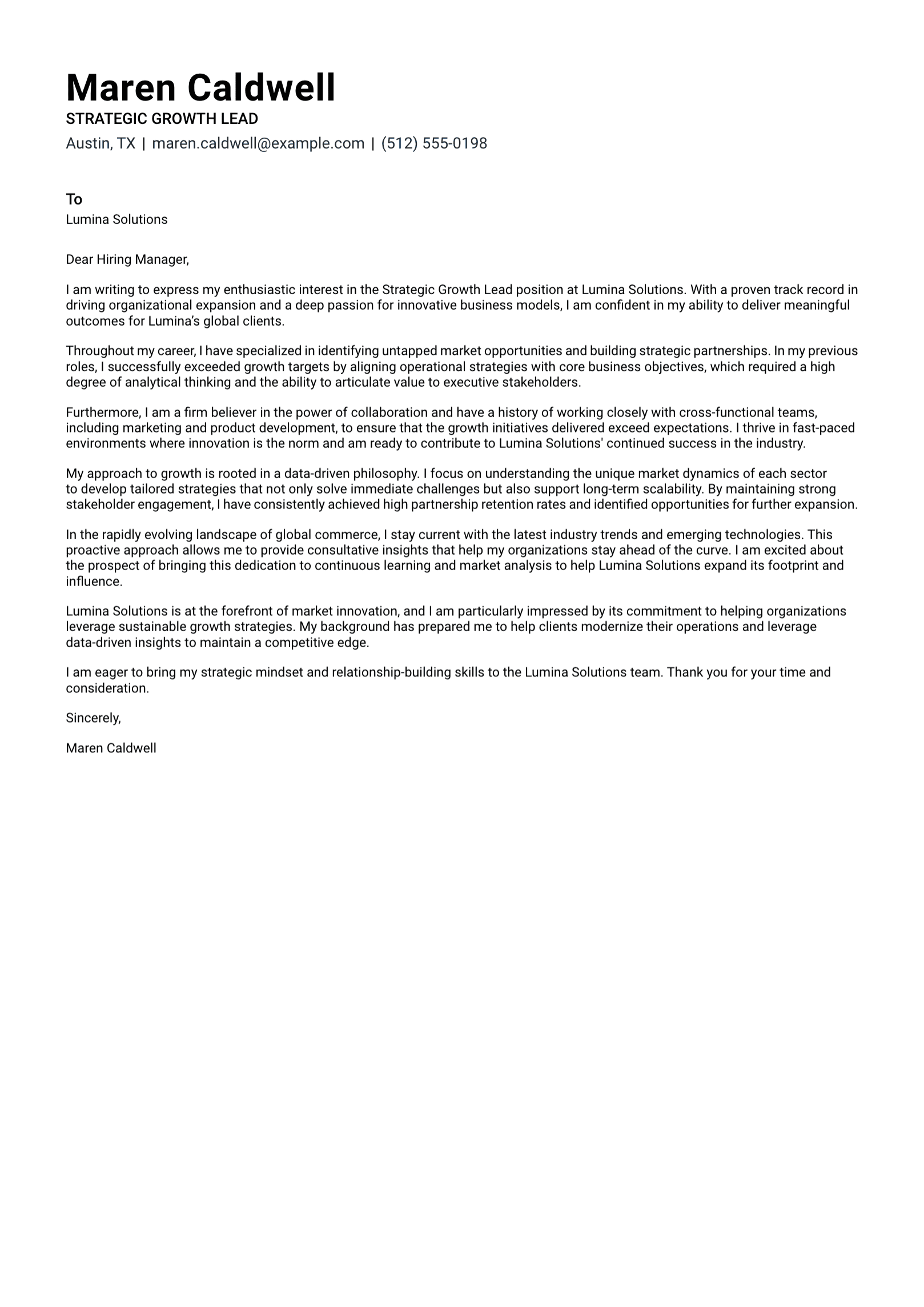
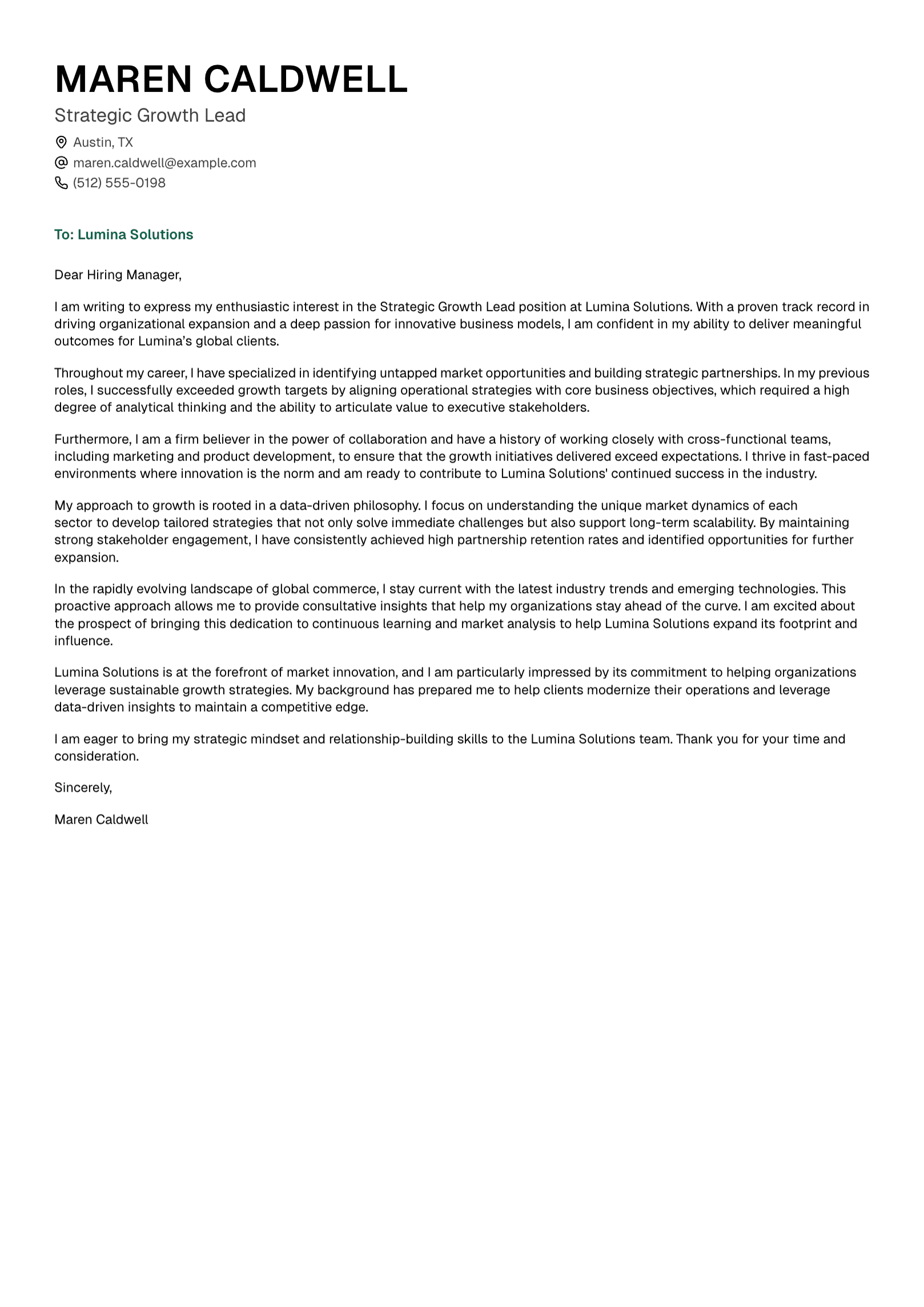
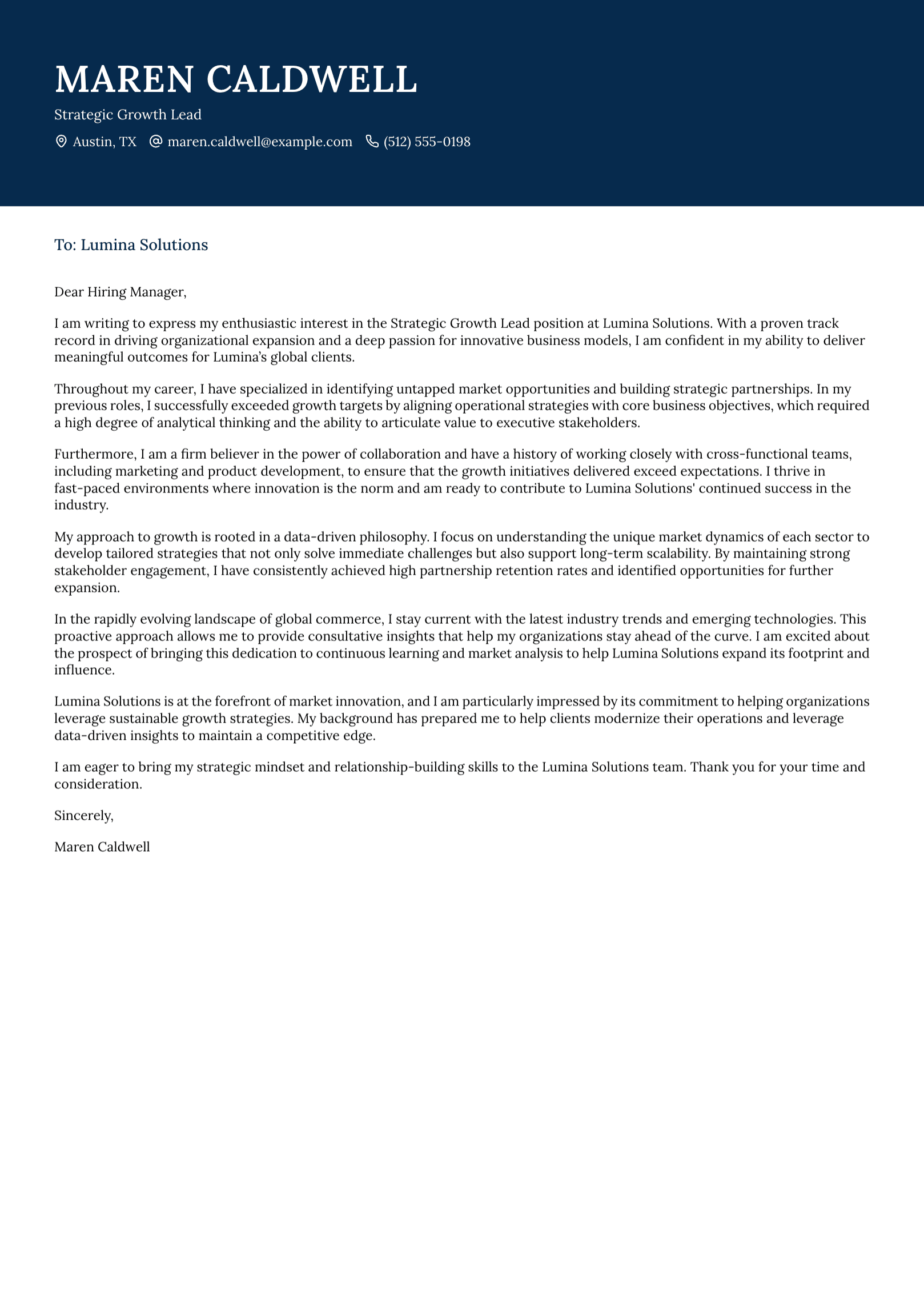
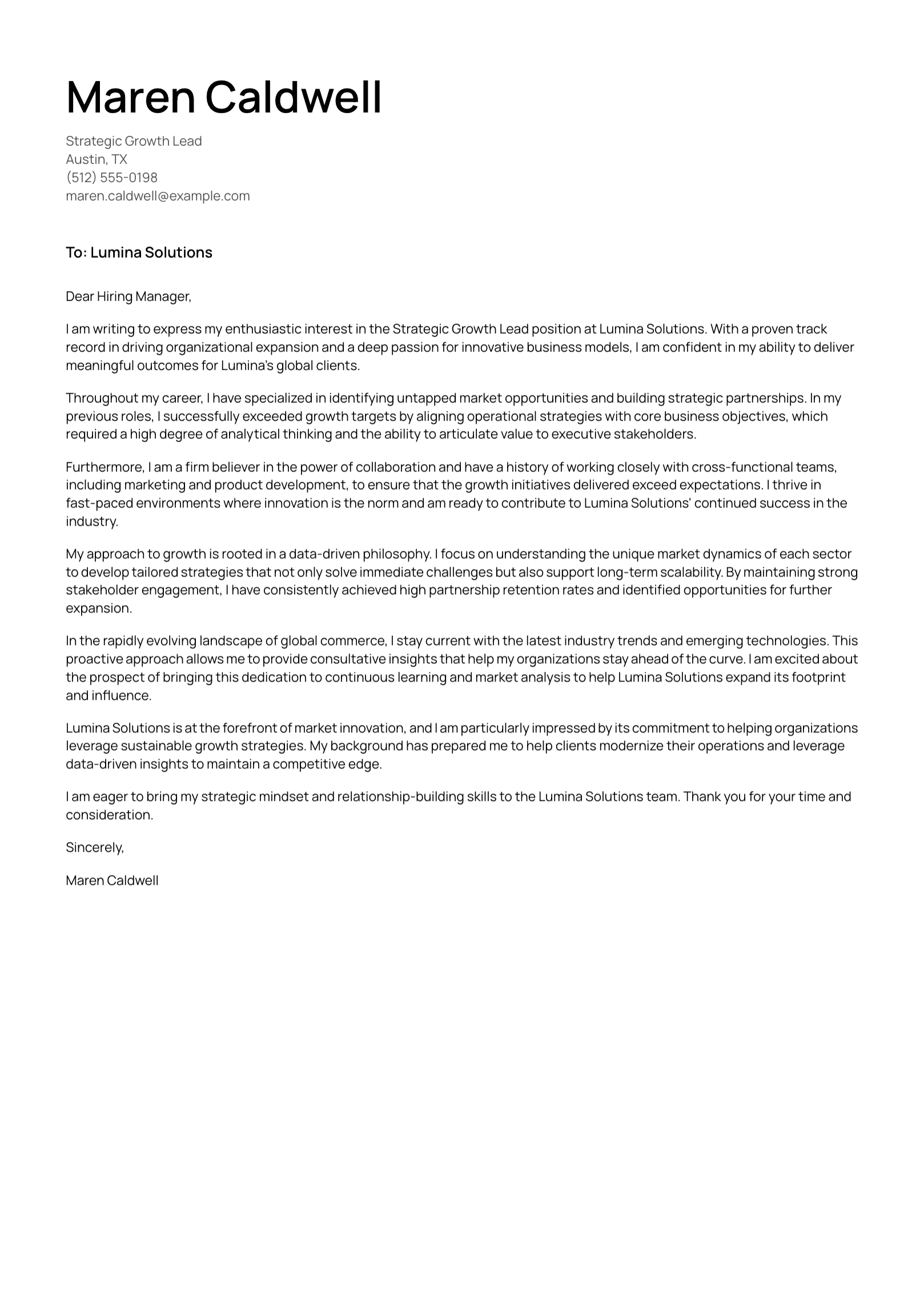
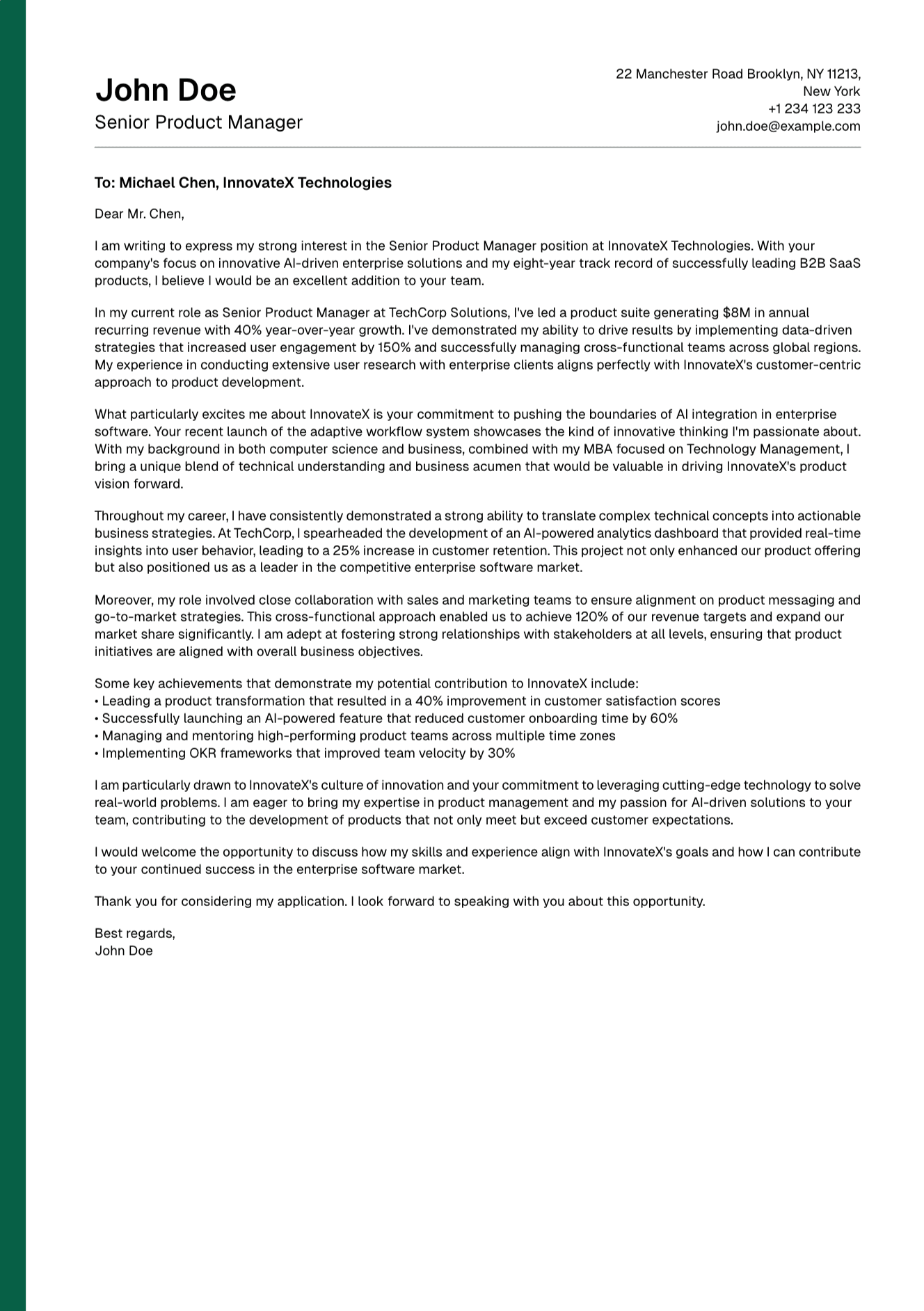
A cover letter becomes easier when the tool already has the resume and posting. It can propose a structure and connect relevant examples with the role.
The candidate still needs to add motivation. Why this work? Why this organization? Why now? These answers often carry emotion, values, or personal judgment that a generic draft cannot supply convincingly.
Keeping the document stable while editing
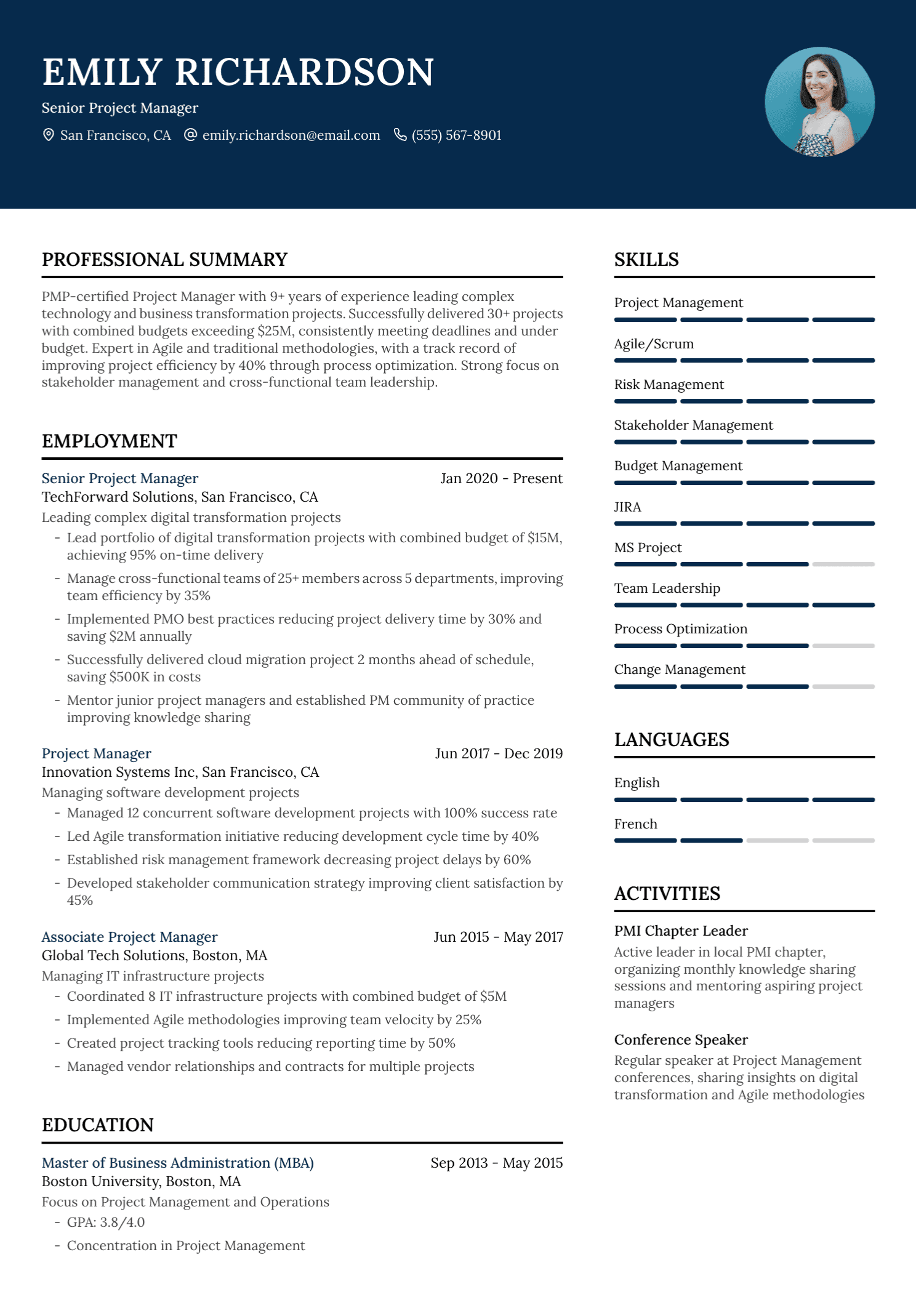
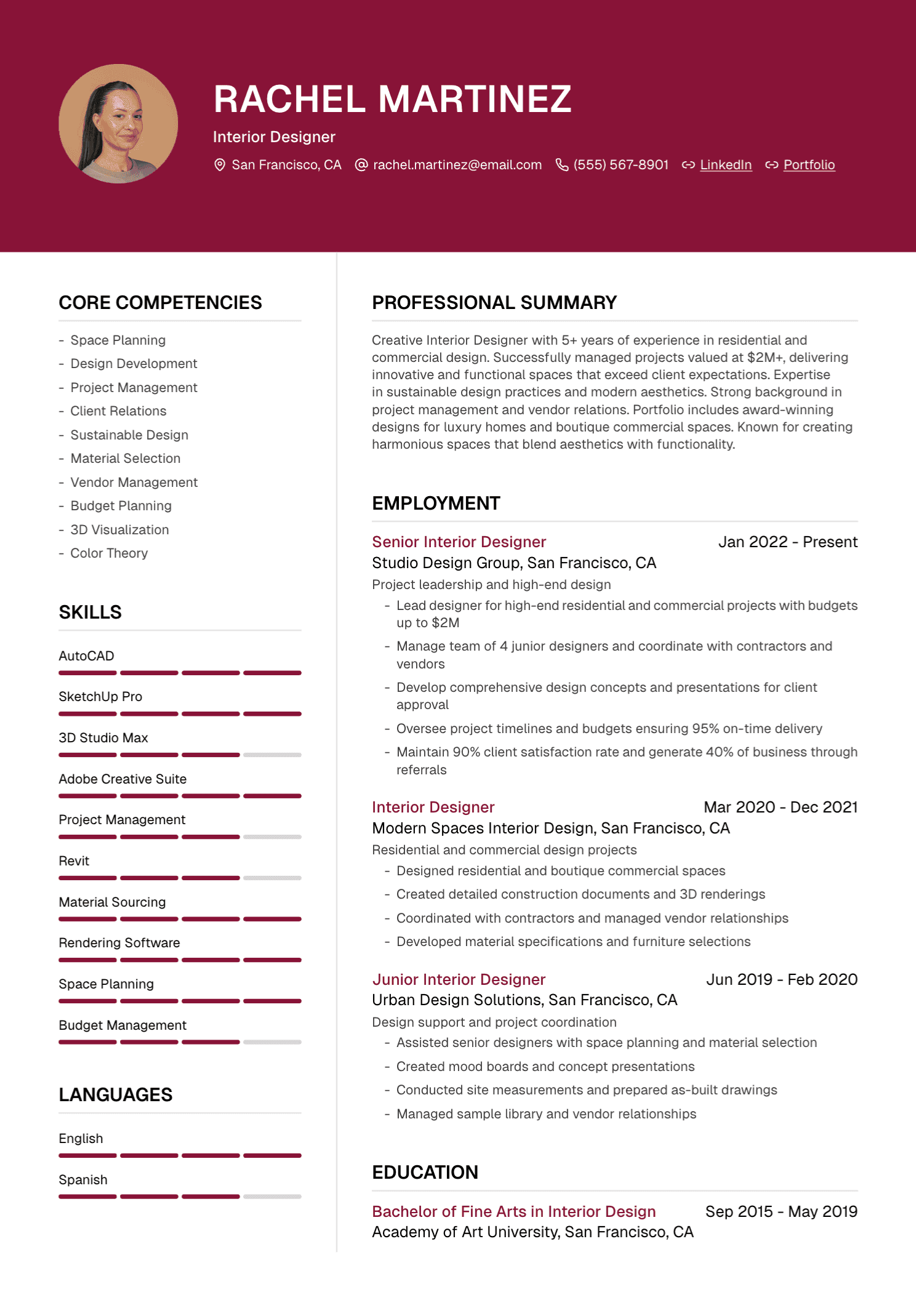
Resume-specific platforms can keep content, templates, versions, and exports in one workflow. This reduces the copying and reformatting that often introduce errors late in the application process.
The Central Risk: Confident Invention
The NIST Generative AI Profile describes confabulation as generated content that presents false or erroneous information with confidence. In resume writing, that can look perfectly reasonable.
Imagine a candidate who writes:
Supported the sales team with customer reporting.
The generated draft says:
Led customer analytics for an enterprise sales team, improving retention by 28%.
The rewrite adds leadership, analytics ownership, customer scale, and a retention result. None appeared in the source. The polished tone makes the sentence feel credible, which is exactly why it requires scrutiny.
A safer draft would preserve the known facts and expose the questions:
Prepared [type/frequency] customer reports for a [size/type] sales team, supporting [verified decision or outcome].
Brackets are useful. They show the candidate where evidence would strengthen the line and keep the missing information visible.
Start With a Career Evidence File
AI performs better when it receives a complete, verified record. Build a document that includes official roles and dates, responsibilities, projects, tools, team or budget scope, customer groups, promotions, awards, and outcomes.
Add metrics with their source. A number from a monthly report carries more confidence than a number reconstructed from memory. When an exact figure is unavailable, describe scale, frequency, audience, complexity, or the practical result.
This evidence file can be longer and rougher than the final resume. It exists to hold the truth of the work.
Give the Tool Clear Boundaries
Broad instructions such as “make my resume impressive” invite broad interpretation. A precise prompt produces a safer draft:
Tailor my resume to this job description using only the facts in my resume and notes. Preserve official titles, employers, dates, qualifications, tools, metrics, and responsibility level. Quote the source for every suggested achievement. Use brackets for missing detail. Flag requirements that have no supporting evidence.
You can also ask the tool to separate three categories: strong matches, partial matches, and gaps. This is far more useful than a mysterious compatibility score.
Review the Draft in Three Different Ways
The factual review comes first. Compare every generated line with the source material. Pay close attention to strong verbs, numbers, superlatives, technical terms, and claims of ownership.
The relevance review comes next. Check whether the upper half of the page reflects the priorities of the role. Remove repetition and give the strongest evidence room to breathe.
The voice review comes last. Read the profile and bullets aloud. AI prose often falls into a smooth, repetitive rhythm. It may rely on inflated verbs, symmetrical sentences, abstract nouns, and polished phrases that say very little. Rewrite any sentence that feels foreign in your mouth.
General Chatbots and Resume-Specific Platforms
A general chatbot offers a flexible conversation. You can explore positioning, ask detailed questions, test several phrasings, and challenge its reasoning. You handle the resume structure, document versions, templates, and final export elsewhere.
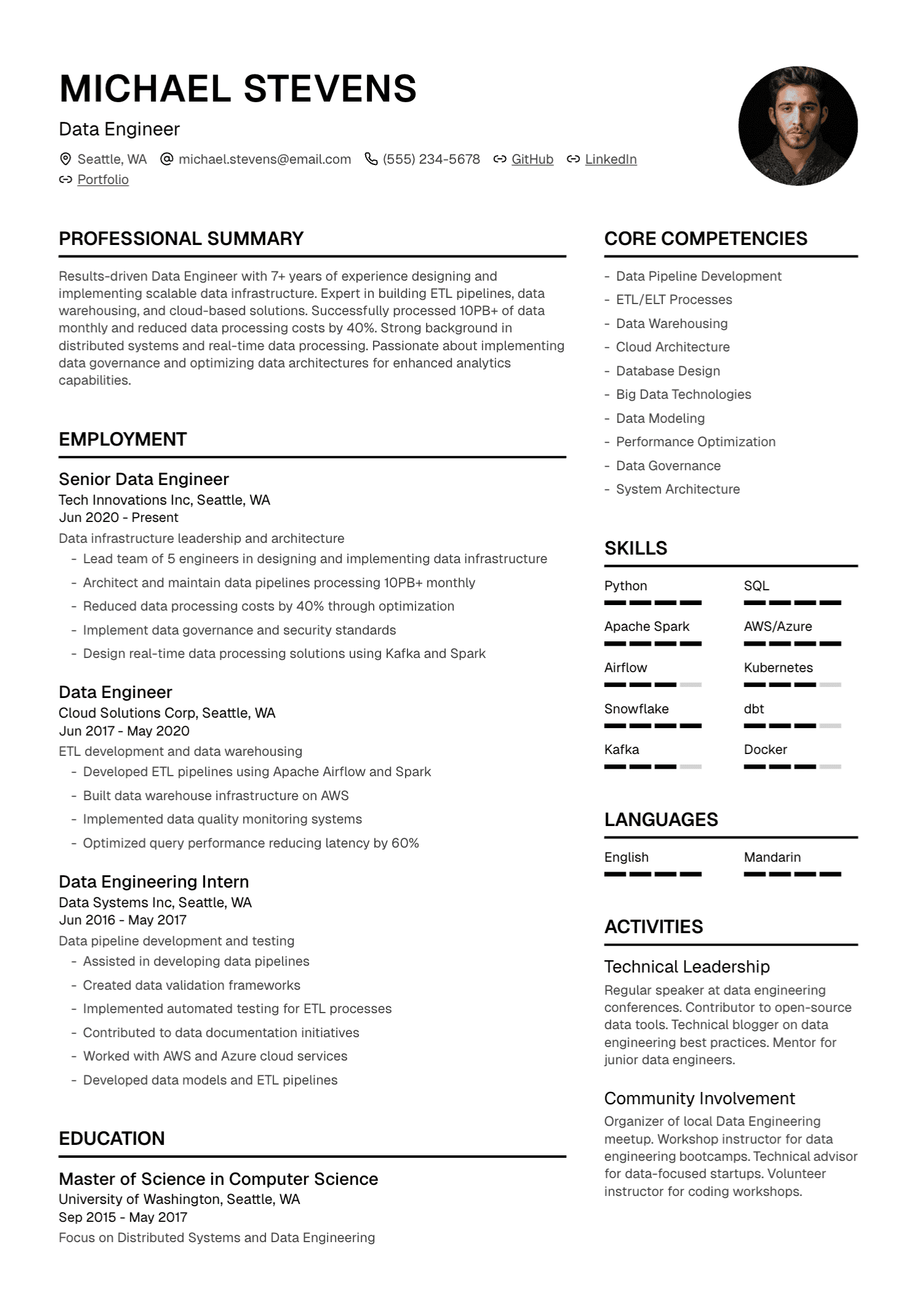
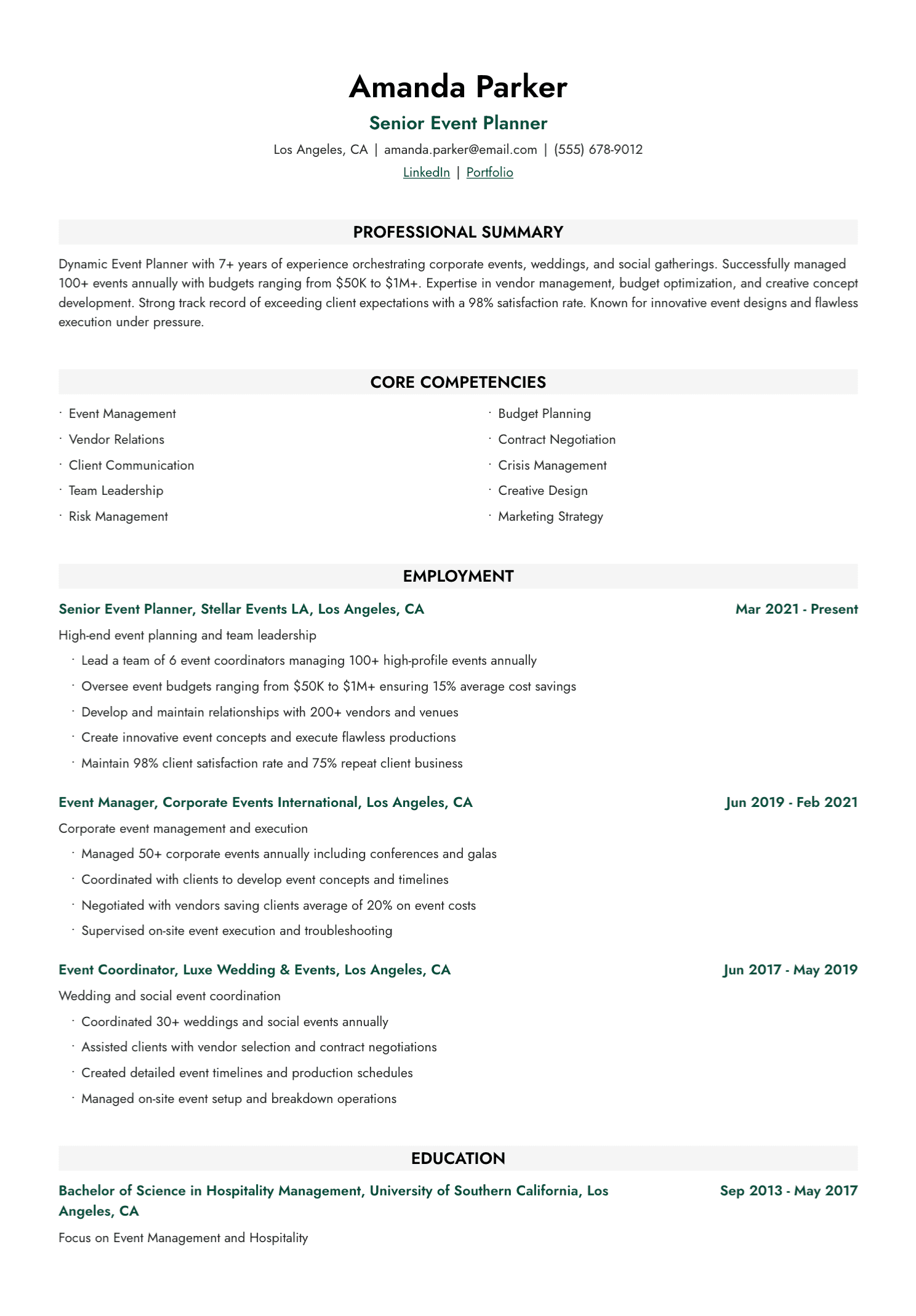
A resume-specific platform places the source resume, target posting, tailored draft, editing, template, and export in one workflow. That can make repeated applications easier to manage.
The better choice depends on how you work. Some candidates want a wide-open drafting space. Others want the document process contained in one place. In either case, look for clear editing control, transparent pricing, sensible privacy terms, reliable import and export, and a way to correct generated content.
ATS Advice Requires Restraint
AI tools often market an “ATS score” or promise an optimized document. Applicant tracking systems vary across employers and vendors, and a tool has limited visibility into each employer's configuration and process.
Focus on what you can inspect. Use clear headings, selectable text, consistent dates, and familiar terminology from the posting when it accurately describes your experience. Copy the final resume into a plain document to check reading order. Follow the employer's requested file type.
A resume platform can support these choices. It cannot guarantee that a recruiter will search for a particular term, move an application forward, or offer an interview.
Protect Your Career Data
A resume contains personal contact details and a detailed employment history. Before uploading it, review the service's privacy information, data-retention choices, deletion process, and terms for handling submitted content.
Remove sensitive identifiers and confidential employer information. Generalize private project details while preserving useful scope. A candidate can describe the size of a budget or customer group without naming restricted accounts.
Use AI Without Losing the Human Story
The best resumes carry judgment. They show which work mattered, how the candidate approached it, and where responsibility grew. AI can help you see patterns and draft language. Your choices give those facts meaning.
If a sentence sounds impressive yet leaves you cold, return to the real moment behind it. What was difficult? Who relied on you? What changed because you were there? Specific answers bring life back into the page.
Where UseResume Fits
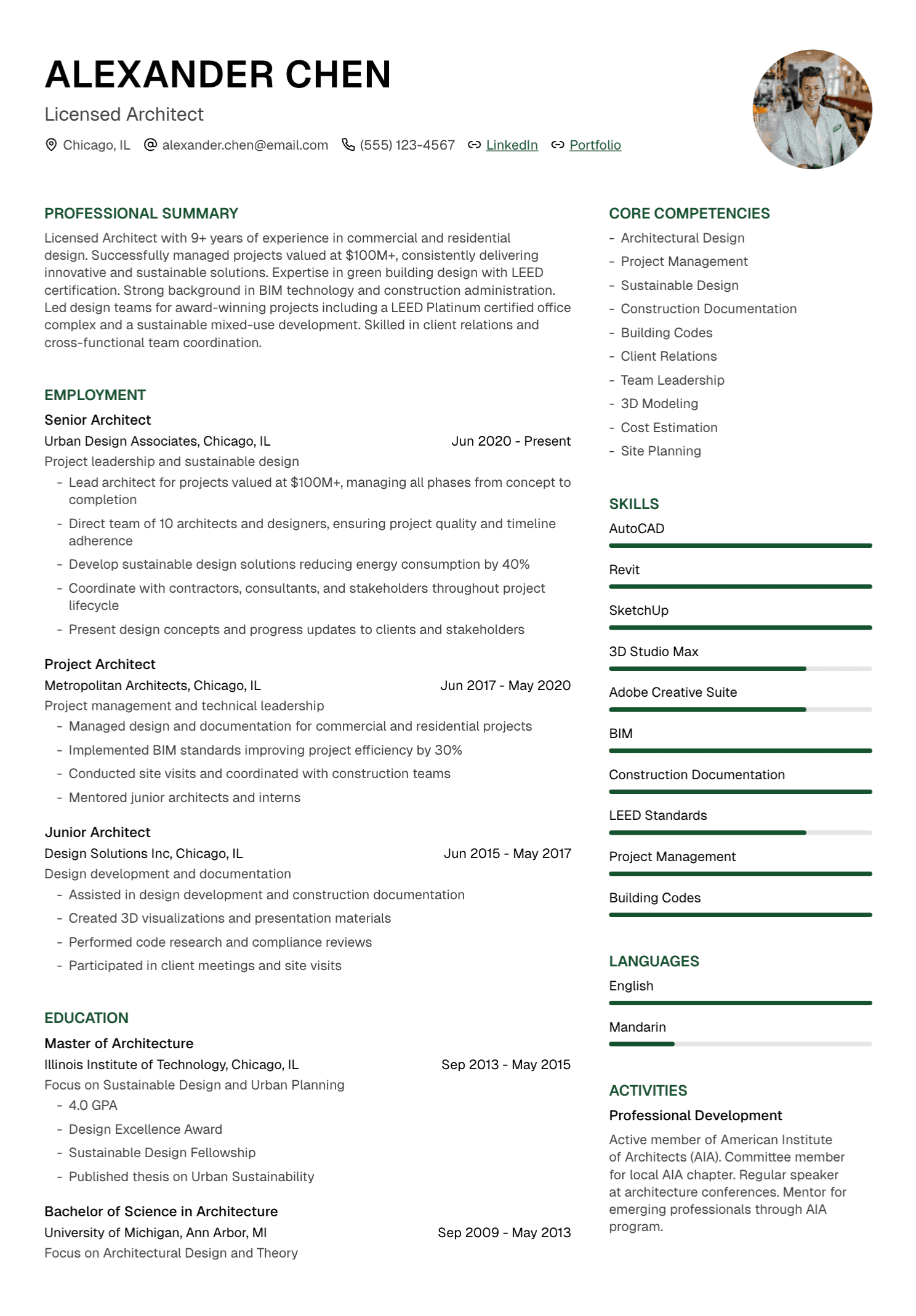
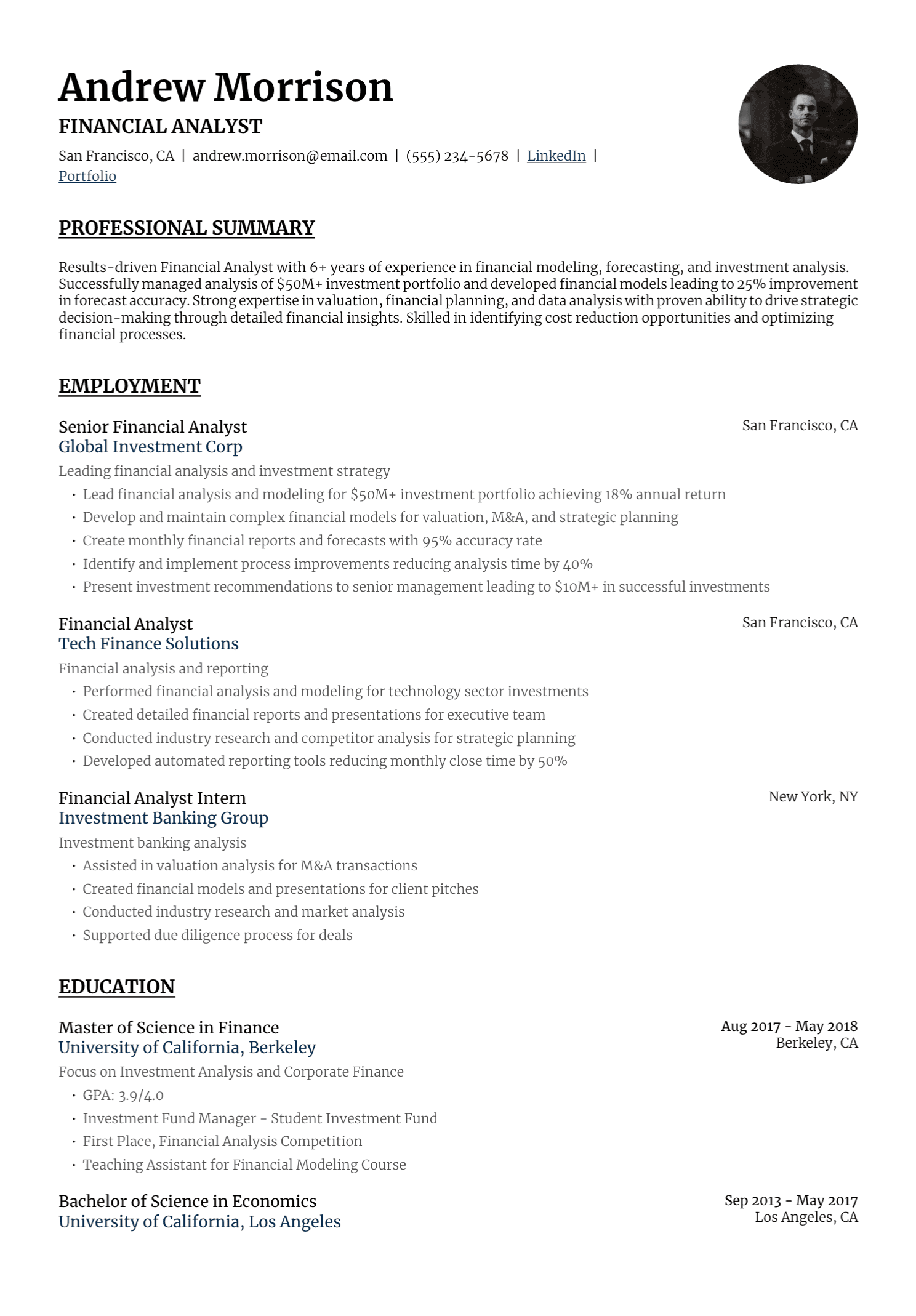
UseResume lets you upload or create a resume, tailor it to a job description, edit the generated version, choose a template, and export a PDF. It also supports cover-letter creation.
Use the generated content as a working draft. Verify every claim, adjust the language until it sounds natural, and keep the final resume aligned with the experience you can discuss in an interview.
The Most Useful Change Is a Better Starting Point
AI has made the first draft easier to reach. That matters. A candidate who felt defeated by the blank page can begin with structure and questions.
The final quality still comes from evidence, judgment, and a careful human edit. Give the tool the truth of your career, then shape the result with the confidence of someone who knows the work from the inside.
Create your account and build a tailored resume you can review and refine in your own voice.
Continue with our guide to AI resume builders and our AI bullet-point workflow.