“Team Player” Tells the Reader Almost Nothing
Teamwork is one of those skills people feel they should mention, then struggle to prove. The result is often a phrase such as “strong team player” sitting in the skills section with no connection to the work below it.
A recruiter learns more from one specific example. Who did you work with? What were you trying to accomplish? What did you personally contribute? How did the group benefit?
Your resume has room for the answer. It rarely has room for a long description of your personality.
Show Your Contribution Inside the Team
A strong teamwork bullet usually contains four pieces of information: the shared objective, the people or functions involved, your contribution, and the outcome. You can include all four in one sentence when the source material supports them.
Imagine these source notes:
Worked with product, support, and engineering during a customer-onboarding problem. I collected the recurring support issues, ran the weekly meeting, and documented the agreed changes. The revised process reduced repeat questions, though we never measured the percentage.
A credible resume bullet could read:
Facilitated weekly reviews with product, support, and engineering, turning recurring onboarding issues into agreed process changes and clearer customer guidance.
The bullet shows facilitation, cross-functional communication, and follow-through. It also respects the missing metric.
Start With What You Actually Did
Words such as collaborated, partnered, coordinated, facilitated, advised, supported, coached, and led carry different meanings. Choose the verb that reflects your role.
“Collaborated with” works when responsibility was genuinely shared. “Coordinated” suggests you organized people, timing, or information. “Facilitated” suits a meeting or decision process. “Led” signals ownership and direction. “Supported” is accurate when another person owned the work and your contribution helped it succeed.
Support is valuable. Inflating it into leadership creates a credibility problem. Senior writing comes from precision, because a precise candidate understands the boundaries of her own work.
Give the Team Enough Context
The word “team” can mean two colleagues in the same office or thirty specialists across five countries. Add context when it helps the reader understand complexity.
You might name the functions involved: finance, legal, operations, design, nursing, engineering, or sales. You can mention the number of people, regions, sites, or external partners when those facts are verified. For distributed work, explain the coordination challenge or method only when it mattered to the result.
Tools such as Slack, Teams, Jira, or Asana may belong in the bullet when the role specifically values them. Simply naming a communication platform provides weak evidence of collaboration. The work completed through it carries the story.
Use Outcomes the Whole Team Can Defend
Team outcomes can include a finished launch, a shorter handover, fewer errors, a resolved client issue, an approved decision, a safer process, or a stronger piece of work. Add a metric when you know how it was measured.
If the result belongs to the group, phrase your contribution honestly:
Partnered with sales and implementation colleagues to revise the client handover, contributing account documentation and training notes for a successful regional rollout.
This sentence gives the candidate credit for her work and keeps the rollout as a shared achievement.
A metric can still appear when attribution is clear:
Coordinated the content calendar across design, editorial, and regional marketing teams, helping the group publish 24 localized campaign assets by launch day.
The number measures delivered work. It makes no unsupported claim about revenue, engagement, or the candidate's sole impact.
Teamwork in Different Resume Sections
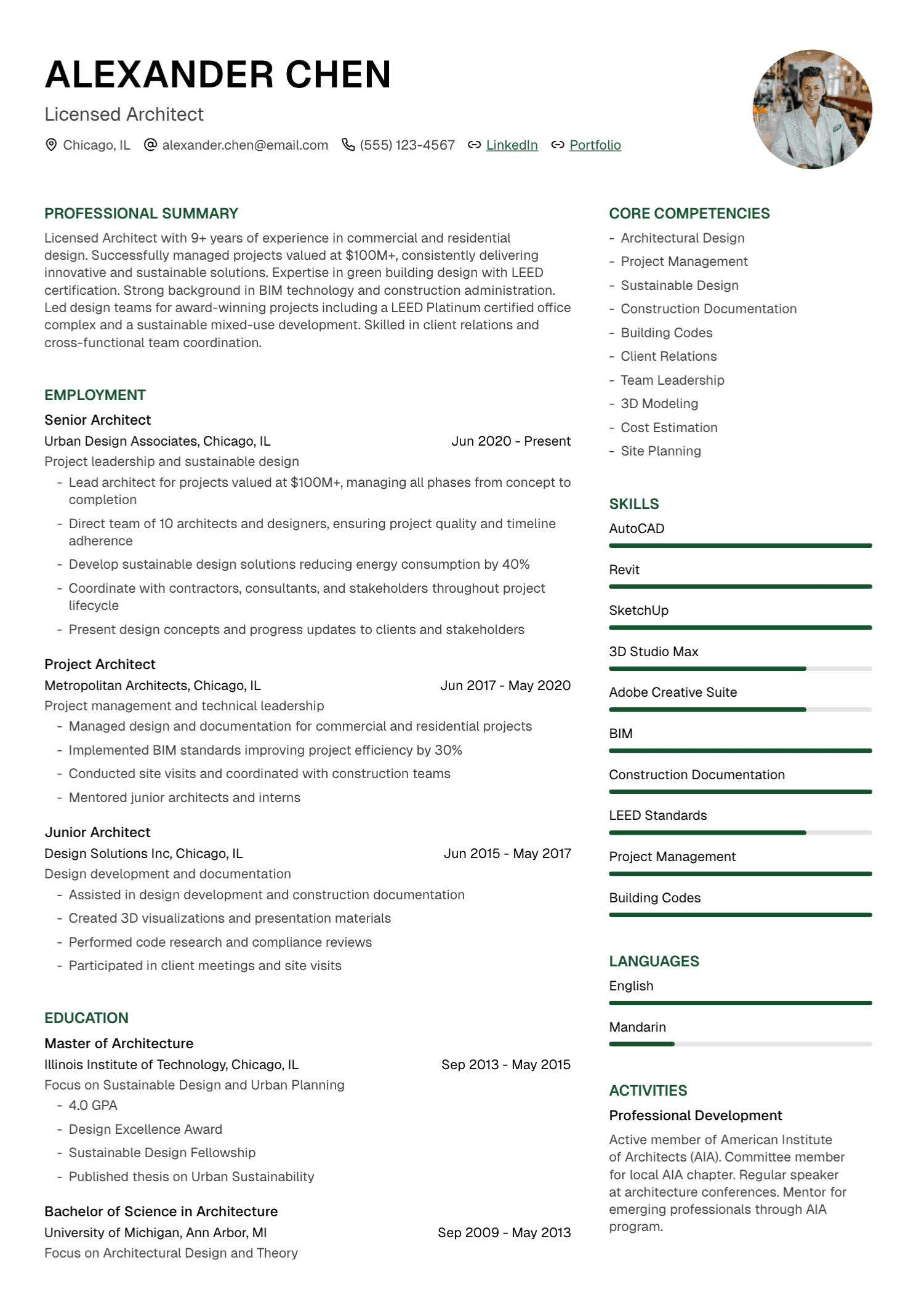
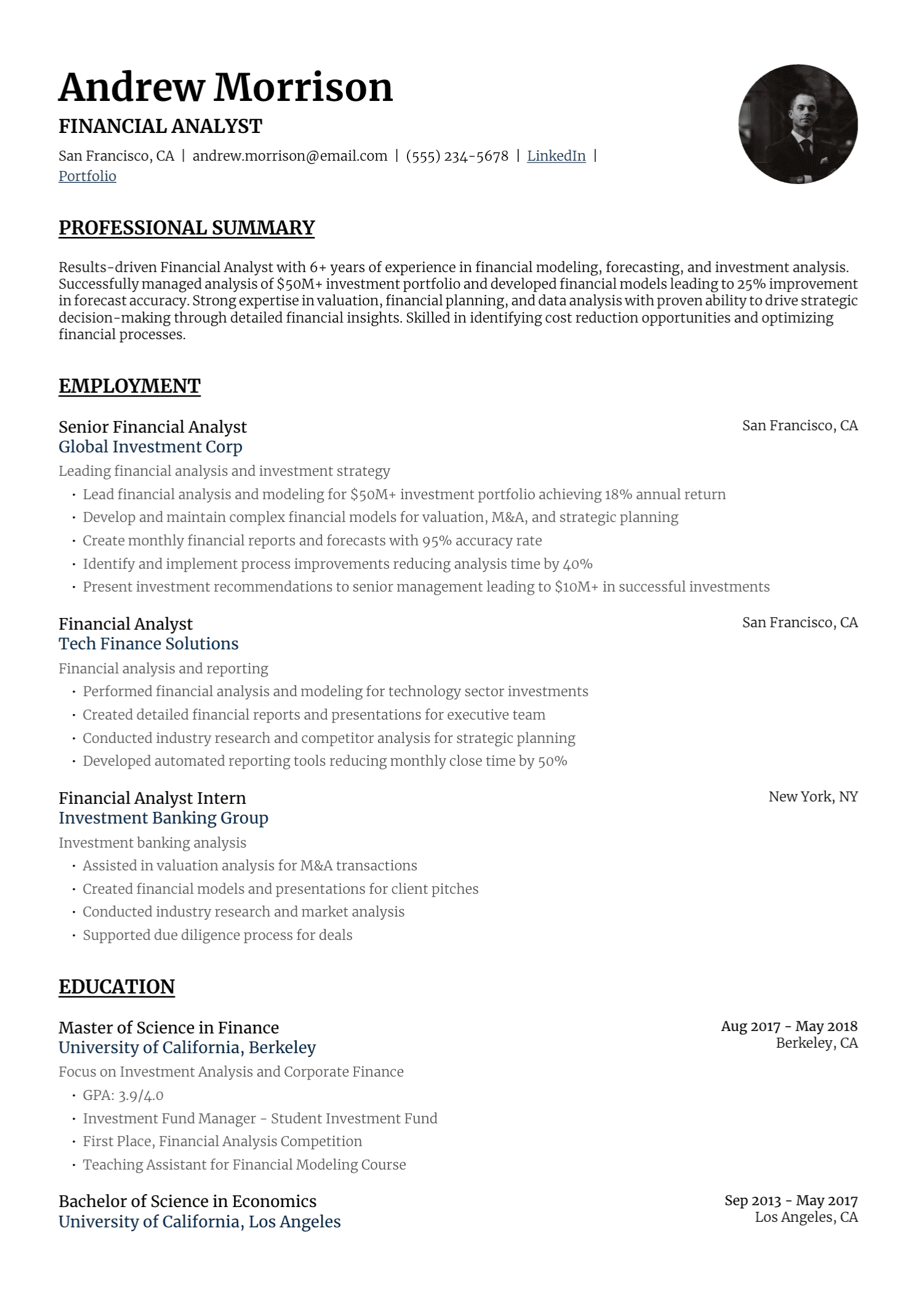
Your experience section offers the strongest evidence. Two or three well-chosen bullets across recent roles can show how you communicate, coordinate, resolve problems, and support delivery.
The profile can introduce collaboration when it defines your professional value. For example:
Program manager experienced in coordinating product, operations, and commercial teams through complex service launches across European markets.
The skills section should use specific language connected with the target role. Cross-functional delivery, stakeholder facilitation, interdisciplinary care coordination, pair programming, and vendor management all tell the reader more than teamwork alone.
Projects, volunteering, and education can carry the evidence for early-career candidates. Name your individual contribution to the group project so the reader can separate your work from the final team result.
Read the Job Description for Collaboration Clues
Employers often describe teamwork through verbs. Look for phrases such as “partners with,” “works across,” “coordinates,” “advises,” “supports,” “builds consensus,” or “manages stakeholders.” Reporting lines and shared responsibilities also reveal how the role interacts with others.
Choose examples that mirror the collaboration itself. A matrix role calls for evidence of influence across functions. A clinical role may need careful handovers and interdisciplinary communication. An engineering role may value reviews, shared ownership, and clear work with product or quality teams.
Use the employer's term when it accurately describes your experience. Keywords work best when the surrounding sentence proves them.
Examples for Common Teamwork Situations
The examples below are hypothetical. Replace every detail with verified information from your own work.
Cross-functional delivery
Coordinated finance, operations, and customer-support input for the new billing workflow, documenting decisions and preparing the team for launch.
Knowledge sharing
Created a troubleshooting guide with two senior technicians and used it to train six new team members during onboarding.
Conflict or disagreement
Facilitated a planning session between sales and delivery after repeated scope disputes, clarifying ownership and agreeing on a single client-handover process.
Remote collaboration
Managed weekly handovers across teams in Zurich, London, and Singapore, maintaining decision records and clear owners for open actions.
Supporting a colleague
Took over customer updates during a colleague's extended absence and documented account status to keep service issues moving.
Shared improvement work
Worked with nurses, pharmacists, and administrators to revise discharge instructions and standardize the information given to patients.
Each sentence describes observable behavior. Add scale or results only when your records support them.
Write About Conflict With Maturity
Good teamwork includes disagreement. A resume can show that you handled it well without turning colleagues into villains.
Focus on the professional issue, your action, and the constructive resolution. “Resolved tension between difficult departments” sounds judgmental and vague. A sentence about clarifying decision rights, aligning requirements, or mediating priorities gives the reader useful evidence.
Save the emotional detail for an interview, where you can explain the context with care. The resume needs the shape of the achievement.
Common Ways Candidates Weaken the Evidence
Generic claims are the first problem. “Excellent collaborator” asks the reader to trust an adjective. A concrete example earns that trust.
The second problem is claiming a team result as a solo achievement. Name your own contribution and credit shared work accurately. Recruiters often explore major achievements in detail, and a balanced explanation sounds confident.
Invented metrics cause another avoidable problem. A team may know that a new process felt smoother without having tracked time or error rates. Describe the delivered change or verified scope and leave the fictional percentage out.
Finally, some bullets become crowded with every person, meeting, and tool involved. Keep the details that explain complexity or value. The reader needs a clear sentence. Full project minutes belong elsewhere.
Use AI to Ask Better Questions
AI can help uncover teamwork evidence when you give it raw notes. Try this prompt:
Review these project notes and ask me one question at a time about the shared objective, people involved, my personal contribution, difficult moments, and verified outcome. Then draft three concise resume bullets using only my answers. Preserve the difference between work I led, work I coordinated, and work I supported.
Compare each draft with your notes. AI can promote participation into ownership or assign the whole team's result to one person. Correct those shifts before the wording becomes familiar.
Where UseResume Fits
UseResume lets you upload or create a resume, add a job description, generate a tailored draft, edit the content, choose a template, and export a PDF. You can use that workflow to bring relevant teamwork examples forward for a specific role.
Review the generated language closely. Keep the verb aligned with your responsibility, confirm every metric, and make sure the team receives fair credit.
Let the Work Prove the Skill
A person who collaborates well usually has stories about shared pressure, useful conversations, recovered projects, and people who could rely on her. Those stories contain far stronger material than a list of teamwork adjectives.
Choose the moments that fit the role. Describe your part with clarity. Give the reader enough detail to imagine working with you.
Build a focused version with the AI resume builder, then review every teamwork claim in the resume checker.
Continue with our guide to describing work ethic and our advice on writing a strong resume profile.