Your Profile Should Give the Reader a Useful Frame
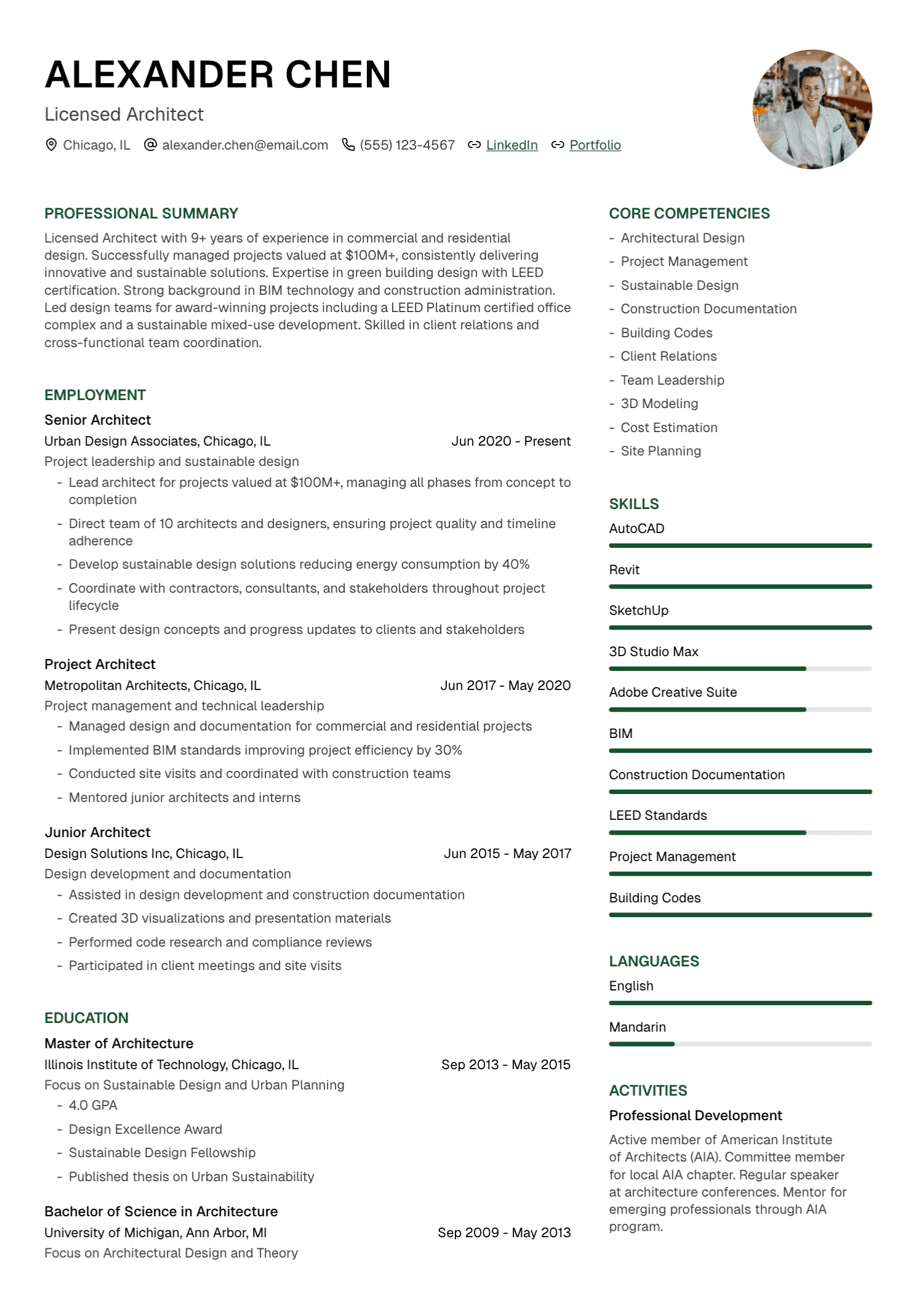
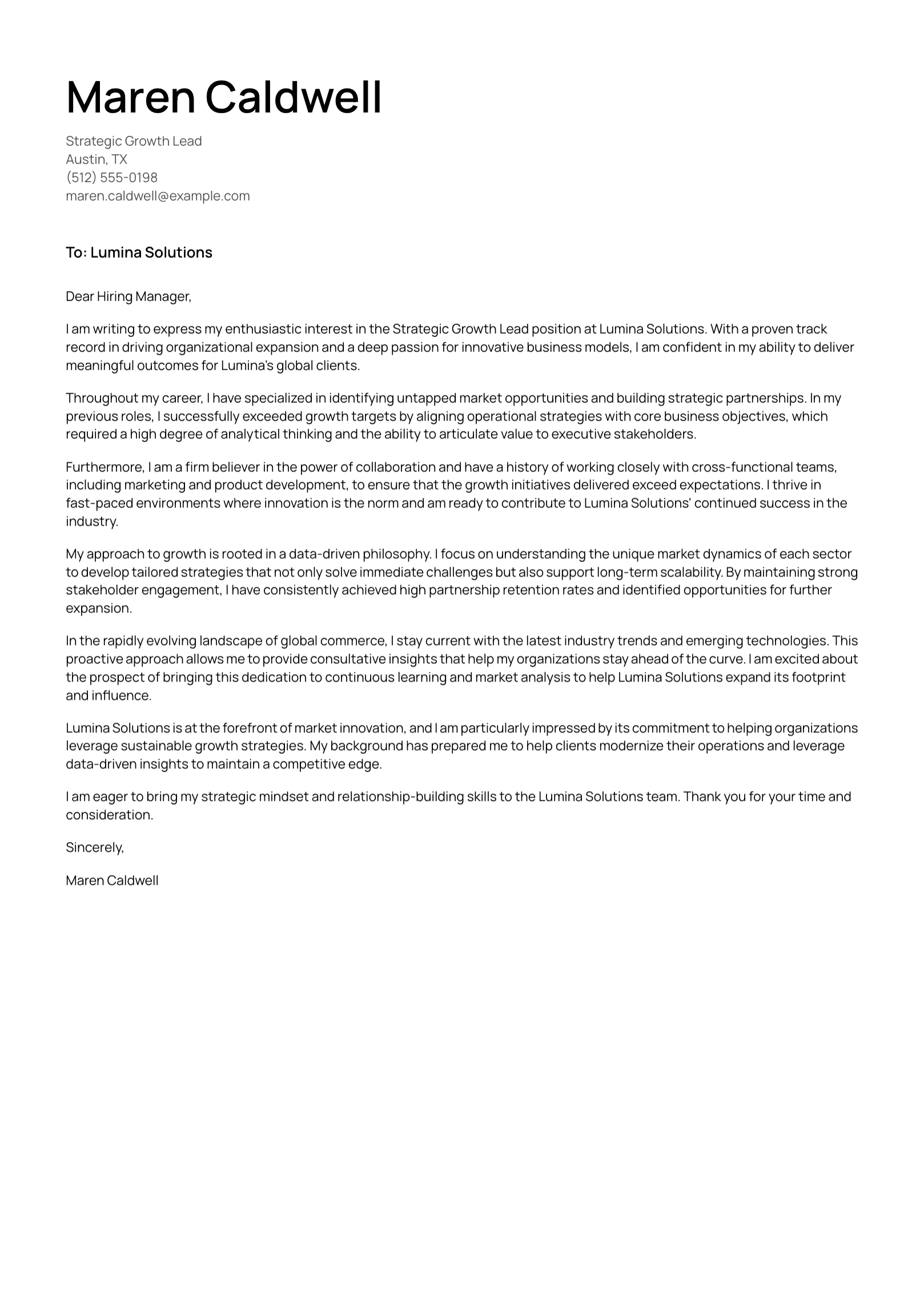
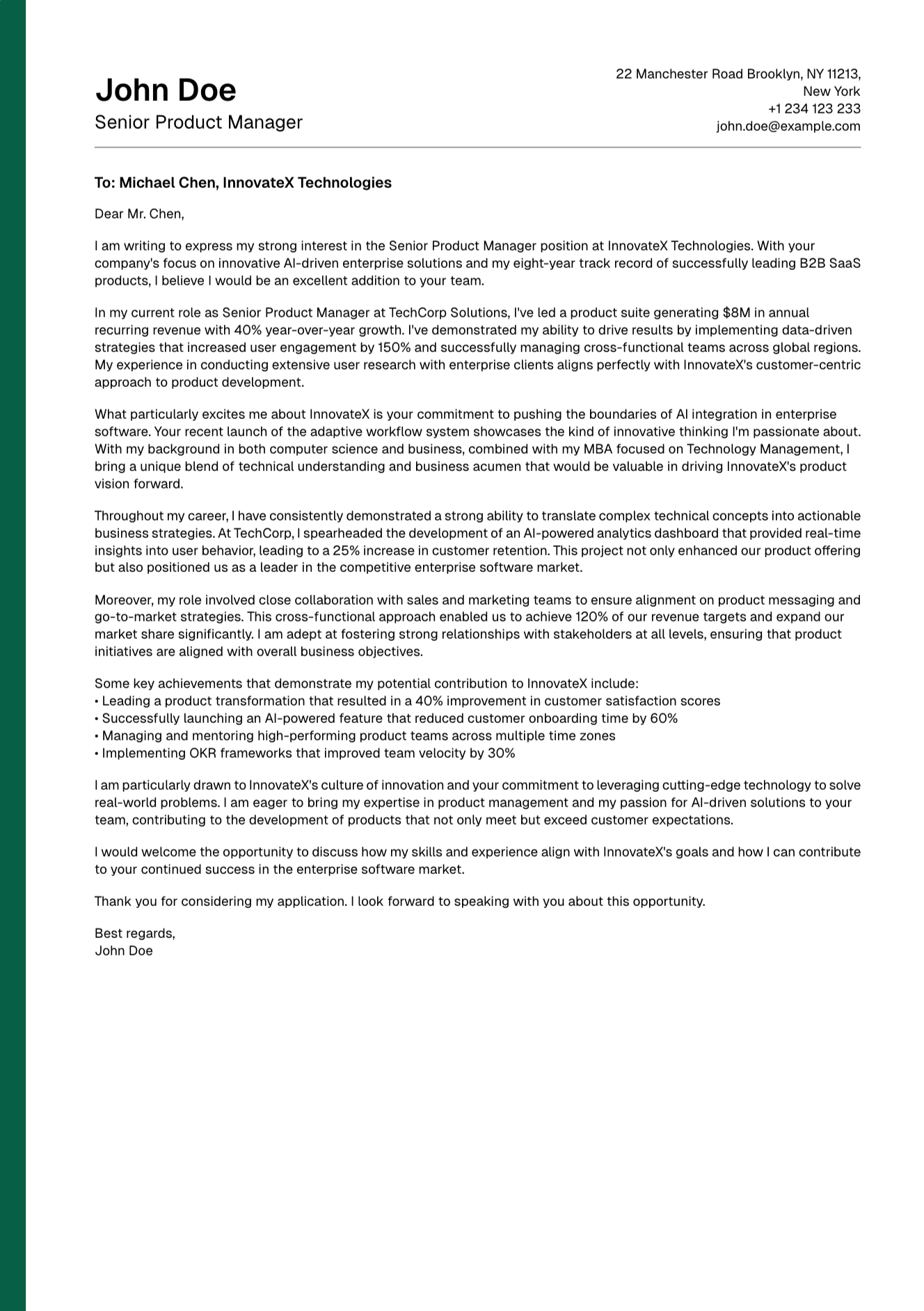
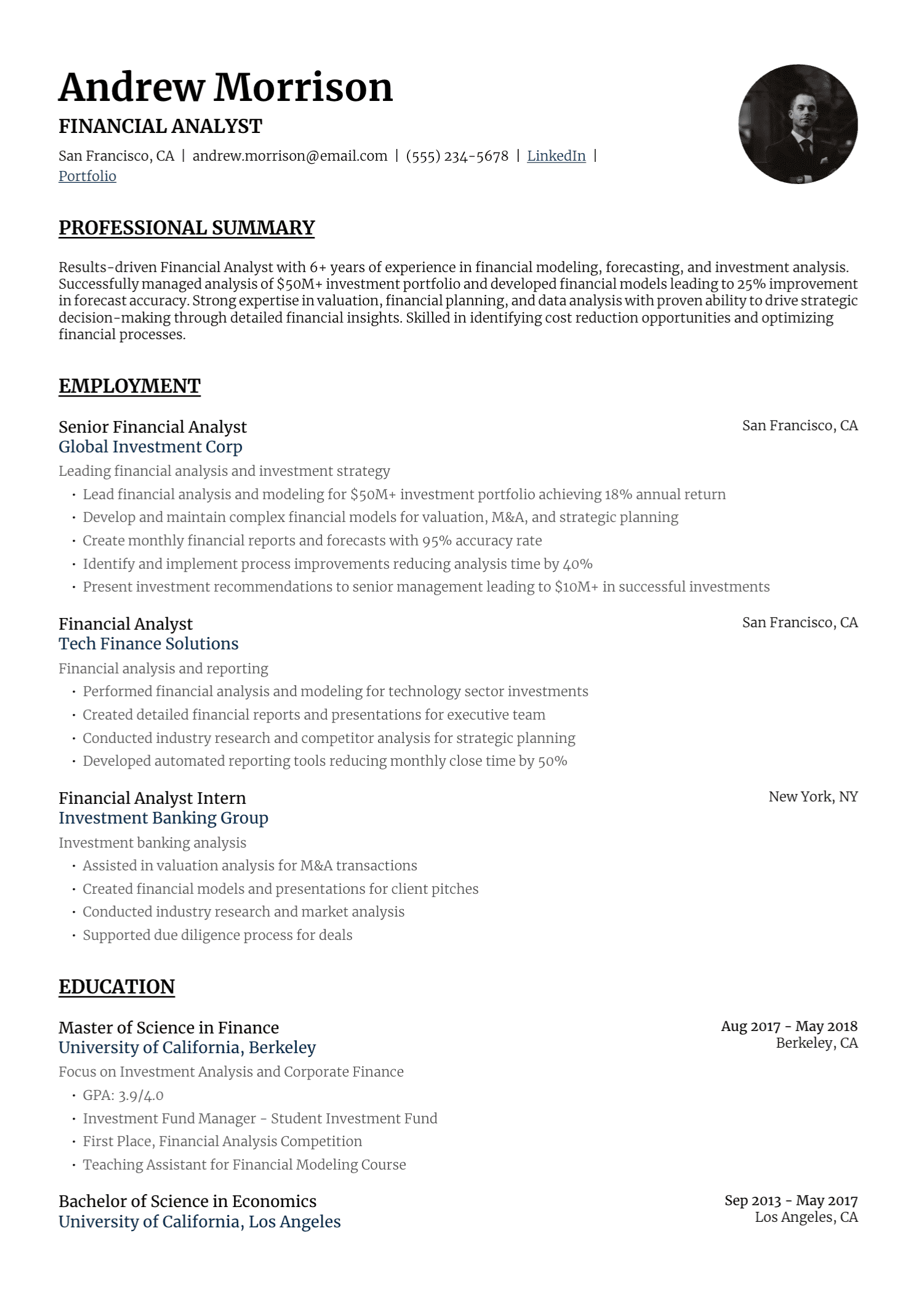
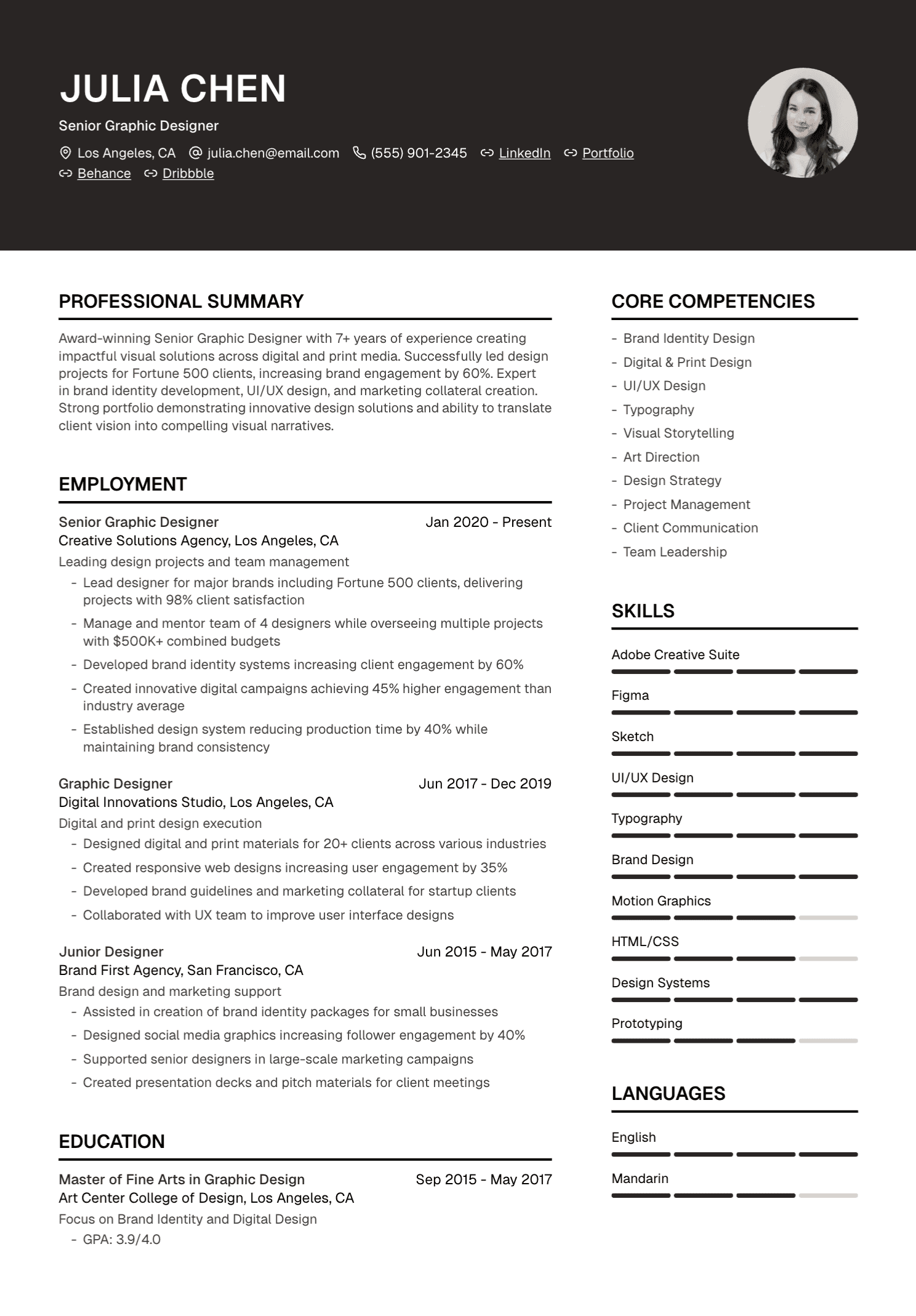
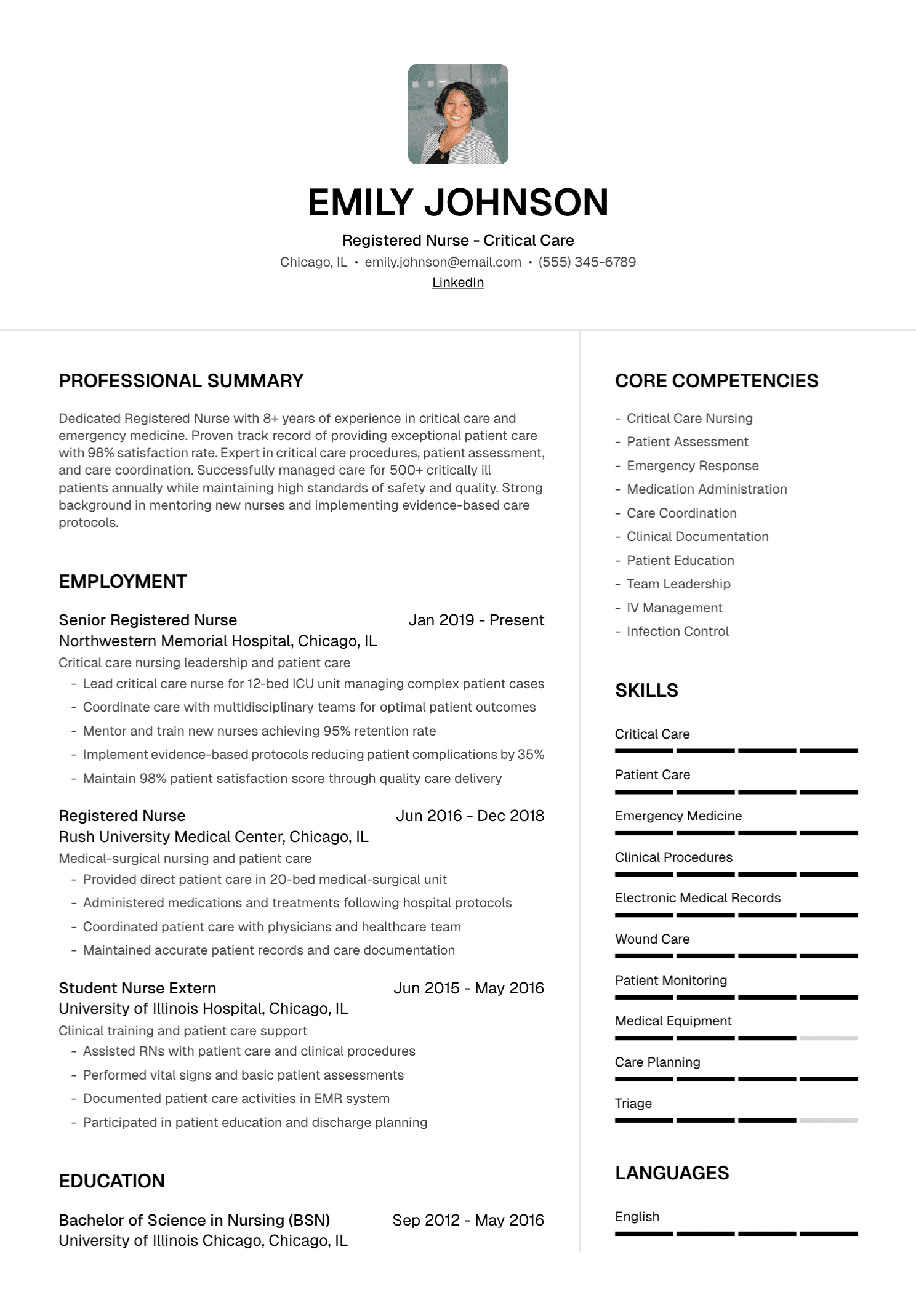
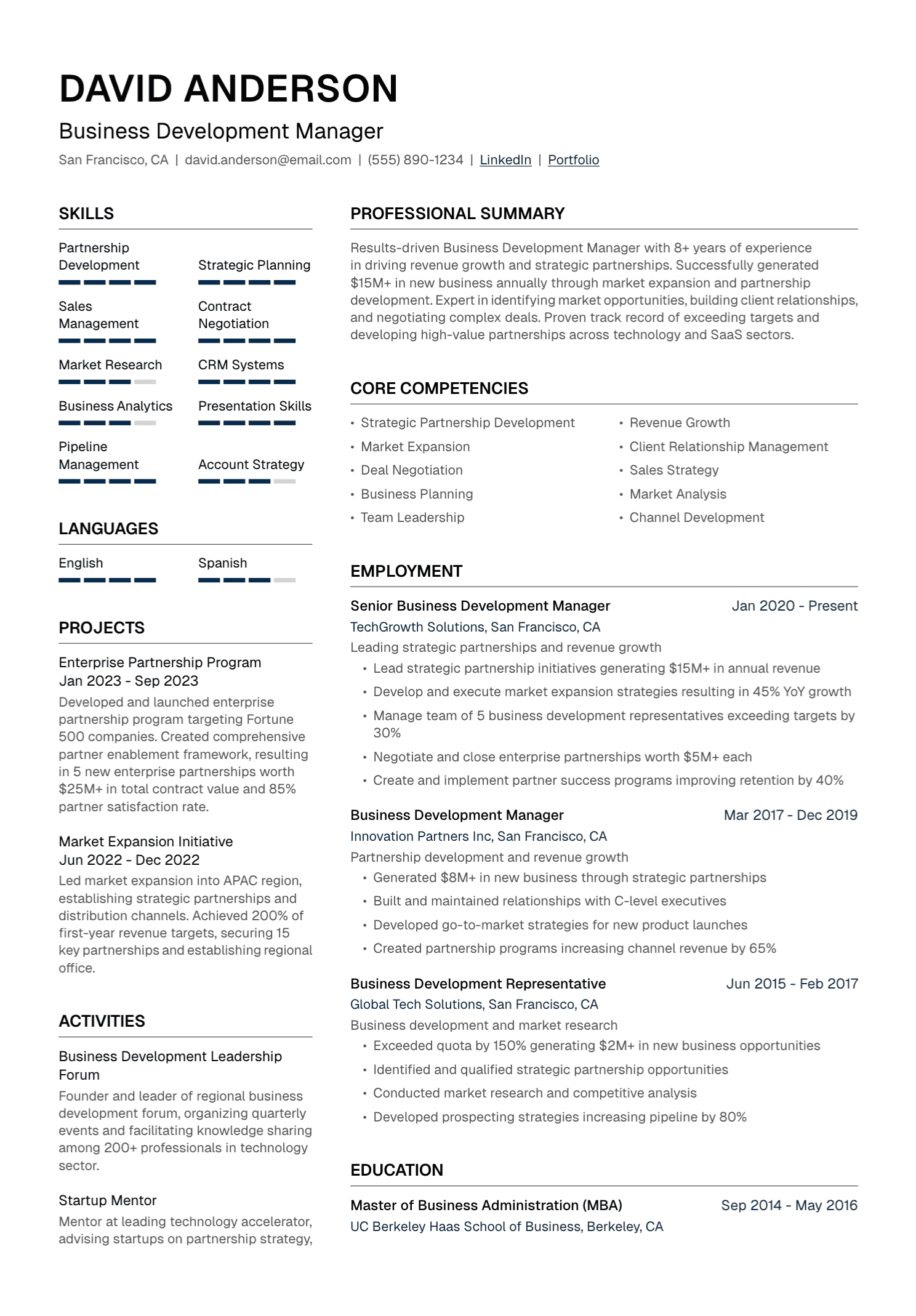
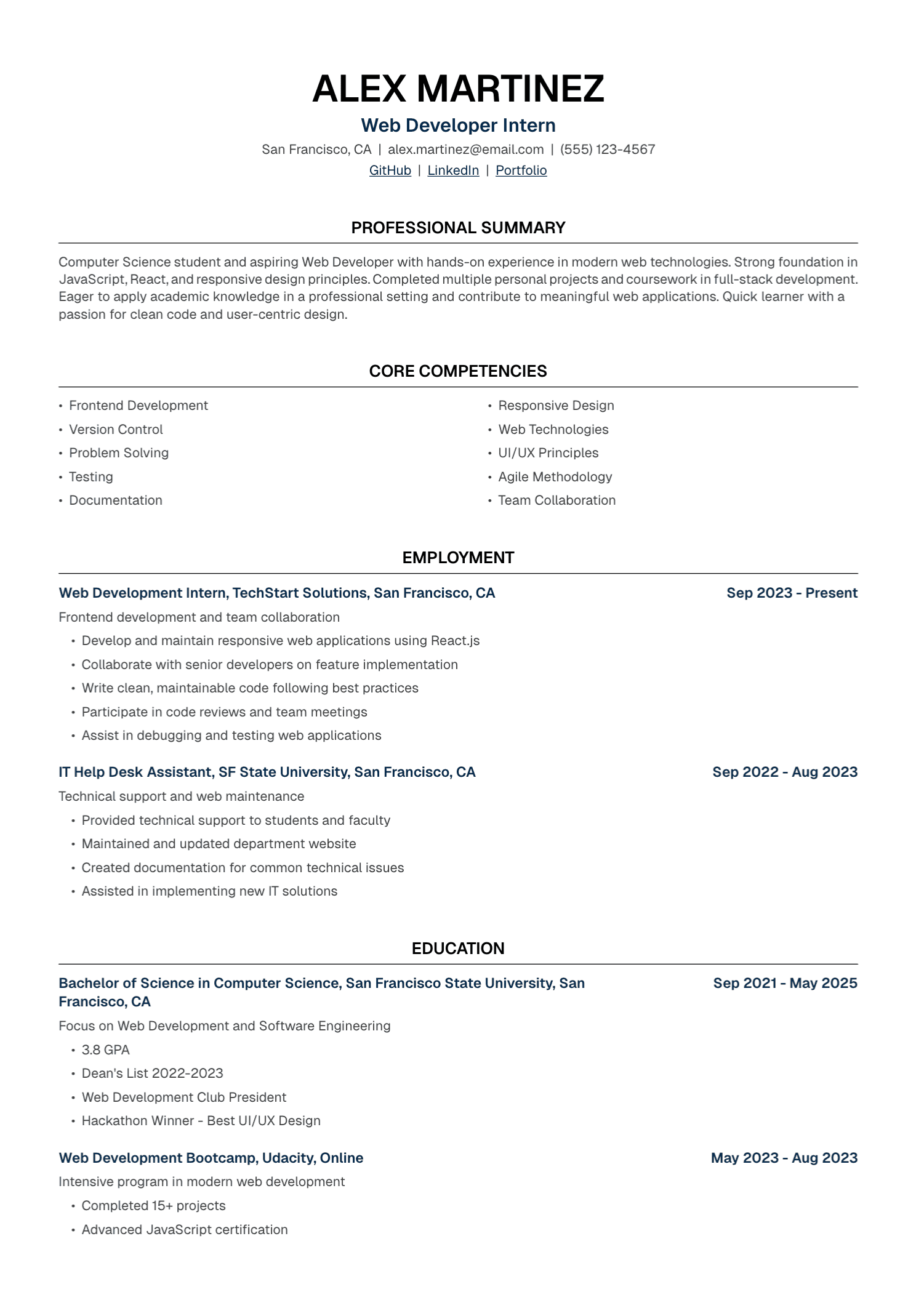
A resume profile sits in valuable space. In two or three sentences, it should help the reader understand what kind of professional you are, where your experience is strongest, and why the rest of the page is relevant to this role.
Generic praise wastes that space. “Results-driven professional with excellent communication skills” could describe thousands of people. A specific field, audience, product, method, or result gives the reader something real.
The profile also sets the tone. Calm, precise language makes a stronger introduction than a row of superlatives.
Decide Whether You Need One
A profile is useful when your title alone leaves important context hidden. It can clarify a career change, connect several areas of experience, establish a technical specialty, or introduce the scale of a senior role.
An early-career candidate may use a short profile to connect education, projects, and a target direction. An experienced candidate can use it to define domain and level. A career changer can explain the bridge in one honest sentence.
Skip the profile when it merely repeats the target title or pushes stronger evidence down the page. A resume can begin with Experience, Education, Projects, or Technical Skills when one of those sections makes the case faster.
Gather the Facts Before Writing
Choose four or five pieces of evidence from the resume: your current professional identity, years or depth of experience when useful, industry or domain, strongest relevant capabilities, and one meaningful scope or result.
Then read the job description. Which part of your background answers the employer's central need? The profile should introduce that connection without copying the vacancy.
Keep every claim traceable to the resume. If you call yourself a product leader, the work history should show product responsibility and leadership. If you mention revenue growth, the relevant role should contain the verified number and your contribution.
A Simple Profile Framework
Start with your professional identity and context. Add two or three relevant strengths. Finish with scope, evidence, or a clear target when the direction needs explanation.
The structure might look like this:
[Professional identity] with experience in [domain or environment]. Strongest in [relevant capability], [relevant capability], and [relevant capability], with evidence including [verified scope or result].
Remove any part that makes the sentence feel mechanical. Aim for a professional introduction with a natural rhythm.
Write the First Line With Specificity
Compare these openings:
Experienced marketing professional with a proven track record of success.
B2B marketing manager experienced in demand generation, lifecycle campaigns, and sales alignment for enterprise software.
The second line gives the reader function, market, methods, and product context. It makes no claim about performance yet. A verified result can follow.
Avoid opening with “I.” Resume profiles typically use an implied first person, which keeps the section concise.
Choose One or Two Defining Details
The profile cannot carry your whole career. Select details that change how the reader understands you.
A team size may matter for a people leader. Assets under management may matter in investment roles. Patient setting and specialty may matter in healthcare. Product scale, architecture, or technical stack may matter in engineering. Region and regulatory environment may matter in compliance.
Use a metric only when you can explain its source and relevance. A number added for decoration creates more questions than value.
Hypothetical Resume Profile Examples
Every example below is hypothetical. Replace the facts, tools, fields, and results with verified details from your own background.
Experienced operations professional
Operations manager with seven years of experience coordinating multi-site service teams, vendor performance, workforce planning, and process improvement. Managed day-to-day operations across four locations and led a verified billing-workflow change that reduced weekly preparation time by four hours.
Early-career data analyst
Statistics graduate with project experience in SQL, Python, regression analysis, and data visualization. Built a capstone analysis of public transport delays and presented findings to a faculty and industry panel.
The phrase “project experience” keeps the context accurate. It avoids presenting academic work as several years of employment.
Teacher moving into customer education
Educator with eight years of experience designing learning materials, facilitating live instruction, and using assessment data to improve delivery across varied learner groups. Pursuing customer education roles in B2B software, with particular strength in onboarding content and complex-topic communication.
This profile states the target openly and carries established skills forward.
Software engineer
Backend software engineer experienced in Python, PostgreSQL, distributed services, and production observability for financial applications. Led the migration of three internal services and supported on-call reliability across a six-person platform team.
Senior people leader
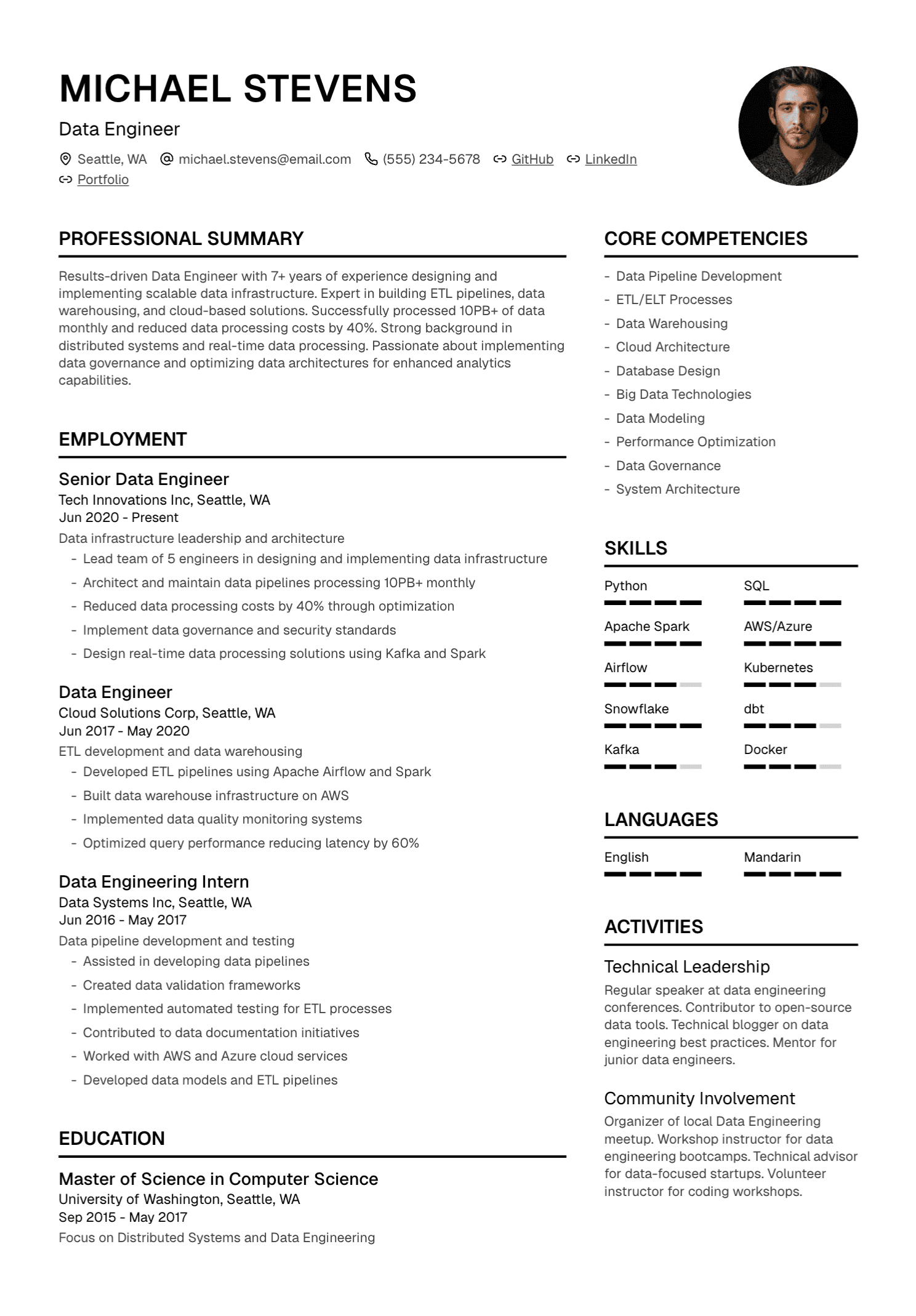
Customer-success executive with experience leading enterprise account teams through renewal, expansion, and service transformation. Built and managed a 24-person regional organization supporting strategic customers across Europe.
The strongest senior profiles show scope and domain without filling every line with leadership adjectives.
Profiles for Career Changes
A career-change profile should name the foundation, show the transferable evidence, and clarify the new direction.
Avoid disguising the old career behind the new title. A teacher pursuing learning design remains an educator with relevant design and facilitation experience until she has held the new role.
A focused target sounds confident when it follows credible preparation. Mention a relevant project, course, certification, or applied responsibility when it strengthens the bridge.
Profiles for Recent Graduates
Lead with the degree, discipline, or practical focus, then add projects, tools, internships, or part-time work that connect with the role.
“Aspiring professional” and “passionate graduate” add little by themselves. The subject studied, work completed, and direction pursued give the reader a clearer picture.
Keep the level honest. Academic exposure, project use, and professional proficiency describe different depth.
Tailor the Profile for Each Serious Application
Tailoring changes emphasis. A project manager might foreground vendor coordination for one role and system migrations for another. The underlying career facts remain stable.
Use important terminology from the posting where it accurately names your experience. Exact product names, certifications, methods, populations, and regulated areas should be precise.
Avoid squeezing every keyword into the profile. Relevant terms can appear across Experience, Skills, Projects, and Education. The profile should still sound like a person.
Remove Common AI Artifacts
Generated profiles often use grand adjectives, abstract nouns, repeated three-part lists, and smooth sentences with little evidence. They may call every candidate strategic, dynamic, innovative, or visionary.
Read the profile aloud. Replace any phrase you would feel embarrassed saying to a recruiter. Break a sentence that carries too many claims. Use ordinary verbs and specific nouns.
Watch for facts that entered through association. AI may add “enterprise,” “global,” “regulated,” or “cross-functional” because those terms fit the target title. Each one needs support.
Keep It Short Enough to Earn Its Place
Two or three sentences are usually enough. Some technical or executive profiles may need a little more context. The section should never become a cover letter.
Cut repeated information first. If the profile names a skill and the next line lists it again, decide which placement serves the reader better.
You can write the profile last. Once the experience section is strong, the defining evidence becomes easier to see.
Use AI as an Editor
Give the tool your verified resume and the target posting. Ask for options with source support:
Draft three concise resume profiles using only facts in my resume. Quote the supporting line for every claim. Preserve my career level, domain, tools, metrics, and responsibility. Keep the language plain and specific. Explain the difference in emphasis between the three versions.
Choose the version that frames the career most honestly, then rewrite it in your natural voice.
Where UseResume Fits
UseResume lets you upload or create a resume, add a job description, generate a tailored draft, edit the profile and other sections, choose a template, and export a PDF.
Treat the suggested profile as a draft. Remove unsupported claims and make sure the experience below proves the introduction above.
Let the Profile Point Toward the Evidence
A strong profile never needs to shout. It gives the reader a clear professional identity, a few relevant strengths, and a reason to continue.
Write it from the facts. Keep the language recognizable. Let the rest of the resume deliver the proof.
Create your account and draft a focused resume profile from your real experience.
Continue with our guides to resume achievement bullets, technical skills, and resume tailoring.