Your Job Search Has to Fit Inside Your Life
You may be working full time, raising children, studying, caring for someone, running a business, managing your health, or handling several of these at once. Advice that assumes unlimited evenings creates guilt before it creates results.
A sustainable job search gives your best attention to suitable roles and removes repeated work from the process.
My preferred system has four foundations:
- A narrow target
- A complete bank of career evidence
- A repeatable tailoring process
- A weekly schedule you can maintain
Set a Weekly Time Budget
Choose the amount of time you can protect during a normal week. Build the process around that limit.
A workable week might include two 45-minute search sessions, one 90-minute application session, half an hour for networking, and a 20-minute review. Someone with less time could choose one search session and one application block.
Your schedule may be smaller or larger. Consistency matters more than an impressive plan you abandon after ten days.
Keep job alerts and application messages away from work devices when confidentiality matters.
Define a Narrow Target
Write down two or three target job titles, preferred industries, seniority, location or remote expectations, salary range, work-authorization needs, essential responsibilities, and deal-breakers.
Searches become faster when you can reject a poor match quickly.
Create a short list of target companies where you have a credible reason for interest. Add broader alerts for the roles themselves so you still see opportunities elsewhere.
Use a Fit Check Before You Apply
Spend a few minutes on the full posting. Identify the essential and preferred qualifications, core responsibilities, evidence you can prove, gaps, and practical constraints.
Apply when the overall match is credible and the role is genuinely desirable. A long application form may still be worth your time for an excellent opportunity. A one-click application can still be a poor use of time when the fit is weak.
Build a Master Resume
Your master resume is a private source document. Include every relevant role, project, responsibility, and verified achievement. Add team and budget scope, tools, methods, certifications, education, awards, volunteer work, and useful links or work samples.
Length is irrelevant because employers never receive this version. Its job is to prevent you from rebuilding your career history for every application.
Create an Achievement Bank
Keep verified examples under themes that match your career. Leadership, revenue, cost control, process improvement, customer work, analysis, technical delivery, change management, communication, risk, and compliance are useful starting points.
For each example, record the context, your contribution, scope, result, and source of any metric.
An achievement bank saves time and protects accuracy. You can pull the right evidence for a role without asking AI to invent what might have happened.
Prepare a Small Number of Base Versions
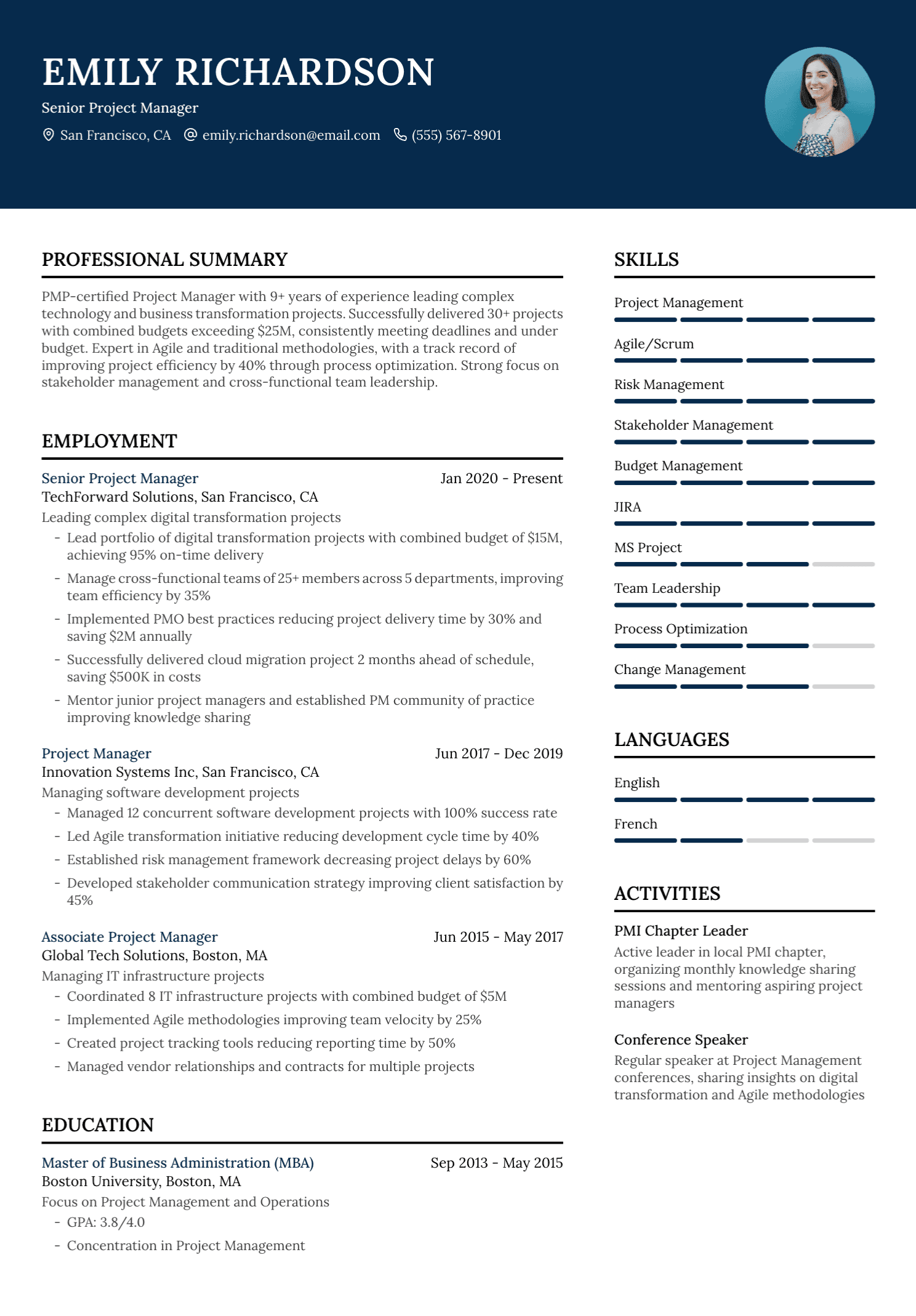
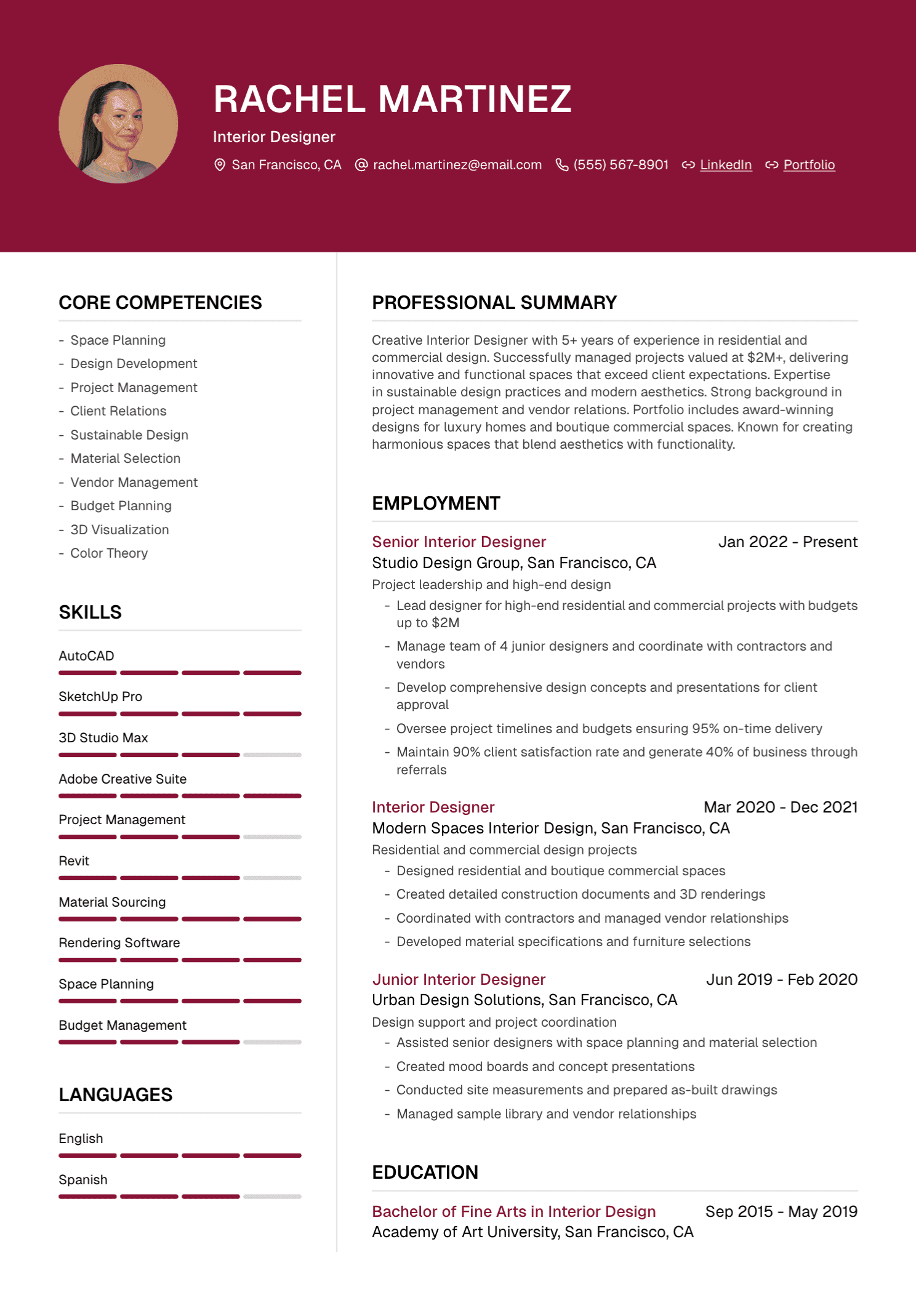
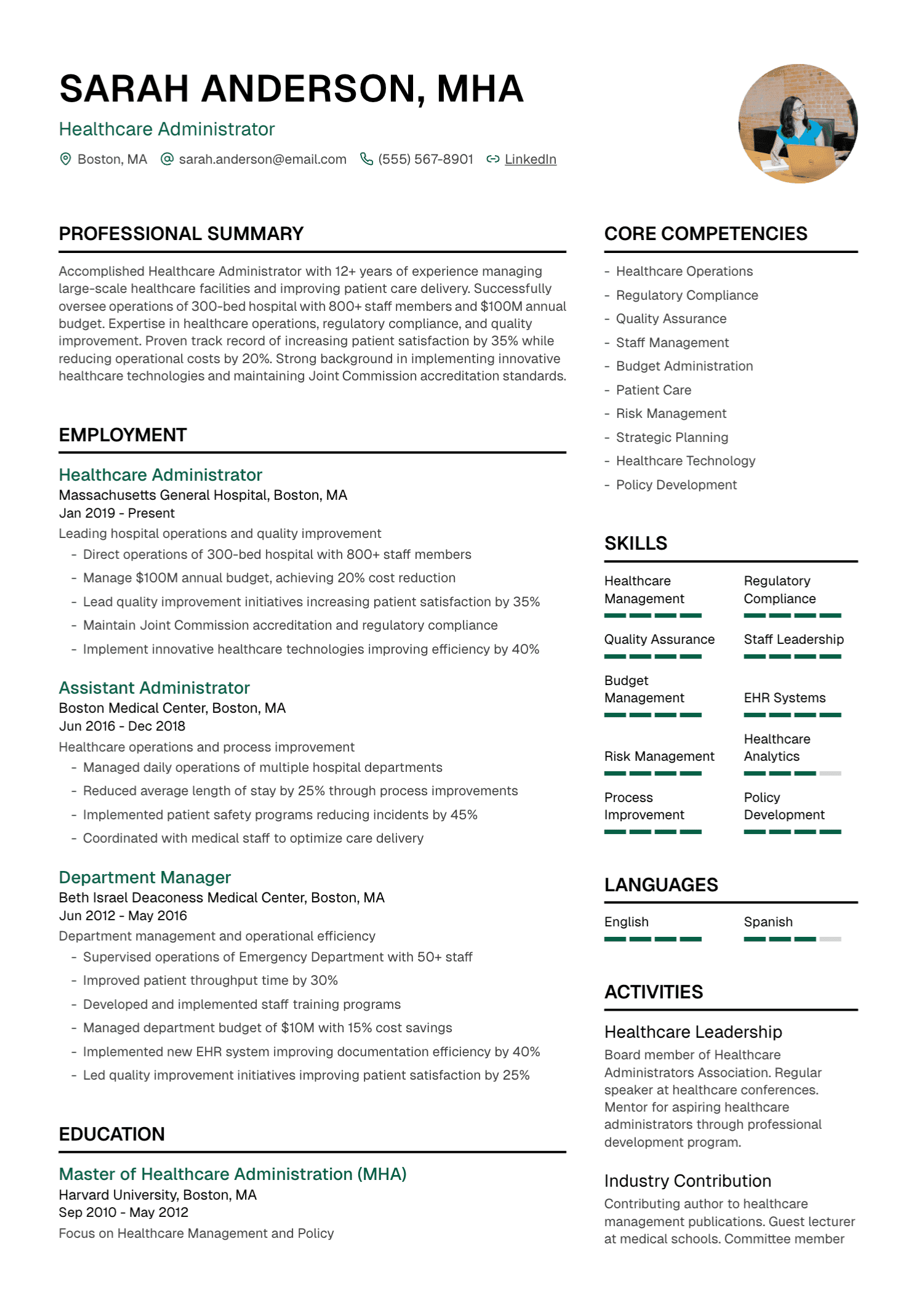
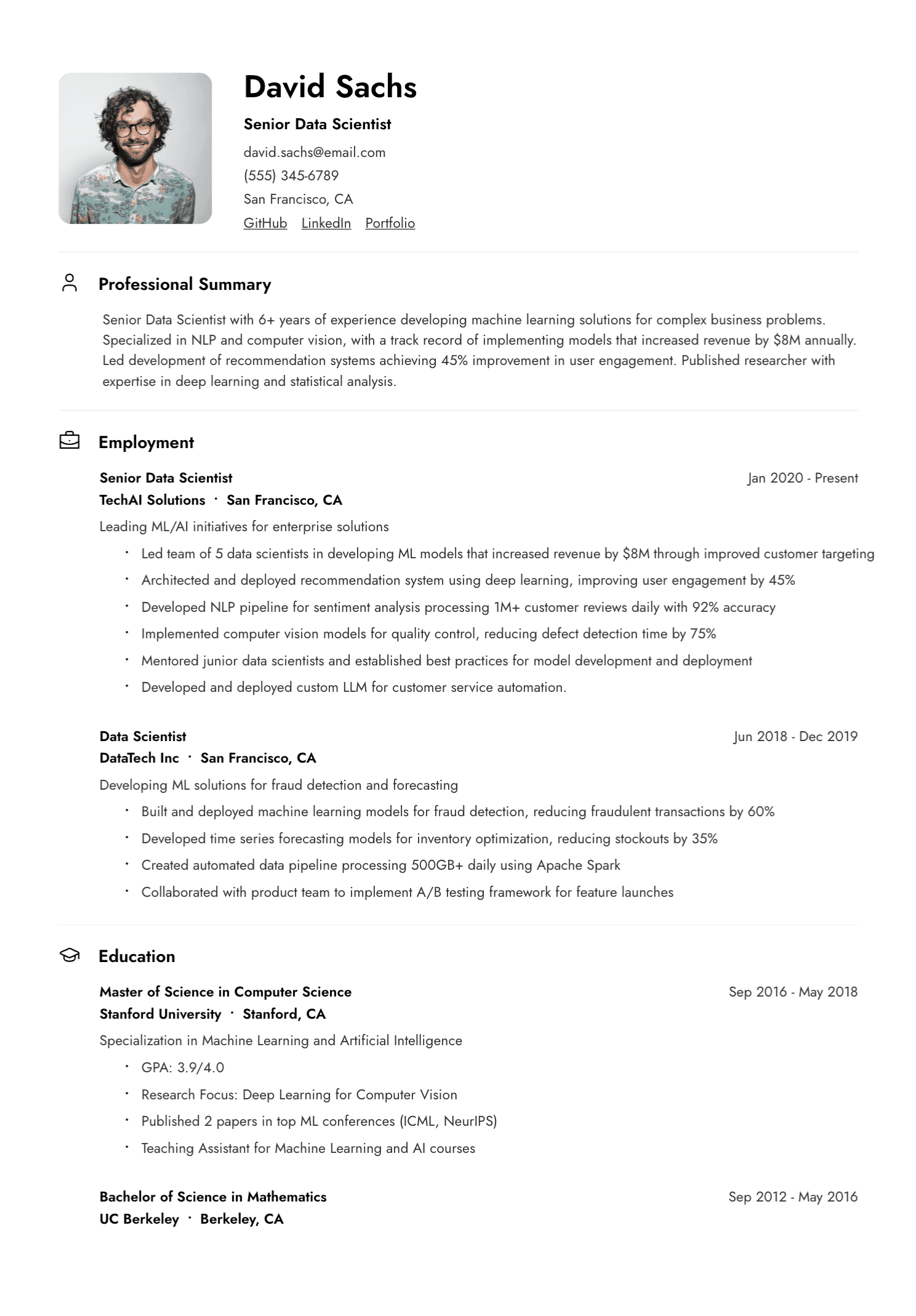
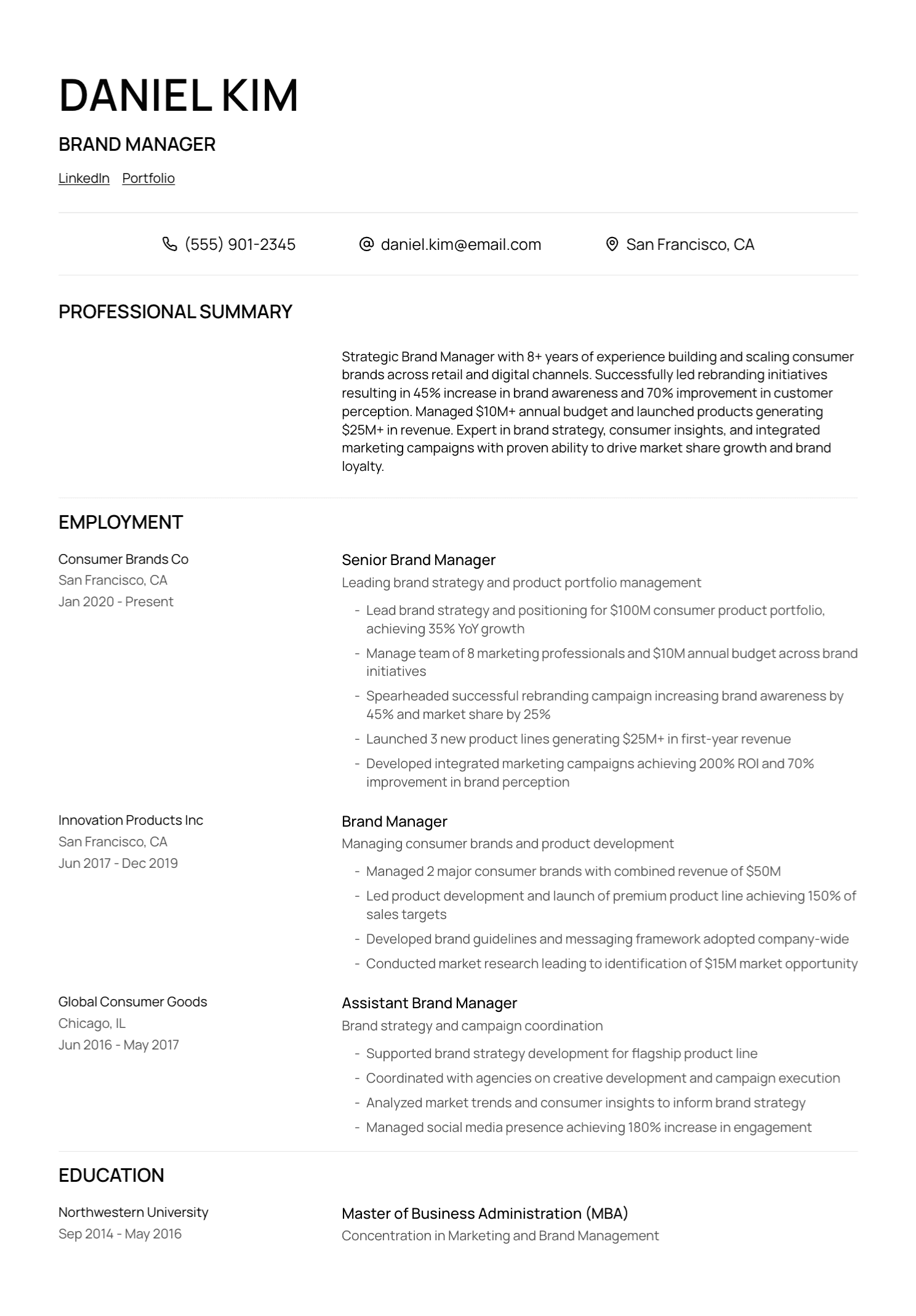
If you pursue two distinct role families, create a strong base resume for each one.
You might prepare one version for product management and another for program management, or separate brand marketing from growth marketing. Data analysis and business intelligence can also require different emphasis.
Each base version should already contain the most relevant summary, skills, and achievements for that direction. Tailoring then becomes a focused edit.
Tailor Only the Sections That Need It
For most suitable applications, review:
- Headline or profile
- Skills
- Order of bullets within recent roles
- Terminology that differs between your resume and the posting
- Optional projects or certifications
Keep official titles, dates, employers, tools, metrics, and responsibilities accurate.
Tailoring often means selecting and prioritizing. Endless rewriting can make a clear resume sound artificial.
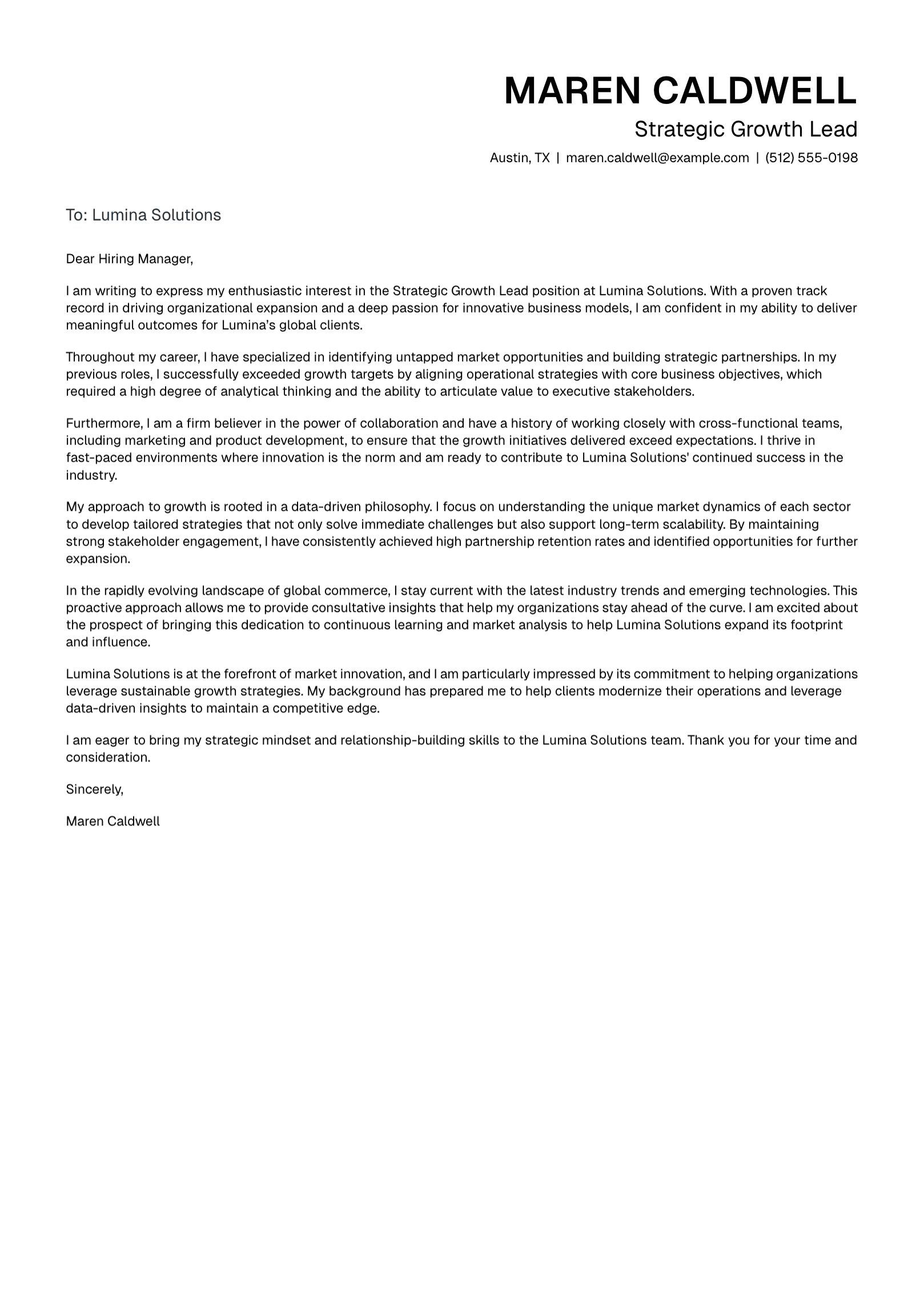
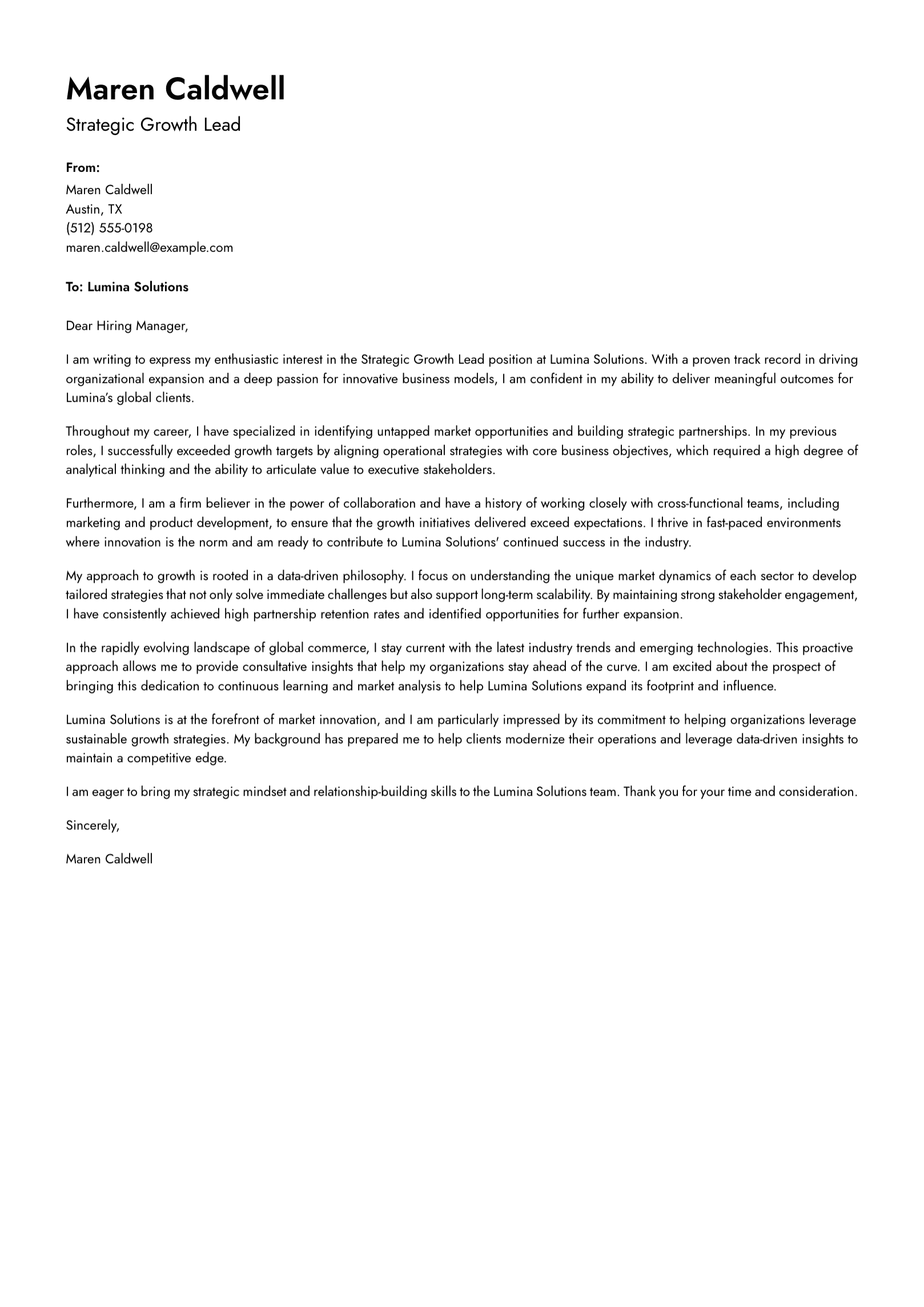
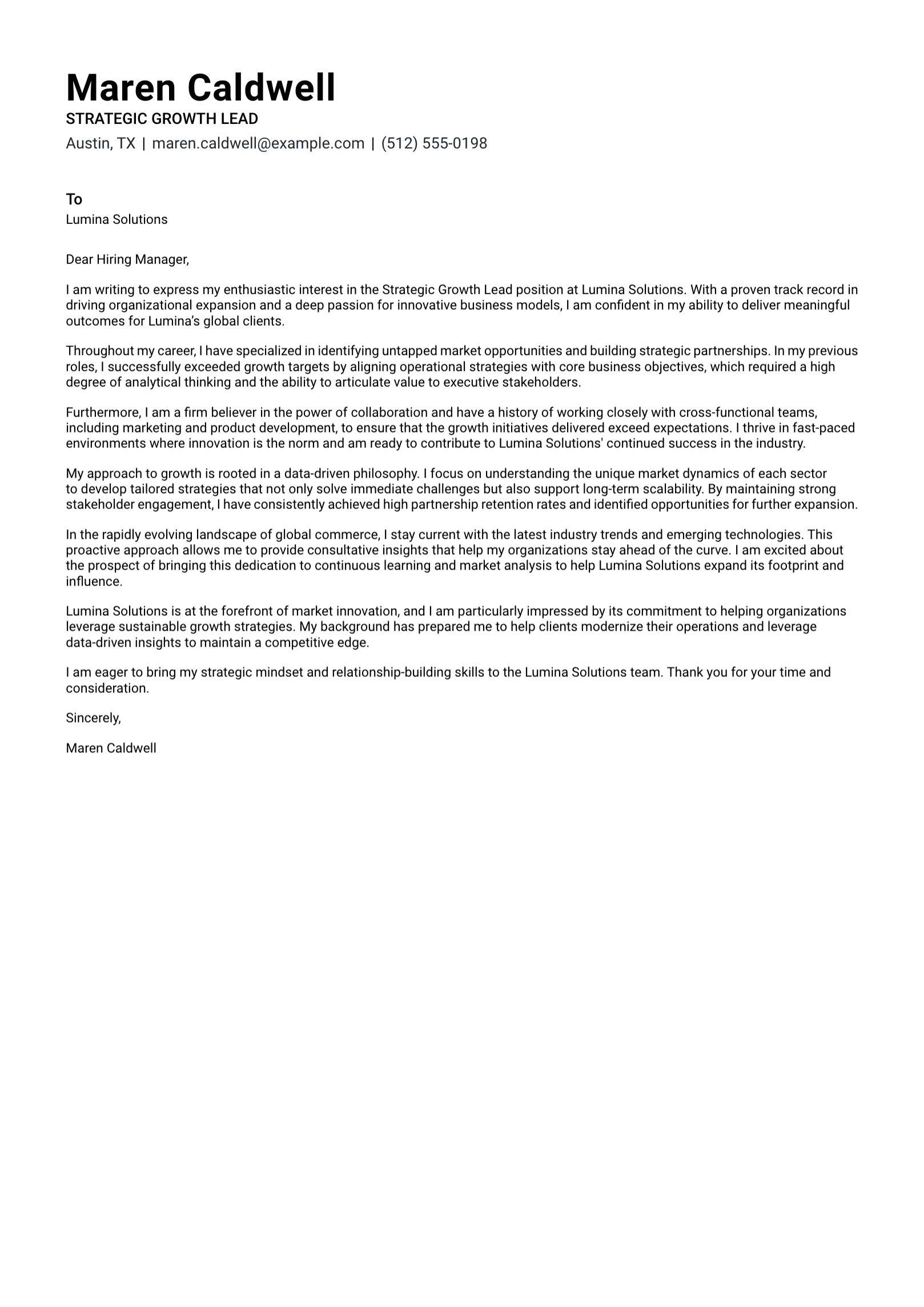
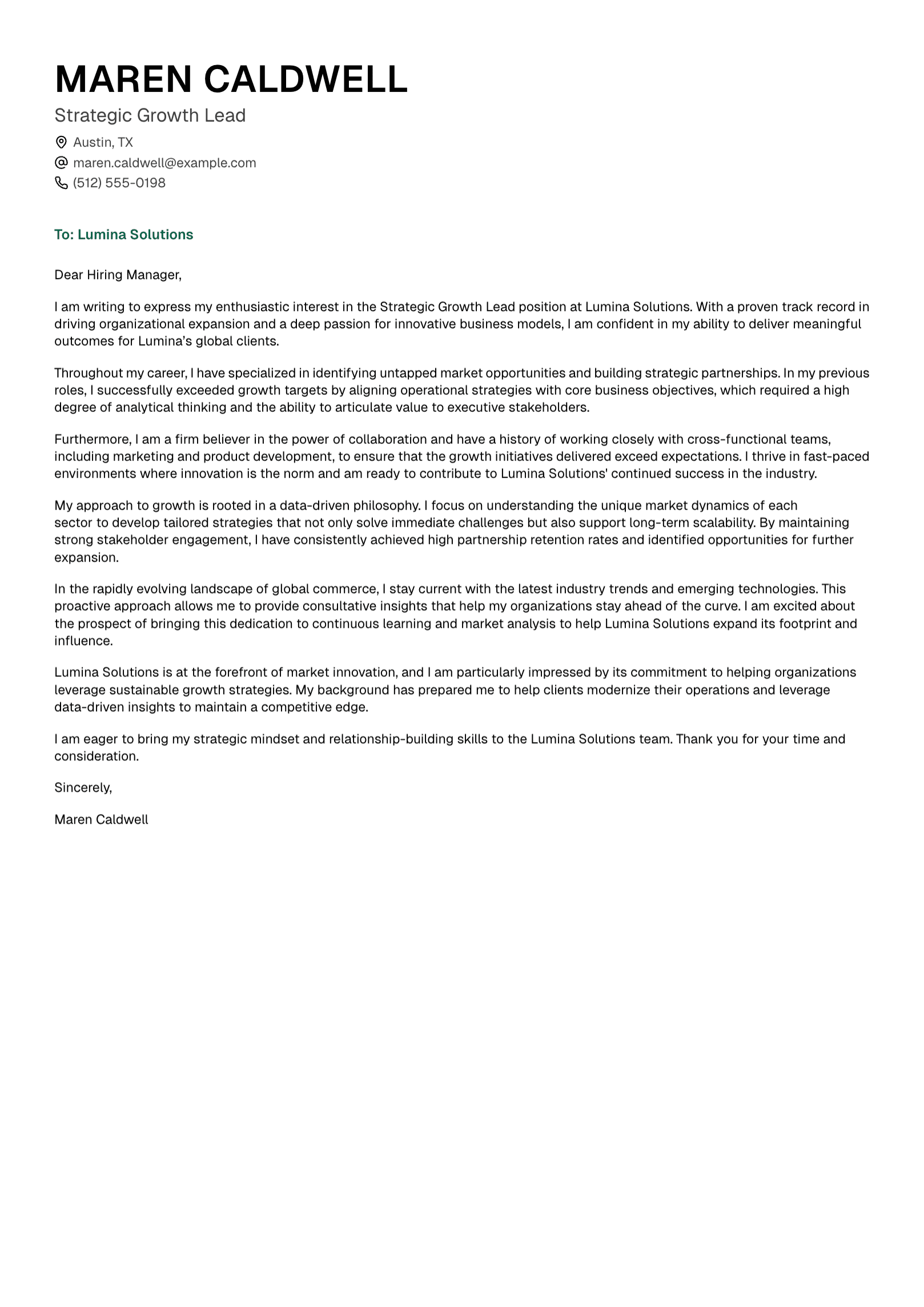
Use a Cover-Letter Framework
Prepare a structure with placeholders:
- Why this role
- One relevant achievement
- A second piece of evidence or useful context
- Why you want a conversation
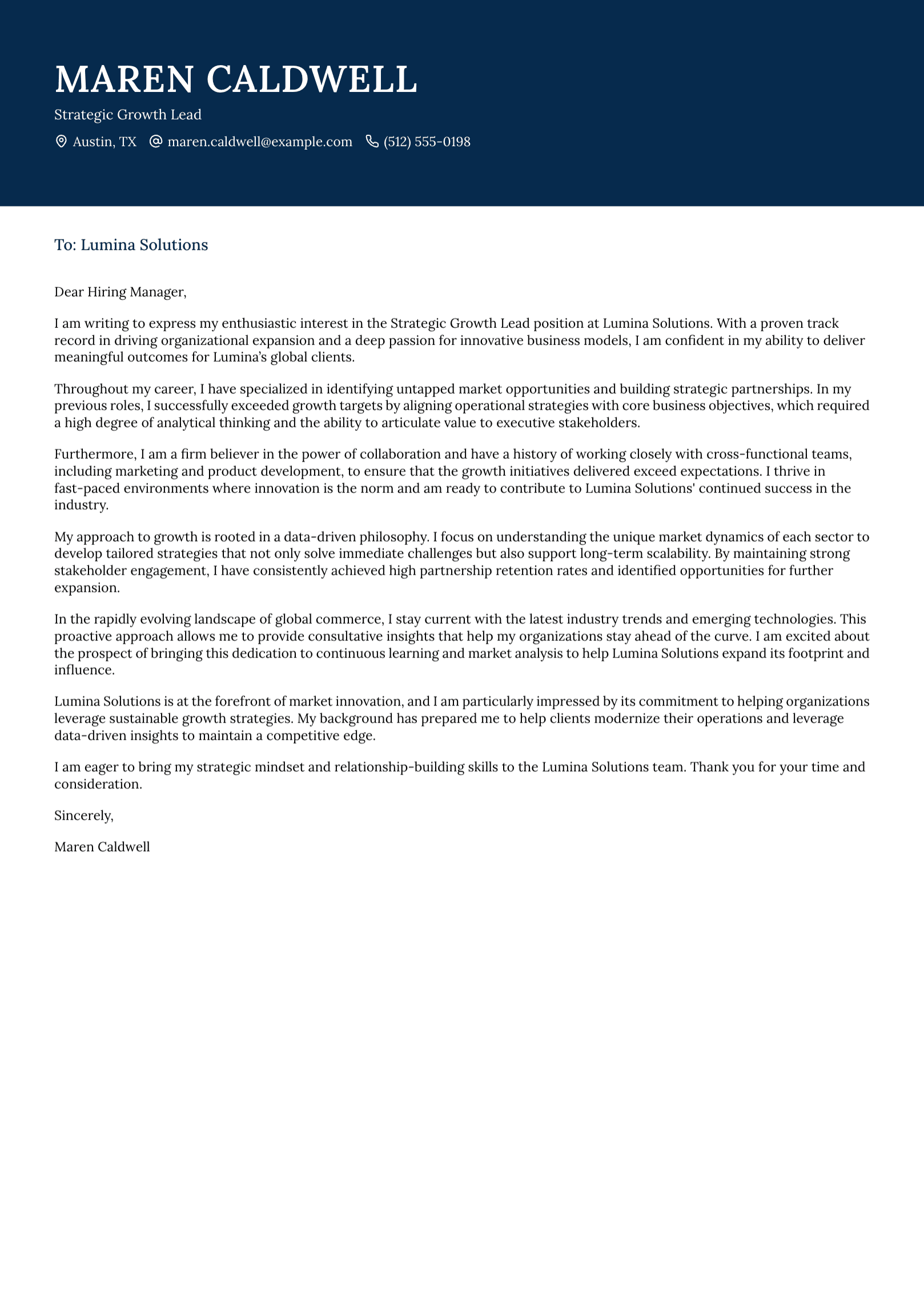
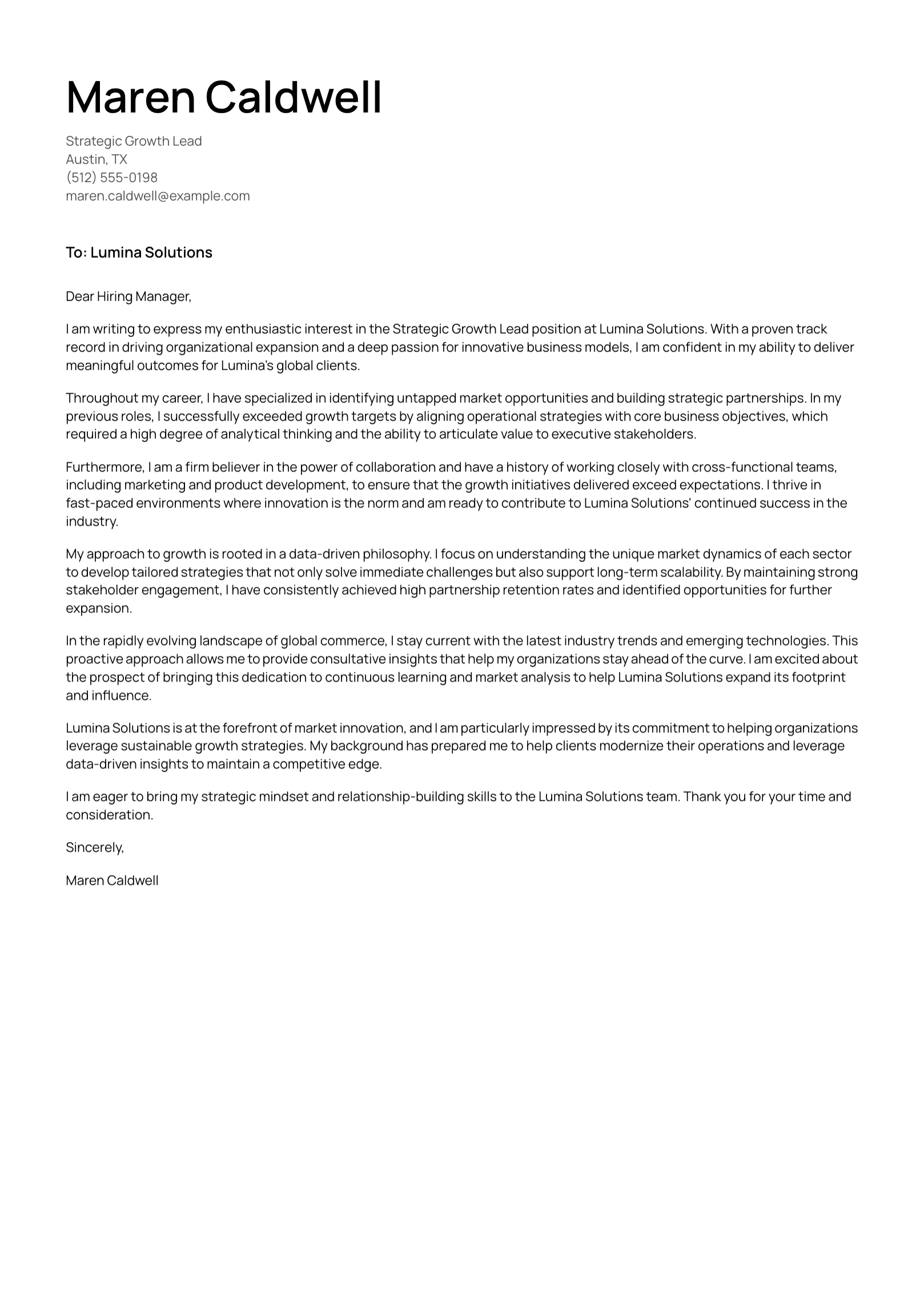
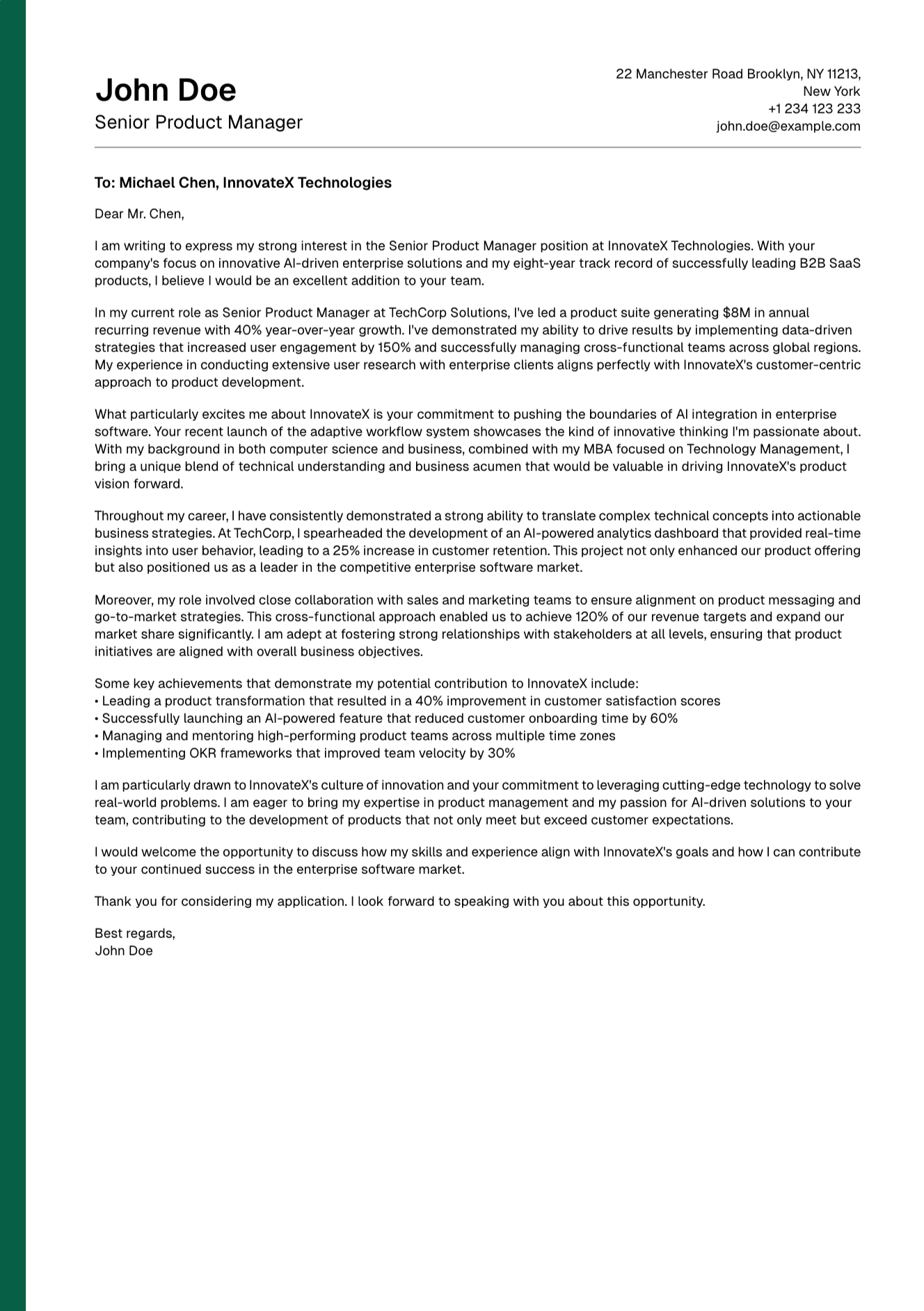
Write the company-specific opening and evidence for each application. Avoid generic praise that could describe any employer.
Maintain saved answers for recurring factual questions such as work authorization, notice period, salary expectations, and travel availability. Review each response before submitting.
Let AI Handle Repetitive Editing
AI can compare a job description with your master resume, suggest relevant evidence, tighten bullets, and prepare a first cover-letter draft.
Use a fact-safe instruction:
Use only the facts in my source resume and notes. Preserve titles, dates, employers, metrics, tools, and the meaning of my responsibilities. Flag unsupported requirements and place questions in brackets. Keep the language direct and natural.
Review every output for invented metrics, expanded ownership, tools you never used, and job-description phrases presented as your experience. Watch for inflated verbs, repeated wording, and changes to official titles.
AI earns its place by reducing mechanical work. Your judgment controls the document.
Batch Similar Tasks
Group work that uses the same kind of attention. Review saved jobs in one block, research companies in another, and tailor similar roles together. Follow-ups can share a short session. Interview practice deserves its own focus.
Keep each company’s files clearly named. Similar roles can make copy-and-paste errors easier.
Use Autofill With Care
Browser and platform autofill can reduce repeated data entry. Check every field after import, especially employer names, dates, education, work authorization, salary, location, and voluntary demographic questions.
Consider the privacy implications before giving a browser extension access to sensitive application data. Enter high-risk information yourself.
Keep application completion in your own hands. A third party can misunderstand screening questions, expose private data, or agree to terms on your behalf.
Make Networking Specific
Broad messages create work for both people.
Send a focused request:
Hi [Name], I saw the [role] opening on your team. My background in [relevant area] appears closely connected, particularly [brief evidence]. If you have fifteen minutes, I would value your perspective on the team’s current priorities. I understand if your schedule is full.
Personalize the first sentence and the reason for contact. Templates should support your memory and structure; the relationship still deserves an individual message.
Track the Minimum Useful Information
A simple spreadsheet can record the company, role, saved posting, date found, deadline, application date, contact, document versions, follow-up date, status, and notes.
Use calendar reminders for deadlines and promised follow-ups. Avoid building a complicated tracking system that becomes another project.
A Realistic Weekly Routine
Session 1: Review opportunities
Open saved alerts, remove weak matches, save the strongest roles, and note the deadlines.
Session 2: Prepare applications
Compare the requirements with your evidence, tailor the resume, draft any required letter, and save the posting.
Session 3: Submit and connect
Complete the forms, check imported data, submit, and contact a relevant person when appropriate.
Weekly review
Update statuses, schedule follow-ups, prepare for interviews, and look for repeated gaps. Adjust one part of the process when a clear pattern appears.
Protect Application Quality
Stop the session when fatigue starts producing mistakes. A wrong company name, unsupported metric, or careless screening answer can cost more time than a short break.
Set a simple quality floor: credible fit, accurate documents, clear evidence, a complete form, and a proofread submission.
Application volume can vary. Quality and sustainability should remain stable.
How UseResume Can Save Time
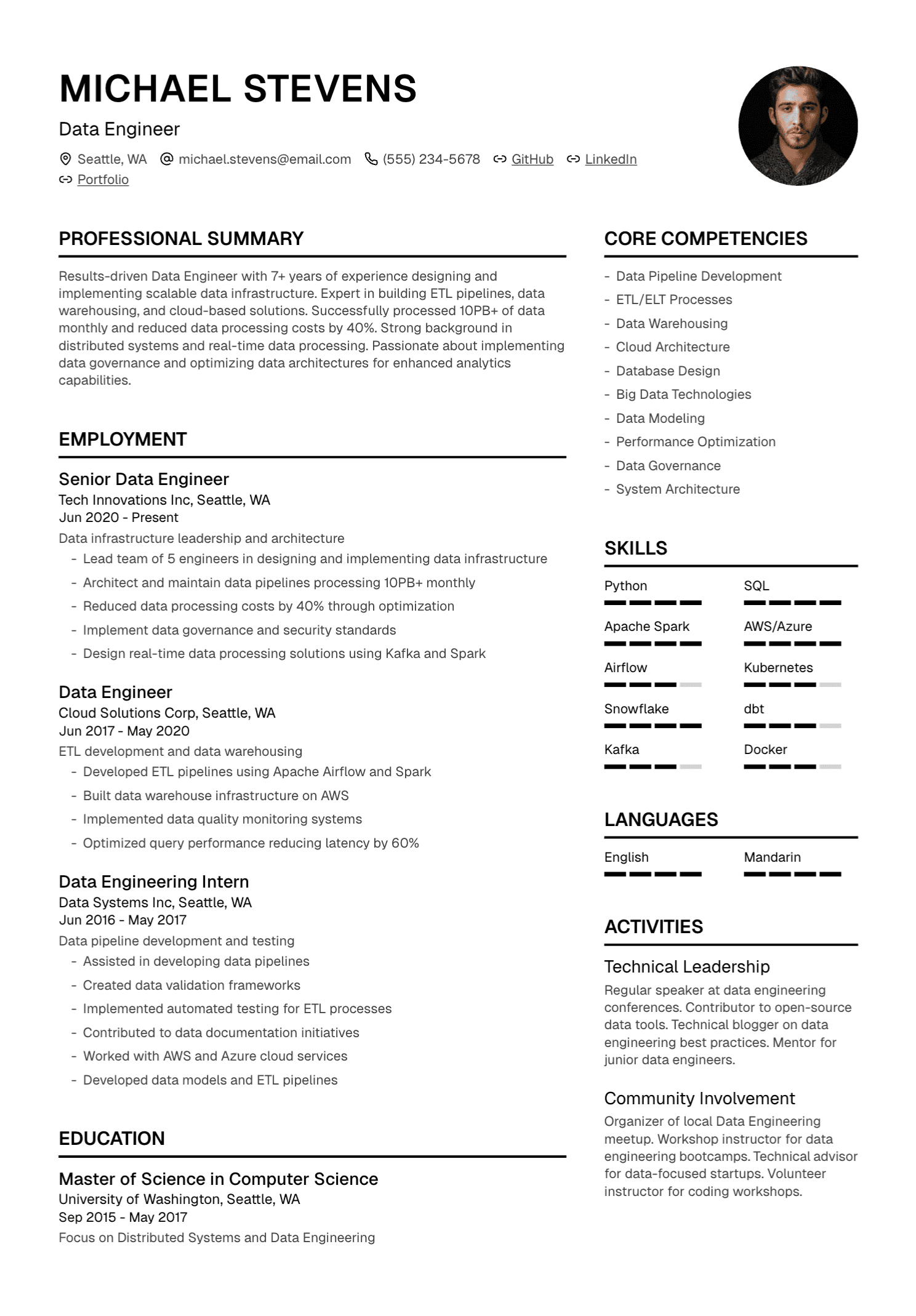
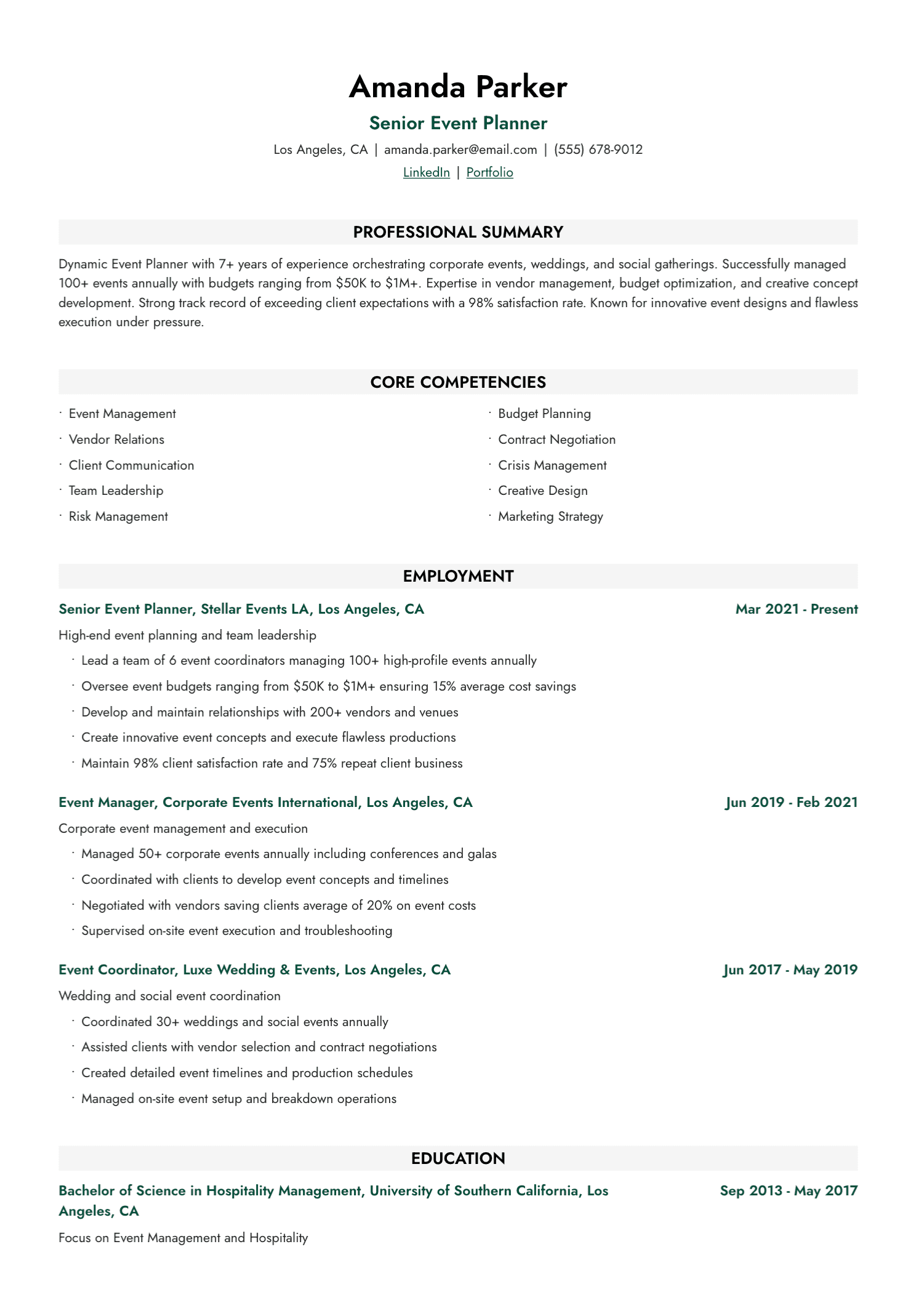
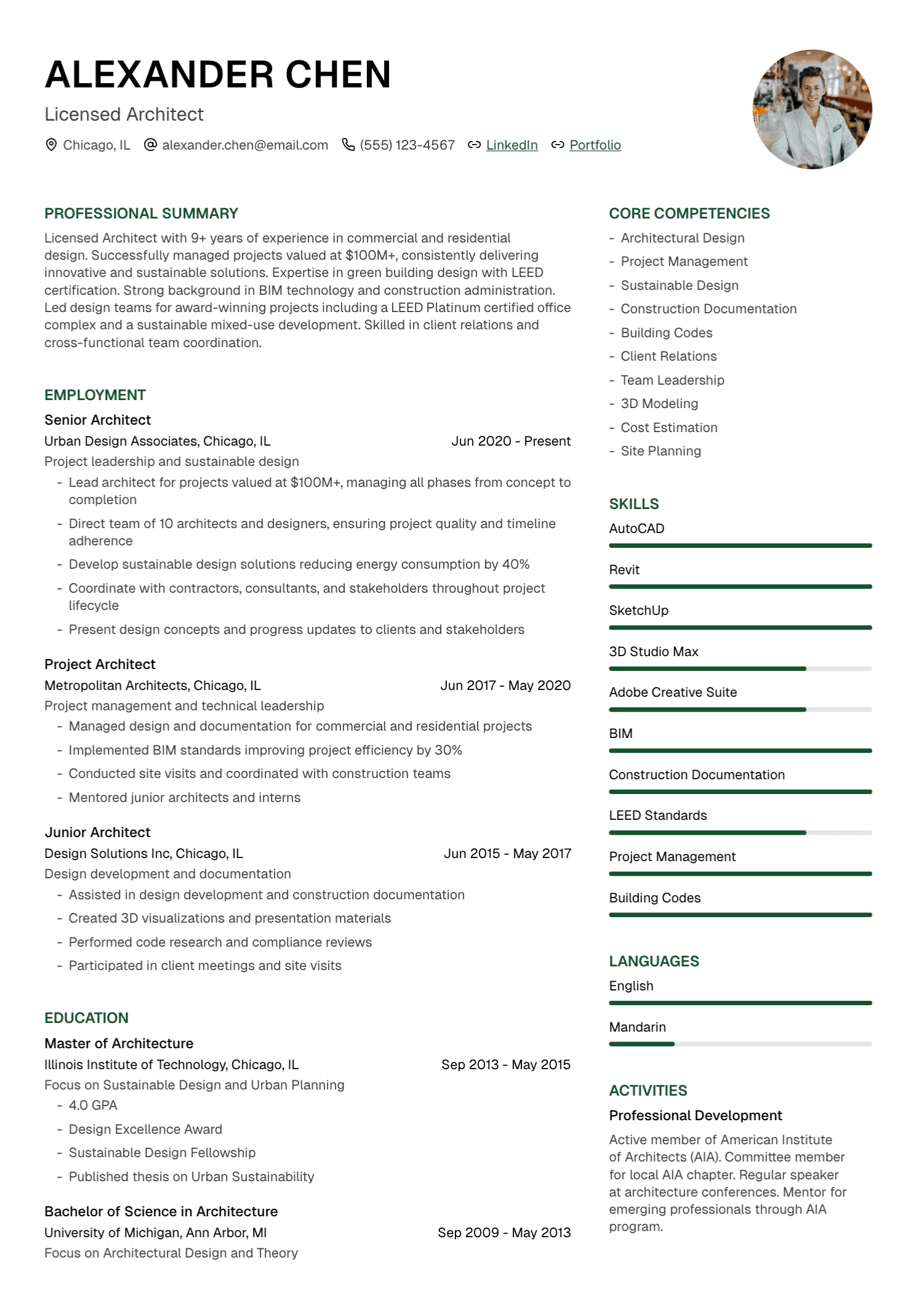
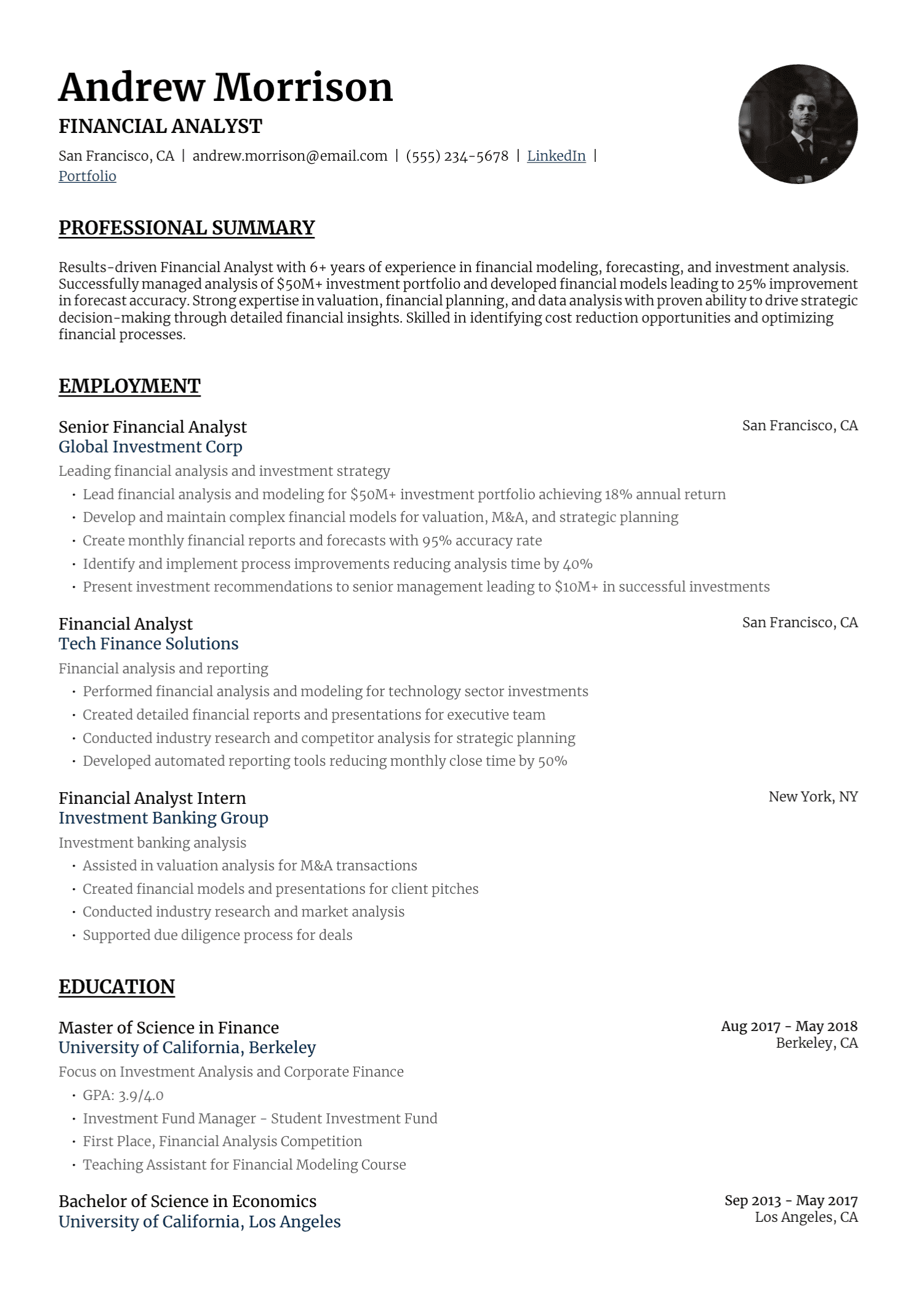
UseResume lets you upload or create a resume, add a job description, generate a tailored draft, edit the content, choose a template, and export a PDF. It also supports cover-letter creation.
Keep a master source, review every AI suggestion, and save the correct version for each application.
Build a Search You Can Continue
The best system respects your ambition and your actual life. Choose suitable roles, reuse verified evidence, automate repetitive steps carefully, and keep your applications personal where it matters.
Create your account and prepare a focused resume and cover letter for your next application.
Continue with our 2026 job application guide and our guide to tailoring a resume.