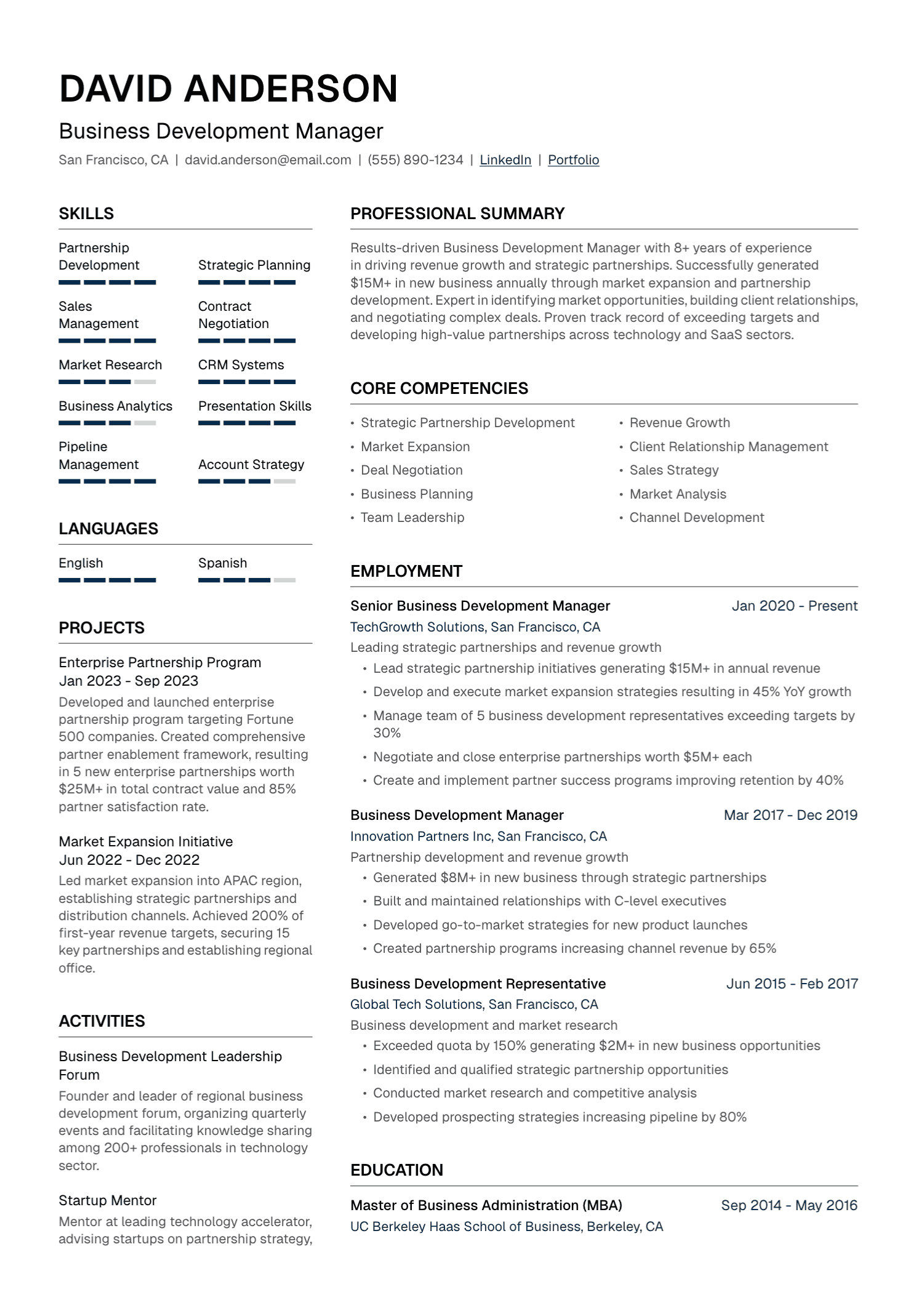
Anyone who asks for resume advice is told, sooner or later, to quantify their achievements. University career offices say it, and so do many of the tools that score resumes, which flag bullets with no figure in them. The examples tend to be of one kind: revenue grown by 30 percent, costs cut by half a million dollars. Then the applicant looks at their own page, which says “Answered phones and booked appointments”, and wonders where a number is supposed to come from.
Most jobs are like that one. A receptionist has no sales quota, and nobody hands a teacher, a nurse or an office administrator a dashboard at the end of the quarter. The tempting way out is to invent a figure that sounds measured, such as “improved efficiency by 30%”, and hope that nobody asks about it.
There is an honest way out. The evidence for numbers on a resume is thinner than the advice suggests, and what it supports is being specific, which a percentage is only one way of doing. Nearly every job contains figures that can be counted or fairly estimated: how many, how often, how big, how long, how much money, what rank, and what changed. What follows shows where to find them in six ordinary jobs, how to estimate one that was never recorded, how to defend it in an interview, and when a bullet is better left without a number.
Where the advice comes from
One of the best-known versions belongs to Laszlo Bock. In September 2014, when he was Google’s senior vice president of People Operations, he published a formula for resume bullets on LinkedIn: “Accomplished [X] as measured by [Y] by doing [Z]”. His examples included a portfolio improved “by 12% ($1.2M) over one year” and a service contract negotiated to a “30% ($500k) reduction in costs”.
The idea was not new. In 2009 the Bureau of Labor Statistics told job seekers to mention “quantifiable results”, such as “a 10-percent increase in sales”. University career offices say the same today. Harvard’s lists “Fact-based (quantify and qualify)” among the qualities of good resume language, and MIT’s puts it in four words: “Quantify if you can.”
Employers agree, up to a point. In 2018 the Harris Poll questioned 1,138 hiring and HR managers in the United States for the job site CareerBuilder, and 34 percent named a resume without quantifiable results as an instant deal breaker. The survey is eight years old and two-thirds of the managers did not pick that answer, but it shows that a good many readers look for figures.
The trouble is the examples. Portfolios, contracts and sales targets throw off numbers without being asked, and most work does not. Yet the same sources, read to the end, describe a humbler kind of figure. Bock wrote that “Served 85 customers per day with 100% accuracy” sounds good “even if the customers are people you rang up at a grocery store”. The Bureau of Labor Statistics pointed to the scope of a job: “the number of phone lines answered, forms processed, or people supervised”. MIT’s own example is the number of people who attended a presentation. None of these is a business result. They are counts, and every job has them.
What the evidence supports
Research on what makes a resume work is scarcer than the confidence of the advice implies. A 2017 review of the academic literature, by Stephen Risavy of Wilfrid Laurier University, opens by saying that “much of the resume research literature is dated”. The experiment closest to the question was published in 1999. Business professionals rated resumes, and in the review’s summary those that included accomplishment statements were rated more favorably than those that did not. The example the review quotes from that study is “not one customer complaint in two years”.
That line has no percentage or dollar sign in it, and nothing from a dashboard. It is a count the applicant could have kept in their head: zero, over a stated period.
The same review covers what happens when applicants overreach. In a 1988 study, resumes and cover letters that leaned on flattery and exaggerated claims left readers with a lower opinion of the applicant’s truthfulness and employability. A 1994 study found that confident self-description could help, but its readers also said they would be keener to verify the applicant’s background. The review’s advice is to elaborate on real accomplishments and to avoid statements that are “unwarranted and exaggerated”.
So the research, such as it is, supports something narrower than the advice. A stated accomplishment helps, and an exaggerated one can cost the applicant trust. The review describes no experiment that isolates the effect of a figure. Popular guides, including those from Indeed and Vault, cite no study at all. A figure that has appeared online, that quantified bullets win 30 to 40 percent more callbacks, is no better supported: no source for it could be found.
A number, then, is a means to an end. It is the shortest way of being specific. “Managed a team” could mean two people or two hundred, and a recruiter skimming the page will not stop to wonder which.
Seven kinds of number to look for
The useful question to ask of any job is what in it could have been counted. There are seven answers.
| Kind of number | The question | Example |
|---|---|---|
| Volume | How many were handled? | 50 support tickets a day |
| Frequency | How often? | Payroll run every two weeks |
| Scale | How big was the setting? | A 32-bed unit, a team of 6 |
| Time | How long, or how fast? | Replies within 2 hours |
| Money | How much passed through? | $9,000 in daily sales |
| Ranking | Where did it stand? | 3rd of 20 stores |
| Before and after | What changed? | Wait cut from 5 days to 2 |
The first three describe the job itself, and they exist whether or not anyone measured performance. They answer the first thing a reader wants to know, which is how big the job was. Time and money usually sit in a schedule, a budget or a register report. Ranking and before-and-after figures are the only true results on the list, and the rarest.
A resume does not need one of each. A bullet with a single honest count is already ahead of one that begins “Responsible for”, an opening that the guide to resume action verbs suggests retiring.
Six jobs, before and after
The figures below are invented for illustration. The places they come from are real, and most applicants can still reach them: a timetable, a shift schedule, a calendar, a register report, an old performance review.
A teacher’s bullet often reads like the job description.
- Taught English to ninth and tenth grade students
The timetable gives the volume, the class lists give the scale, and the exam results give a comparison, which Bock thought more useful still: “Making it meaningful with a comparison helps even more.”
- Taught English to 5 classes of about 28 students in ninth and tenth grade; 91% passed the state exam, against 84% across the school
Underlined: volume and scale from the timetable, then a result set against the school’s.
A nurse who writes “Provided patient care on a medical-surgical unit” has left out everything a nurse manager would ask. The unit has a bed count, each shift has an assignment sheet, and new nurses are paired with preceptors by name.
- Cared for 5 to 6 patients per shift on a 32-bed medical-surgical unit; precepted 8 new graduate nurses over 2 years
No patient outcome is claimed. Scale and volume are enough.
A support agent’s “Responsible for answering customer emails and chats” is the easiest to repair, because help desk software counts tickets per agent and most teams can see the report.
- Resolved about 50 email and chat tickets a day, with a first reply inside 2 hours; trained 6 new agents
For an administrator, “Managed calendars and travel for senior staff” hides the load. The calendar and the expense system both keep a record.
- Managed calendars for 4 directors, about 60 meetings a week; processed 30 expense reports a month, each within 2 working days
In a store, “Worked the register and helped customers” describes every cashier there has ever been. The register report shows transactions and sales, and staff rankings are often pinned up in the back office.
- Served about 150 customers per shift; closed the store 3 nights a week, reconciling about $9,000 in daily sales; ranked 2nd of 14 associates for loyalty sign-ups in 2025
Developers have an odd version of the problem. They are surrounded by data, and little of it is about money. In a 2017 Hacker News thread, a developer asked how to follow the advice with “no idea” how much debugging time or revenue their code had produced. The replies pointed to scale, measured performance and plain counts of work done. One suggested line was “Interviewed and graded 23 candidates”. So “Worked on the checkout service and fixed bugs” can become this:
- Maintained the checkout service, which handles about 40,000 orders a day; cut its test run from 18 minutes to 7; reviewed about 10 pull requests a week for a team of 6
Sources: the monitoring dashboard, the build logs, the repository history.
How to quantify achievements nobody measured
Some of those figures will not be on record anywhere. The job ended years ago, or the employer never counted. An estimate is acceptable on a resume if it is built from parts the candidate does know, and if it is presented as an estimate.
The method is arithmetic. Take an ordinary week and count what can be counted. The receptionist from the opening remembers the phone ringing about five times an hour through an eight-hour day, which makes 40 calls. An administrator with four directors, each in roughly three meetings a day, was scheduling about 60 a week. Then round down if in doubt, and either write “about” or give a range, as in “5 to 6 patients per shift”.
Precision is itself a claim. In four studies published in the Journal of Consumer Research in 2012, Y. Charles Zhang and Norbert Schwarz found that people treat a quantity stated in finer units as more precise, and place more confidence in it. The studies tested consumers’ judgments, not recruiters’, but on a resume the same reading would work in both directions. “37%” tells the reader that somebody measured. “About a third” tells them that somebody remembered. Each is honest only when it matches what the candidate has.
Where a change is being described, the two endpoints are better than a percentage. “Cut the wait from 5 days to 2” can be pictured and checked. “60% faster” raises the question Bock anticipated when he put a dollar figure after his 12 percent, which is whether the number is, in his words, “a big deal or not”.
The interview is where an estimate is tested, because trained interviewers follow up. The Office of Personnel Management’s guide to structured interviews, written for federal agencies in 2008, defines a probe as a question asked “to help clarify a candidate’s response or ensure the candidate has provided enough information”, and its sample probes include “What was the outcome?” Any figure on the page can prompt one, so the candidate should be able to say in a sentence or two where each came from.
The 50 a day is an average. The help desk showed between 40 and 65 on most days, and the team lead sent the counts around every Monday.
What a chatbot does with a missing number
Many applicants now hand the weak bullet to a chatbot, and it helps to know what comes back. When UseResume tested ChatGPT and Claude on five bare bullets from a support agent, neither invented a figure. ChatGPT asked questions: how many people had been trained, what had changed. Claude returned polished bullets with eleven bracketed blanks in them, such as “trained [X] new support agents”, and an instruction not to guess.
Both responses are sound, and both hand the work back to the candidate. The risk lies in the next step. A blank filled in to make the sentence read well is an invented number, and a bracket left in by mistake is worse. Nor is the restraint guaranteed. Elsewhere in the same series of tests Claude, trying to make sense of a claim of 400 percent growth, proposed that a salesperson’s accounts had grown “from $800K to $3.2M”, which is an increase of 300 percent.
Any figure in a draft that the candidate did not supply should be traced to a record or deleted. The quicker route is to do the counting first and give the chatbot the numbers along with the bullet.
When to leave the number out
Some bullets are worse for a figure. Hours worked and emails sent measure effort, not what was done. A percentage with no base tells the reader little. Something built from nothing has no before, as one Hacker News commenter pointed out: the improvement on zero is infinite. “Set up the clinic’s first online booking system” says it better.
Figures an employer treats as confidential, such as client revenue, are better replaced by a rank or a proportion, or dropped. And a result that belonged to a team should be described as the team’s. The Bureau of Labor Statistics guide says so directly: “tell the reviewer your accomplishments came from a team effort”.
Numbers can also count against a resume. A hiring manager writing on Hacker News in 2025 said that a resume with numbers in it now makes them guess it was generated by an AI resume service, and that some of the figures “feel almost arbitrary”. A handful of counts that can each be explained will do more than a figure on every line. How many lines a job should have in the first place is covered in the article on the number of bullet points per job.
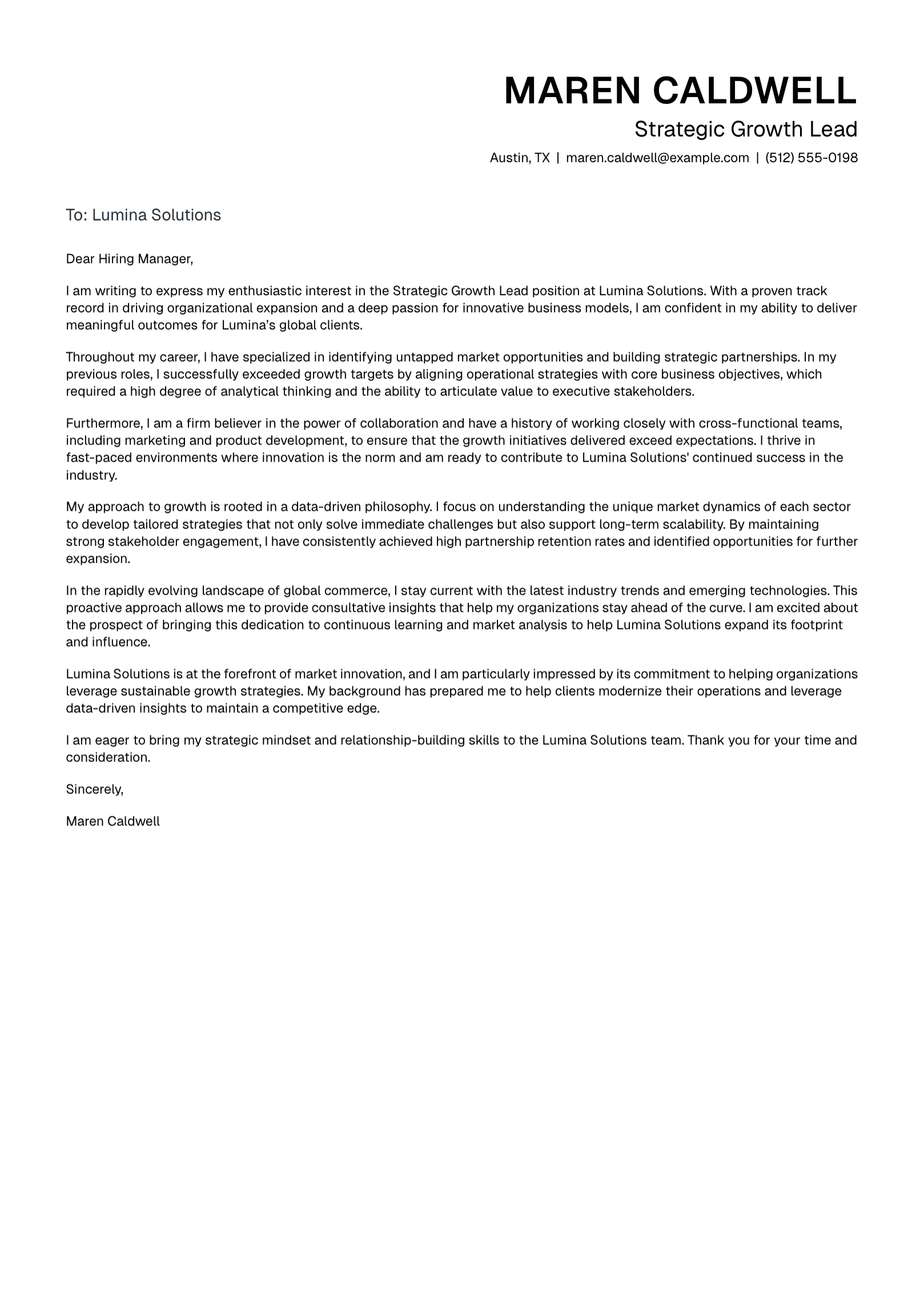
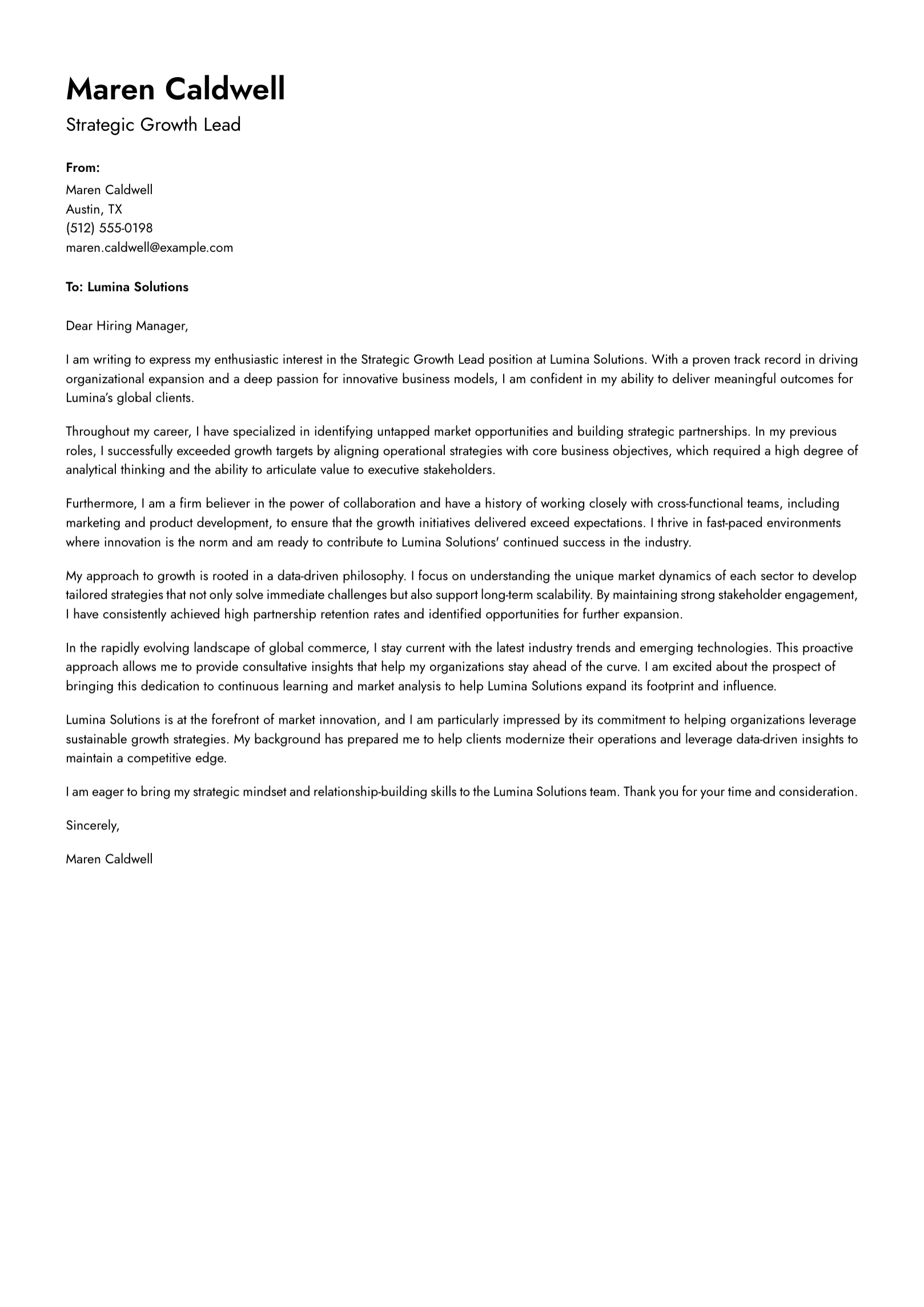
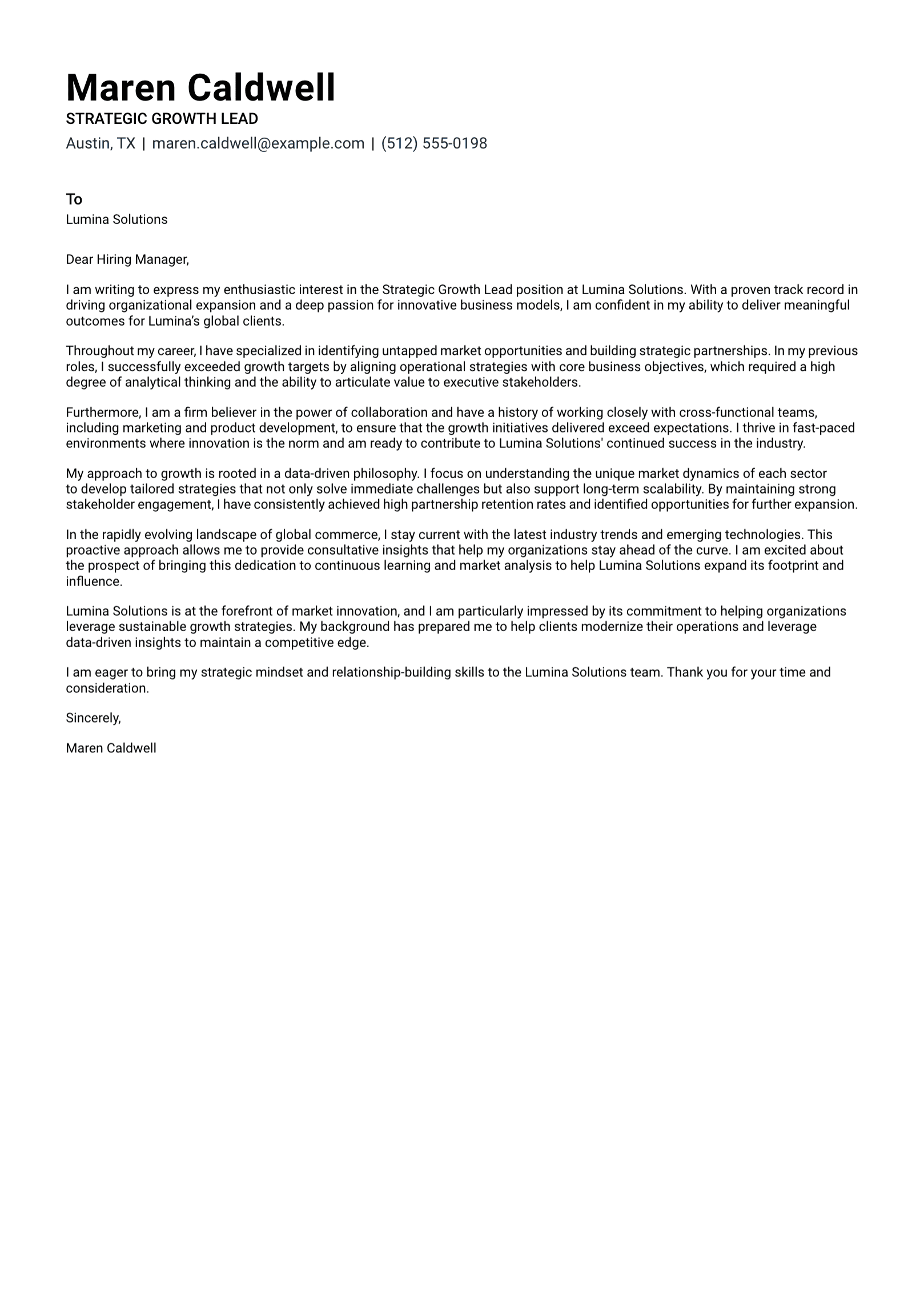
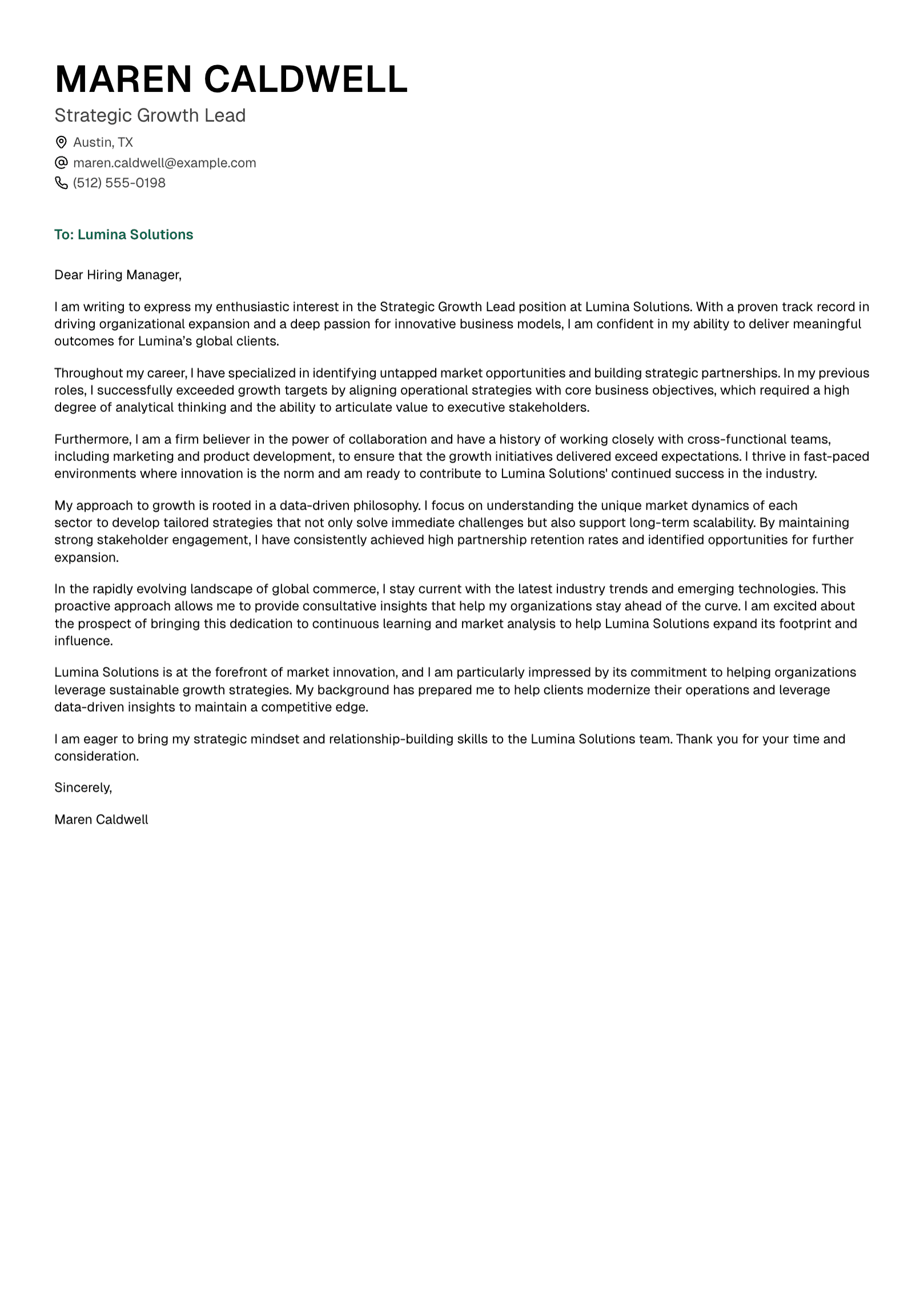
That leaves the receptionist and “Answered phones and booked appointments”. No quota or dashboard was ever going to improve that line. An ordinary day at the front desk does.
- Answered about 40 calls a day and booked appointments for 3 dentists; filled canceled slots from a waiting list of 20 patients
Nothing in it needed inventing, and every figure could be explained to an interviewer in a sentence. Numbers help a resume because they are specific, and the specific facts of a job belong to the person who did it. The honest method is to count what was there, to estimate only with arithmetic that can be shown, and to leave the rest in words.
How UseResume helps
A general-purpose chatbot will write a bullet about any job, including one it has been told nothing about. UseResume is built specifically for writing resumes. It imports an existing resume or a LinkedIn profile, or starts from scratch with guided questions, and its AI resume builder writes and rewrites the bullets inside an ATS-friendly template. Every suggestion can be edited, so an estimate can be corrected, or a number taken out, before anything is sent.
The resume checker then scores the result from 0 to 100 across 37 checks and lists what to fix first. A separate version can be saved for each job, so the counts that matter most to one employer can lead that version.
Create your account and start with the numbers you already have.