A Tailored Resume Should Still Feel Like Your Career
Tailoring means choosing the parts of your experience that matter most for one role and describing them in language the employer will understand. The titles, dates, employers, responsibilities, tools, metrics, and outcomes stay true.
That distinction matters because a job description is persuasive. It contains exactly the skills the employer wants, and those phrases can quietly migrate into a resume as if the candidate already has them.
The safest process begins with evidence. Read the posting, identify the real priorities, and connect each one with work you can verify. Then write.
Step 1: Decide Whether the Role Is a Realistic Match
Read the whole posting once without editing your resume. Understand the role, reporting relationships, location, schedule, and application instructions.
Then separate essential requirements from preferences. A required professional license, work authorization condition, language, security clearance, or physical location may determine basic eligibility. Years of experience and degree language sometimes allow more interpretation, depending on how the employer phrases them.
You can apply with some gaps. Most postings describe an ideal. The important question is whether your background covers enough of the central work to make an honest case.
Write down any firm gap. Keeping it visible protects you from trying to solve it with creative wording later.
Step 2: Find the Priorities Inside the Posting
Job descriptions are uneven. A long list of requirements may contain only a few responsibilities that define the role.
Look for repeated ideas, the first responsibilities, required tools, named stakeholders, expected outcomes, and problems the new hire will own. Notice the verbs. “Build,” “operate,” “advise,” “analyze,” and “lead” indicate different work.
Read the introductory paragraphs too. They often explain the product, customers, team, or business stage that gives the requirements meaning.
Avoid treating every repeated phrase as a magic keyword. Repetition is a clue about importance. Your evidence decides whether the phrase belongs on your resume.
Step 3: Build a Requirement-to-Evidence Map
Create a small table before rewriting:
| Employer priority | Your verified evidence | Decision |
|---|---|---|
| Cross-functional program delivery | Coordinated finance, operations, and engineering during a billing migration | Lead with this example |
| Risk management | Maintained project risk log and presented mitigations in weekly steering meetings | Use the employer's term accurately |
| Supply-chain experience | No direct evidence | Leave as a gap |
| SQL | Used SQL weekly for customer-retention reporting | Add to skills and supporting bullet |
This example is hypothetical. Your map should use facts from your own roles, projects, education, volunteering, or certifications.
Strong evidence deserves space. Partial evidence needs precise wording. A genuine gap stays out of the resume.
Step 4: Select and Reorder the Content
Tailoring often changes emphasis before it changes wording.
Within each role, move the most relevant bullets higher. Expand a strong matching achievement and shorten routine work that contributes less to this application. Bring a relevant project or certification into a more visible section.
Keep the work history in reverse chronology. If an older role contains essential evidence, give it enough detail and introduce the capability in the profile or skills section. Moving an old job above a current role can make the timeline harder to follow.
Remove low-value material only after checking what it contributes. An older achievement may support industry depth, leadership, or a technical requirement even when it takes less space.
Step 5: Rewrite Bullets From the Source Facts
Start with rough notes, records, or the existing bullet. Identify your action, scope, collaborators, method, and result.
Suppose your source notes say:
Coordinated a billing-system migration with finance, operations, and engineering. Maintained the risk log, ran the weekly status meeting, and completed the cutover on the planned weekend. No verified time or cost saving.
A posting asks for cross-functional delivery and risk management. A tailored bullet could read:
Coordinated finance, operations, and engineering through a billing-system migration, maintaining the risk log and weekly status review through the planned cutover.
The employer's language appears because the source supports it. The sentence avoids a fabricated saving or efficiency claim.
Use exact terminology with care
Product names, certifications, methods, regulations, and standard industry terms should be exact. If the posting requests “Salesforce Sales Cloud” and you used that product, name it.
Broader phrases require judgment. “Stakeholder management” could describe work with clients, regulators, executives, vendors, or internal teams. Name the people and the work around them so the term has substance.
Preserve the level of ownership
Led, owned, coordinated, advised, contributed, and supported carry different expectations. Keep the verb aligned with your actual role.
An AI tool may turn participation into leadership because the stronger verb matches the posting. Correct it. A precise contribution can still be impressive.
Step 6: Update the Profile and Skills
The profile should establish your professional direction and strongest relevant evidence in a few lines. Avoid copying the vacancy's entire vocabulary.
A tailored profile might say:
Program manager with eight years of experience delivering technology and operations initiatives across finance, engineering, and customer-service teams. Experienced in migration planning, risk reviews, executive reporting, and multi-site implementation.
Each claim should connect with evidence in the resume.
Reorder the skills section around the target role. Include tools and methods you can use confidently. Remove obsolete or distant skills when they distract from the professional story.
Step 7: Review the Application as One Package
Compare the tailored resume with the source version. Check official titles, employers, dates, tools, metrics, team size, budget, customers, regions, and outcomes.
Then compare it with the posting. The strongest genuine matches should be easy to find. Genuine gaps should remain gaps.
Read the resume aloud for voice. Tailoring can produce unnatural repetition when the same employer phrase appears in the profile, skills, and several bullets. Keep the clearest use and vary the surrounding language naturally.
Finally, check the file itself: contact details, links, page breaks, filename, and the employer's requested format.
Tailoring for Applicant Tracking Systems
Some applicant tracking systems allow recruiters to search exact terms, while other systems offer different filters or optional matching features. There is no universal ATS score or guaranteed keyword formula.
Use relevant terminology in context and keep the document readable. A recruiter who searches “risk management” can find the phrase, and the sentence beside it shows what you actually did.
Read our practical guide to applicant tracking systems for a source-based explanation of parsing, search, matching, and file checks.
Use AI Without Borrowing From the Posting
Give the AI both the job description and your verified source material. A bounded prompt works well:
Tailor my resume to this posting using only the facts in my resume and notes. Create a requirement-to-evidence map first and quote the source for every match. Preserve titles, employers, dates, responsibility level, tools, metrics, and results. Flag gaps clearly. Use brackets for missing information and explain every substantive rewrite.
Ask the tool to show its evidence before it drafts. This makes unsupported additions easier to catch.
Generated language still needs a human review. AI can import a desired skill from the posting, infer a metric, or add a responsibility that usually accompanies your title.
How Much Should Change?
A strong base resume may need only a revised profile, reordered bullets, a few clearer terms, and one expanded achievement. A career change or highly specialized role may require deeper restructuring.
The amount of change should follow the evidence. Rewriting every sentence can create fatigue and increase the chance of factual drift.
Save each serious application as a separate version. Use a clear filename and keep the job description beside it for interview preparation.
Where UseResume Fits
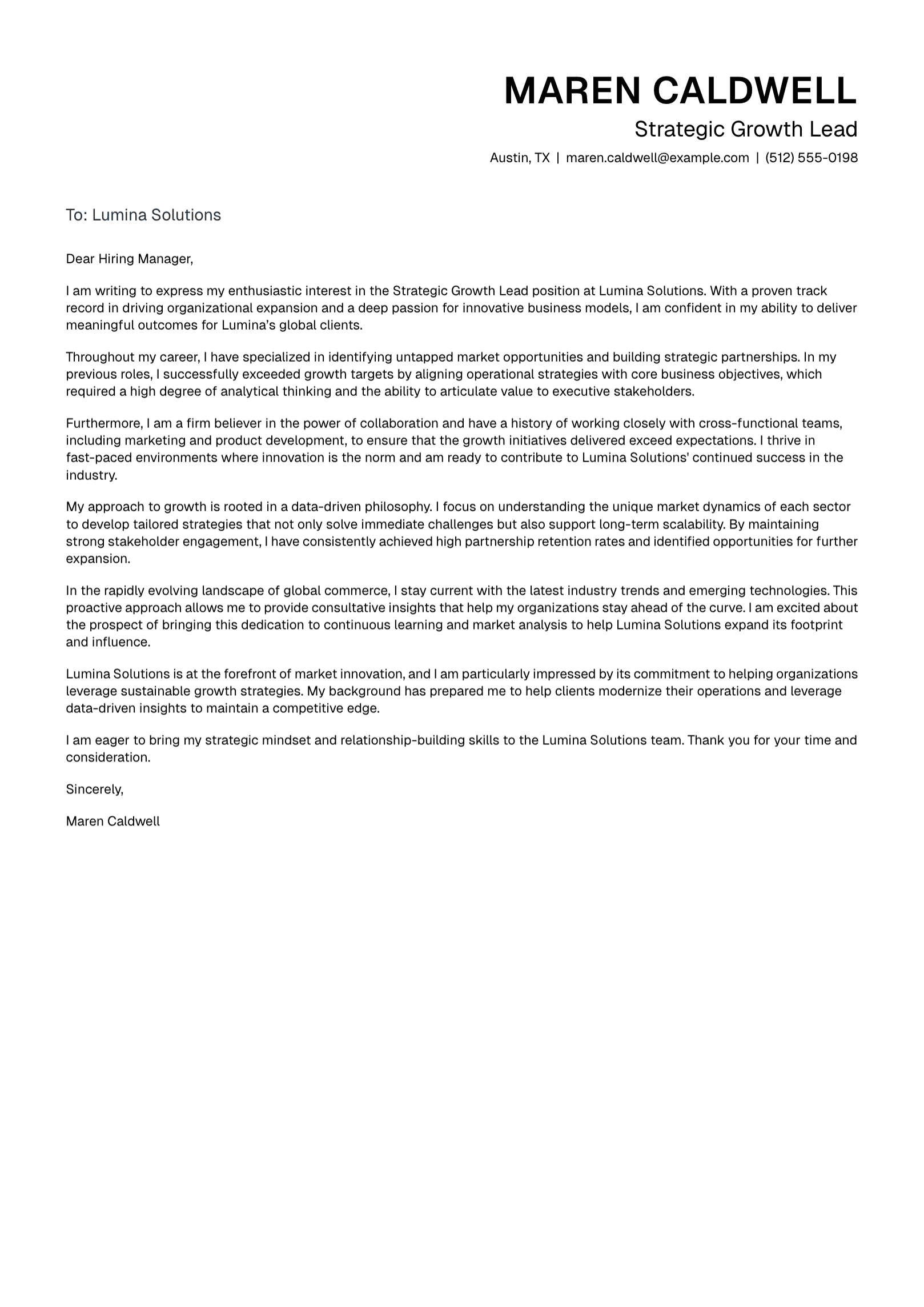
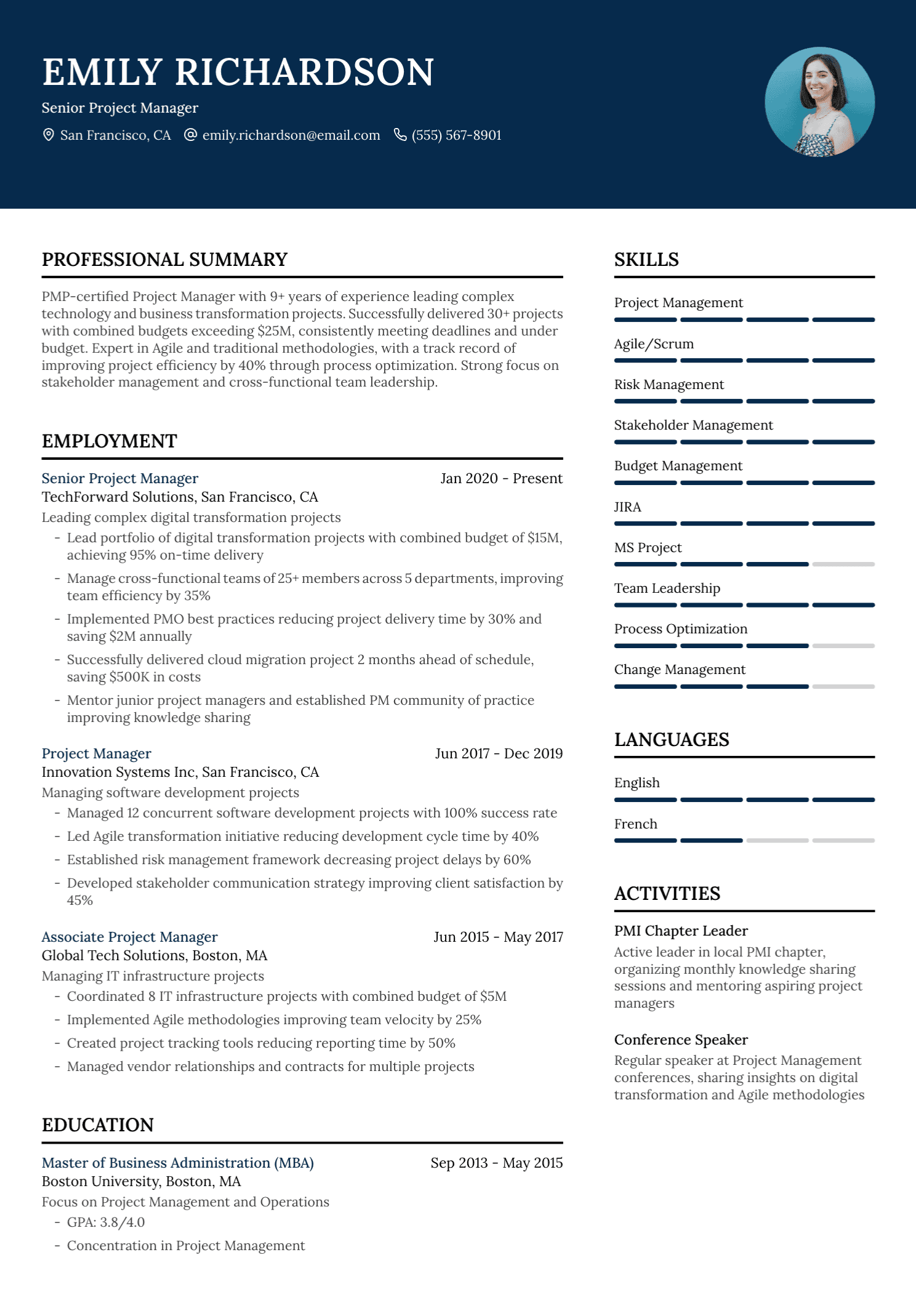
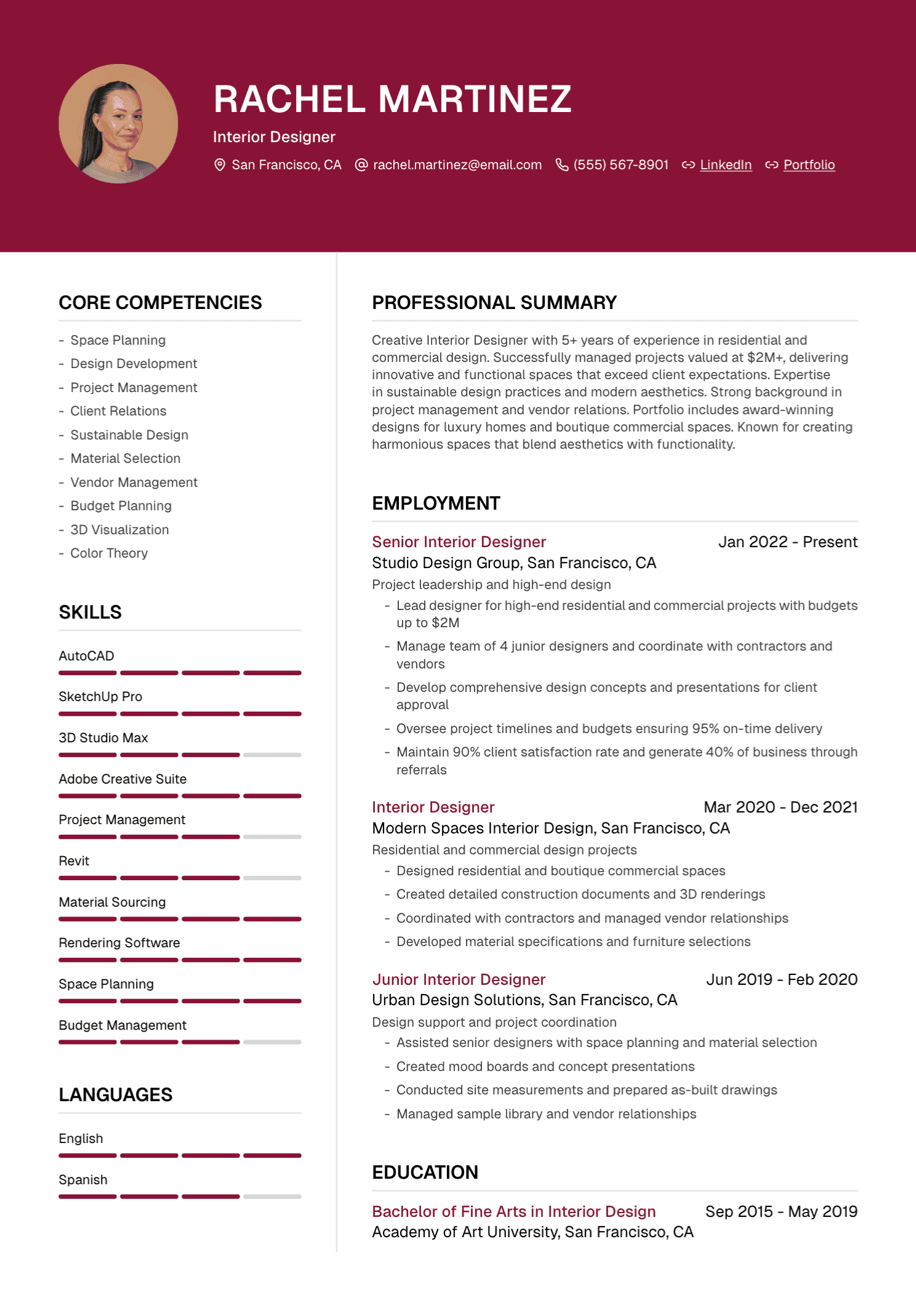
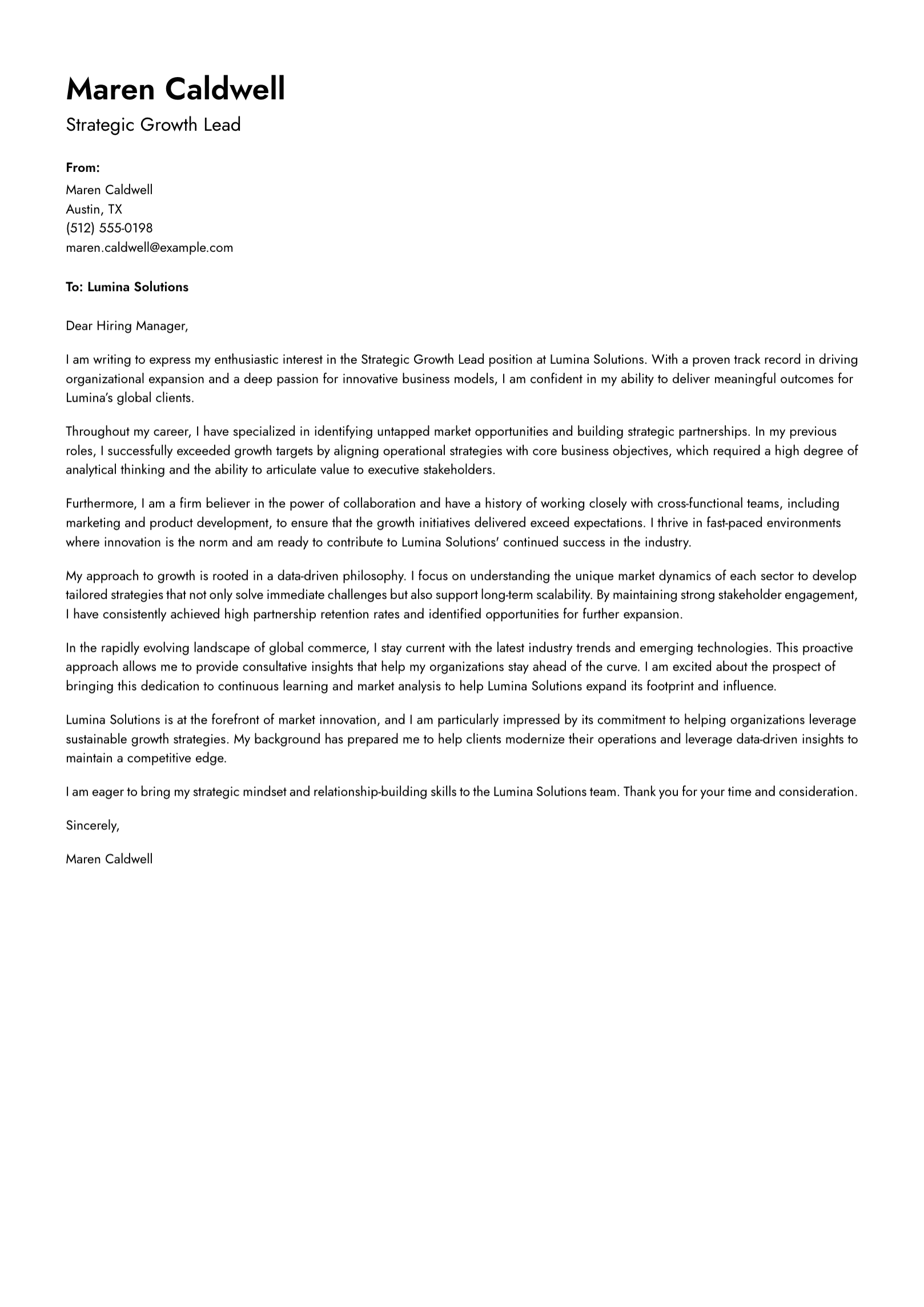
UseResume lets you upload or create a resume, add a job description, generate a tailored version, edit the content, choose a template, and export a PDF. You can also create a cover letter from the same application material.
Use the generated version as a draft. Verify each change against the source and restore your natural voice before sending it.
You can also use the resume checker for an additional review of clarity and common resume issues.
Make the Match Easy to Understand
Tailoring is an act of consideration. You are saving the recruiter from searching through every detail of your career to find the evidence that matters here.
Choose carefully. Write accurately. Let the strongest connection become obvious and leave unsupported matches alone.
Create your account and tailor a resume to your next job description.
Continue with our guides to writing achievement bullets and avoiding common resume mistakes.