The Right Skills List Starts With the Role
A resume skills section should answer one question quickly: which relevant tools, methods, and technical capabilities can this candidate use with confidence?
That answer changes by role. A financial analyst, a nurse, and a frontend engineer need completely different evidence. Even two jobs with the same title may use different systems.
The World Economic Forum's Future of Jobs Report 2025 identifies AI and big data, networks and cybersecurity, and technological literacy among the fastest-growing skill areas through 2030. That global direction offers context. Your target posting still gives you the clearest instructions for a specific application.
Use the list below as a prompt for your memory. Select the skills you genuinely possess and can explain in an interview.
What Counts as a Hard Skill?
Hard skills are learned capabilities used to perform work. They include software, languages, analytical methods, machinery, clinical techniques, financial practices, and regulated procedures. SQL, financial modeling, Salesforce administration, medical coding, CNC programming, and paid search campaign management all fit this category.
Terms such as leadership, communication, and adaptability belong to the soft-skills category. They still matter. Your experience bullets should show how you applied them.
50+ Hard Skills to Consider in 2026
Software development and AI
Skills to consider: Python, Java, JavaScript, TypeScript, C#, Go, React, Next.js, API development, automated testing, Git, and machine-learning model development.
Name the language, framework, or method at the level you actually used. “Built internal React components” gives a reviewer more information than “web development.”
Data, cloud, and cybersecurity
Skills to consider: SQL, R, Tableau, Power BI, statistical analysis, experimental design, data visualization, ETL pipeline development, AWS, Microsoft Azure, Google Cloud Platform, Docker, Kubernetes, identity and access management, vulnerability assessment, and SIEM administration.
The O*NET Technology Skills Search can help US candidates connect specific technologies with occupations that use them. Job postings, professional associations, and local labor-market resources provide useful additional context.
Finance, accounting, and business systems
Skills to consider: financial modeling, forecasting, variance analysis, valuation, advanced Excel, Power Query, SAP, NetSuite, QuickBooks, GAAP reporting, IFRS reporting, audit procedures, anti-money-laundering controls, and Know Your Customer procedures.
Regulated knowledge deserves precision. State the framework, jurisdiction, or process that matches your experience.
Marketing, sales, and content
Skills to consider: search engine optimization, paid search campaign management, Google Analytics 4, conversion-rate optimization, email marketing automation, Salesforce, HubSpot, customer segmentation, A/B testing, Adobe Creative Cloud, content management systems, video editing, and social media advertising.
Platform names help when the posting names them. Broader capabilities help a recruiter understand how you used the platform.
Project, operations, and supply chain
Skills to consider: project scheduling, budget tracking, risk-register management, Jira, Asana, process mapping, Lean methods, Six Sigma methods, inventory planning, demand forecasting, procurement systems, and quality assurance.
A certification can support one of these skills. The experience section should still show practical use.
Healthcare, science, and engineering
Skills to consider: electronic health record systems, medical coding, clinical documentation, telehealth platforms, PCR, cell culture, flow cytometry, bioinformatics, AutoCAD, SolidWorks, Revit, MATLAB, CNC programming, PLC programming, and finite element analysis.
Use the accepted terminology for your profession and location. Include licenses or certifications in their own section when employers need to verify them quickly.
Choose Skills With a Four-Part Test
Before adding a skill, ask:
- Is it relevant? The role uses it or the posting requests it.
- Is it accurate? You have genuine experience, training, or certification.
- Is it current? You can still use it at the level implied by the resume.
- Can you prove it? A role, project, course, certification, or portfolio item supports the claim.
A skill that passes all four checks deserves space. A familiar keyword with weak evidence creates risk during screening and interviews.
Read the Job Description Like a Resume Specialist
I recommend marking the posting in three passes.
Pass one: required capabilities
Highlight tools, methods, certifications, and technical knowledge presented as requirements. Pay attention to the responsibilities too. They often reveal the practical skills more clearly than the qualifications list.
Pass two: repeated language
Repeated terms usually signal priorities. A posting that mentions forecasting four times deserves a resume with clear forecasting evidence near the top.
Pass three: your proof
Place each relevant requirement beside a verified example from your background. You may find the evidence in a work achievement, academic project, volunteer role, certification, or portfolio.
Use the employer's wording when it accurately describes your experience. Keep official product names, certifications, and methods exact.
Build a Skills Section Recruiters Can Scan
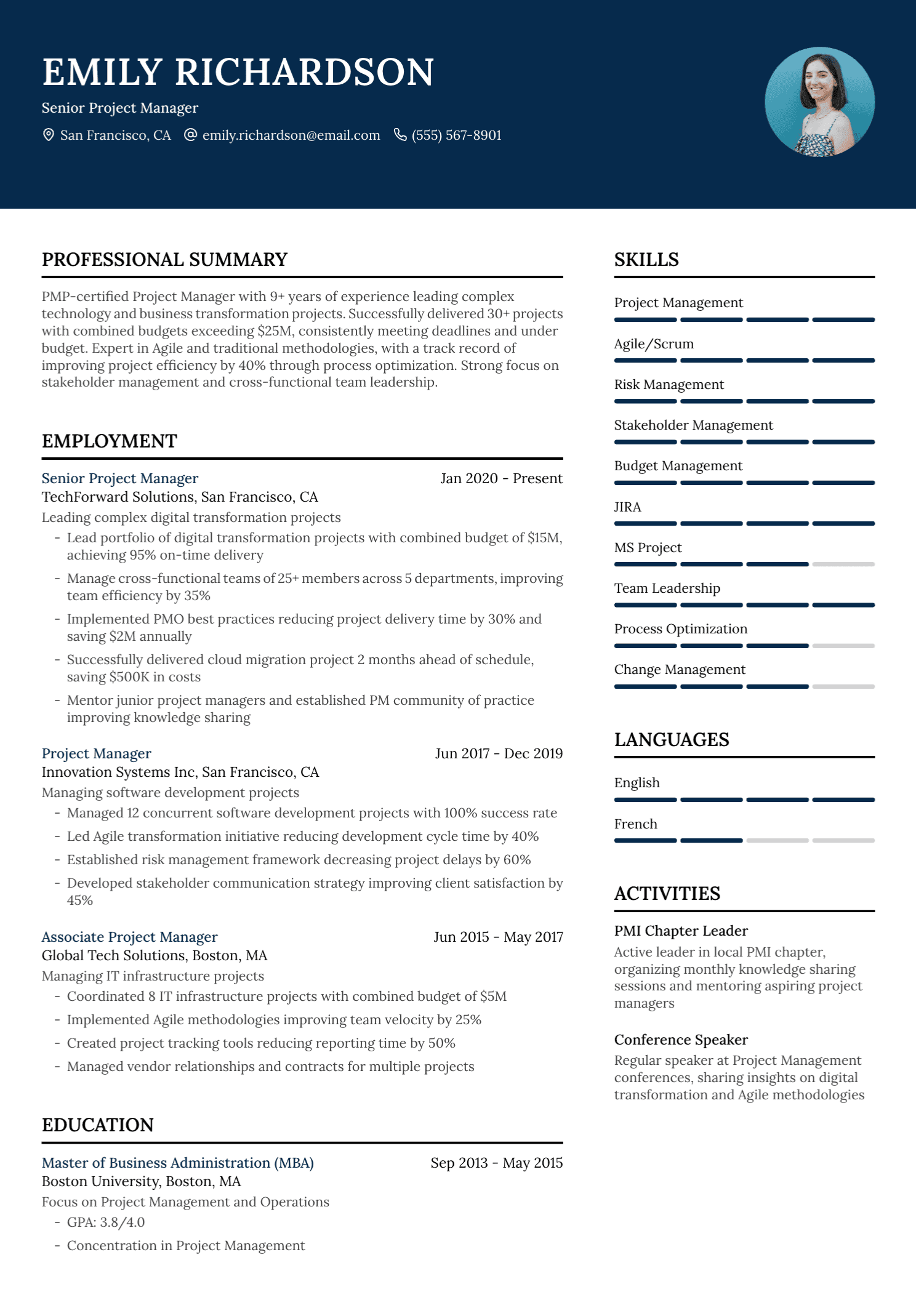
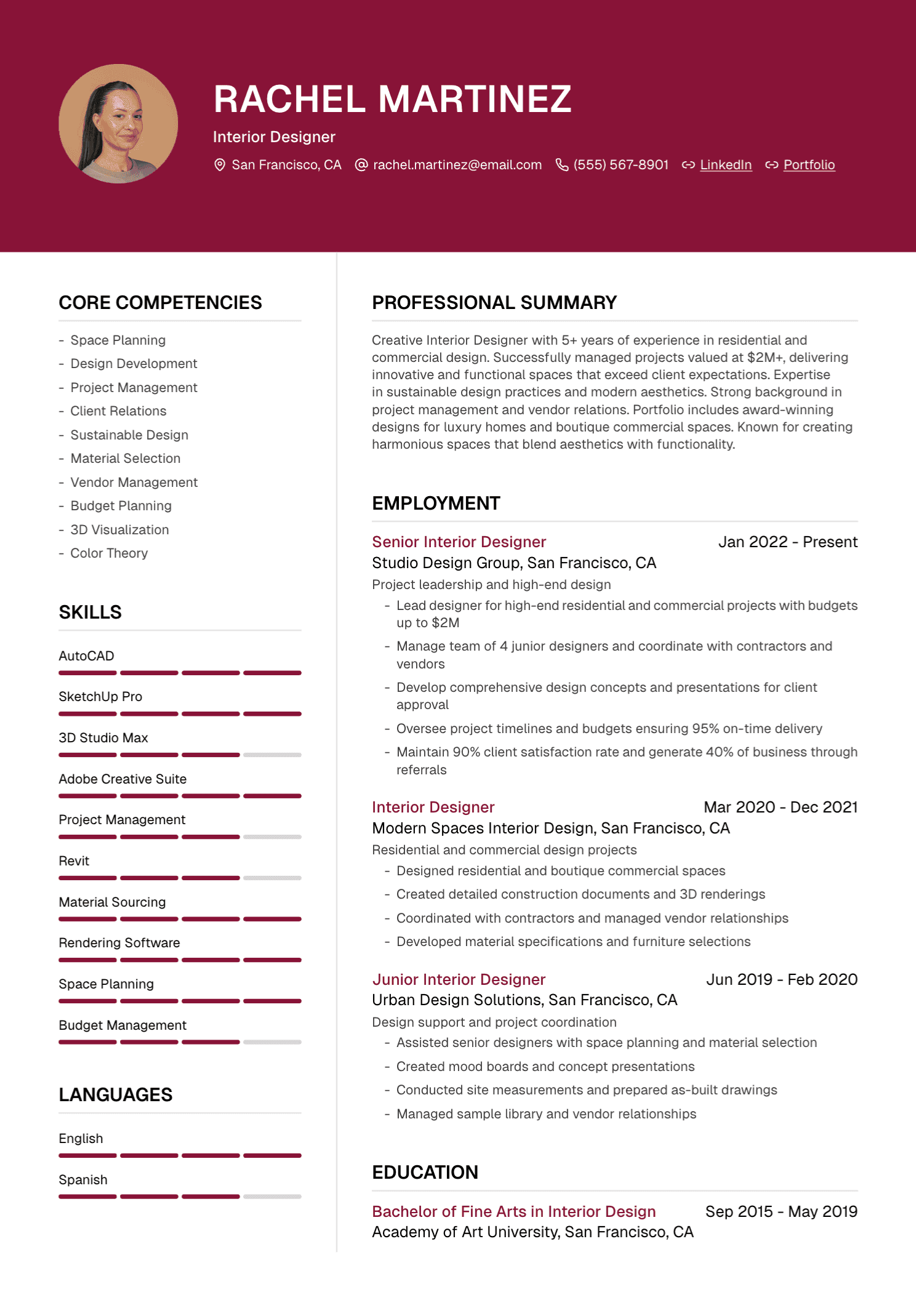
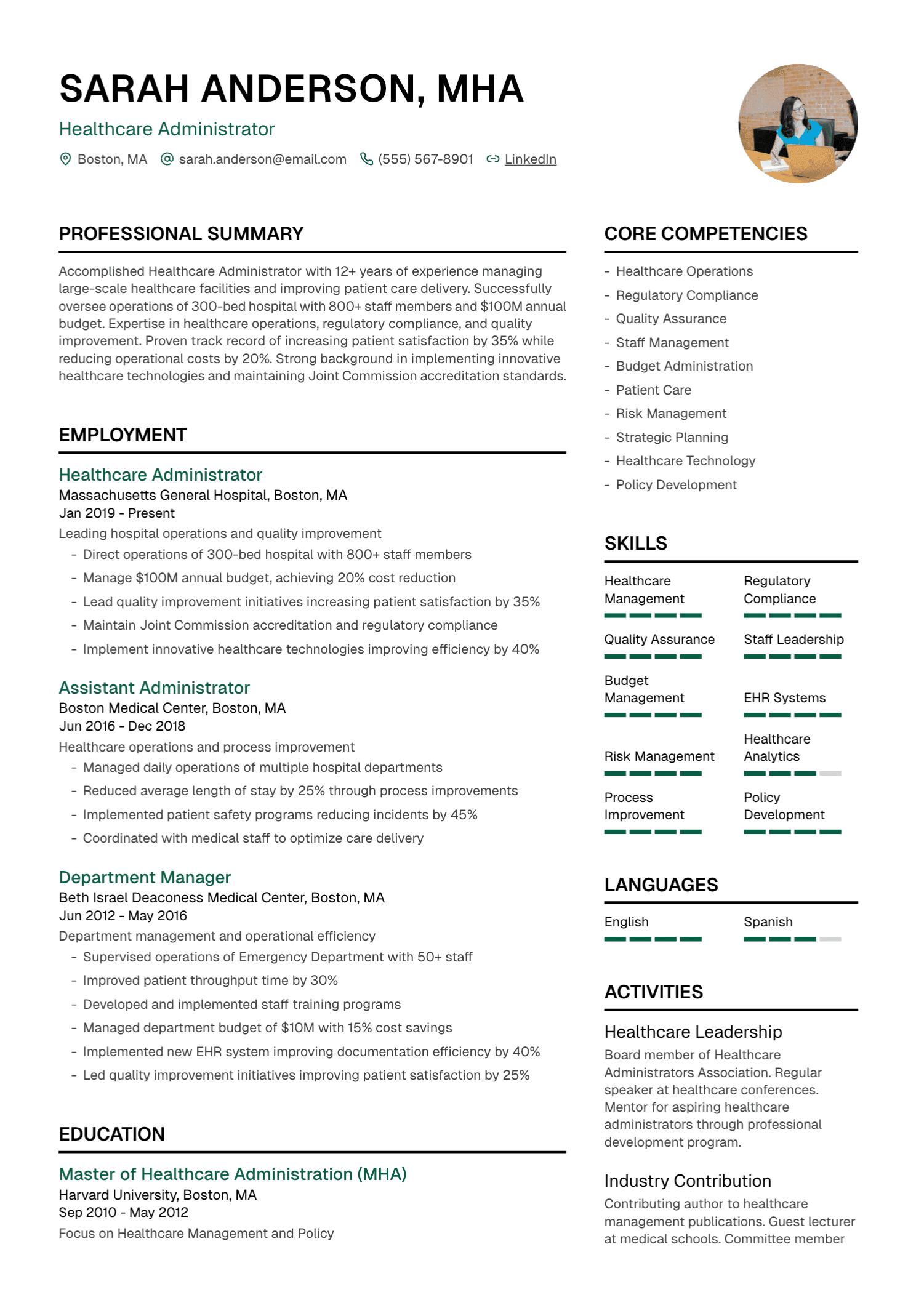
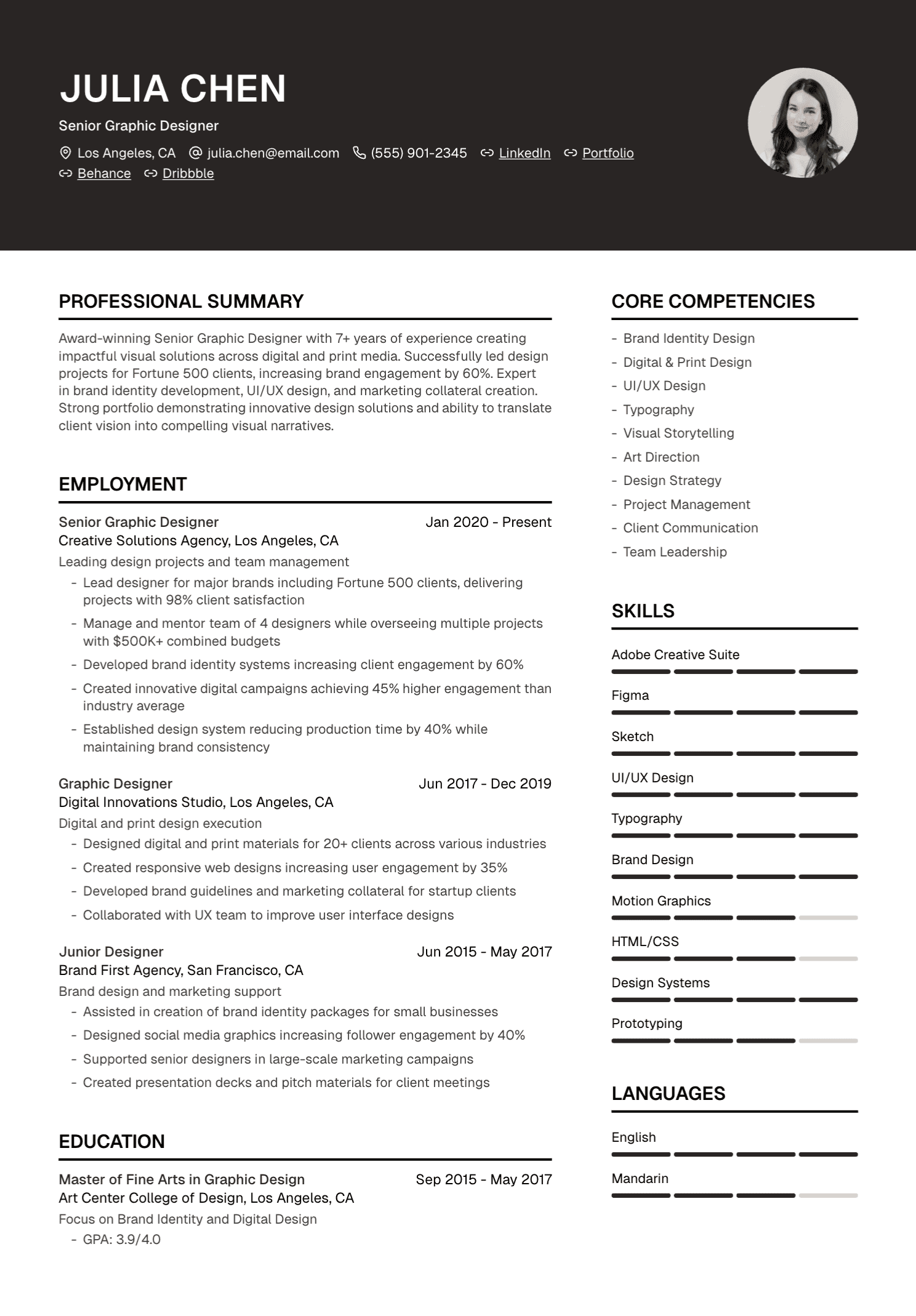
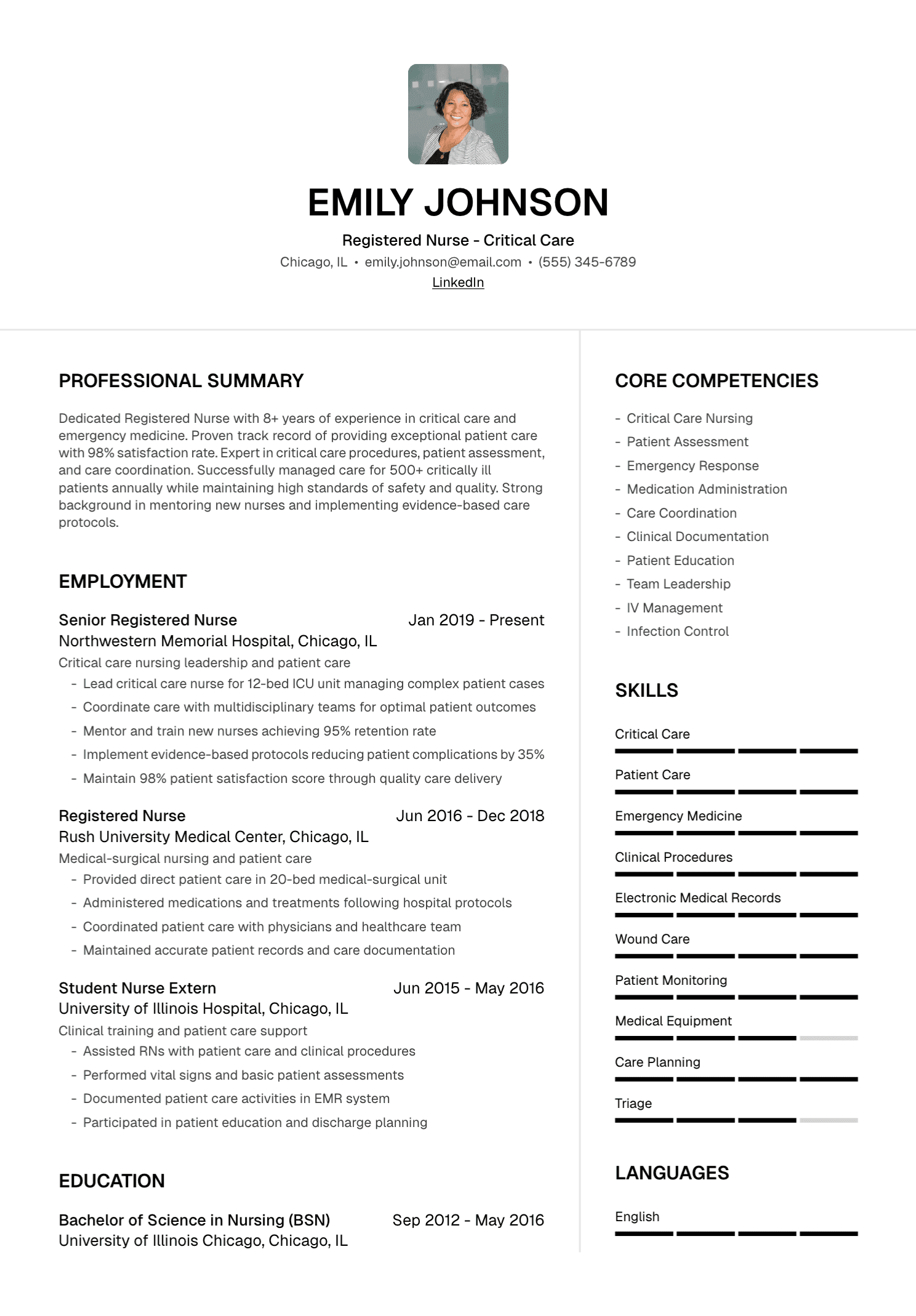
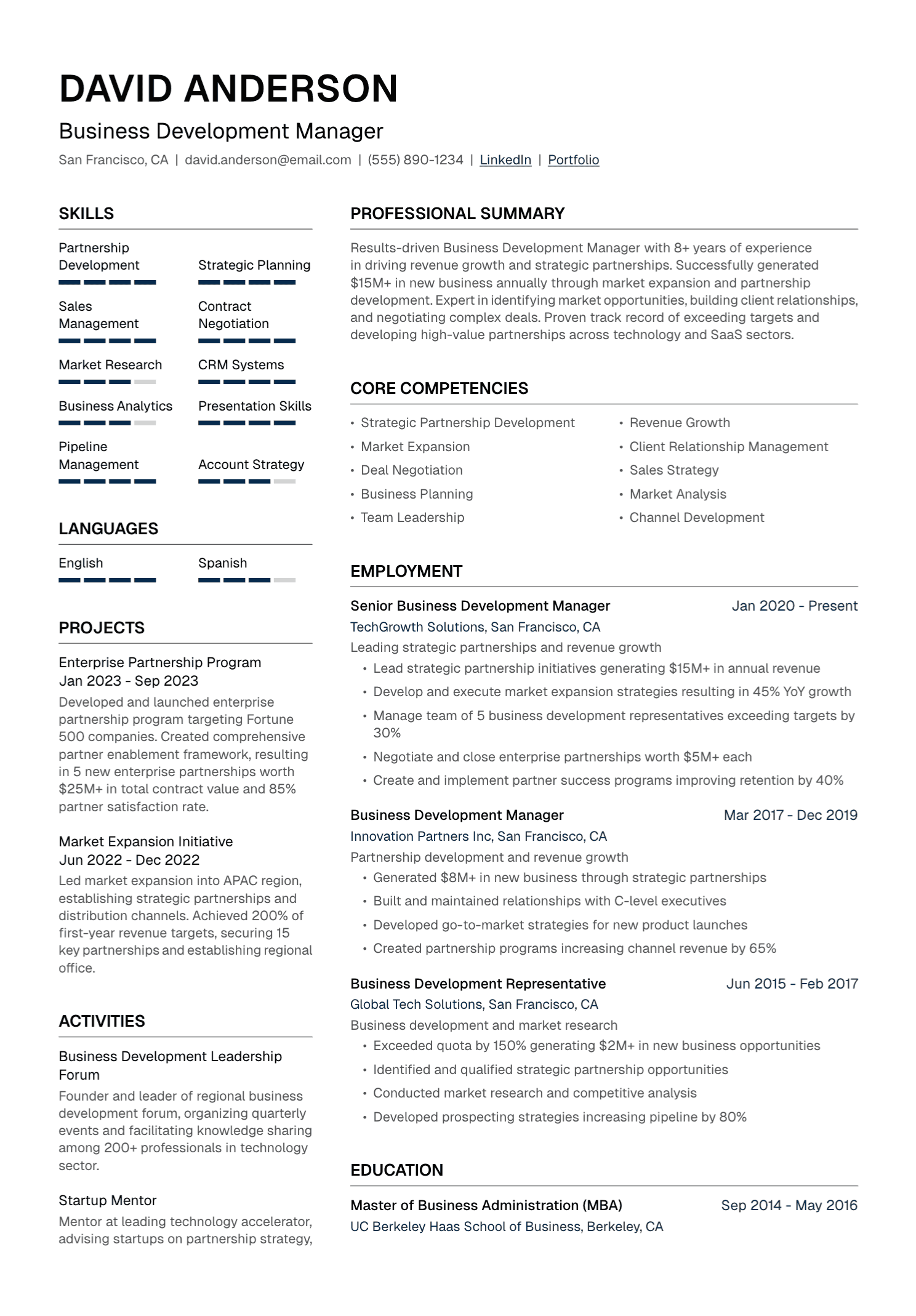
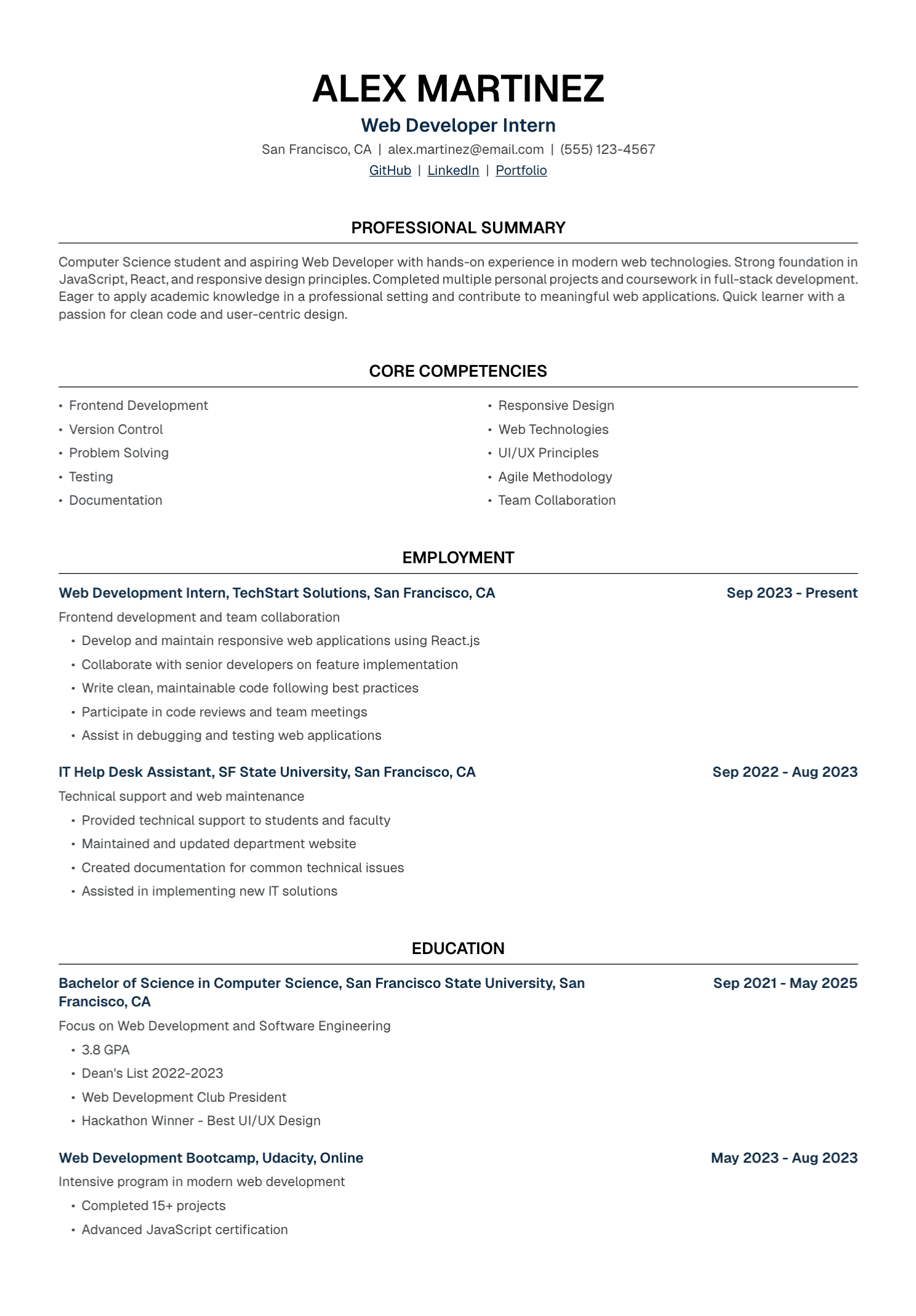
Group related skills into short categories:
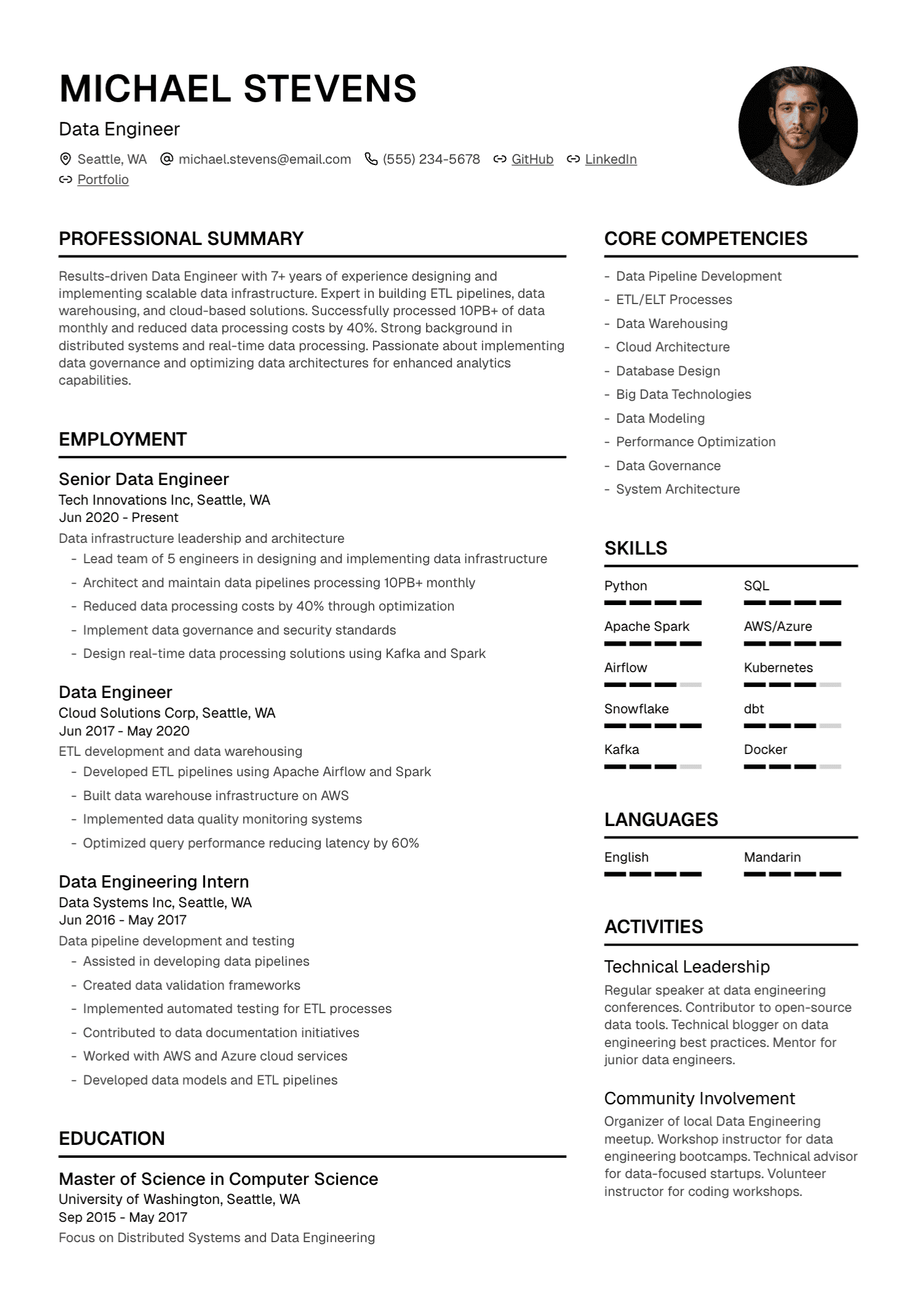
Data: SQL, Power BI, Tableau, Excel Power Query
Business systems: Salesforce, HubSpot, NetSuite
Methods: Forecasting, variance analysis, process mapping
Lead each category with the skills most relevant to the role. Keep the section selective. Twenty relevant skills create a stronger signal than eighty loosely connected terms.
Proficiency labels require a clear standard. “Advanced” means different things across candidates and companies. Years of use, certifications, project context, or concrete achievements usually communicate ability more credibly.
Show the Skills in Your Experience
The skills section helps with quick scanning. Your bullets provide evidence.
Source notes:
Prepared a weekly operations report in Power BI for six regional managers. Replaced manual spreadsheet consolidation and saved about four hours each week.
Resume bullet:
Built a Power BI operations dashboard for six regional managers, replacing weekly spreadsheet consolidation and saving approximately four hours per reporting cycle.
The final bullet works because every detail comes from the source notes. The tool, audience, process change, and result are all verifiable.
When a metric is unavailable, describe scope or purpose:
Used SQL to combine customer and transaction data for the finance team's monthly retention analysis.
Specific work carries more weight than a decorative number.
Where Skills Can Appear
Your professional profile can introduce two or three defining capabilities for the target role. A dedicated skills section gives the recruiter a focused inventory of relevant tools and methods. The experience section then shows how you applied the most important ones.
Early-career candidates and career changers can also use projects, relevant coursework, laboratories, and capstone work as evidence. Current credentials belong in a certification section with the issuing organization and date. A portfolio gives the reader a chance to review the work directly.
Repeat a priority skill when each mention adds useful context. Empty repetition makes the resume harder to read.
Common Skills-Section Problems
Copying the entire posting
Job-description language can guide emphasis. Your background supplies the facts. A copied requirement without supporting experience weakens trust.
Listing outdated software as a current strength
Move older tools lower, add context, or remove them when they have little value for the target role.
Mixing every skill into one line
Categories improve scanning and help the reader understand your professional range.
Adding skills you have only observed
Watching a colleague use a system differs from operating it independently. Describe training or exposure accurately when that distinction matters.
Inventing metrics to strengthen a bullet
Use verified numbers, reasonable scope, or a clear description of the result. Placeholders can help you find missing evidence before submission.
Use AI With Factual Boundaries
An AI tool can compare your skills with a job description and help organize the section. Give it a firm instruction:
Compare the job description with my resume. Identify relevant hard skills that already appear in my experience. Quote the supporting evidence for each one. Suggest a focused skills section using only those verified skills. Flag gaps as questions.
Review every suggestion. AI can infer a tool, certification, or level of proficiency that you never supplied.
UseResume lets you upload or create a resume, add a job description, edit tailored content, choose a template, and export a PDF. Treat the generated version as a draft and keep every claim aligned with your real experience.
Final Review
Read the finished resume once as a recruiter and once as an interviewer.
During the recruiter pass, check relevance, placement, terminology, and readability. During the interview pass, imagine receiving a question about every skill. Keep the skills you can discuss with clarity and specific examples.
Create your account and build a focused resume around the capabilities you can prove.
Continue with our guide to technical skills for your resume and our practical method for tailoring a resume to a job description.