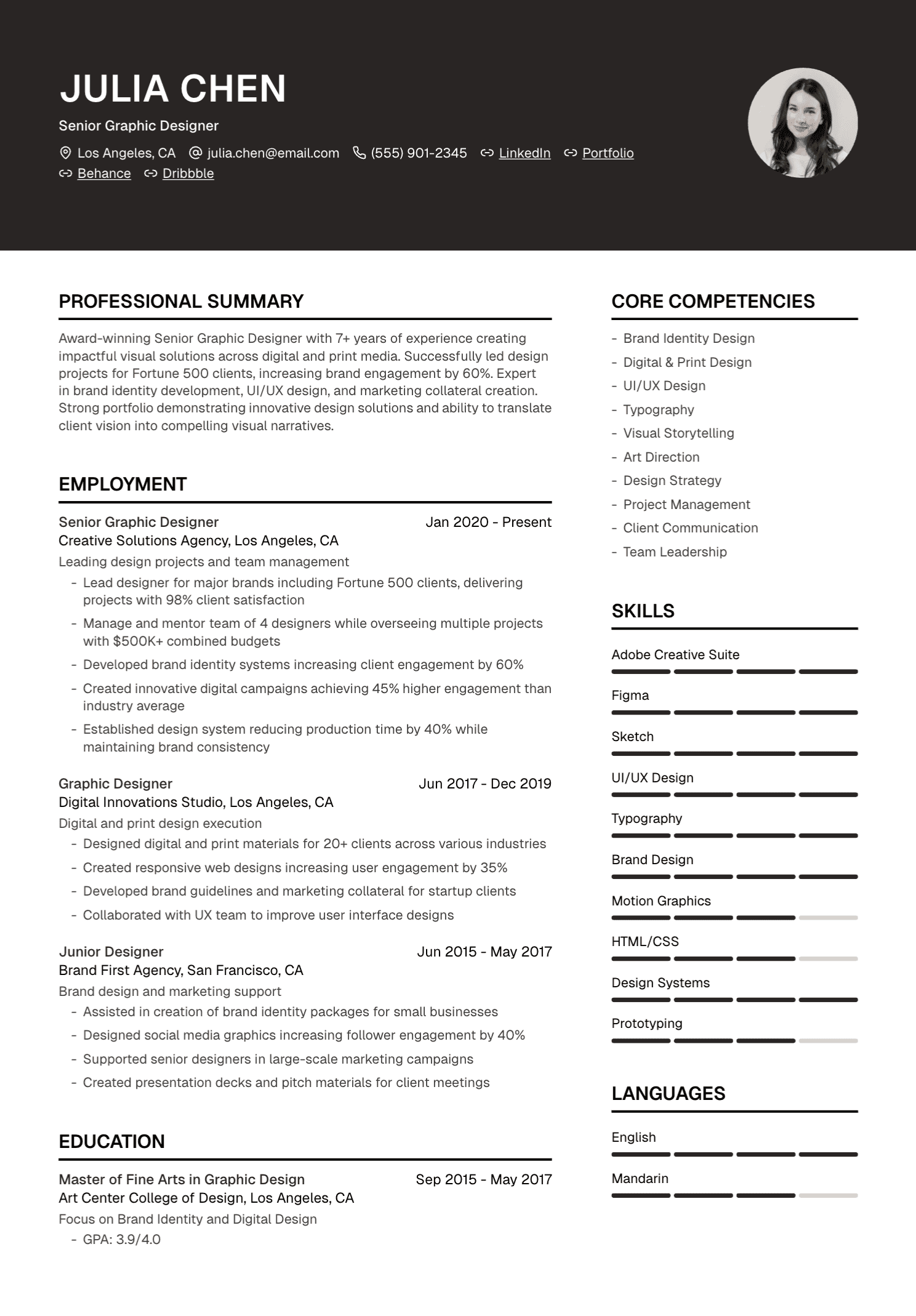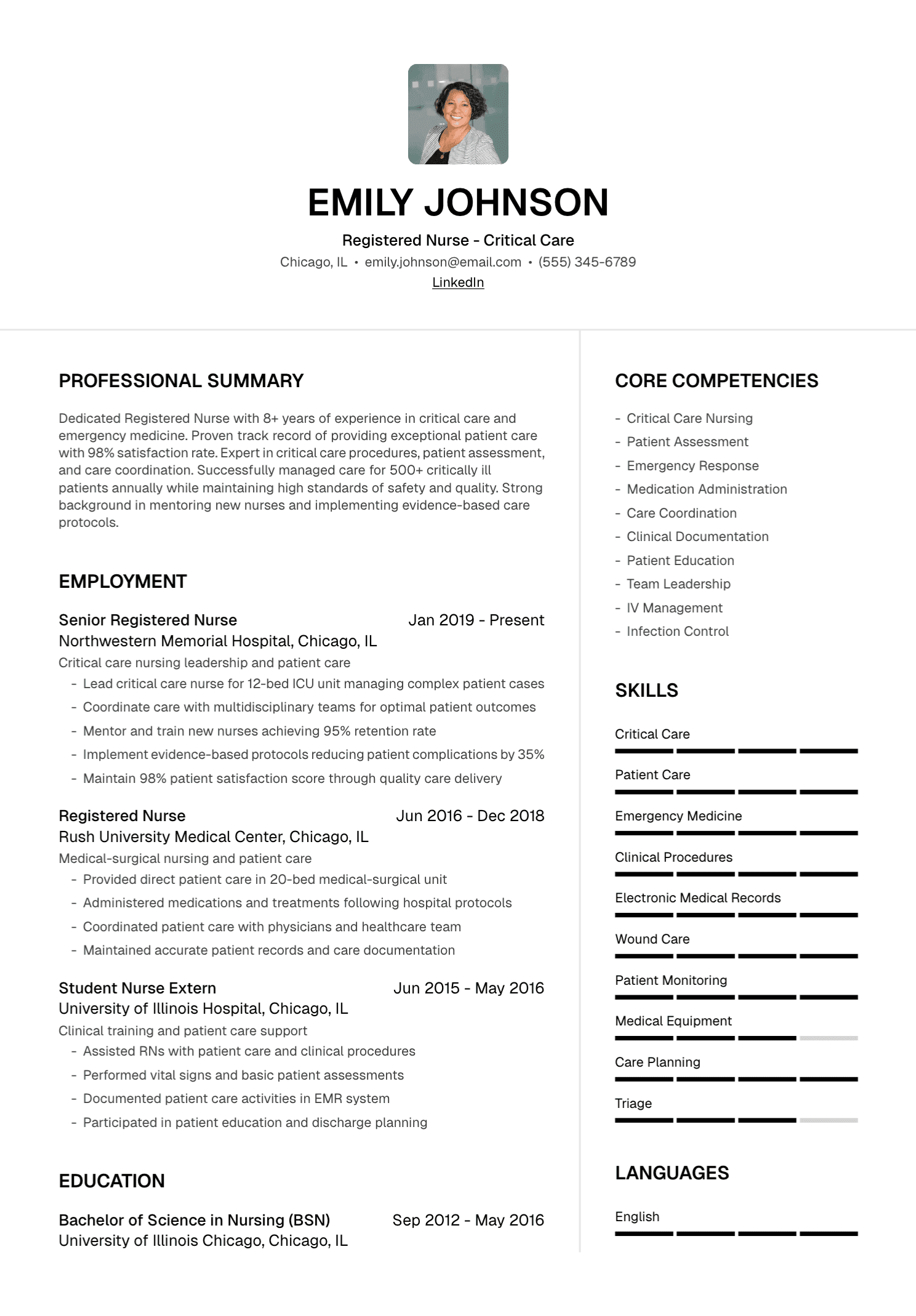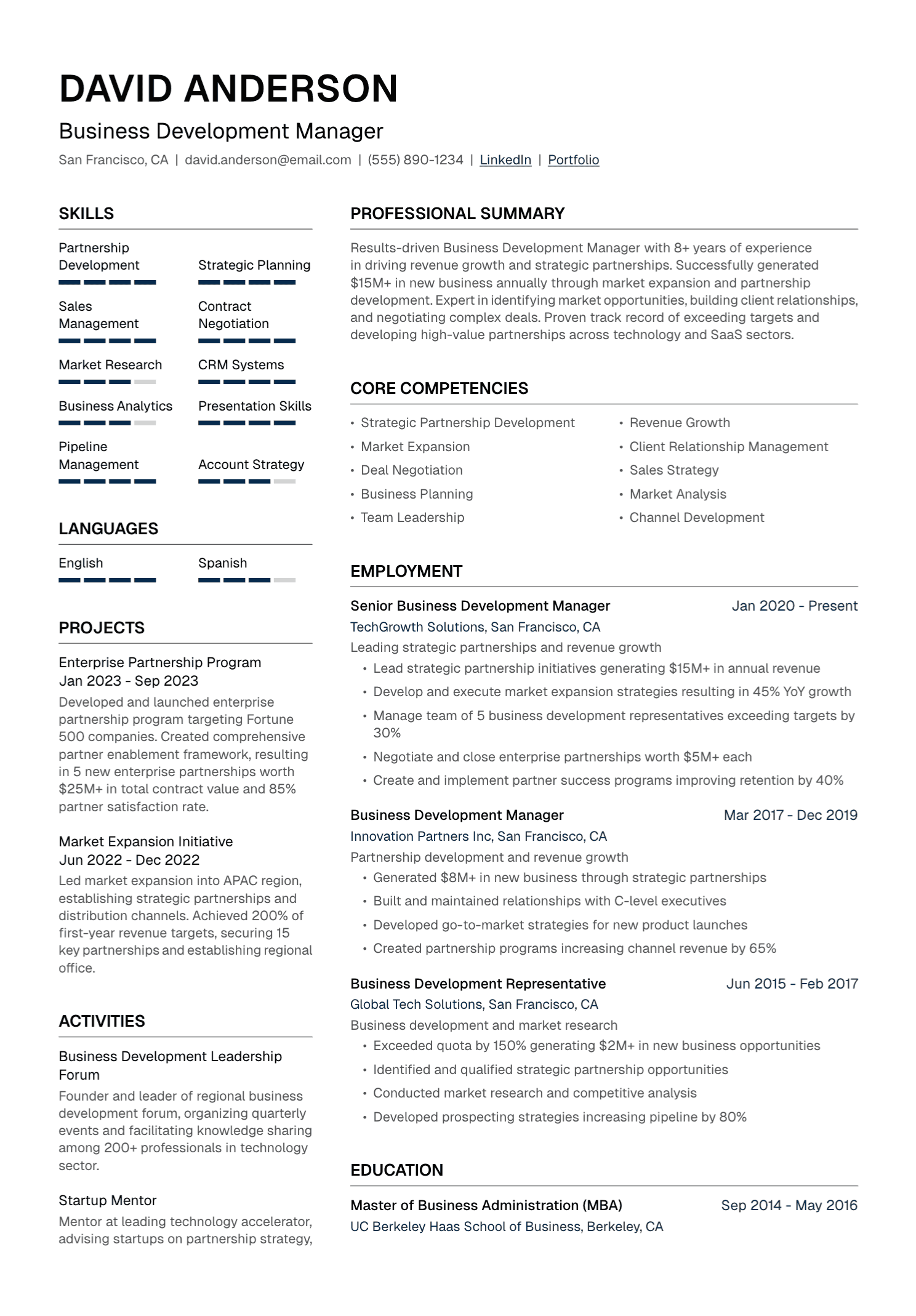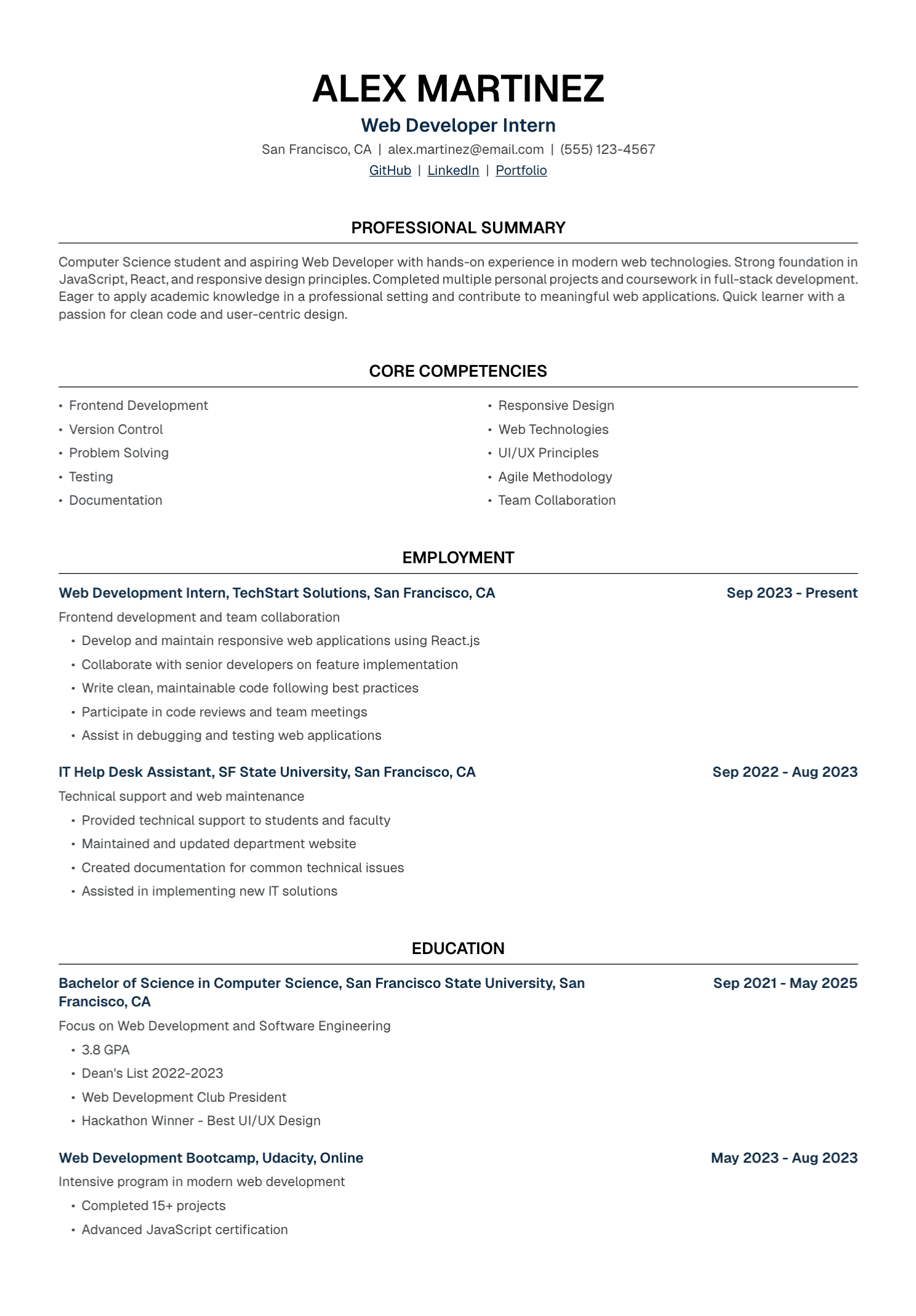
Start With the Job You Want
When candidates ask me which technical skills belong on a resume in 2026, they often expect a master list. The honest answer begins with the role.
Technical skill can mean financial modelling, clinical documentation, CNC programming, SQL, laboratory methods, paid-search platforms, CAD, statistical analysis, or cloud infrastructure. A skill that is central to one career may be irrelevant to another.
Your resume has limited space. Use it for the tools, methods, systems, languages, standards, and equipment that help a reader understand what you can contribute in the target job.
What the 2026 Picture Actually Tells Us
The World Economic Forum's Future of Jobs Report 2025 places AI and big data, networks and cybersecurity, and technological literacy among the fastest-growing skill areas expected through 2030. The report also highlights human capabilities such as creative thinking, resilience, leadership, and analytical thinking.
That global outlook is useful context. It cannot tell a dental hygienist, supply-chain analyst, product designer, and backend engineer to place the same technologies on their resumes.
For occupation-level research in the United States, the O*NET Technology Skills Search connects software products and categories with occupations that use them. Recent job postings, professional associations, licensing bodies, vendor documentation, and local labor-market sources will bring you closer to the role you are actually pursuing.
What Counts as a Technical Skill
A technical skill is a learned capability used to perform a specific kind of work. Software can be part of it, though the capability may also involve a method, process, machine, language, framework, regulation, or scientific technique.
Excel is a product. Building a three-statement financial model is a capability. Python is a language. Cleaning clinical research data in Python under an approved protocol is applied evidence. Adobe Premiere Pro is a product. Editing a multicamera interview and preparing broadcast-ready audio describes the work.
This distinction helps you write a stronger resume because it moves the reader from recognition to understanding.
Find the Skills That Matter for Your Target Role
Begin with several current job descriptions for similar positions. Mark the skills connected with core responsibilities, then notice which terms repeat. Separate required qualifications from preferences and employer-specific tools.
Next, compare that language with your own evidence. Where did you use the skill? What did you create, analyse, maintain, operate, improve, or decide? How recent was the experience? Could you discuss the work comfortably in an interview?
You will usually end up with three groups. The first contains relevant skills you can already prove and should feature. The second contains adjacent experience that deserves accurate explanation. The third contains genuine gaps that belong in a learning plan, far away from the claims on your current resume.
Choose Specificity Over Volume
A long skills section can look impressive from a distance and vague up close. “Data analysis, AI, cybersecurity, cloud, project management, design” asks the reader to imagine your level in every area.
Specific language gives her something useful:
Analysis: Excel Power Query, SQL, Power BI; CRM and reporting: Salesforce reports and dashboards; Project delivery: Jira, Confluence
This example suits someone whose work supports every item. Another candidate would need entirely different categories.
Keep related products distinct. Experience with Google Analytics 4 never becomes Adobe Analytics through clever wording. Familiarity with AWS never establishes hands-on Azure experience. Adjacent knowledge can still be attractive when the resume describes it honestly.
Put Important Skills Inside the Experience Section
The skills section supports quick scanning. Your experience shows how you used the capability and why it mattered.
Here is a hypothetical example built from explicit source notes.
Source notes: Operations analyst; combined weekly files from four sites; used Excel Power Query; preparation time changed from five hours to ninety minutes; analyst built and maintained the process.
Built and maintained an Excel Power Query workflow that combined weekly files from four sites, reducing report preparation from five hours to ninety minutes.
Every detail is traceable. The reader can see the tool, application, scope, ownership, and measured change.
Here is a hypothetical example from a regulated setting.
Source notes: Research coordinator; entered data in REDCap for two studies; checked records against source documents; resolved 37 discrepancies before the monthly review.
Entered and verified REDCap data for two studies, resolving 37 source-document discrepancies before the monthly review.
The wording stays within the candidate's recorded responsibility. It makes no claim about clinical authority, compliance ownership, or study outcomes.
Show Depth Without Rating Yourself
Labels such as “expert,” “advanced,” and “intermediate” have no shared standard. One person's advanced Excel is another person's ordinary working knowledge.
Depth becomes clearer through years of recent use, project complexity, scope, credentials, work samples, and experience bullets. A certification can help where an employer values that credential, provided the name, issuer, status, and date are accurate.
Recency matters. A candidate who used a system daily five years ago may need time to regain fluency. You can place current skills first and give older technology context inside the role where you used it.
If the application form asks for a proficiency level, choose the answer you can defend. On the resume itself, evidence often does the job more elegantly.
Data and Analytics Skills
Relevant capabilities may include spreadsheet modelling, SQL, statistical analysis, business intelligence, data visualization, experimentation, forecasting, data quality, research methods, and domain-specific analytical software.
Name the analysis and its purpose. “Built a Power BI dashboard” leaves important questions open. Who used it? Which decision did it support? Which data did you prepare? What part did you own?
Protect sensitive information when describing data work. Employers, clients, patients, and research participants deserve appropriate confidentiality. You can often show scale and method while keeping private details out of the document.
AI Skills
AI-related work varies enormously. Writing prompts for a general-purpose assistant, evaluating model output, integrating an API, fine-tuning a model, building an evaluation set, and governing an enterprise workflow are separate capabilities.
Describe the actual task. A communications professional might explain how she created a human-review process for draft content. An engineer might describe an application integration and its evaluation criteria. A legal or healthcare professional may focus on approved use, data handling, and expert review.
“AI expert” is a sweeping label. The work itself will make the level clearer. Include the product or model when it matters, and preserve confidentiality around internal systems and data.
Cybersecurity and Privacy Skills
Specialist security roles may require vulnerability assessment, identity and access management, security operations, incident response, penetration testing, governance, cloud security, or secure software development. Each area has its own tools, frameworks, and levels of responsibility.
For other professions, security awareness may be an ordinary expectation. A generic claim such as “cybersecurity” can overstate that experience. Mention completed training, privacy-sensitive workflows, access administration, secure data handling, or policy implementation when these were meaningful parts of your work.
Licenses, clearances, and certifications need exact names and current status. Never imply authorization beyond the credential you hold.
Business, Operations, and Finance Systems
Technical skills appear throughout business functions. They may include CRM administration, ERP modules, financial planning, accounting systems, HR information systems, marketing automation, procurement platforms, forecasting, process mapping, and business intelligence.
The module and workflow matter. “SAP” covers a vast environment. “Processed purchase orders in SAP S/4HANA” gives a reader a clearer starting point, while configuration or implementation experience would need different wording.
In finance and other regulated fields, separate software familiarity from professional authority. Using a system never creates a license or approval.
Engineering, Manufacturing, Healthcare, and Research
Technical evidence in these fields may involve machinery, laboratory methods, clinical systems, coding classifications, EHR modules, CAD, simulation, quality systems, automation, instrumentation, statistical packages, or reproducible research tools.
Safety, validation, and jurisdiction can affect the language. State the equipment, method, standard, module, and authorized responsibility accurately. Avoid broadening experience across disciplines simply because the terminology sounds related.
For education and research, projects and publications can show depth. Clarify your role in study design, data collection, analysis, code, writing, or instruction when several people shared the work.
Creative and Digital Production Skills
Design, content, and media roles may use prototyping, layout, illustration, animation, video, audio, content-management, digital-asset, and analytics tools. A portfolio will often provide the strongest proof.
On the resume, state your contribution and the setting. Concept development, art direction, production design, editing, and asset preparation are different responsibilities. Clear credit makes collaborative work more credible.
Use Projects to Support Newer Skills
A project can demonstrate a skill before it becomes part of your paid employment. Label personal, academic, volunteer, freelance, and simulated work accurately.
Explain what you built or analyzed, why you chose the method, and what you learned. Include a repository, portfolio piece, report, or demonstration when it is safe to share and easy to understand.
Course completion shows learning. Applied work shows what you can do with it. Together, they can make a thoughtful case for a developing skill.
Keep the Skills Section Current
Review your skills whenever you change targets or take on a substantial project. Remove products that no longer represent usable knowledge. Update renamed credentials and expired certifications. Check that a skill featured near the top still appears somewhere in your recent evidence.
Before paying for training, study the jobs you want. Check the curriculum, assessment, issuer, renewal requirements, local recognition, and opportunities to practice. The most fashionable course may have little relevance to your profession.
Write for Resume Software and People
Applicant tracking systems vary. Many support parsing and keyword search, so accurate terminology and familiar headings can help recruiters find relevant experience.
Use the full name and common abbreviation where both matter, such as “Customer Relationship Management (CRM)” or “Amazon Web Services (AWS).” Repeat a term only where it occurs naturally in your work. A dense block of keywords gives a human reader very little confidence.
Keep the layout clear and follow the employer's requested file format. No formatting choice can guarantee passage through every employer's hiring process.
Use AI Without Letting It Invent Skills
AI can sort a long skills list, compare it with a posting, and suggest clearer categories. It can also add tools commonly associated with your title even when you have never used them.
Give it a traceable task:
Compare this job description with my resume. List only technical skills explicitly supported by my work, projects, education, or certifications. Quote the supporting source for each one. Group them by function, preserve exact product and credential names, and flag requested skills with no evidence.
Review every result. Remove anything you would hesitate to explain in front of a knowledgeable interviewer.
UseResume lets you upload or create a resume, add a job description, generate a tailored draft, edit the skills and experience sections, choose a template, and export a PDF. The final selection and factual review remain in your hands.
A Technical Skills Section Should Feel Believable
The best skills section is rarely the longest. It reflects the target role, gives priority to current ability, and connects with evidence throughout the resume.
Choose the skills you have earned. Describe them with precision. That quiet confidence feels far more human than a page built around every trend of the year.
Create your UseResume account and build a focused technical-skills section.
Continue with our guides to computer skills by industry and 50+ hard skills for a resume.