A Career Change Can Make an Accomplished Person Feel Like a Beginner
You may have spent ten years becoming excellent at your work, then opened a job description in a new field and felt your confidence disappear. The titles look wrong. The tools are unfamiliar. Your strongest achievements seem to belong to another version of your life.
That feeling deserves care. You are entering a new context with real experience behind you. The resume has to make the bridge visible while keeping both sides accurate.
A career change resume should answer three questions quickly: where are you going, which parts of your background transfer, and what have you done to prepare for the move?
Define the New Direction Precisely
“Tech,” “marketing,” “project management,” and “consulting” are too broad for a useful resume. Choose a realistic role, level, and environment.
Read several postings and identify the responsibilities that repeat. Look for tools, methods, stakeholders, outcomes, and required domain knowledge. Then speak with people doing the work if you can. A job title can hide enormous variation between companies.
Write a private target statement such as: “I am pursuing customer education roles in B2B software, with a focus on onboarding and live facilitation.” This sentence guides your evidence choices even if it never appears on the resume.
Separate Transferable Evidence From Genuine Gaps
Create a map before rewriting:
| Target requirement | Evidence from your background | Gap or next step |
|---|---|---|
| Facilitate customer training | Designed and delivered five weekly classes for adult learners | Need product-specific example |
| Build learning materials | Created curriculum, exercises, and assessments | Strong match |
| Use a learning platform | Managed course content in [verified platform] | Confirm employer's tool |
| Measure product adoption | No direct evidence | Build knowledge through a relevant project or current role |
This is a hypothetical map. Yours should be candid. Strong matches belong in the resume. Partial matches need careful language. Gaps can guide learning, networking, side projects, or a more accessible first role.
The map also protects you from borrowing responsibilities from the vacancy. Desire is meaningful, yet it is a different kind of evidence from experience.
Use a Skills-First Hybrid Format
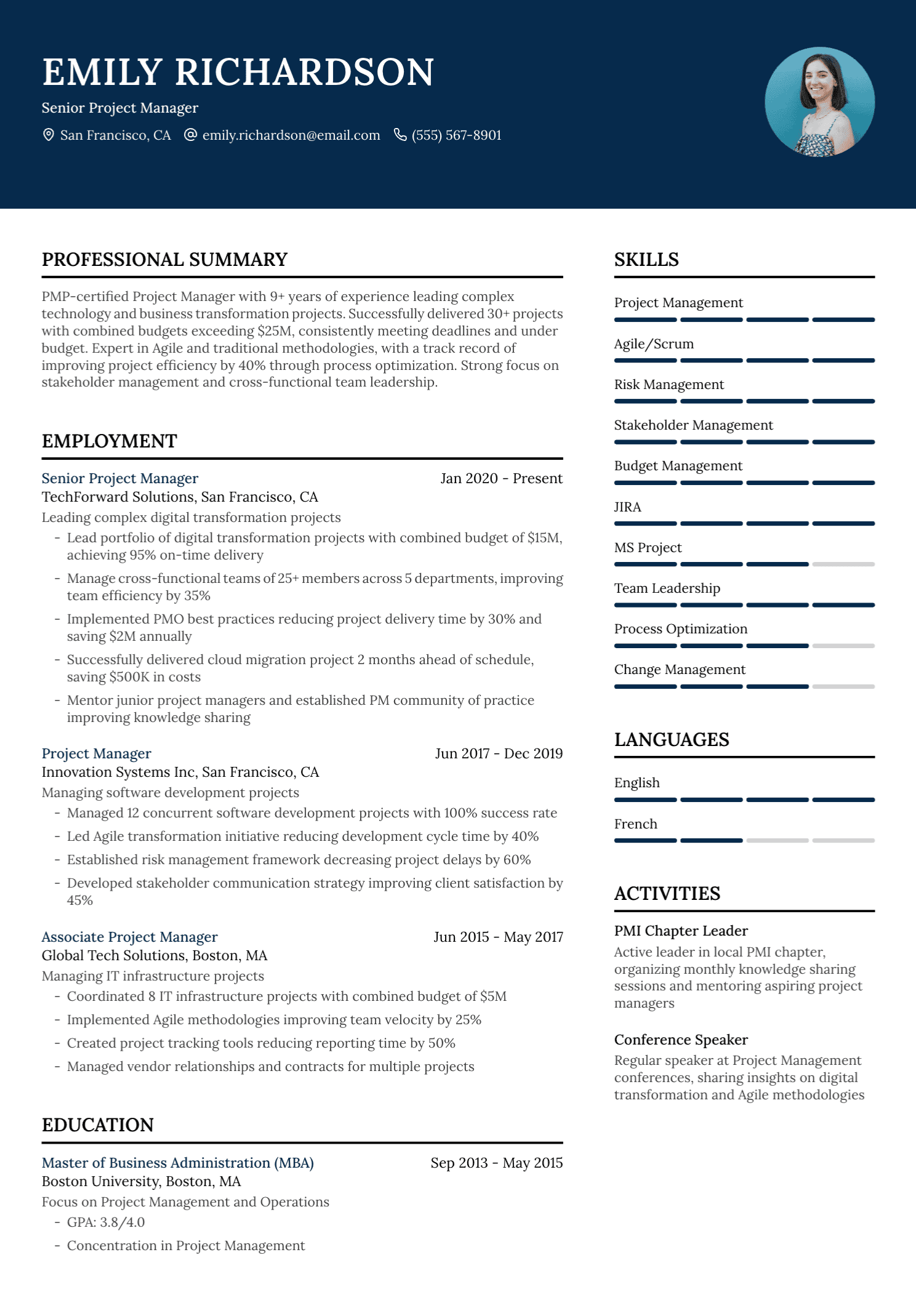
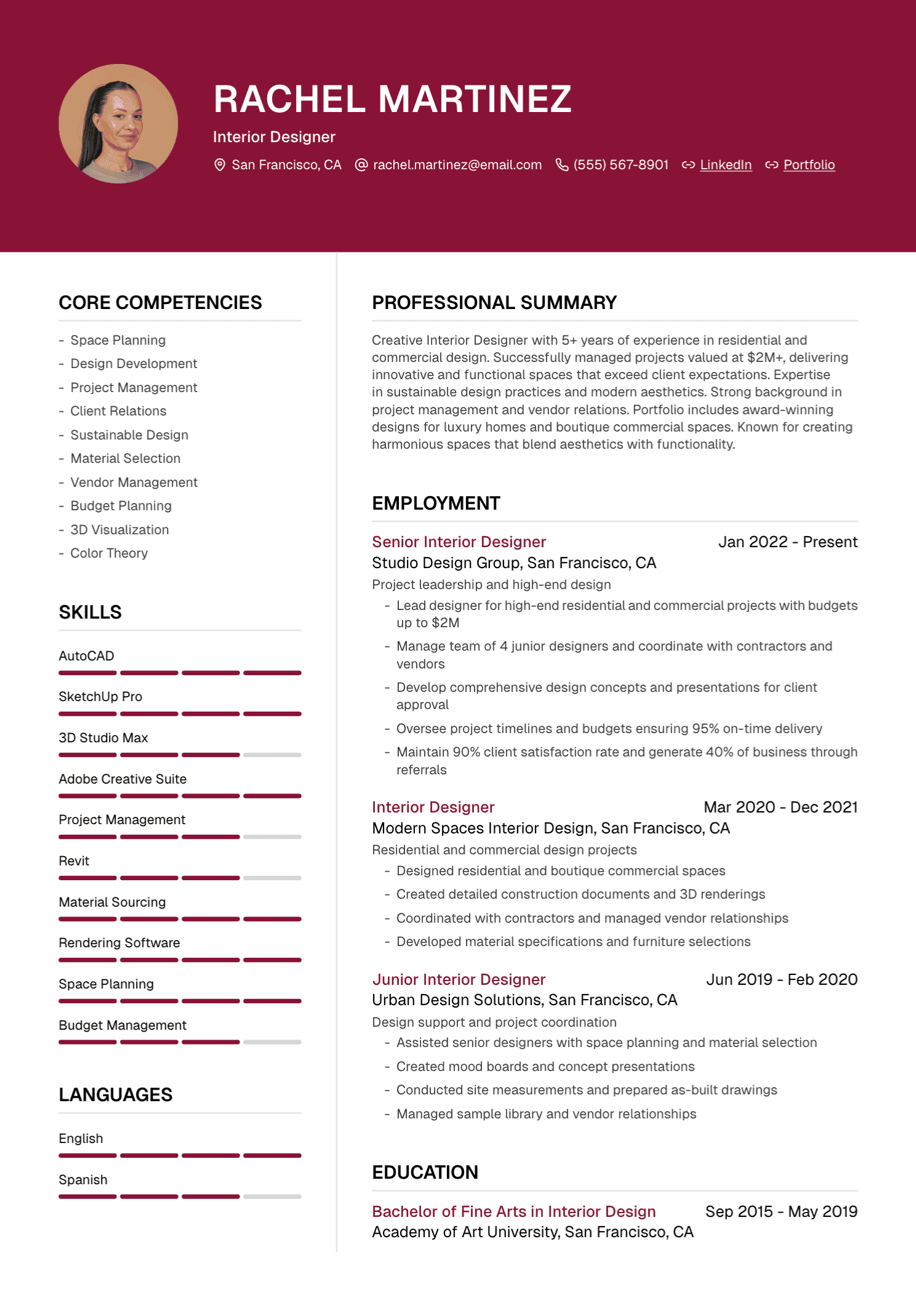
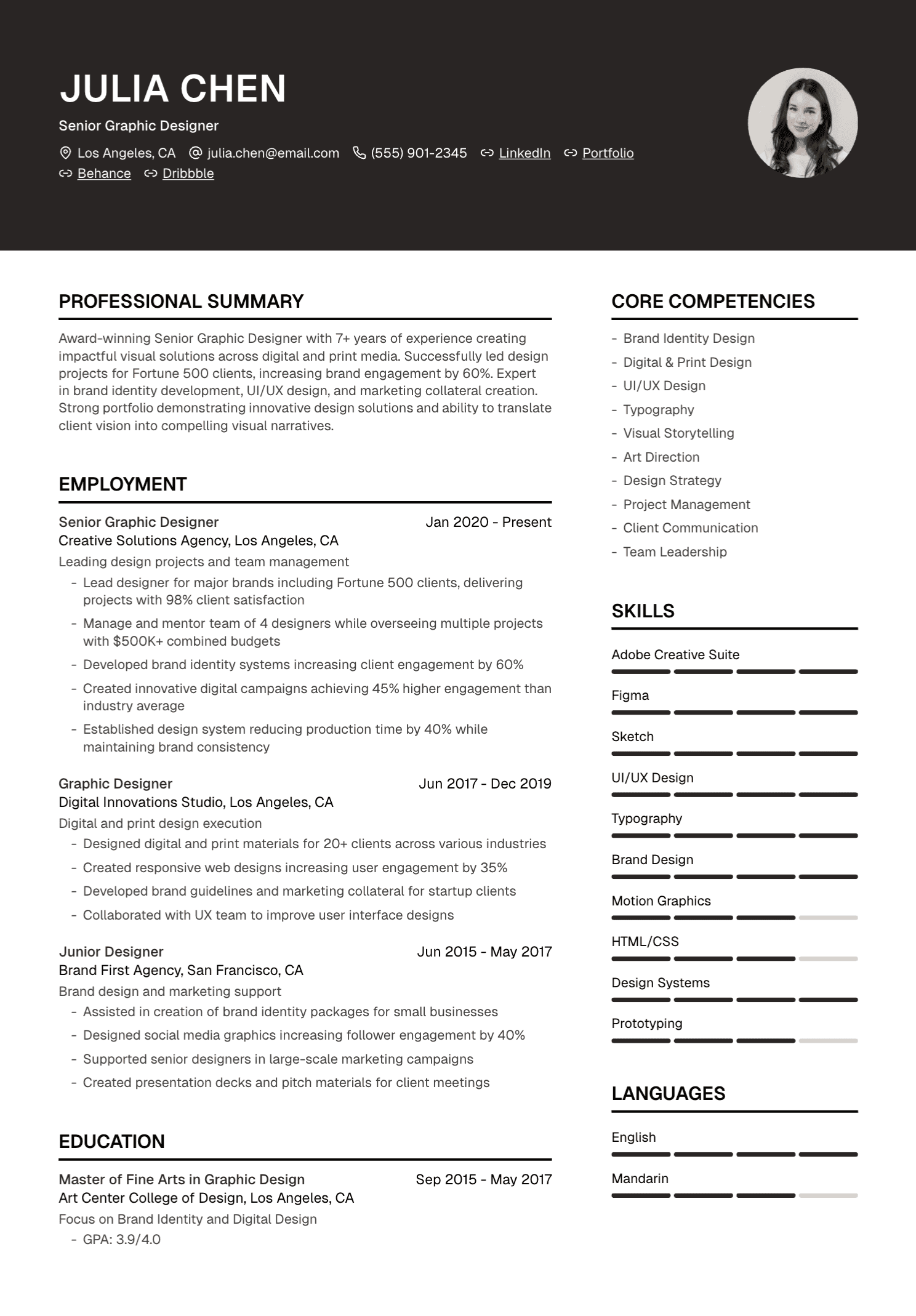
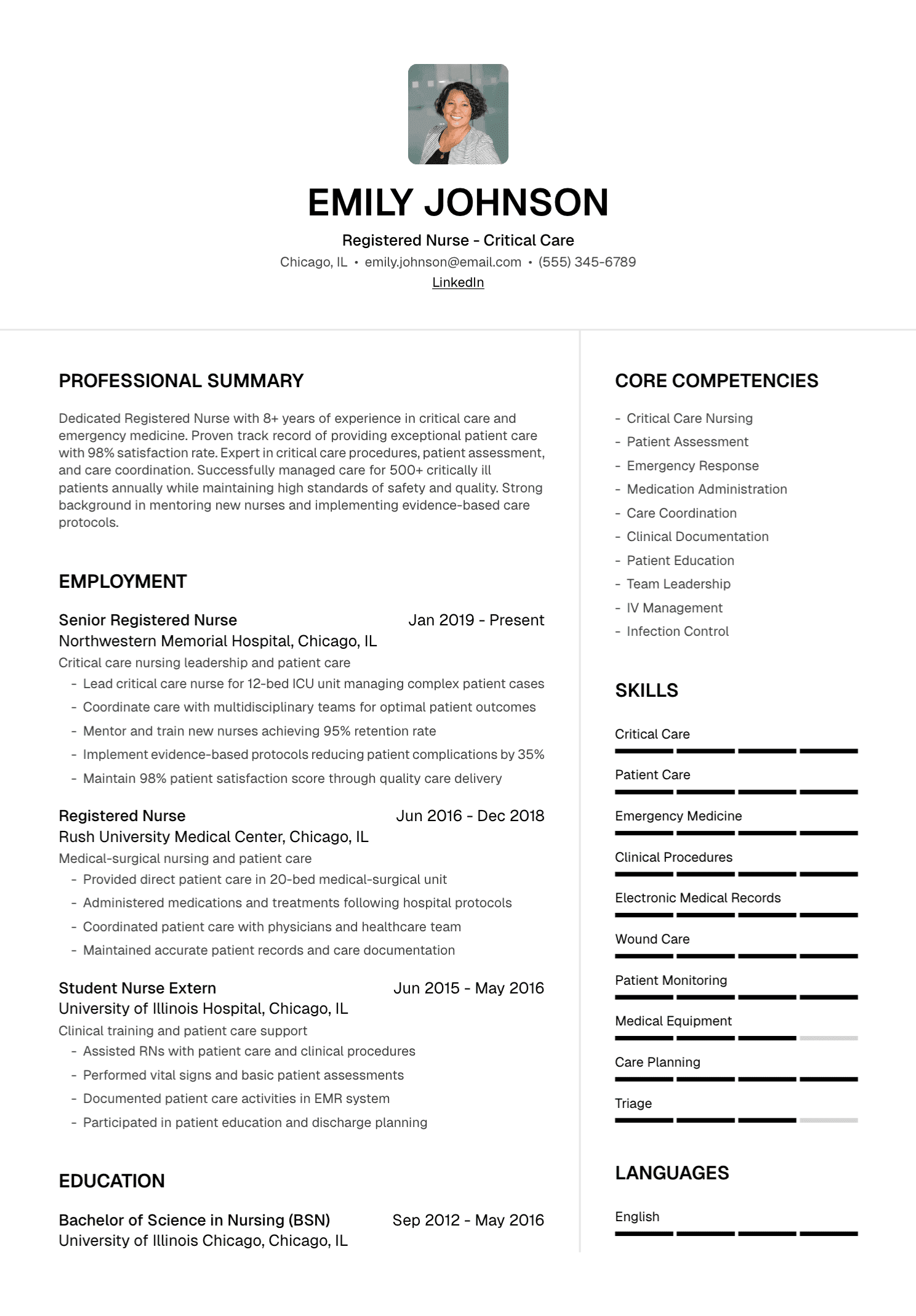
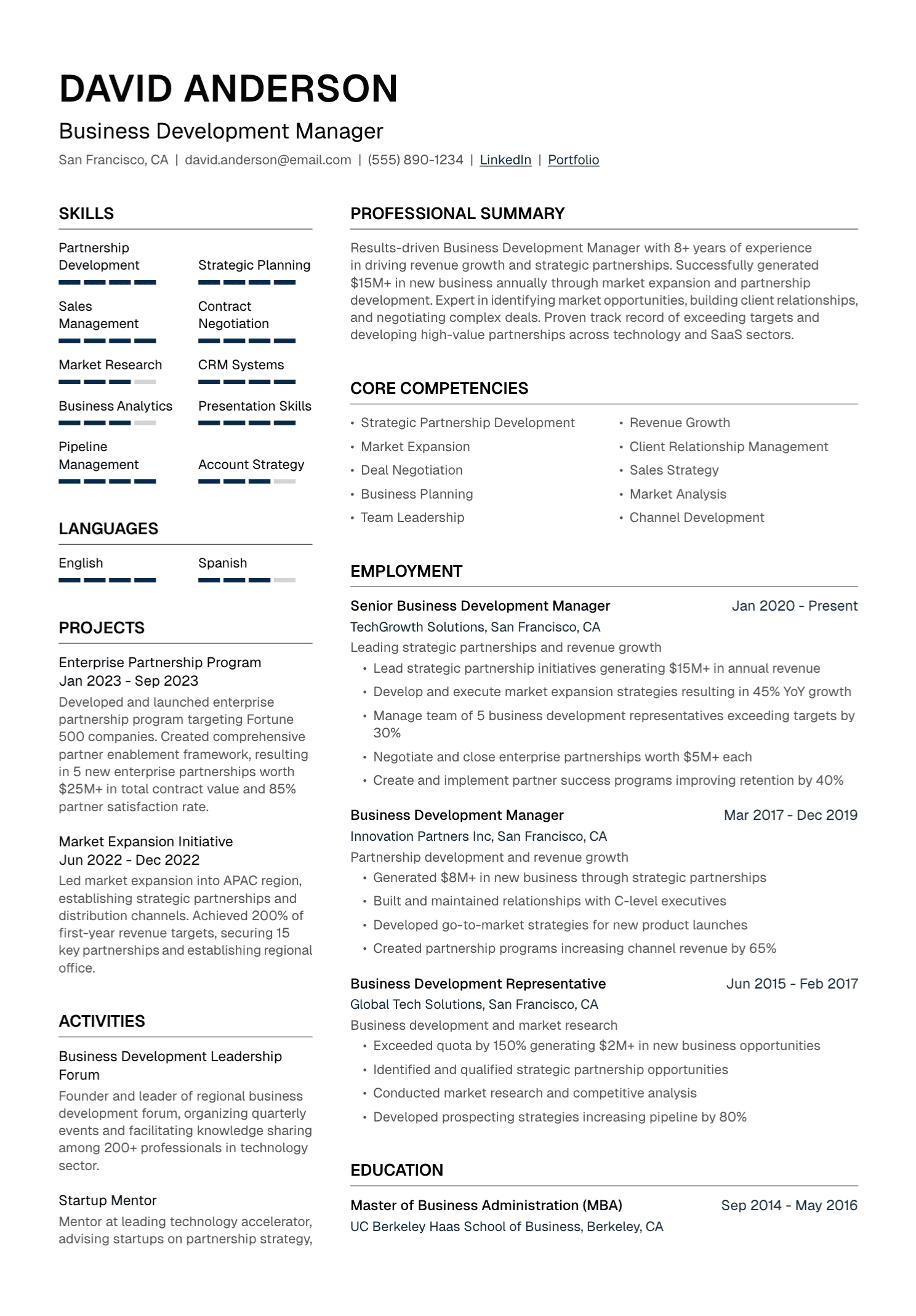
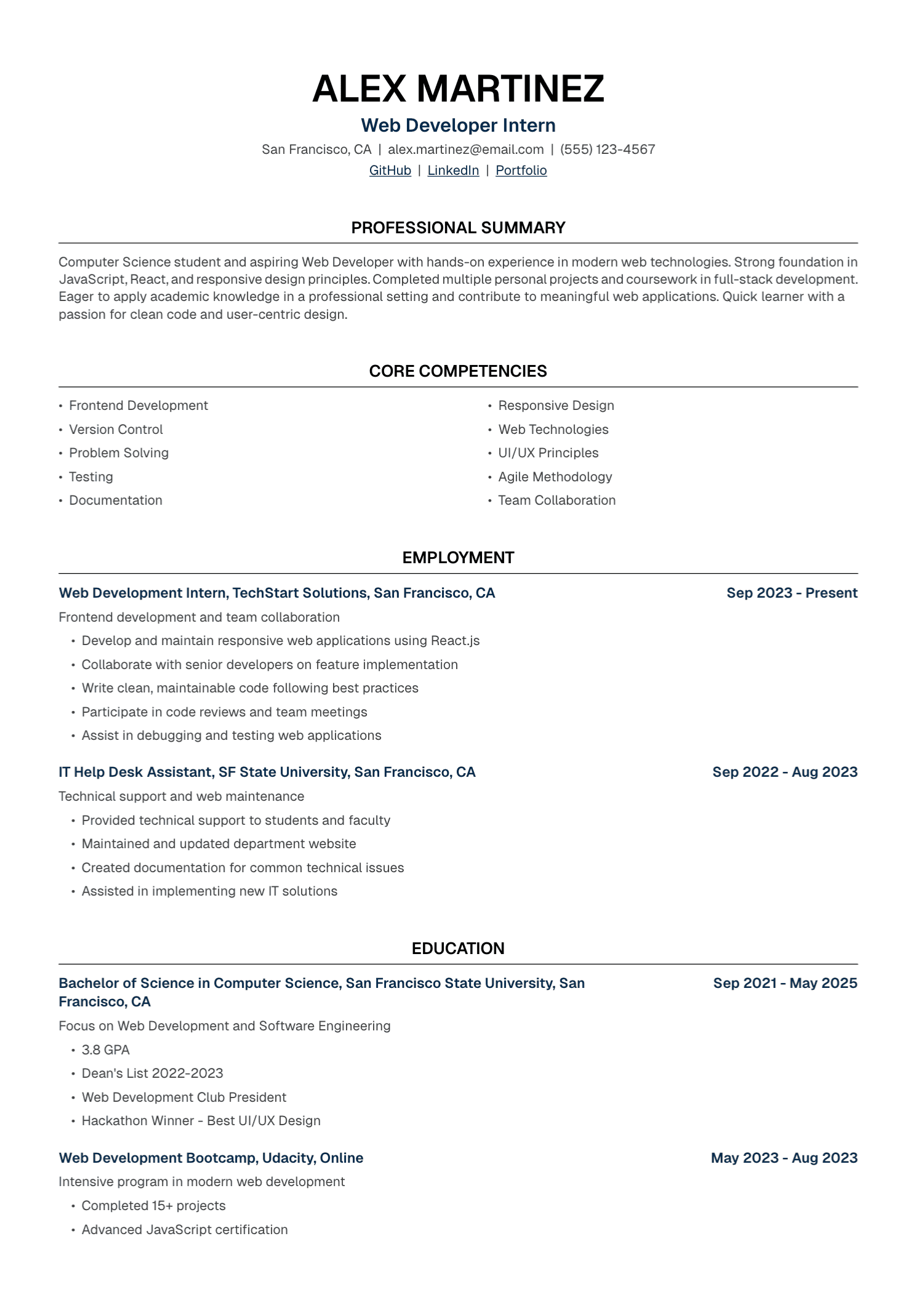
A hybrid resume usually gives a career changer the best balance. Start with a focused profile and a concise group of relevant skills or projects. Follow with a complete reverse-chronological work history.
This order helps the reader understand your direction before encountering unfamiliar titles. The chronology keeps your experience transparent and connects achievements with real roles and dates.
A pure functional format can separate accomplishments from their context and raise questions about recency. Use it only when your field and application genuinely support that structure. For most transitions, a clear hybrid is easier to trust.
Write a Profile That Explains the Bridge
The profile should name your current foundation, relevant evidence, and target direction in two or three sentences.
A hypothetical profile for a teacher moving into customer education could read:
Educator with eight years of experience designing learning materials, facilitating live instruction, and using assessment data to improve delivery across varied learner groups. Pursuing customer education roles in B2B software, with particular strength in onboarding content and complex-topic communication.
Every claim needs support below. The sentence “pursuing customer education roles” is honest about direction. The skills come from established work.
Avoid apologizing for the move. The profile should sound intentional and grounded.
Translate the Context While Preserving the Work
Transferable language helps an outside reader understand what happened. Translation becomes risky when it changes the responsibility, audience, tool, or result.
Imagine a teacher whose source notes say:
Designed a biology curriculum and assessments for 150 students across five classes. Reviewed results after each unit and changed the next set of lessons when a topic was weak.
A career-change bullet could read:
Designed curriculum and assessment materials for 150 learners across five cohorts, using unit-level performance data to adjust subsequent instruction.
The language is accessible to a learning-and-development reader. The candidate remains a teacher, the learners remain students in context, and the evidence stays stable.
Keep Official Titles
Your title is part of the employment record. Keep it accurate. A functional clarification in parentheses can help when an internal or military title may be unfamiliar:
Department Chair (Curriculum and Faculty Lead)
Logistics Officer (Multi-Site Operations)
The clarification should describe the function plainly. It should never award a corporate title the candidate never held.
Three Safe Translation Examples
The following examples are hypothetical and use only the facts stated in each source line.
Teacher to learning and development
Source:
Created course materials, delivered five classes each week, and assessed 150 students.
Tailored version:
Developed learning materials, facilitated five weekly classes, and assessed outcomes across 150 learners.
Retail manager to operations
Source:
Managed a store with $3M annual revenue, scheduled 22 employees, handled escalations, and coordinated inventory with vendors.
Tailored version:
Directed daily operations for a $3M revenue location, coordinating workforce schedules for 22 employees, customer escalations, inventory, and vendor communication.
Military logistics to program delivery
Source:
Led 40 service members, planned logistics across several sites, and maintained accountability for $8M in equipment.
Tailored version:
Led a 40-person logistics unit across multiple sites, coordinating operational plans and maintaining accountability for an $8M equipment portfolio.
The tailored versions change vocabulary and emphasis. They add no performance percentages, tools, business outcomes, or corporate responsibilities.
Show Preparation Through Action
Training can support a transition when it teaches a skill the target role actually uses. Choose courses and certifications after reading job descriptions and speaking with practitioners. Verify the issuing organization's current requirements, cost, renewal terms, and reputation before investing.
A project often carries more evidence than another certificate. A prospective analyst might clean and analyze a public dataset, document the method, and publish the work. A future content designer might revise an onboarding flow and explain the research behind it. A customer-success candidate might volunteer with a relevant organization and build experience supporting users.
Label personal, volunteer, academic, and simulated projects clearly. Honest context never weakens good work.
Give Relevant Projects Their Own Section
Place Selected Projects near the top when projects provide the closest match with the target role. For each one, describe the problem, your contribution, tools, output, and verified result.
Add a portfolio link when the work is ready for review. Remove confidential information and explain reconstructed or speculative work openly.
Projects should demonstrate judgment and execution. A polished mockup with no explanation reveals less than a modest project with clear thinking.
Reframe Each Role Selectively
Keep the work history complete, then choose bullets that support the new direction. A hospitality role may offer useful evidence of operations, team leadership, customer recovery, or scheduling. A research role may show analysis, writing, project delivery, or stakeholder communication.
Routine duties can be shortened. Relevant achievements gain detail. The role should still be recognizable to someone who worked beside you.
Older experience may hold the best bridge. Give it space and introduce the capability in the profile. Preserve reverse chronology so the reader can follow the career.
Address the Level of the Move
Transferable experience can support seniority, though every field has domain knowledge that takes time to build. A senior leader may enter the new function below her previous level, move through an adjacent role, or find a position that values both domains.
Approach level with curiosity and self-respect. Study actual job scope, compensation, and progression. A title that looks lateral may still require foundational experience in the new field.
Your resume should claim the level your evidence supports. Networking conversations can help you calibrate that judgment before a long application cycle.
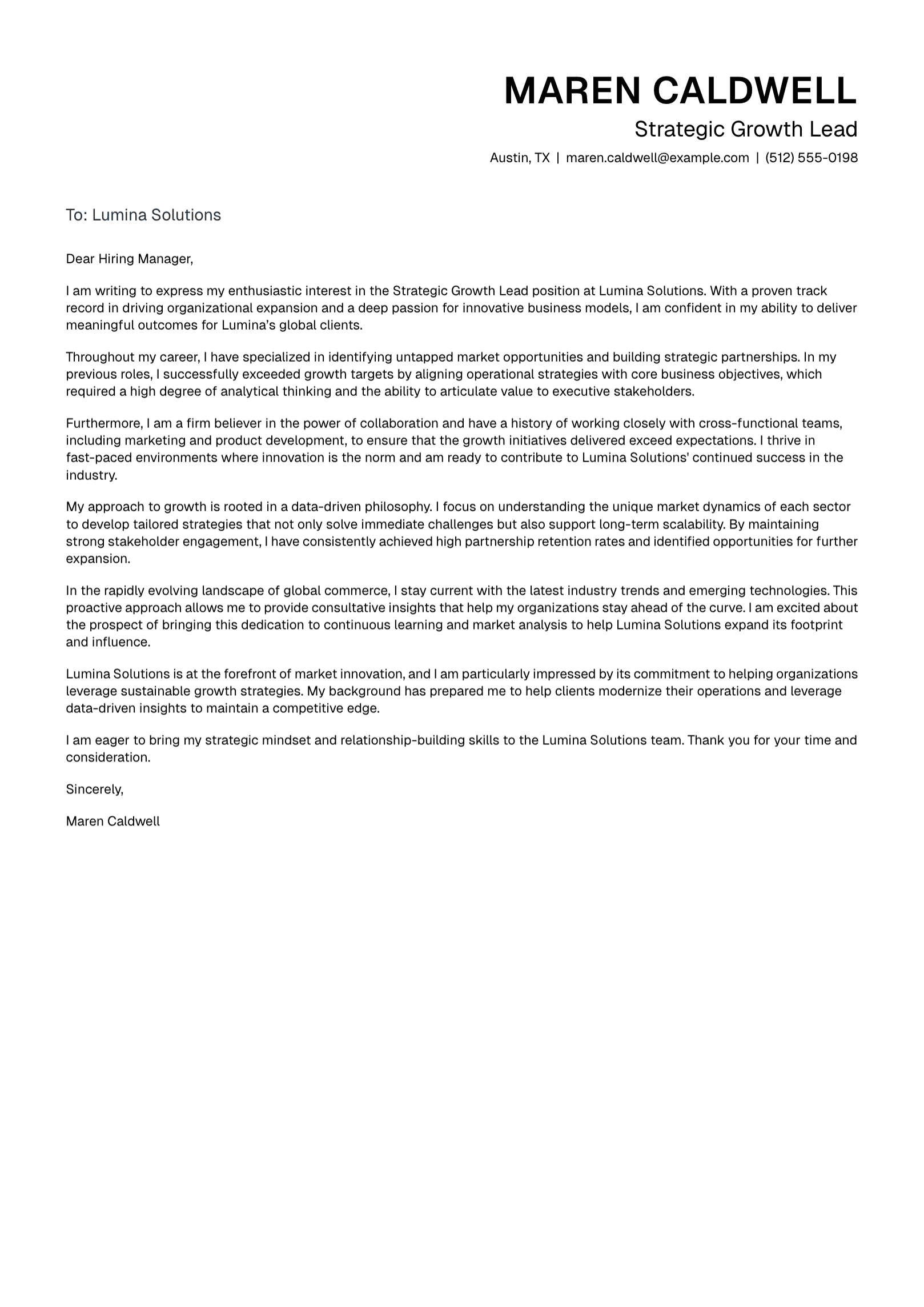
Use the Cover Letter for Motivation
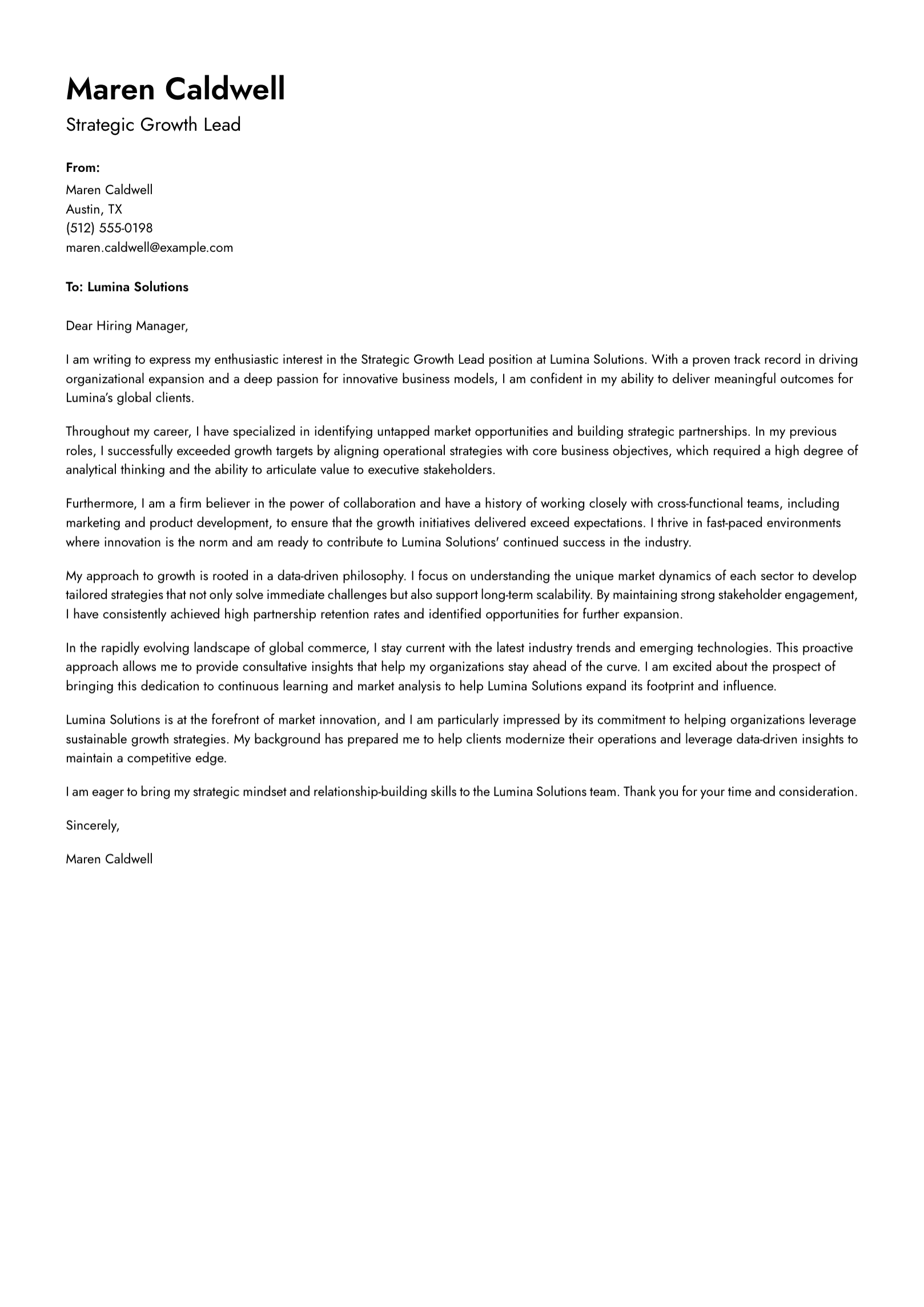
The resume shows the bridge through evidence. The cover letter can explain why the change matters to you and why this role makes sense now.
Keep the explanation direct. A recent project, personal experience, industry problem, or part of your previous work may have clarified the new direction. Connect that moment with the preparation you have completed and the value you bring.
Avoid writing an autobiography. Two relevant examples and a genuine reason are enough.
Use AI as a Careful Translator
AI can identify shared vocabulary between fields. It can also turn familiar work into experience you never had.
Use a bounded prompt:
Compare my resume with these target roles. Build a table of transferable evidence, partial matches, and gaps. Quote the source for every match. Draft a hybrid career-change resume using only verified facts. Preserve official titles, dates, tools, metrics, audiences, and responsibility level. Use brackets for missing information.
Review every industry term. “Training,” “client,” “program,” “analysis,” and “strategy” can sound familiar while implying a different context from your work.
Where UseResume Fits
UseResume lets you upload or create a resume, add a target job description, generate a tailored draft, edit the content, choose a template, and export a PDF. You can also create a cover letter for the transition.
Use the generated version to test emphasis and language. Keep the final document aligned with work you can discuss confidently in an interview.
You Are Carrying Experience Forward
A career change asks you to become a learner again. It never erases the judgment, discipline, relationships, and hard-won skill that brought you here.
Give the new employer a clear bridge. Show where your experience already meets the work, where you have prepared, and where you are ready to grow.
Create your account and build a career change resume around evidence you can defend.
Continue with our guides to academic-to-industry resumes and tailoring a resume to a job description.