A Cover Letter Needs a Reason to Exist
Candidates often approach a cover letter as a second resume written in paragraphs. They repeat their job history, add a formal greeting, and hope the extra page proves effort.
A useful letter adds context the resume cannot carry easily. It explains why the role makes sense, connects two relevant examples with the employer's needs, and gives the reader a glimpse of the person making the application.
Check the instructions first. When the employer requests a letter, send one. When it is optional, write it if you have something meaningful to add: a clear reason for the move, an unusual career connection, a relocation, a return to work, a referral, or genuine interest grounded in the organization's work. Skip it when the application explicitly asks candidates to avoid attachments or additional documents.
Gather the Human Material Before You Draft
Open a plain document and answer three questions in your own words.
Why do you want this role? Name the work itself, the problem the organization is solving, the people it serves, or the direction your career is taking. “I admire your innovative company” gives the reader no personal information.
Which two parts of your experience matter most here? Choose examples with specific actions and outcomes. These can come from paid work, projects, education, volunteering, or a career transition.
Why does the move make sense now? Your answer may be simple: you want greater ownership, you are returning to a field you care about, or a recent project clarified the direction you want to pursue.
Keep these notes rough. Natural language is useful at this stage because it preserves the thoughts an AI draft tends to smooth away.
Use a Four-Paragraph Structure
Opening: name the role and establish your connection
Begin with the position and one genuine reason for your interest. A referral or previous conversation belongs here. So does a concise bridge from your background.
An opening could read:
I am applying for the Operations Manager role after following Northline's expansion into reusable delivery packaging. My recent work has centered on regional logistics, supplier coordination, and the process changes required to launch new services reliably.
The sentence is calm. It gives the employer a reason to continue.
Evidence: choose one strong example
Connect a priority from the posting with work you have already done. Give enough context to make the example credible.
At Greenway Logistics, I coordinated warehouse, customer-service, and transport teams during the rollout of a new returns process across four depots. I created the handover plan, ran weekly issue reviews, and helped the group complete the rollout by the agreed date.
Every detail in this hypothetical example would need verification before use. The candidate should add a metric only when records support it.
Fit: add a second example or explain the transition
Use the third paragraph to show another relevant dimension. You might discuss team leadership, technical depth, client work, or the perspective behind a career change.
The role also appeals to me because it combines operational delivery with supplier relationships. In my current position, I manage monthly performance reviews with three external partners and turn service issues into agreed action plans with clear owners.
This paragraph develops the case. It avoids repeating the resume line by line.
Close: make the next step easy
End with a short, professional sentence. Enthusiasm can sound measured.
I would welcome the opportunity to discuss how this experience could support Northline's next stage of growth. Thank you for considering my application.
“Sincerely,” or “Kind regards,” works well before your name.
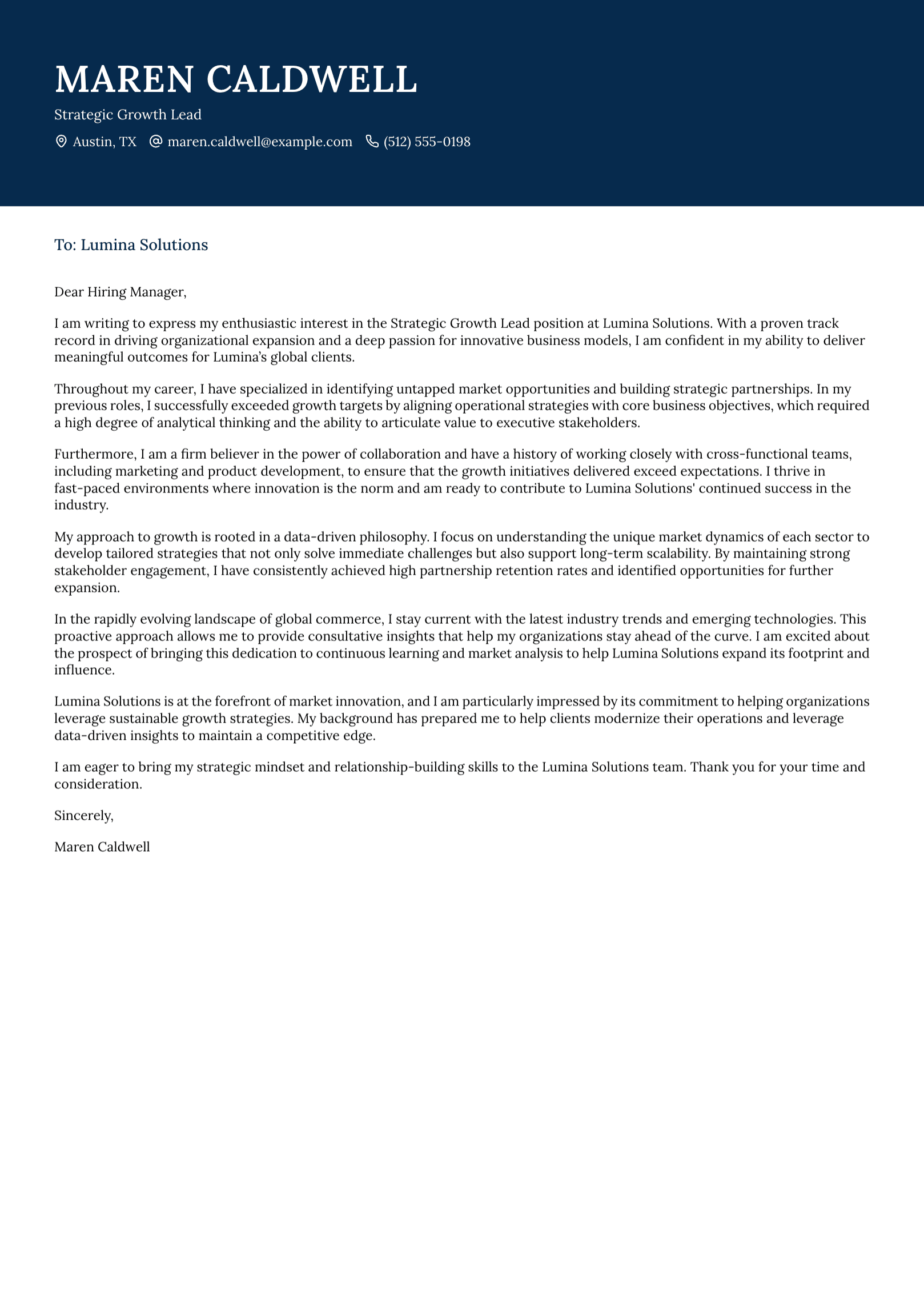
A Complete Hypothetical Example
The following letter uses only the facts introduced in the examples above. Replace the company, role, motivation, and evidence with your own.
Dear Hiring Team,

I am applying for the Operations Manager role after following Northline's expansion into reusable delivery packaging. My recent work has centered on regional logistics, supplier coordination, and the process changes required to launch new services reliably.

At Greenway Logistics, I coordinated warehouse, customer-service, and transport teams during the rollout of a new returns process across four depots. I created the handover plan, ran weekly issue reviews, and helped the group complete the rollout by the agreed date.

The role also appeals to me because it combines operational delivery with supplier relationships. In my current position, I manage monthly performance reviews with three external partners and turn service issues into agreed action plans with clear owners.

I would welcome the opportunity to discuss how this experience could support Northline's next stage of growth. Thank you for considering my application.

Kind regards,
[Name]
The letter stays focused because it makes one coherent argument. It shows relevant delivery experience and a credible reason for pursuing the role.
Research Enough to Be Specific
Use the job description, company website, recent official announcements, annual report, product pages, or public mission statement. Look for information directly connected with the role.
One accurate reference is enough. Excessive praise sounds like performance. A sentence about a real service, market, customer group, research area, or operational change gives the employer something concrete.
Avoid guessing at culture from a few social posts. Describe what the organization says and does publicly. Keep the focus on why that work connects with your experience and motivation.
Match the Resume Without Copying It
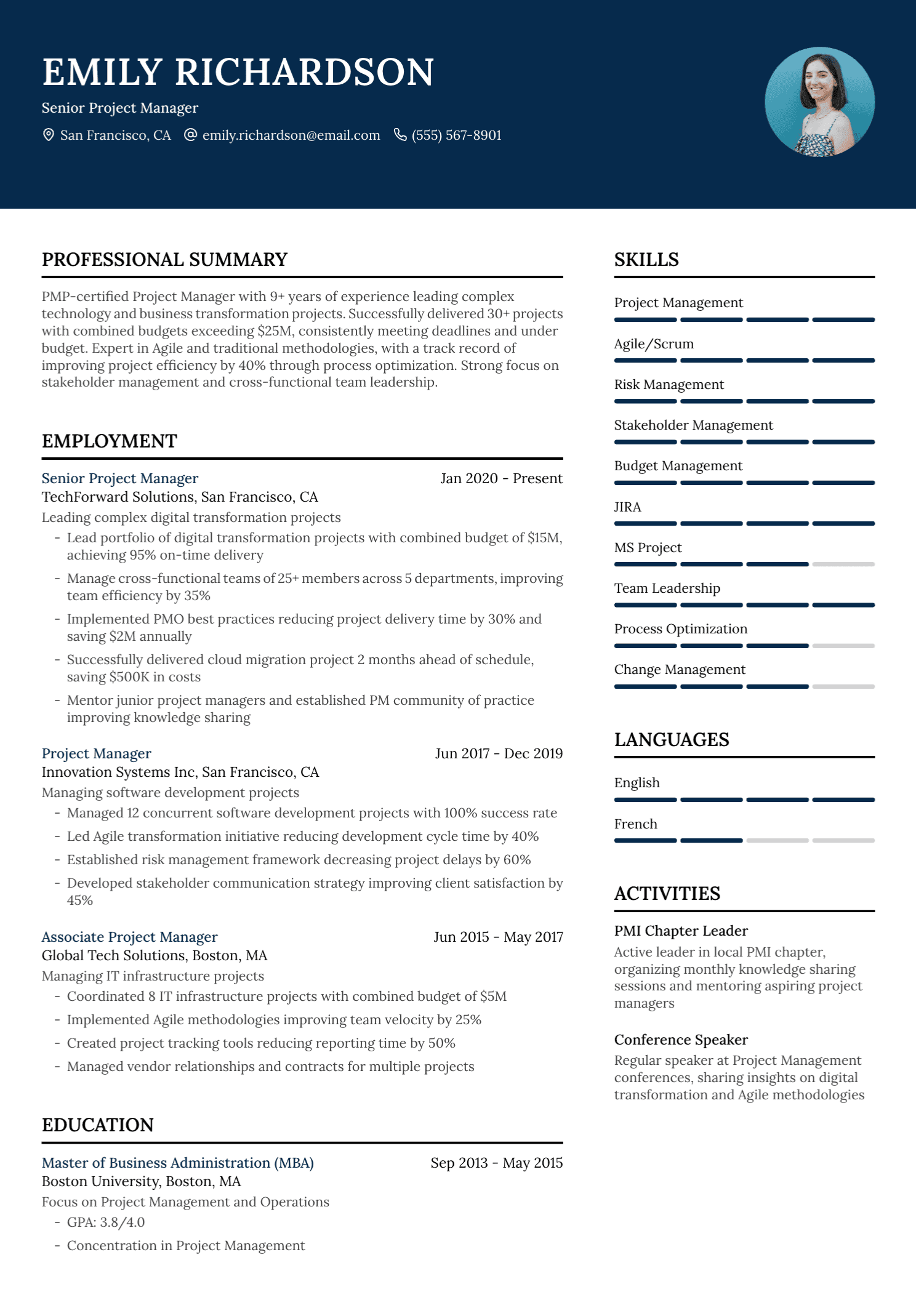
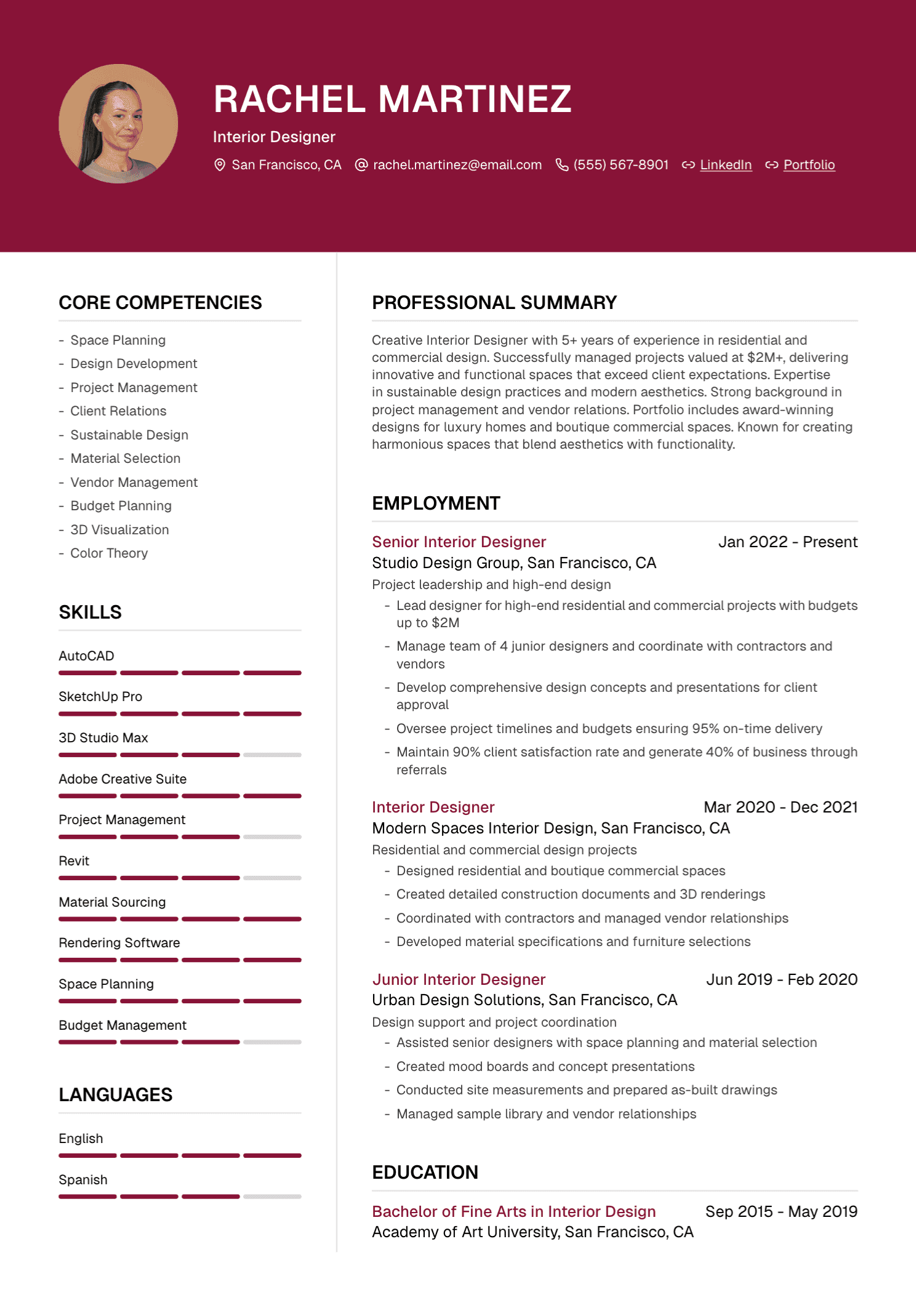
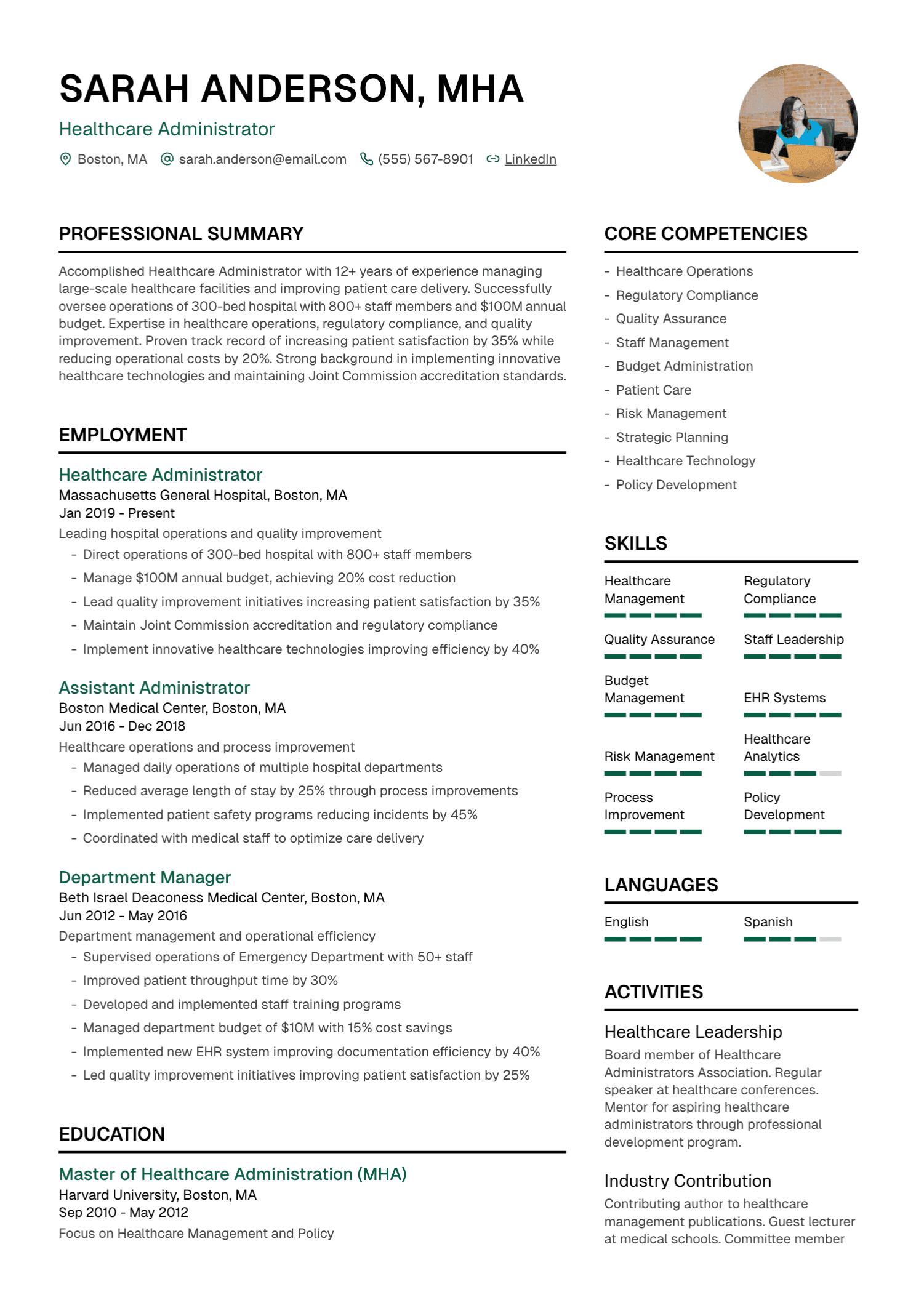
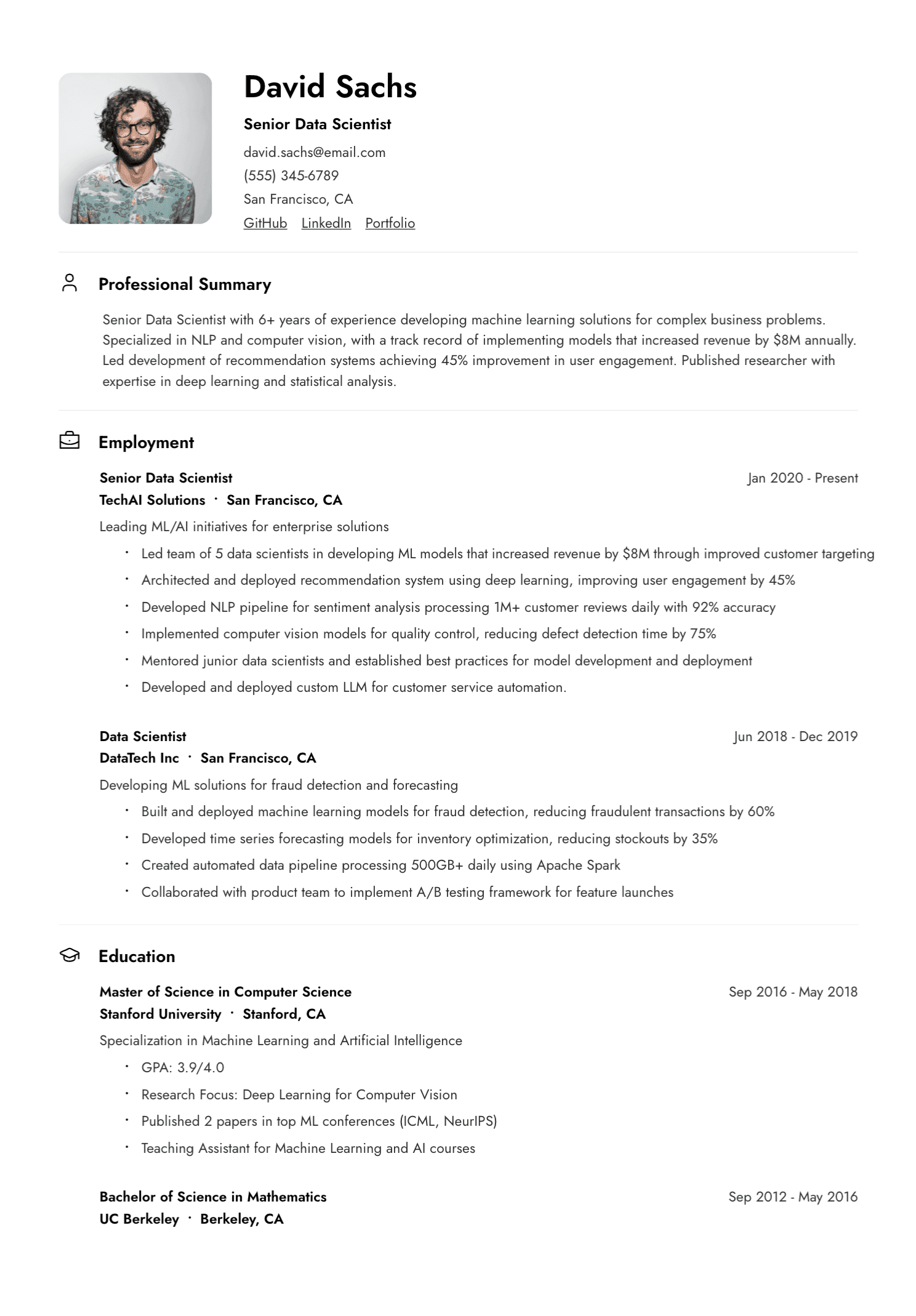
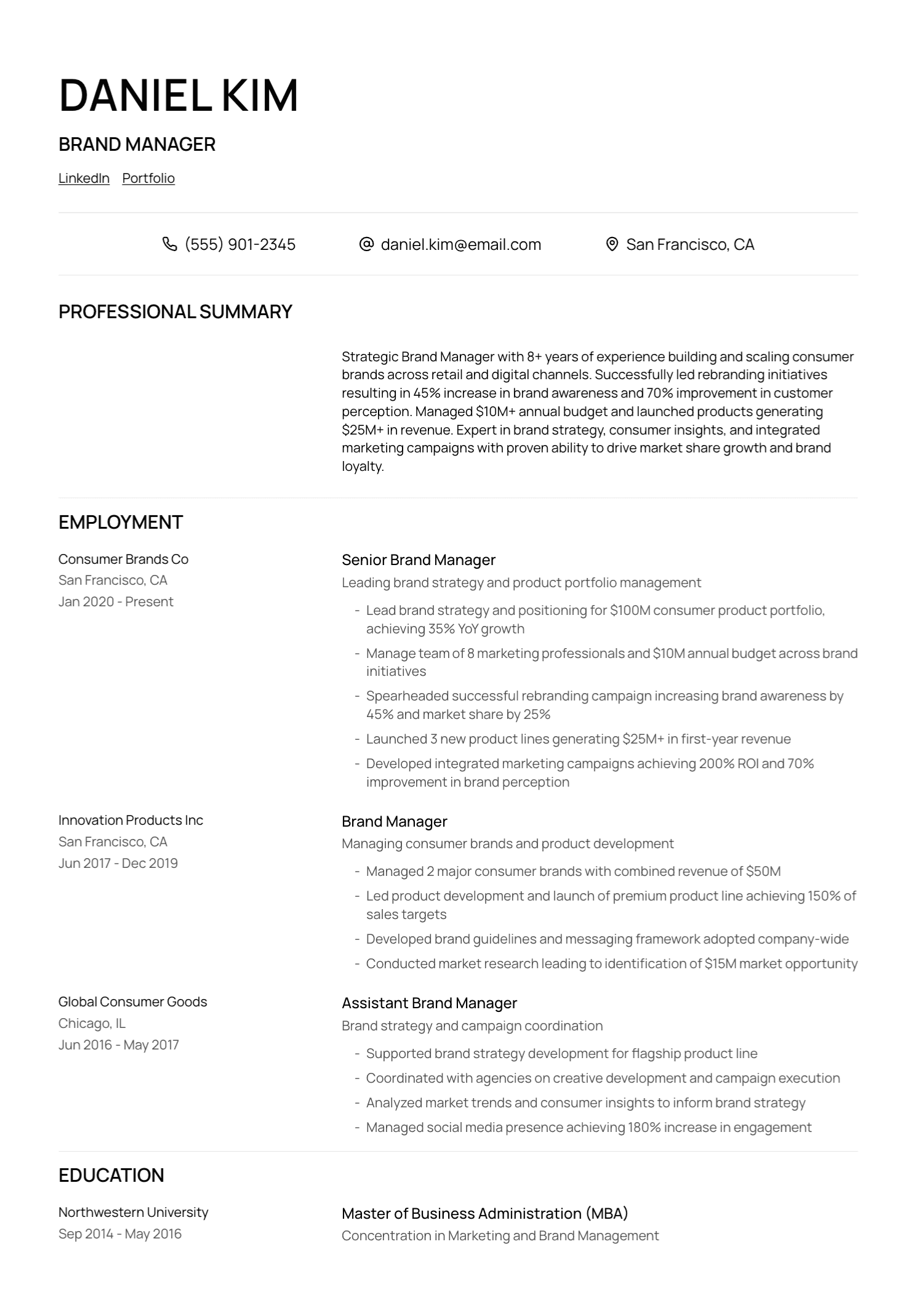
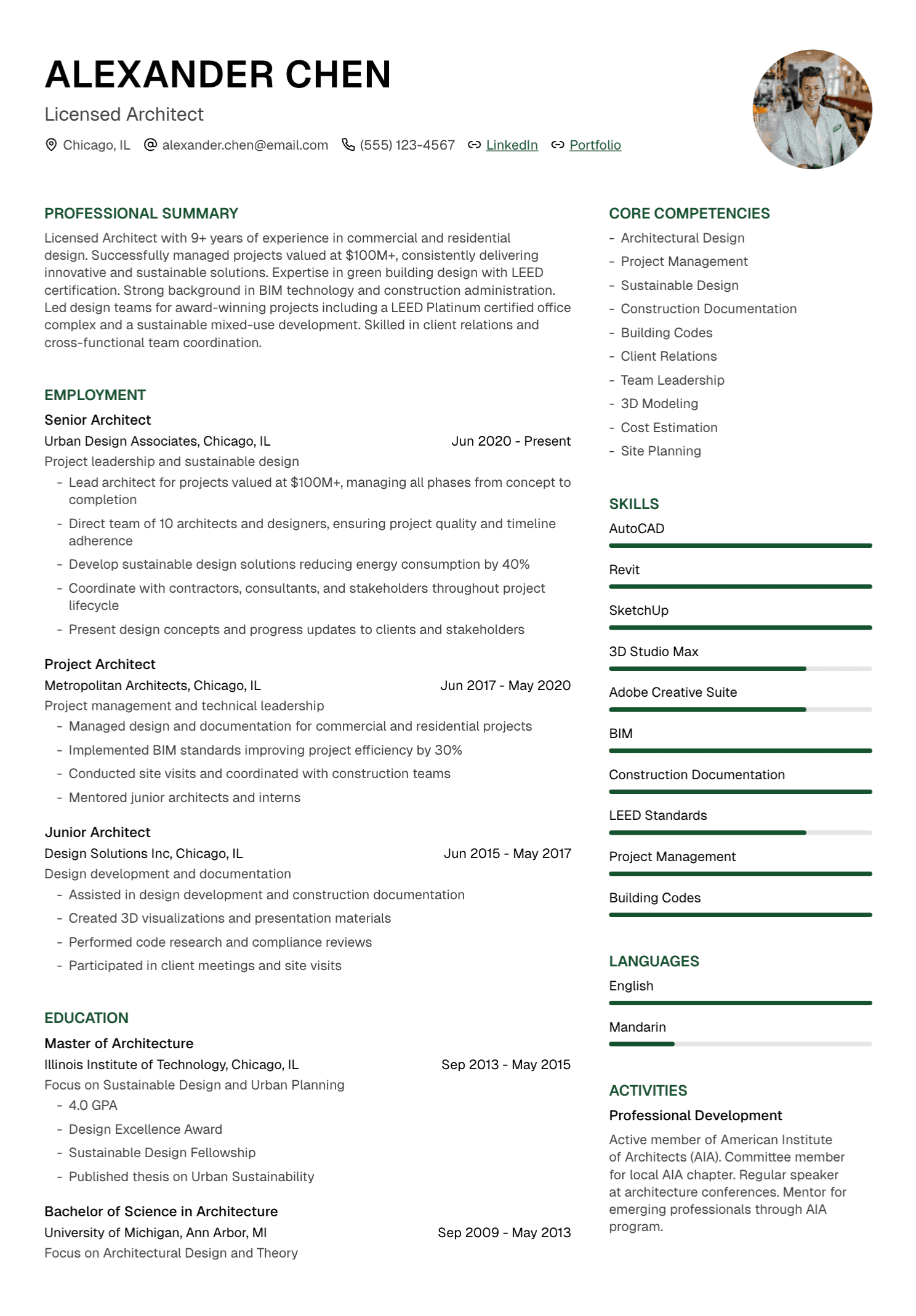
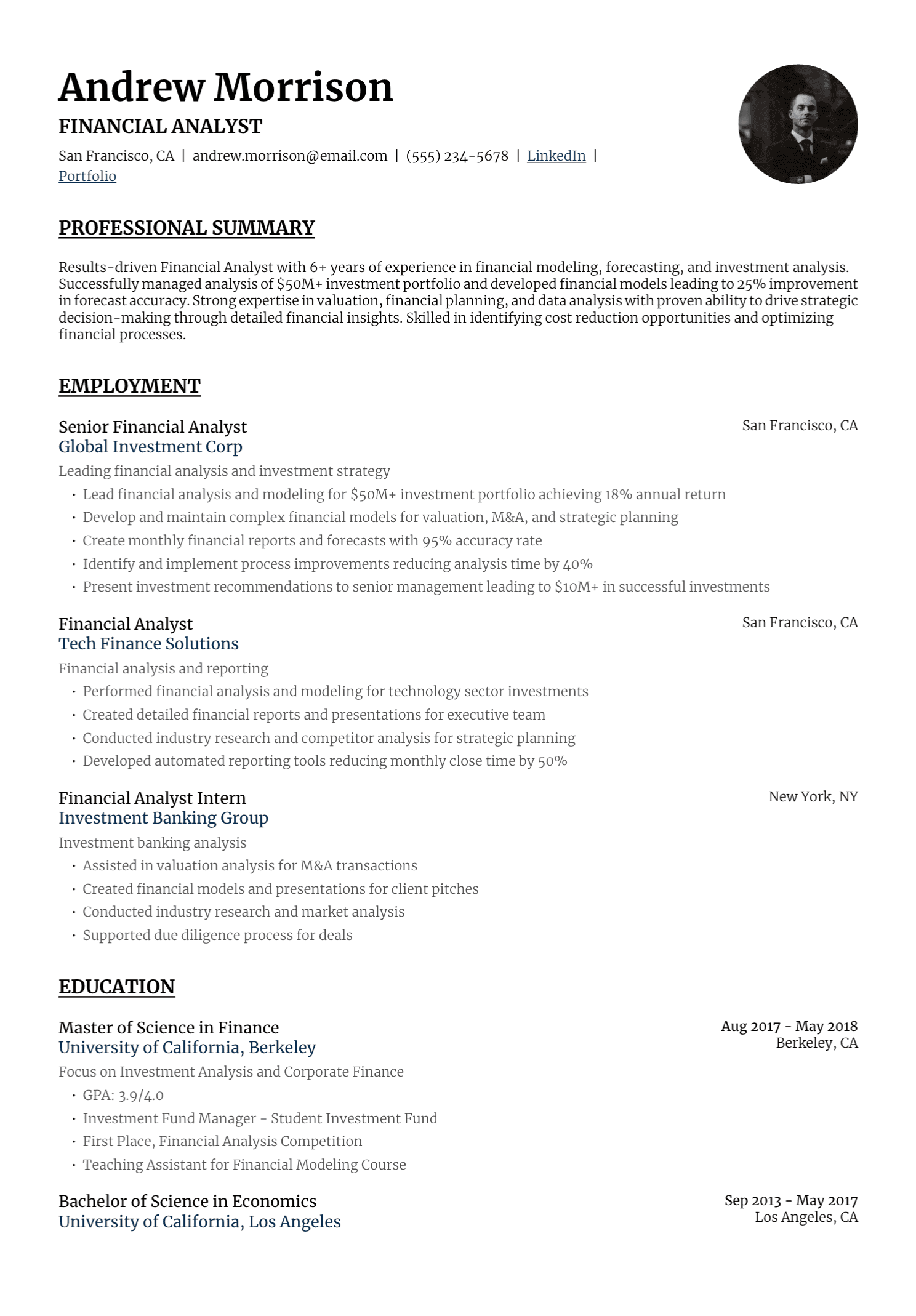
The resume supplies the full evidence. The cover letter selects and interprets it.
Titles, dates, metrics, tools, and outcomes should agree across both documents. The letter can add the obstacle, motivation, decision, or human context behind an achievement. It can also connect experiences that appear separate on the resume.
For example, a teacher moving into customer education may use the letter to connect curriculum design, facilitation, and learner feedback with onboarding and product adoption. The resume still labels the teaching role accurately.
Use AI as an Editor With Source Material
Give the tool your resume, the job description, your three rough answers, and a precise instruction:
Draft a cover letter of about 300 words using only the facts in my resume and notes. Open with my genuine reason for applying. Connect two verified examples with the role's priorities. Preserve titles, dates, metrics, tools, and responsibility level. Use plain, warm language. Place questions in brackets where more detail is needed.
Ask for one draft first. Read it before requesting alternatives. Endless versions can pull the writing farther from your original thought.
AI may invent company facts, overstate enthusiasm, assign you responsibilities from the posting, or add a metric because the sentence feels stronger with one. Check every claim against the source.
Remove the Signs of Generic AI Writing
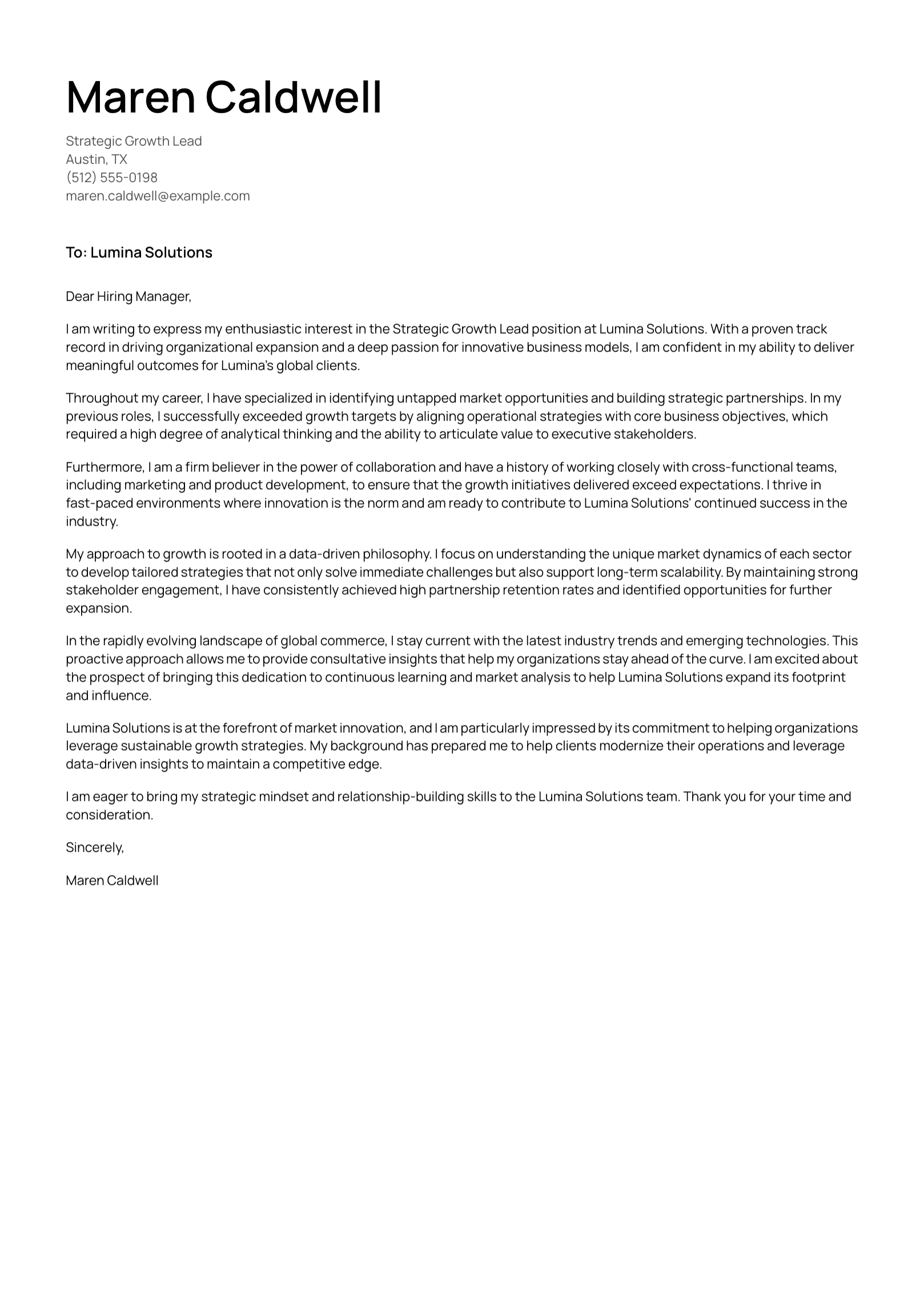
Read the letter aloud. Listen for repetitive sentence lengths, excessive polish, inflated praise, abstract business language, and paragraphs that could be sent to any employer.
Cut phrases such as “dynamic organization,” “unique value proposition,” “fast-paced environment,” and “esteemed company” unless they carry a precise meaning in context. Replace vague enthusiasm with a real reason.
Watch for a voice that suddenly sounds more formal than your everyday professional communication. A strong cover letter can use ordinary words. Confidence often appears as clarity.
Keep the Format Quiet
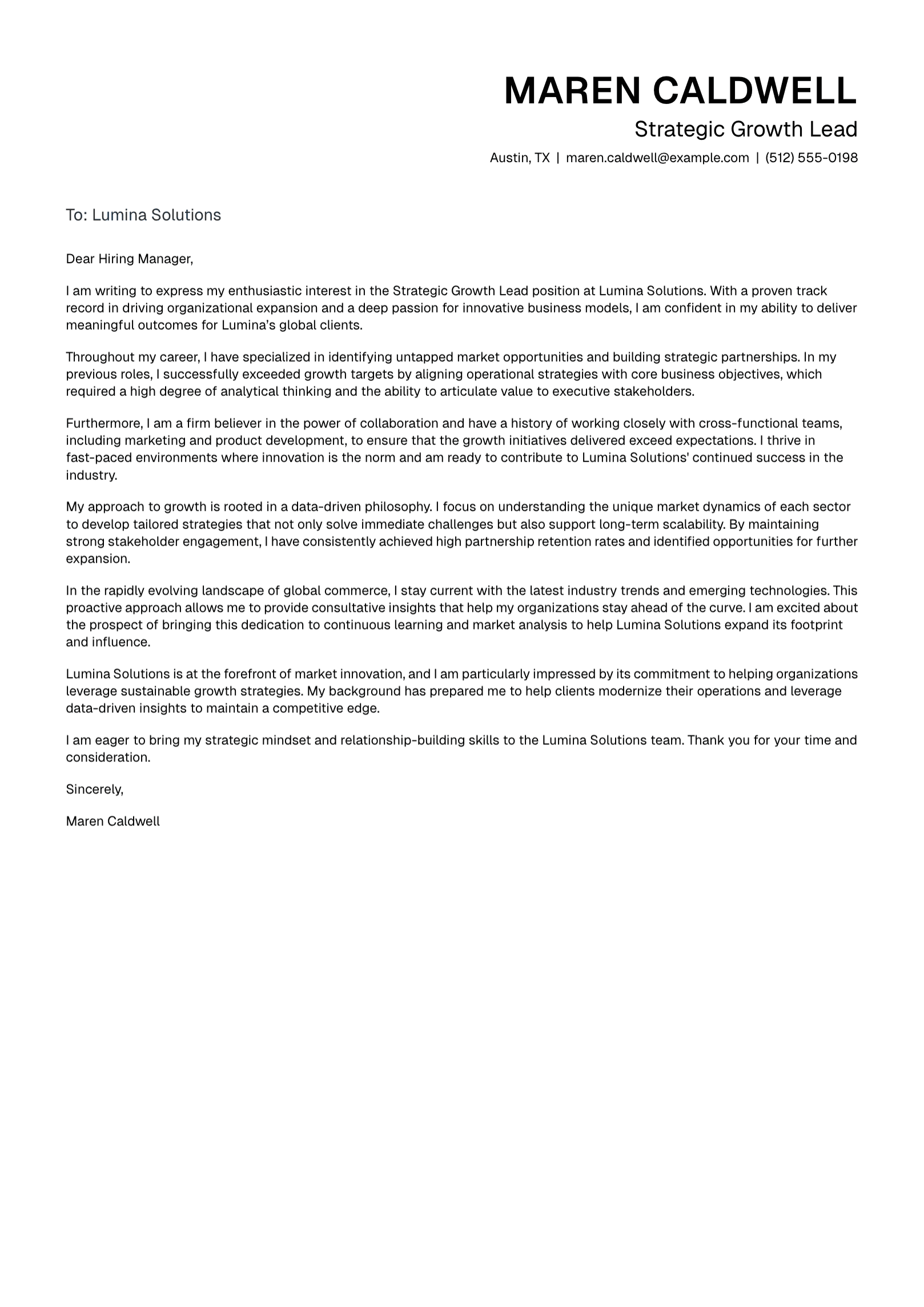
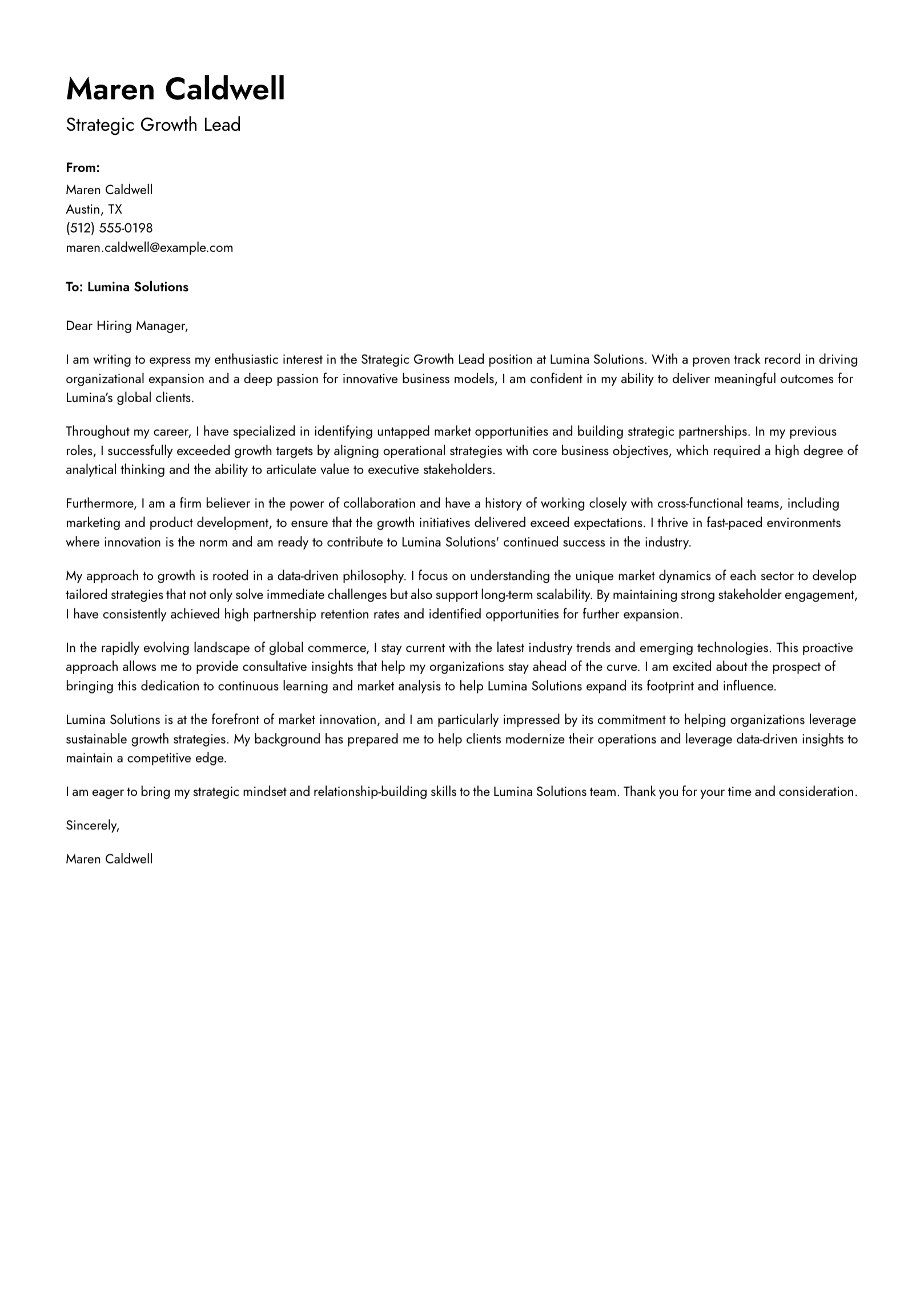
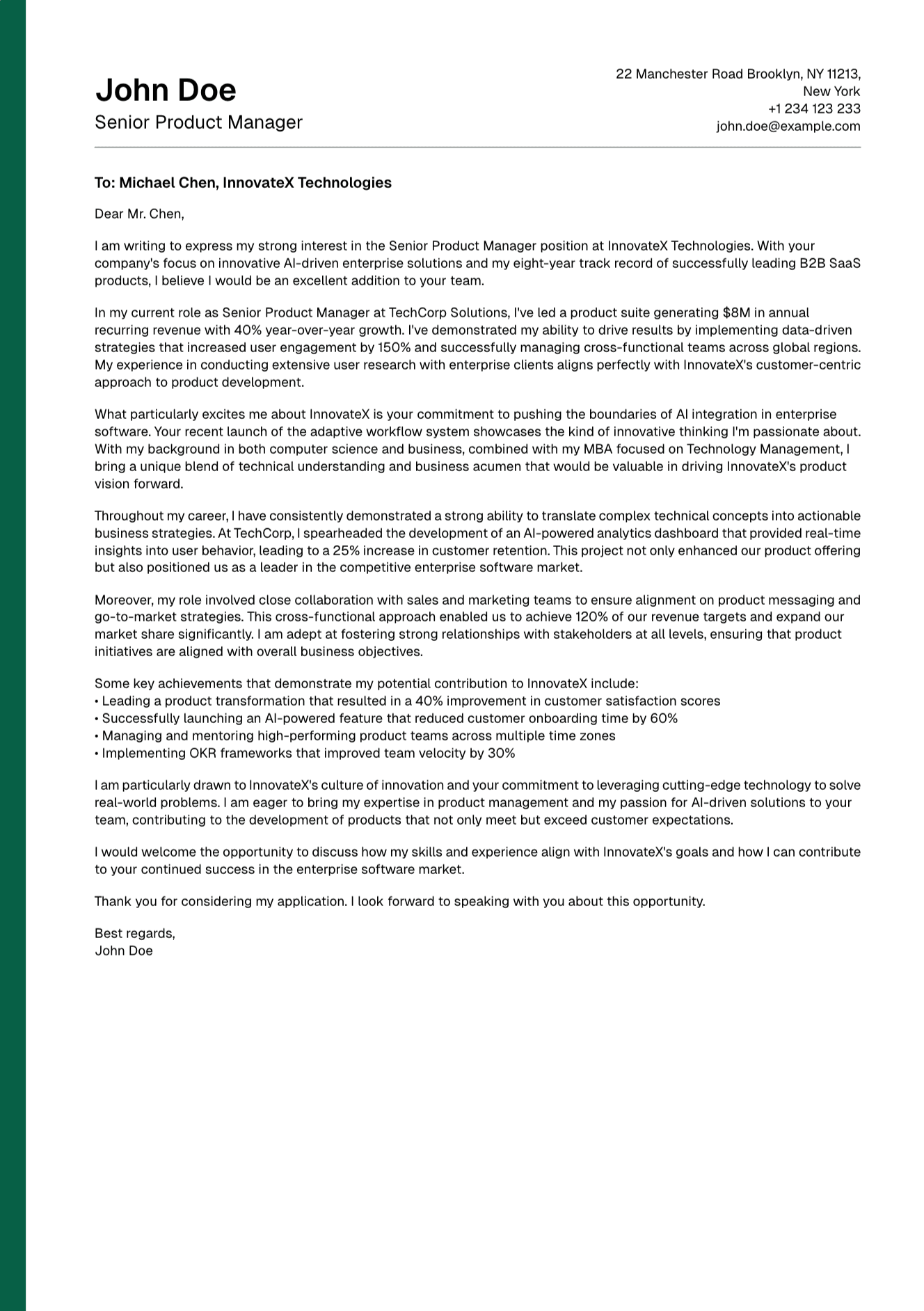
Use the same name and contact details as the resume. A simple business-letter format works for an uploaded document. For an email application, place the letter in the email body when the employer requests that approach.
Most letters fit comfortably on one page. Roughly 250 to 400 words is often enough to make a focused case, though the employer's instructions take priority. Use short paragraphs, a readable font, and generous spacing.
Address a named person when you have a reliable name. “Dear Hiring Team” is a professional alternative. Guessing someone's identity creates more awkwardness than a neutral greeting.
Write Career Gaps and Changes With Self-Respect
A cover letter can give a career transition the context a timeline lacks. Keep the explanation brief and forward-looking.
For a return after caregiving, you may state that you are returning to full-time work and then move directly to relevant experience, current skills, and the role. For a career change, explain the bridge through real projects, training, or responsibilities.
You control the level of personal detail. The letter should help the employer understand your direction, while your private life remains yours.
Review Before You Send
Check the company name, role title, recipient, and any referenced product or initiative. Verify every career fact against the resume. Read the opening and closing aloud. Confirm that each paragraph adds new information.
Then inspect the exported document. Check page breaks, contact details, links, filename, and the file attached to the application. A final pause catches mistakes created during hurried tailoring.
Where UseResume Fits
UseResume supports cover-letter creation alongside your resume and job description. You can generate a draft, edit the language, and keep the application documents aligned.
Treat the generated letter as a starting point. Add your actual motivation, verify each example, and remove language that sounds borrowed.
Let the Reader Meet You
The best cover letters feel like a thoughtful professional has chosen to write to this particular employer. They carry evidence, motivation, and enough personality to make the application memorable.
You already have the raw material. Use AI to organize it when helpful, then make the final letter unmistakably yours.
Create your account and draft a cover letter from your resume and target role.
Continue with our guide to tailoring a resume to a job description and our 2026 job-application workflow.