A Good Application Starts Before You Write
Job searching can feel like a second job with worse feedback. You read postings, open dozens of tabs, adjust documents, repeat the same information in a form, and wait.
A clear process protects your time and improves the quality of each application. I use six stages:
- Evaluate the opportunity
- Map the requirements to your evidence
- Tailor the resume
- Decide whether a cover letter adds value
- Submit a careful application
- Track the outcome and follow up
AI can speed up several stages. Your experience and judgment remain the source of truth.
Step 1: Decide Whether the Role Deserves an Application
Read the complete posting before editing your resume. Capture the core responsibilities, essential and preferred qualifications, seniority, reporting scope, location, and work arrangement. Record any work-authorization language, compensation information, application deadline, and requested work samples or documents.
Create three columns:
| Requirement | My evidence | Strength |
|---|---|---|
| Lead cross-functional projects | Led CRM migration with sales, service, and engineering | Strong |
| Advanced Excel | Built monthly forecasting model with Power Query | Strong |
| Healthcare experience | Supported one healthcare client for six months | Partial |
| Tableau | No direct experience | Gap |
This exercise gives you an honest picture of fit. It also shows which experiences deserve space in the resume.
Preferred qualifications leave room for judgment. Essential legal, licensing, clearance, language, or location requirements deserve close attention.
Step 2: Research With a Purpose
You need enough context to write an informed application. A short research pass usually covers the company's product or service, the team's likely priorities, and recent official announcements connected with the role. Notice the language the company uses for customers, products, and functions. Find the hiring manager or recruiter only when that information is publicly available.
Keep a small notes section for each application. Copying broad statements about a company’s “innovative culture” adds little. A relevant product launch, customer group, operational challenge, or team goal gives you useful context.
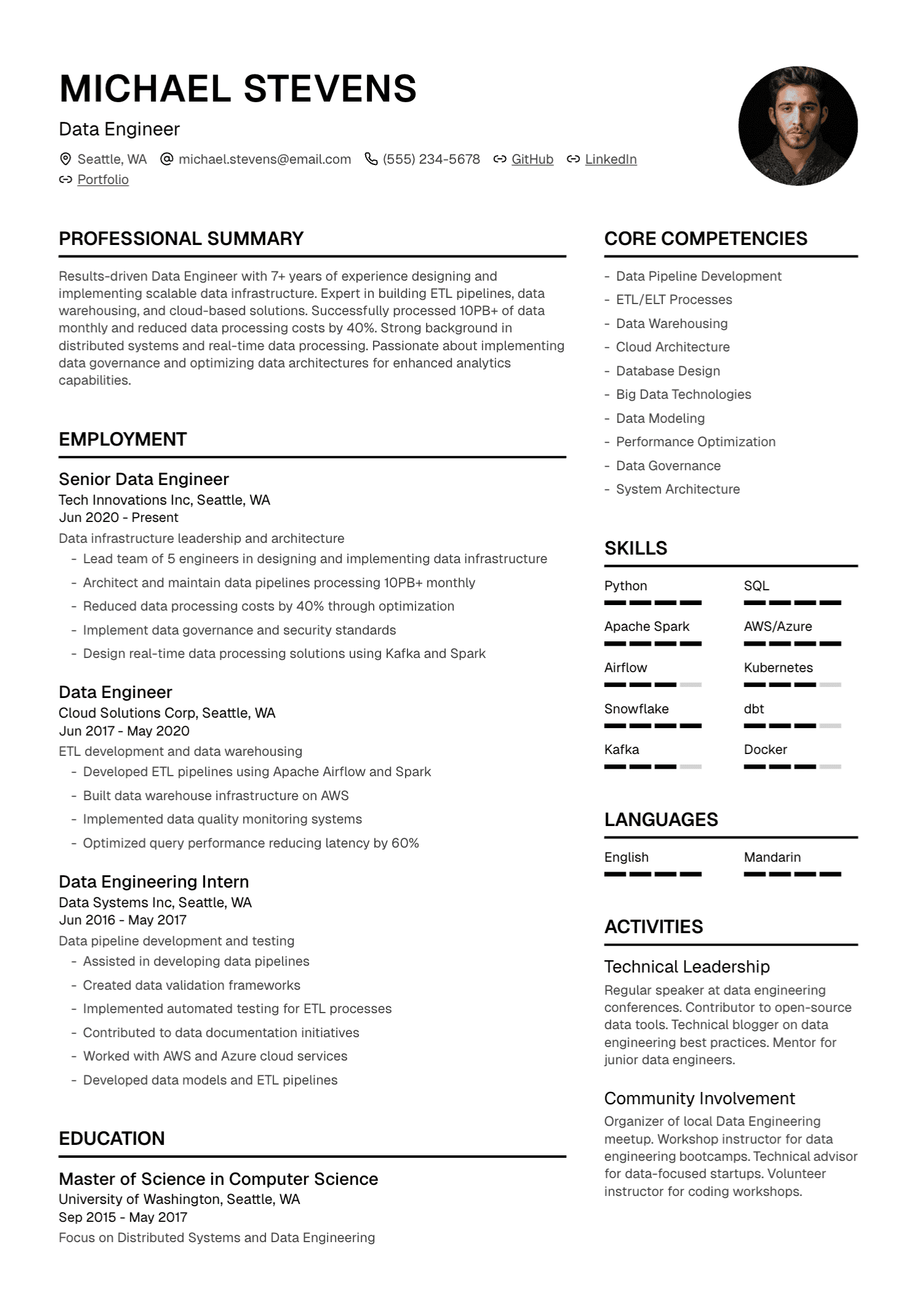
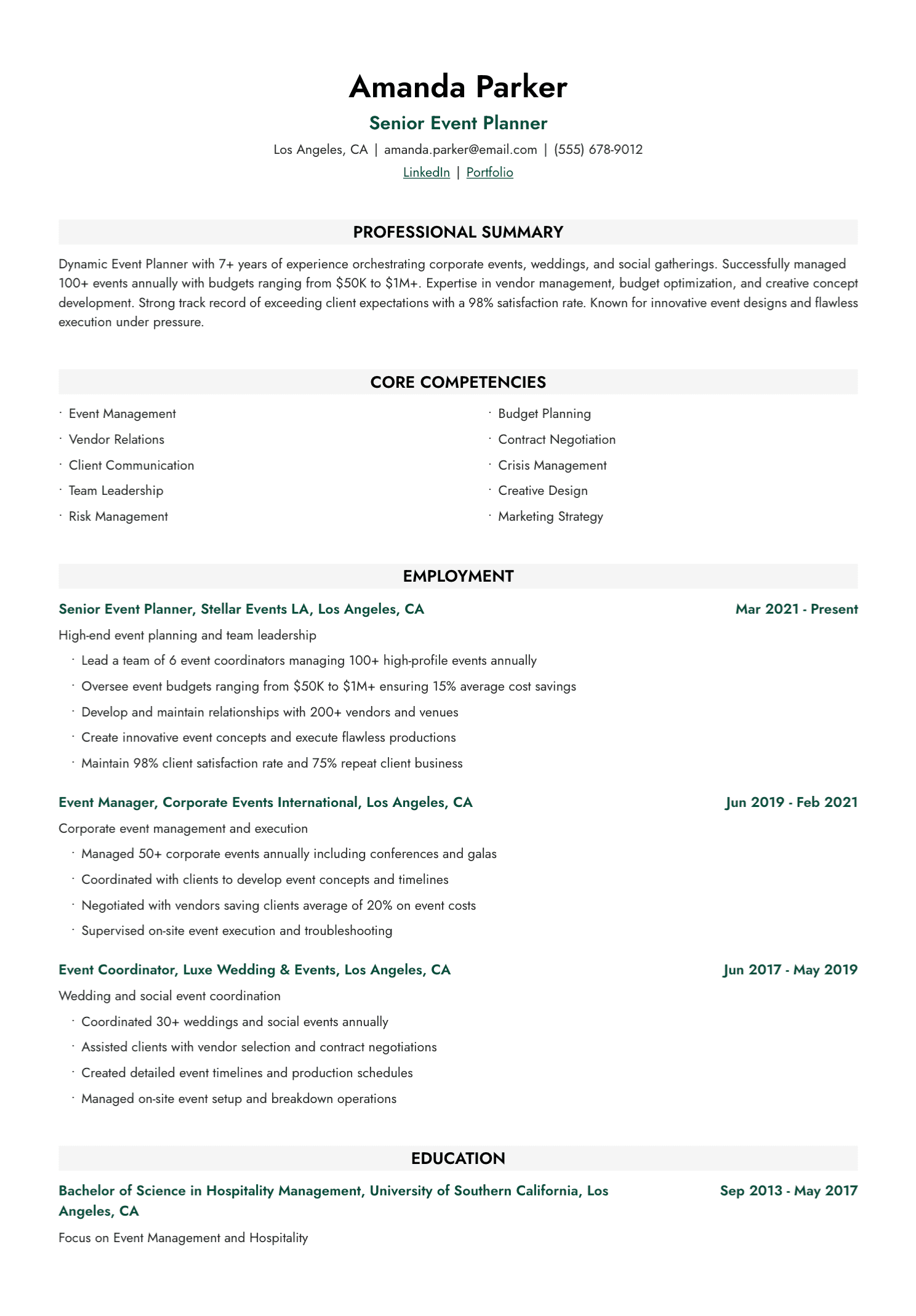
Step 3: Tailor the Resume Around Evidence
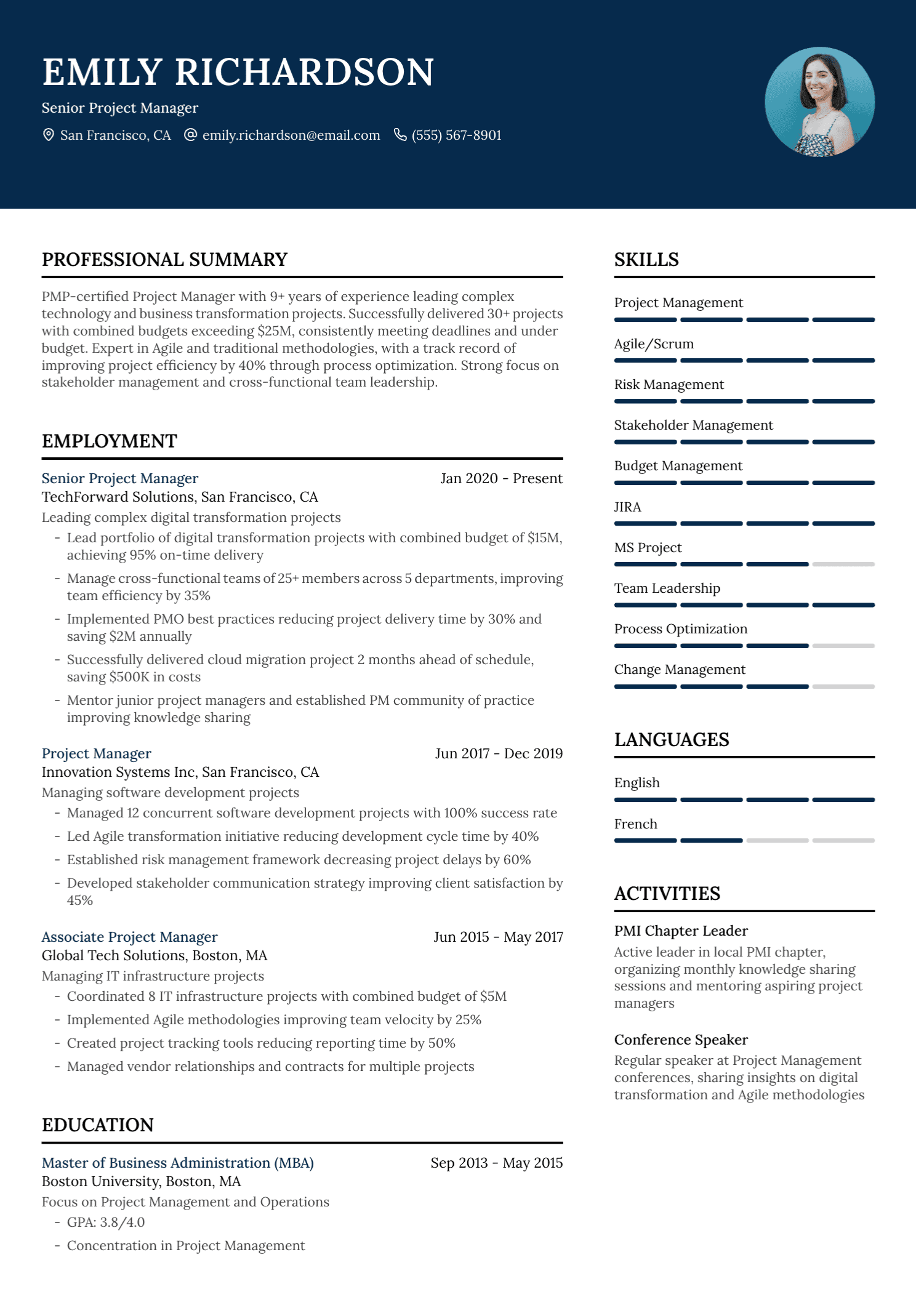
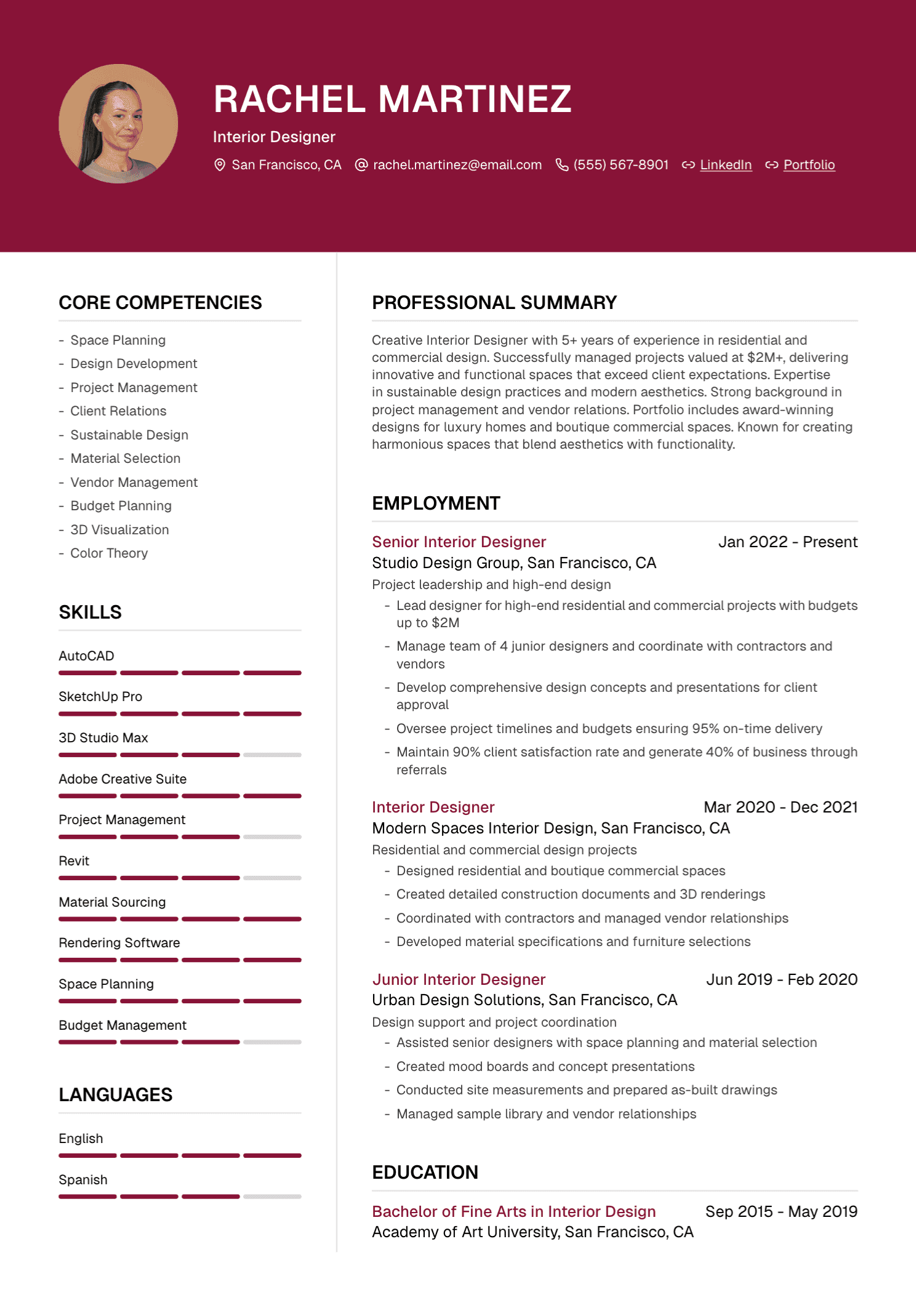
Start with a master resume that contains your full career history. Create a focused copy for the application.
Update the headline or profile
Use the target role and your strongest relevant evidence.
Program manager with seven years of experience leading cross-functional software implementations across financial services. Managed regional rollouts, vendor relationships, and project budgets up to $3.5 million.
Every claim should appear elsewhere in the resume.
Prioritize relevant skills
Use the employer’s standard terminology when it accurately describes your experience. Include tools, methods, certifications, languages, and technical knowledge you can demonstrate.
Reorder and revise experience bullets
Place the most relevant verified achievements near the top of each role. Add scope and results where you have reliable evidence.
Source notes
- Coordinated CRM implementation
- Worked with sales, customer service, and engineering
- Supported five regional offices
- Launch completed two weeks before contractual deadline
Tailored bullet
Coordinated a CRM implementation across sales, customer service, engineering, and five regional offices, completing launch two weeks before the contractual deadline.
The job description can guide emphasis. It cannot supply achievements.
Keep the document easy to parse and read
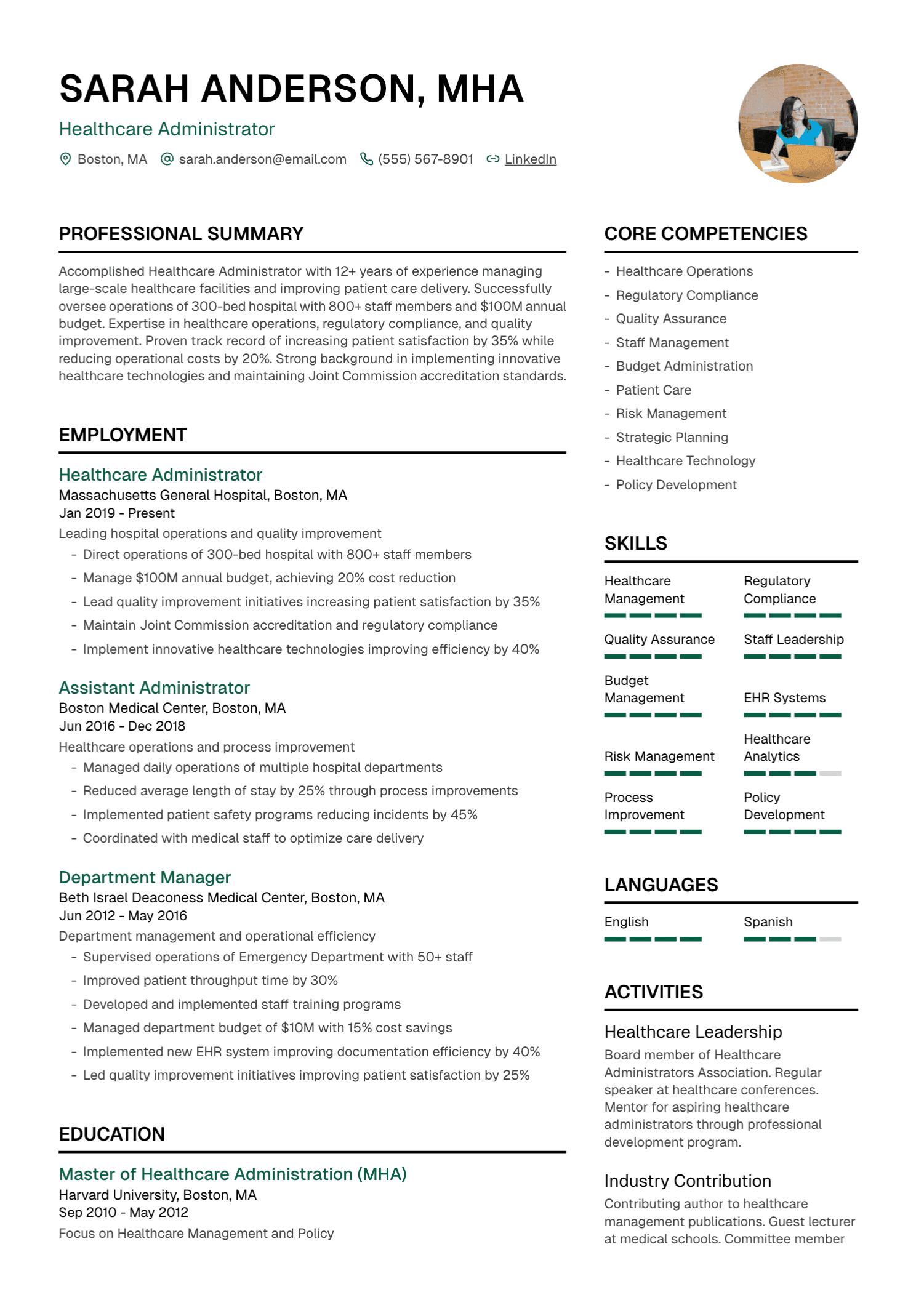
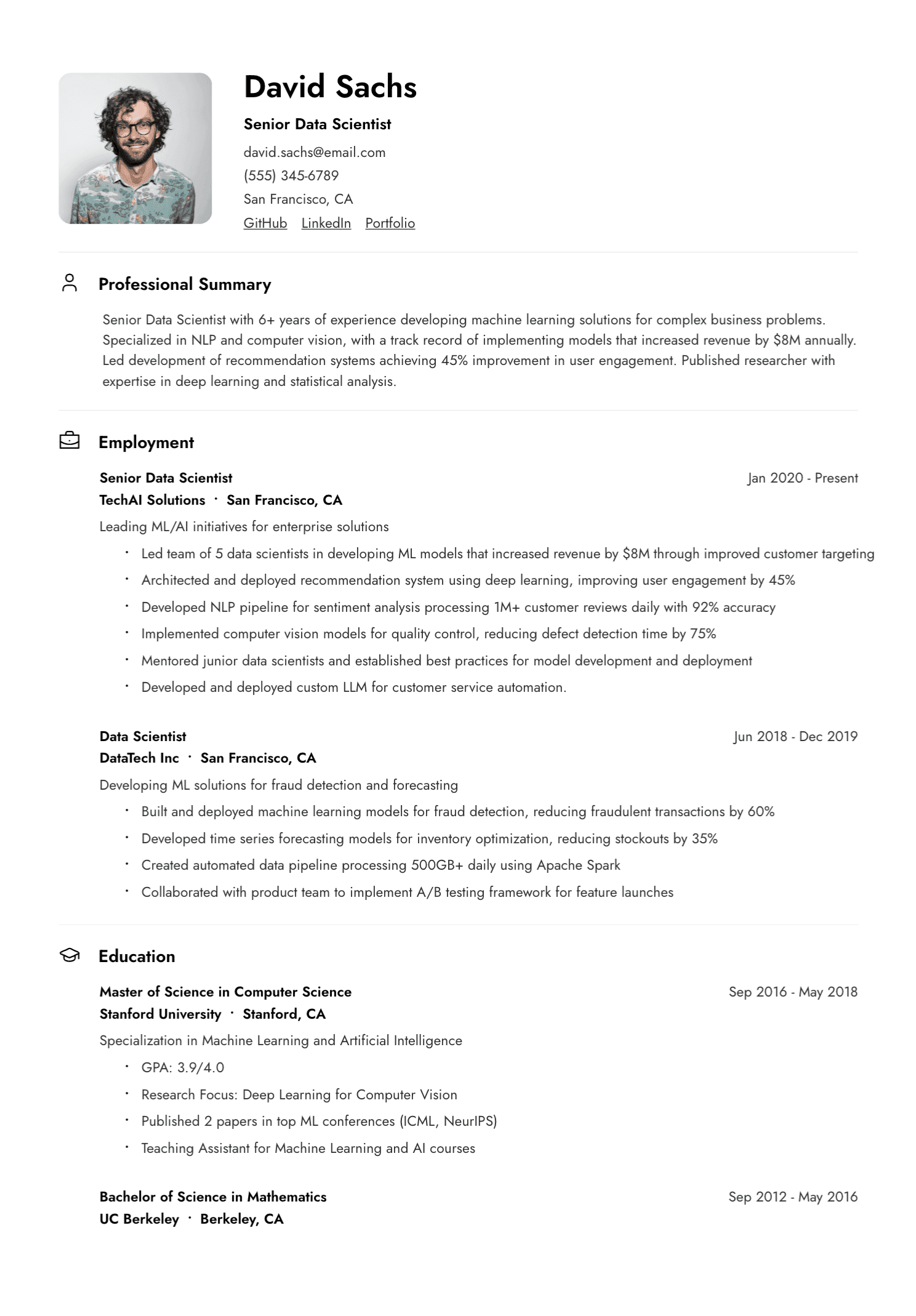
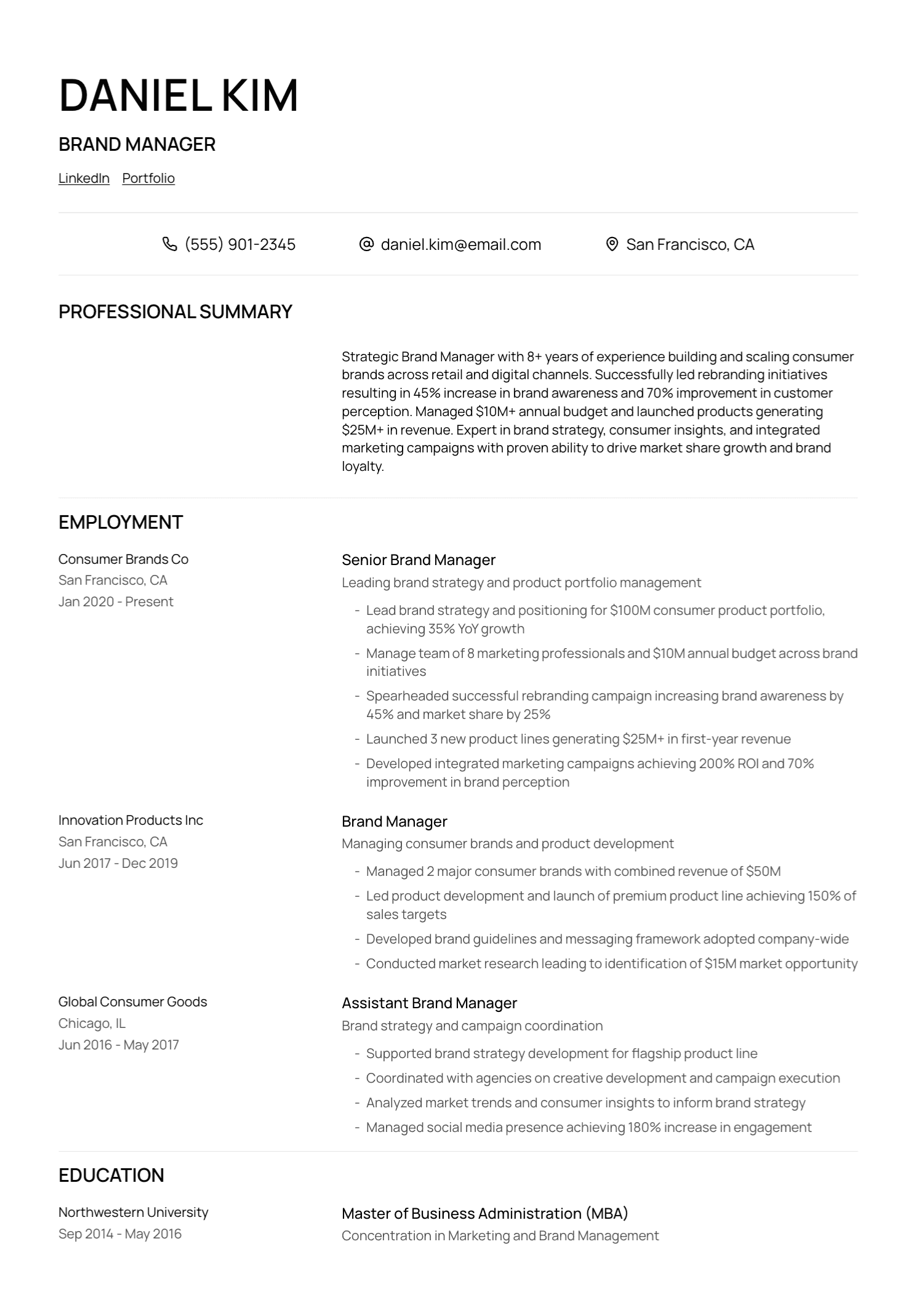
Use clear headings, selectable text, consistent dates, common fonts, and a straightforward structure. Follow the requested file format. PDF preserves layout well; some employers request a Word document or another format.
Applicant tracking systems vary. Many store, search, and organize application data. A clean document and accurate role-relevant wording support the process, while no template or keyword count can guarantee selection.
Step 4: Decide Whether to Write a Cover Letter
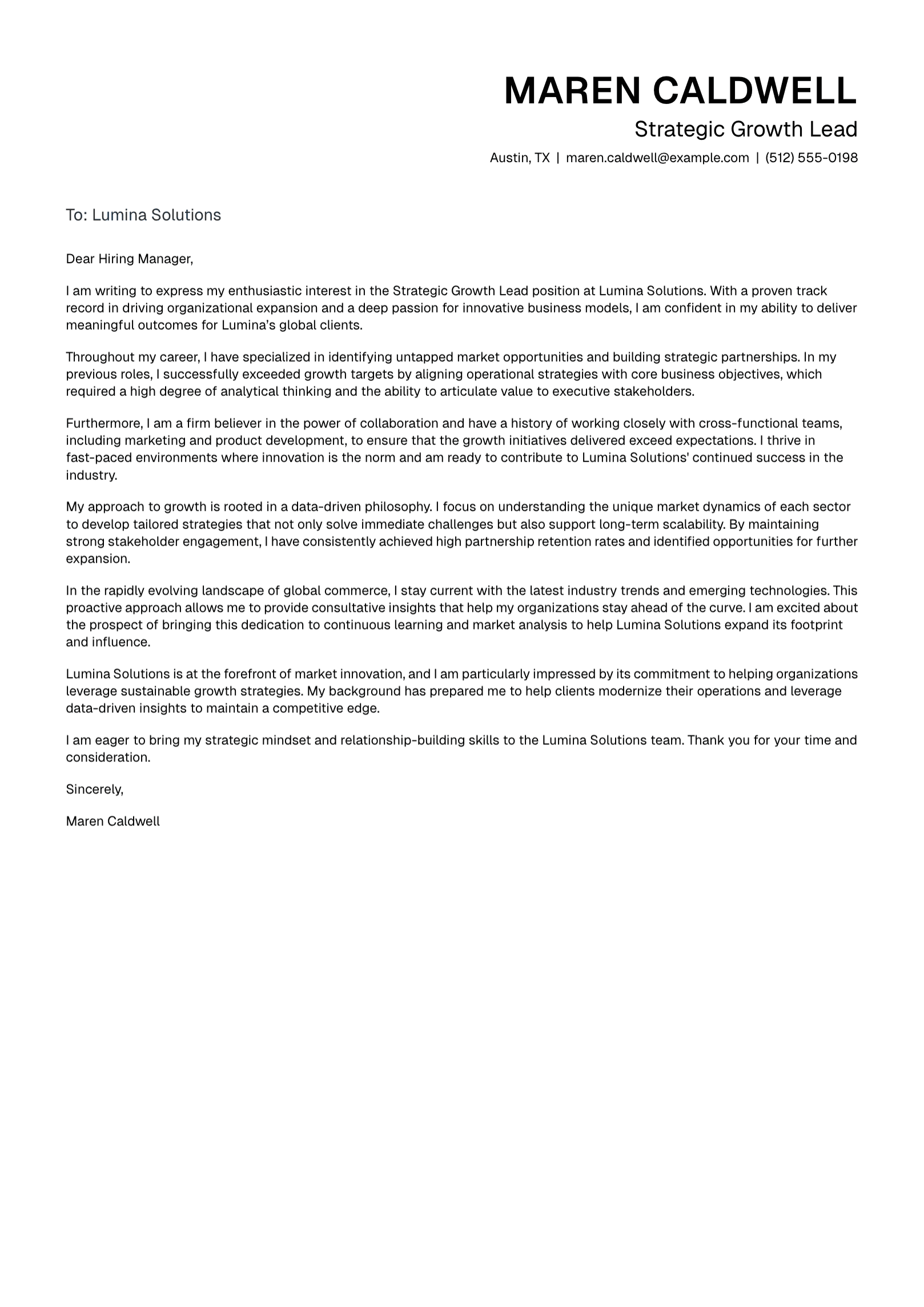
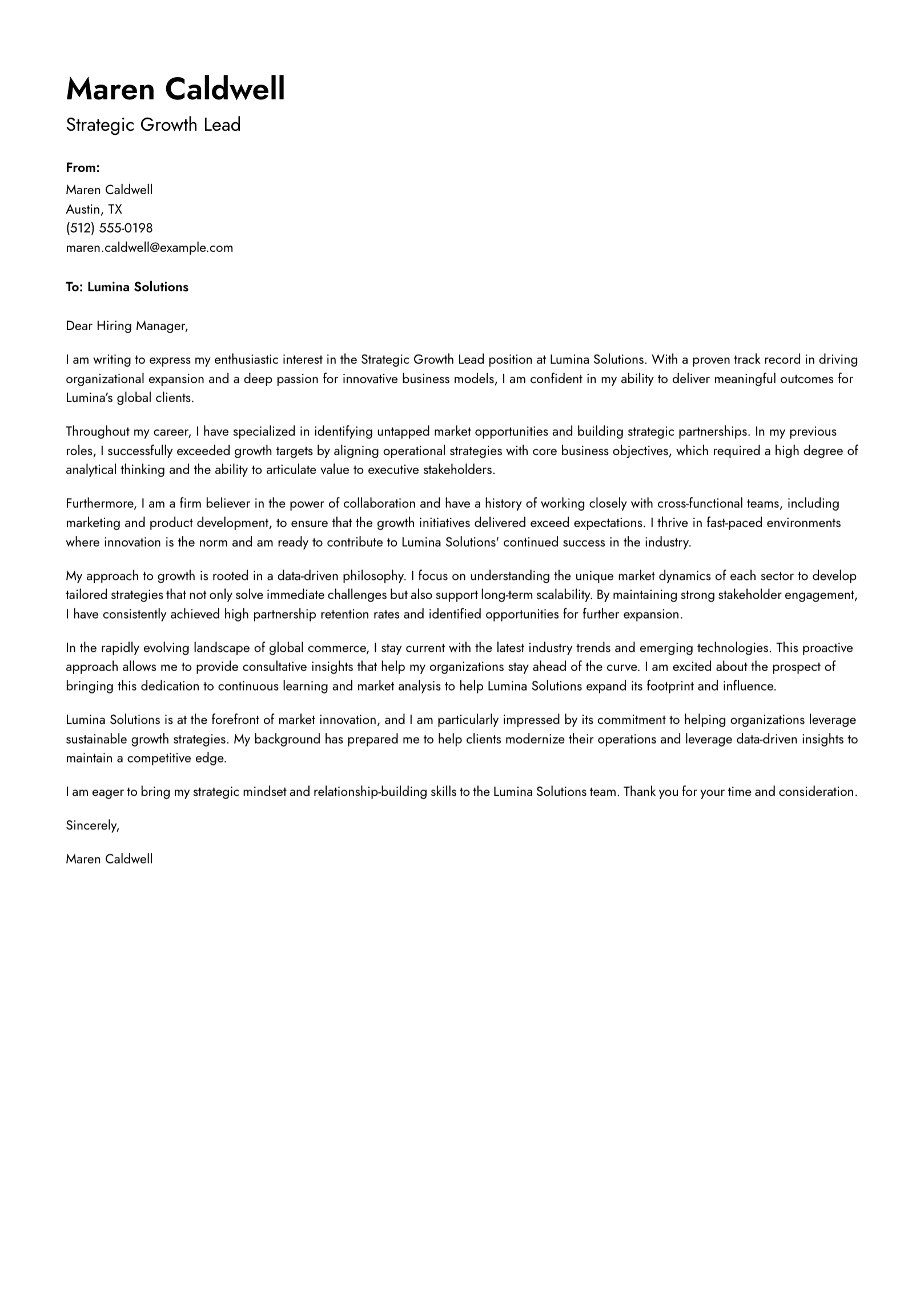
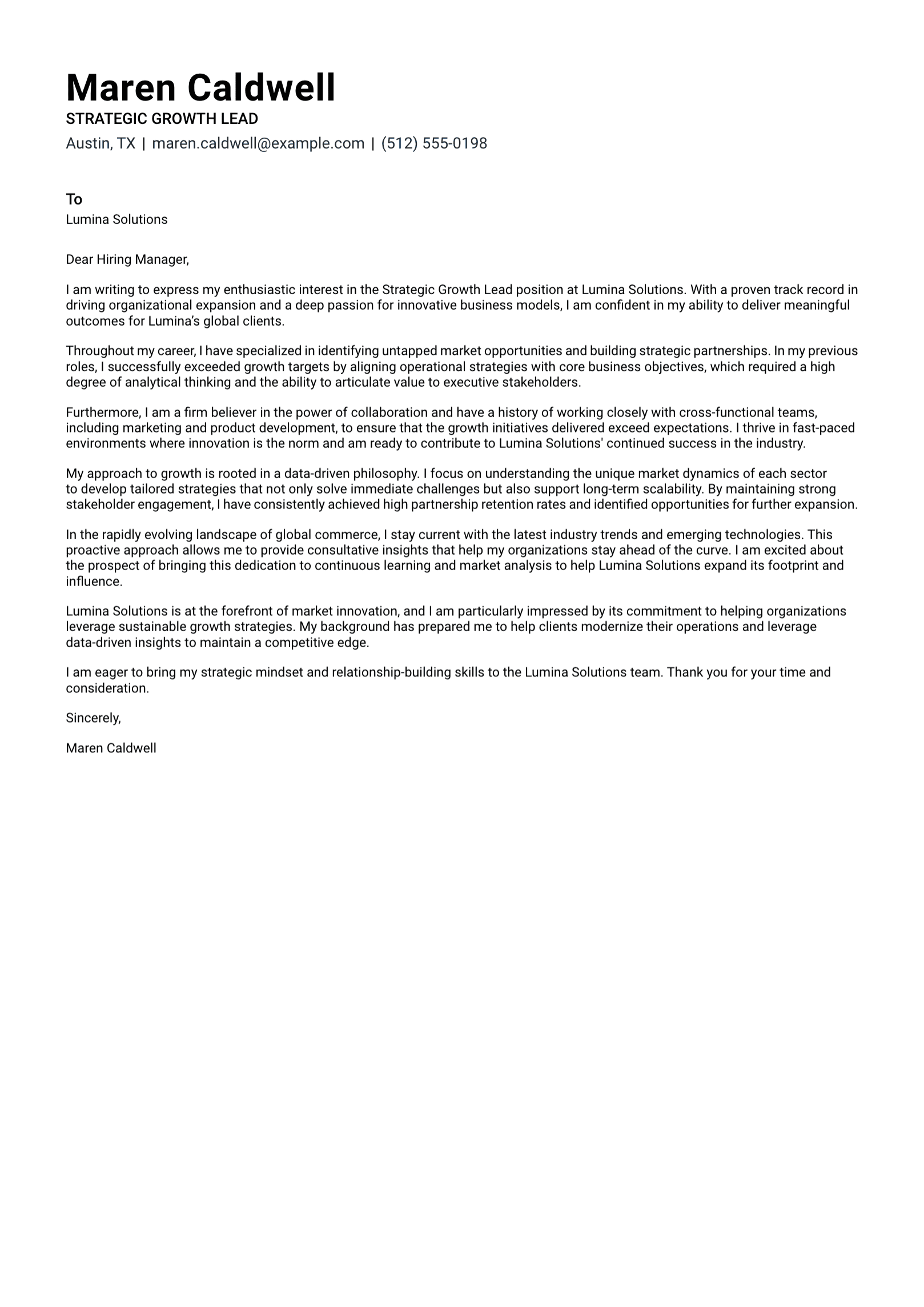
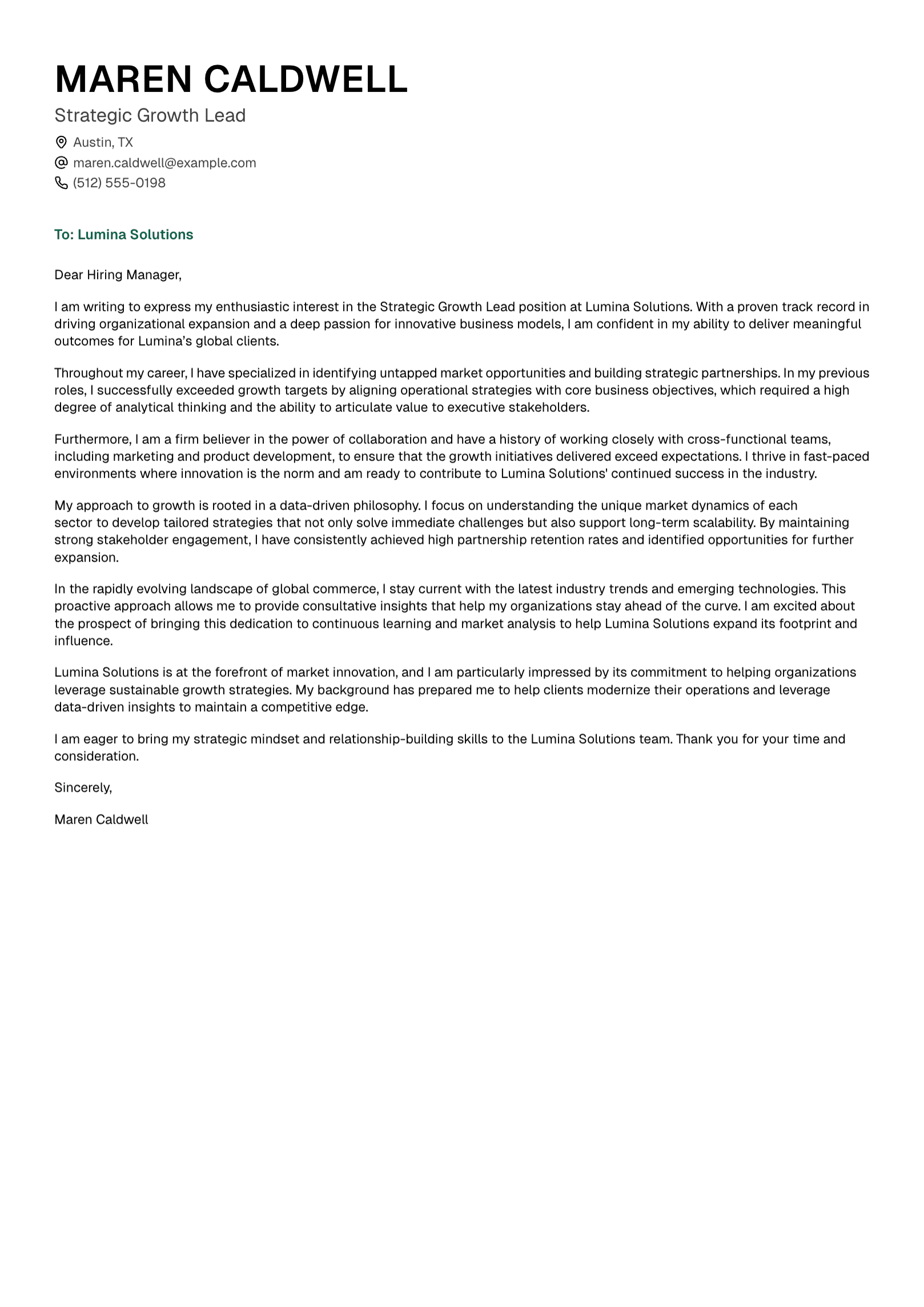
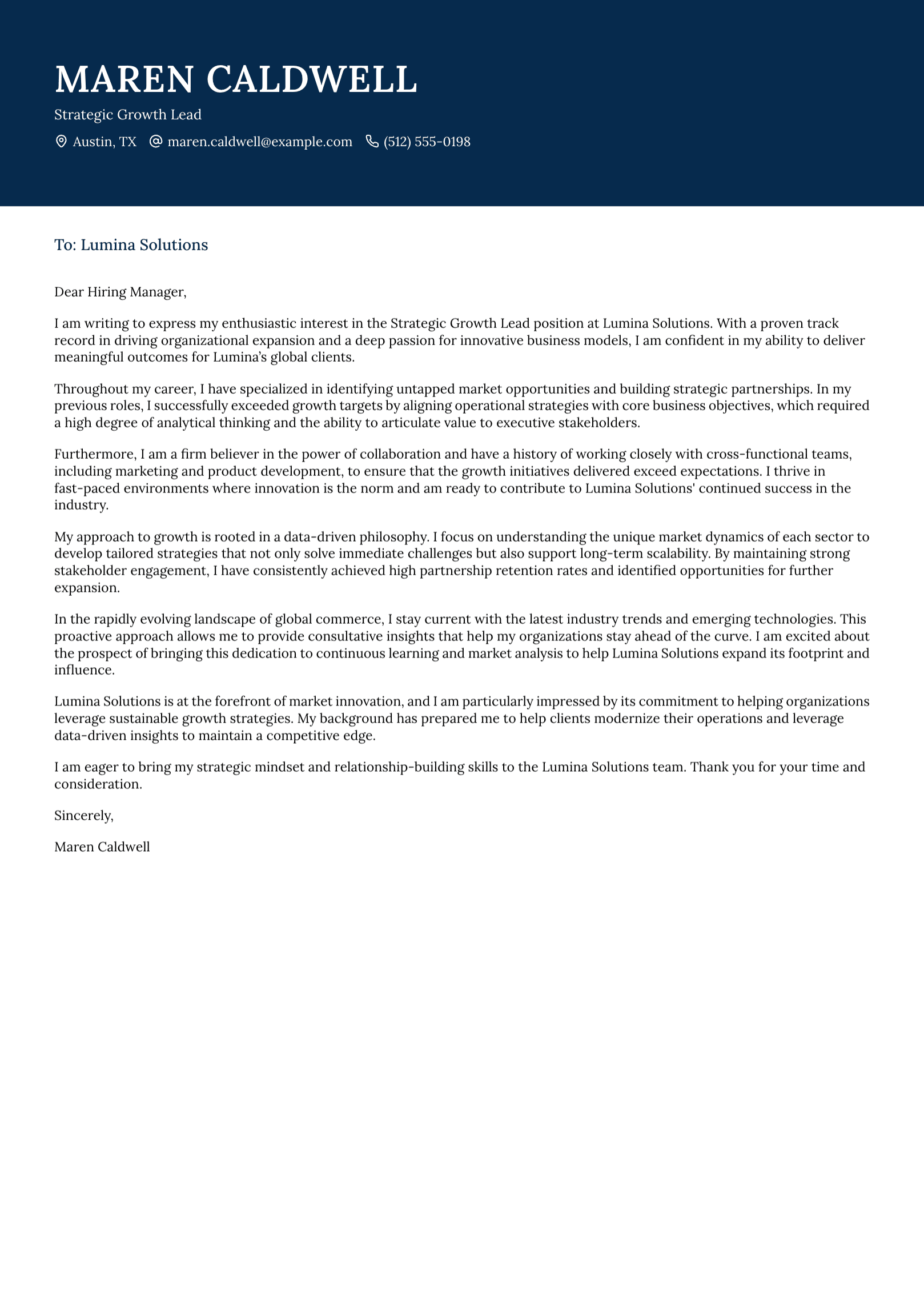
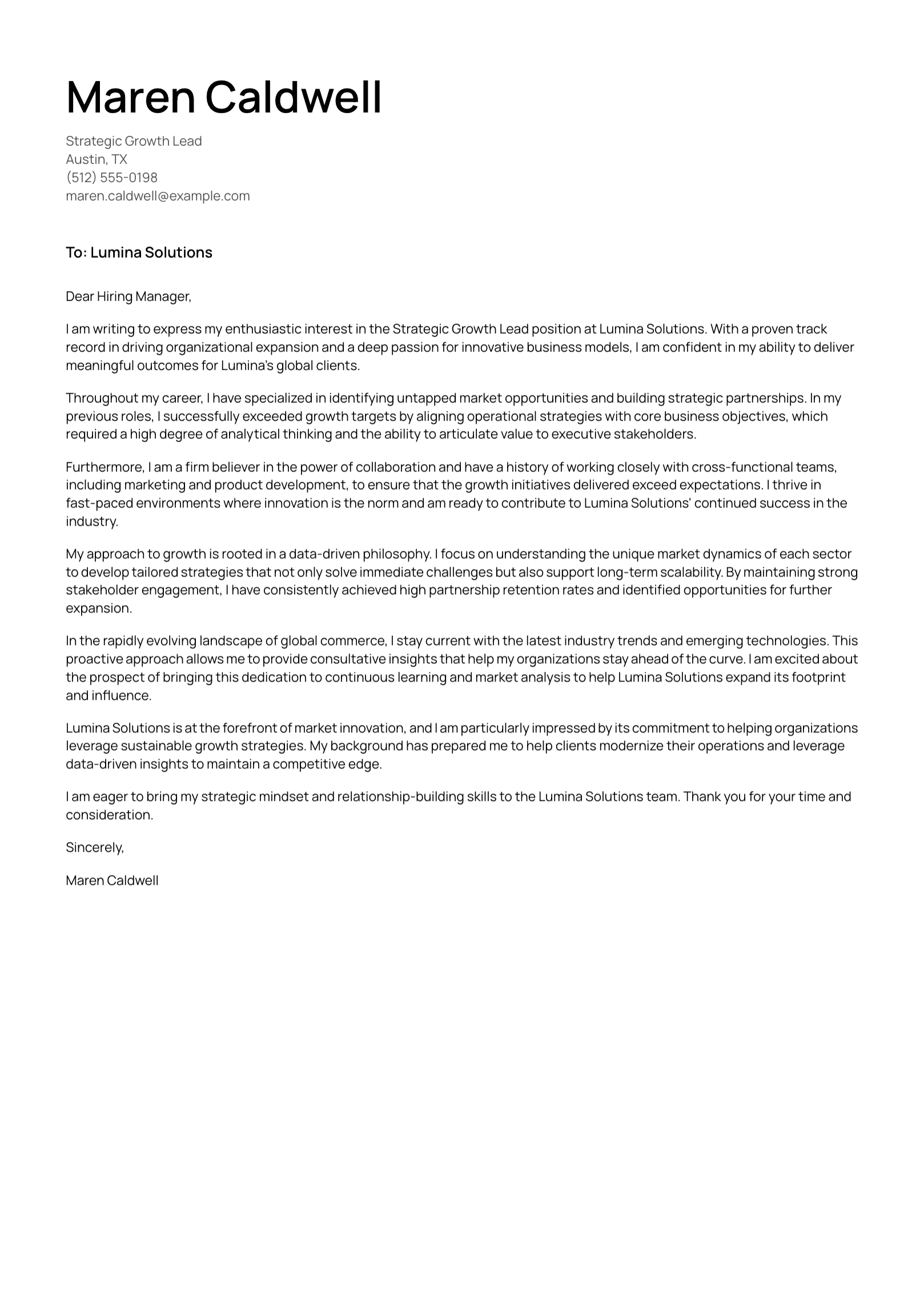
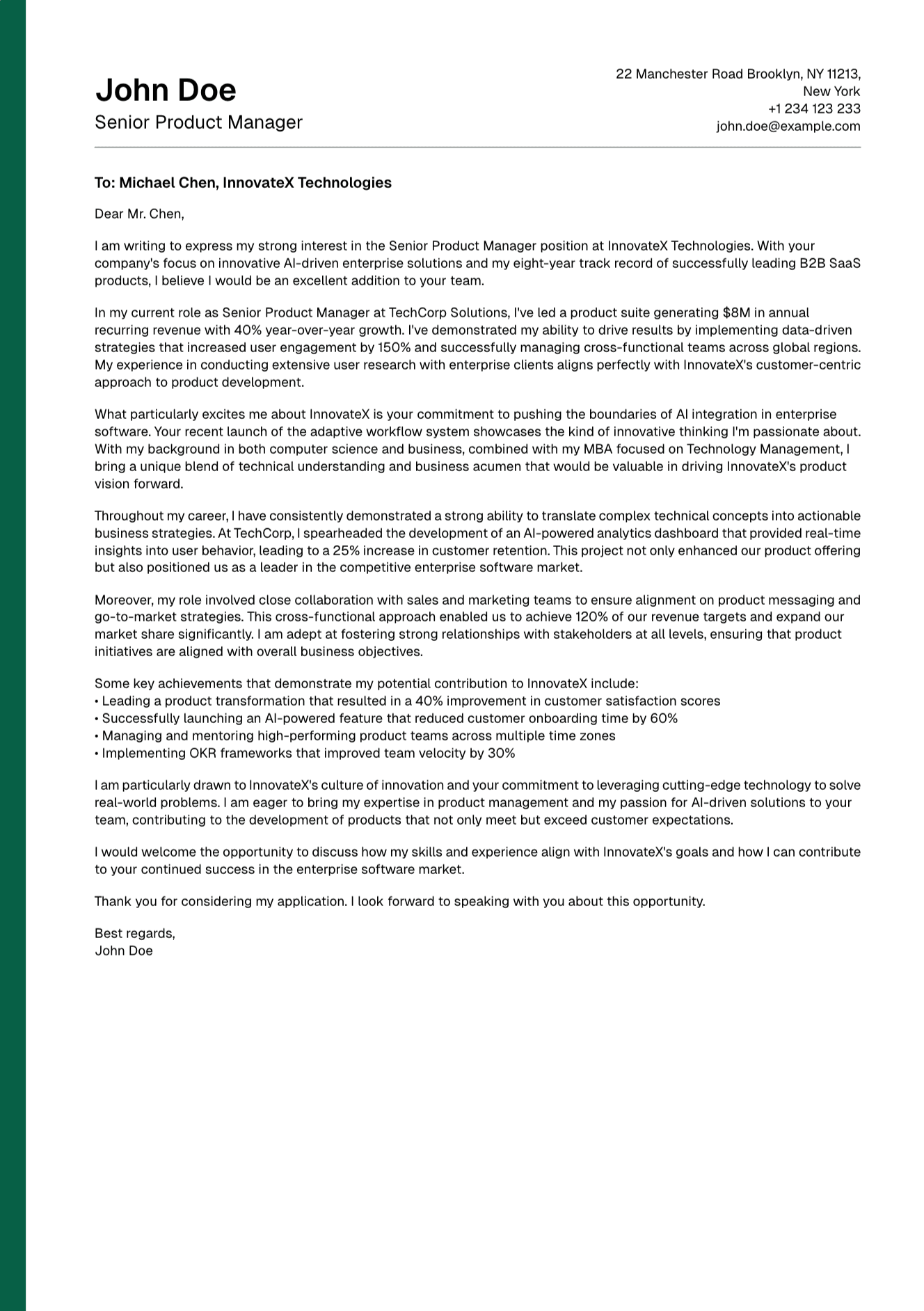
Write one when the employer requests it or when context would strengthen the application. A cover letter can be especially useful for career changes, relocation, a return to work, or experience that needs explanation. It may also help when your interest in the organization is specific and sincere or the role places real weight on writing and judgment.
A focused letter can follow four parts:
- Opening: Name the role and give a specific reason for your interest.
- Evidence: Connect one or two achievements to the employer’s needs.
- Context: Explain a relevant transition or motivation.
- Closing: Express interest in a conversation.
Keep the examples factual. Company research should help you write with specificity; it should never become invented familiarity with the culture or team.
Step 5: Use AI With Clear Boundaries
AI can extract stated requirements from a posting, compare them with your resume, and suggest which true experiences deserve emphasis. It can also tighten bullets, draft a cover letter from verified facts, and flag repetition or unclear wording.
Give the tool direct instructions:
Use only the facts in my resume and notes. Preserve official titles, dates, employers, metrics, and technical details. Place questions in brackets where more information would improve the draft. Flag every requirement that lacks supporting evidence in my materials.
Review the result line by line. AI frequently turns a likely implication into a definite claim. Remove any tool, responsibility, metric, or result you cannot explain with confidence.
Step 6: Complete the Application Carefully
Before submission, check:
- Correct company and job title
- Current contact information
- Accurate employment dates and titles
- Requested file type
- Working portfolio and LinkedIn links
- Consistent answers across the resume and form
- Complete questions
- Clean file names
- Proofread documents
A useful file name is:
Firstname-Lastname-Resume-Company.pdf
Apply once your materials are ready. Earlier applications may receive attention sooner when a company reviews candidates on a rolling basis, yet there is no universal hour or day that guarantees an advantage.
Save the posting after applying. Companies often remove listings before interviews begin.
Use Referrals With Respect
A referral works best when the person knows your work or can speak credibly about your fit.
Send a concise request:
Hi [Name], I’m applying for the [role] position at [company]. My experience with [relevant area] appears closely connected to the role, especially [brief evidence]. Would you feel comfortable referring me or sharing any context about the team? I’m happy to send the posting and my tailored resume.
Give the person room to decline. Avoid asking a new connection for an immediate referral.
Follow Up According to the Process
If the posting gives a timeline, use it. If a recruiter or hiring manager invited direct contact, a brief follow-up after the stated window is reasonable.
Hi [Name], I’m following up on my application for the [role] position submitted on [date]. I remain interested in the opportunity, particularly [specific reason]. Please let me know if any additional information would be helpful.
Best, [Name]
One thoughtful message is enough in most cases.
Track What You Send
A spreadsheet can record the company, role, saved posting, application date, contact, document versions, follow-up date, current status, and interview notes.
Review patterns every few weeks. Few screening calls across suitable roles may point to targeting or resume positioning. Screening calls followed by repeated rejection may suggest a mismatch in expectations, motivation, or salary. Later-stage interviews that stall may call for stronger examples or more interview practice.
Use a group of applications before drawing conclusions. Individual hiring decisions contain too many hidden variables.
How UseResume Fits Into the Process
UseResume lets you upload or create a resume, add a target job description, prepare a tailored draft, edit the document, and export it as a PDF. The platform also supports cover-letter creation.
Treat the generated text as a draft. Verify every detail, preserve your natural voice, and keep a copy associated with the correct application.
Apply With Focus
A strong application makes the recruiter’s job easier. The role is clear. The evidence is relevant. The documents agree with each other. The candidate behind them sounds prepared.
Follow a repeatable process, protect the truth of your experience, and give each suitable opportunity the attention it deserves.
Create your account and prepare a tailored resume and cover letter for your next application.
Continue with our guides to tailoring a resume and writing a cover letter.