The Useful Starting Point Is 10 to 15 Years
For many experienced professionals, the last 10 to 15 years deserve the most detail. That range usually captures current expertise, recent progression, and work performed in an environment close enough to today's role.
Treat it as an editing guide. Your career may need a shorter or longer view. A highly relevant position from eighteen years ago can still earn space. A role from eight years ago can be reduced when it adds little to your current direction.
I make this decision by asking three questions: Does the experience support the target role? Does it add evidence that the recent career history lacks? Will the reader understand why it is here?
Relevance Sets the Boundary
A resume is a selective account of your professional value. Give the greatest space to work that helps an employer evaluate you for this opening.
Recent roles often deserve fuller descriptions because they reflect your current level. Older roles can establish industry knowledge, a major career foundation, or experience that has become relevant again. Their age alone never decides their value.
Technology and regulation can change quickly, though many capabilities endure. An old product version may carry limited weight. The ability to lead a complex implementation, work through a merger, build a function, or manage a regulated process may remain useful when the new role calls for similar judgment.
Early-Career Resumes
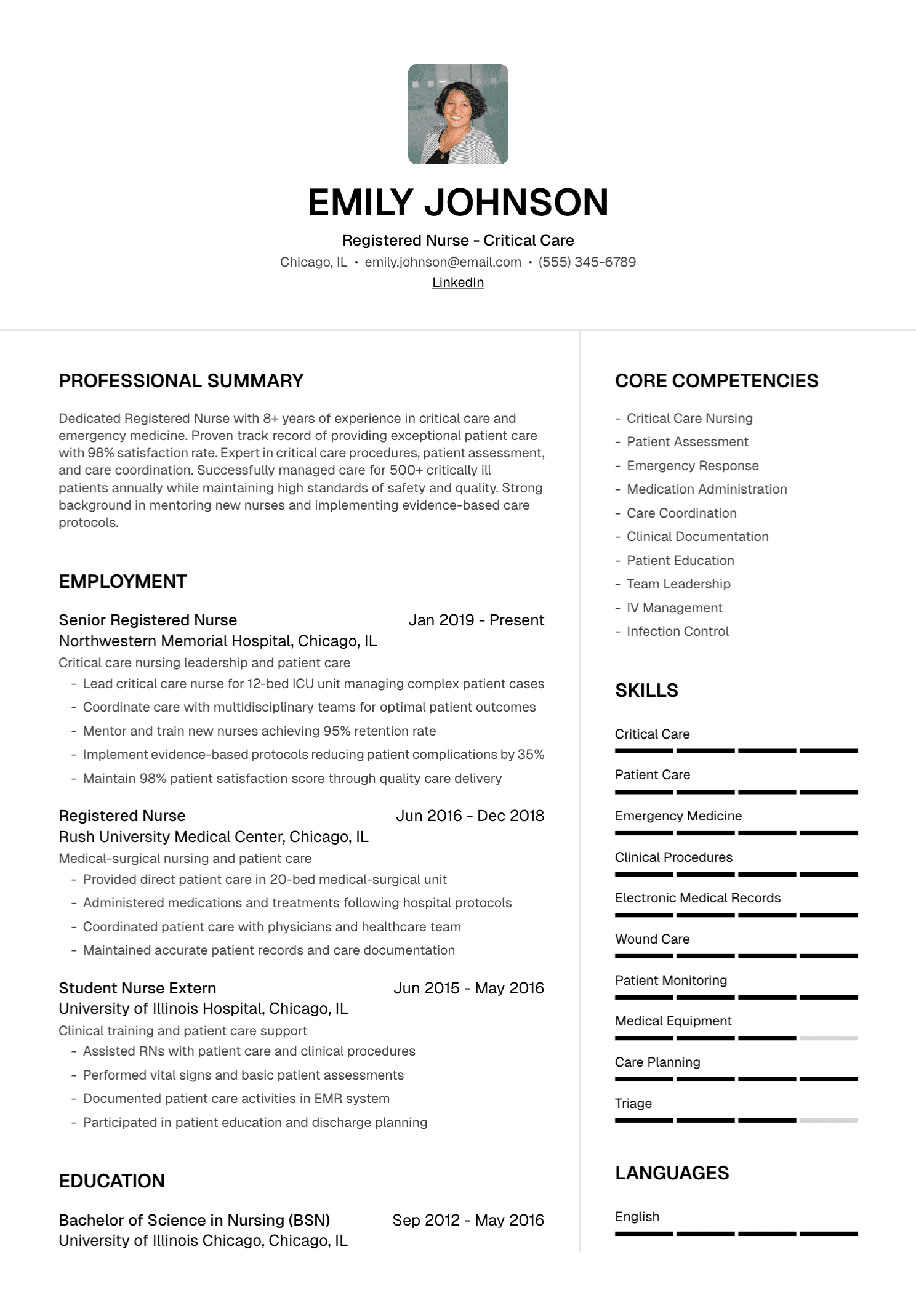
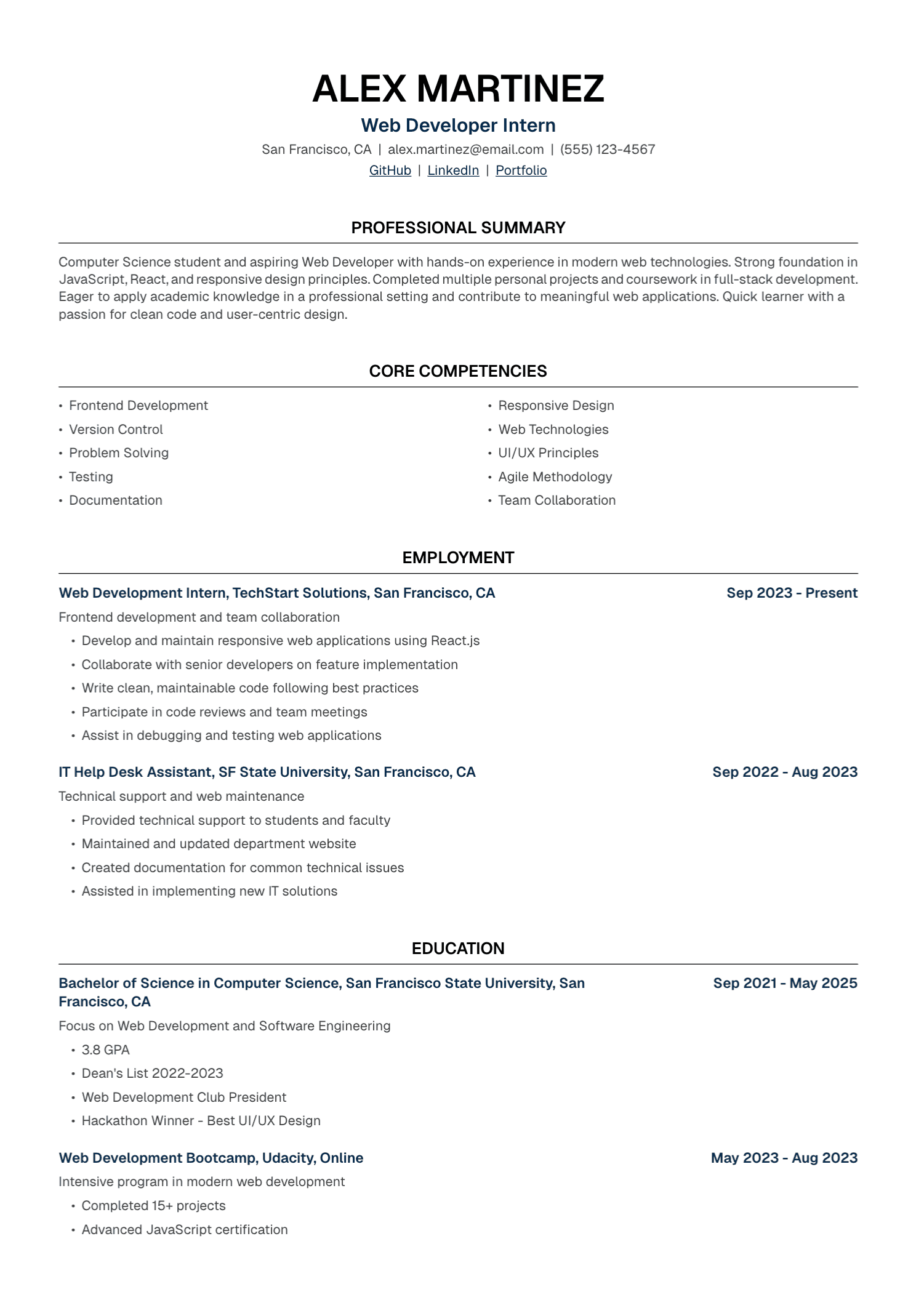
Include the relevant history you have: paid work, internships, apprenticeships, academic projects, volunteer responsibilities, and substantial independent work. Label each setting accurately.
There is no need to stretch a two-year career into two pages. A focused one-page resume can feel complete when the evidence is strong. Part-time work from school may still deserve space when it shows customer service, responsibility, leadership, or another capability requested in the posting.
As your professional experience grows, older school activities and unrelated jobs can gradually leave the document.
Mid-Career Resumes
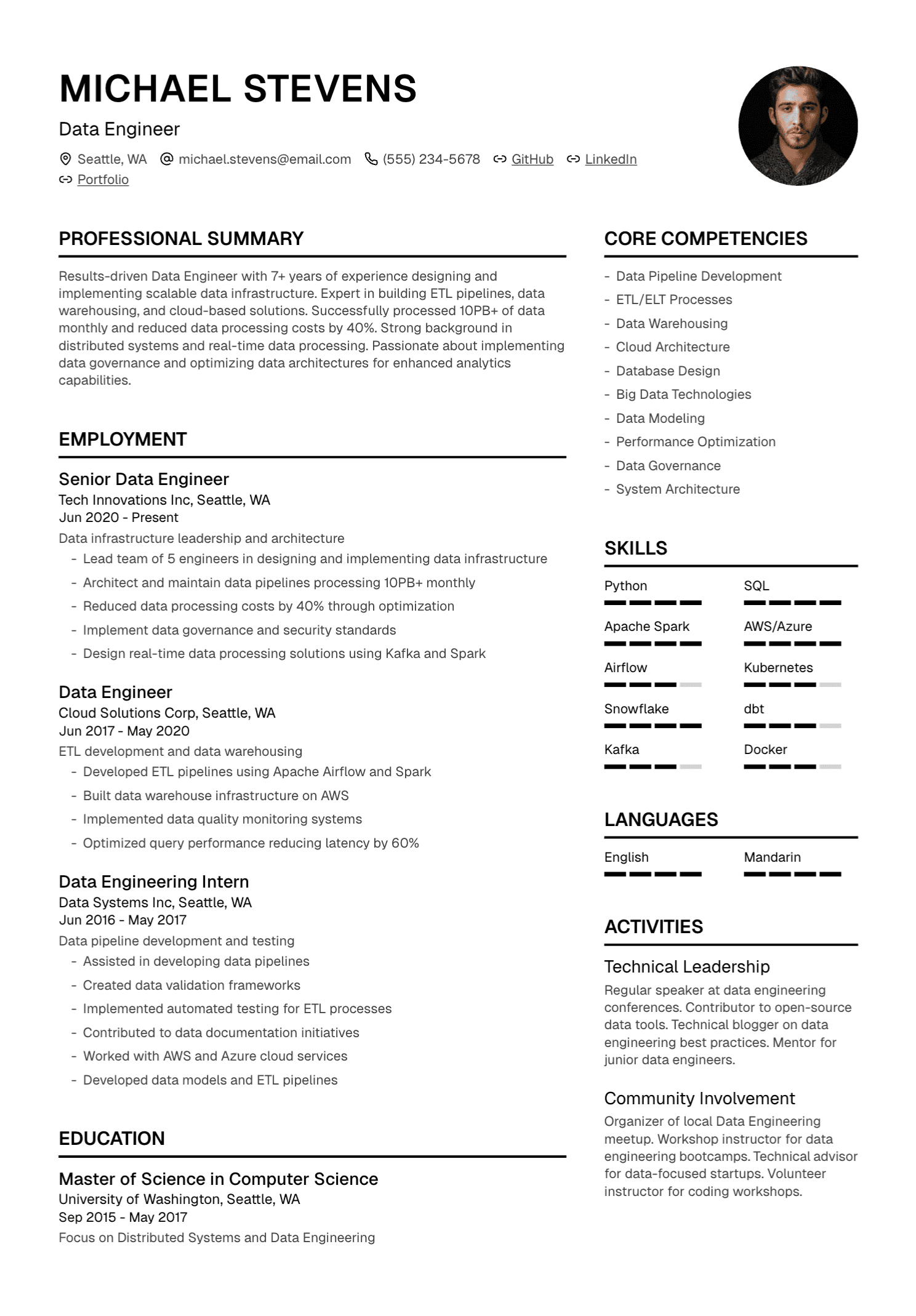
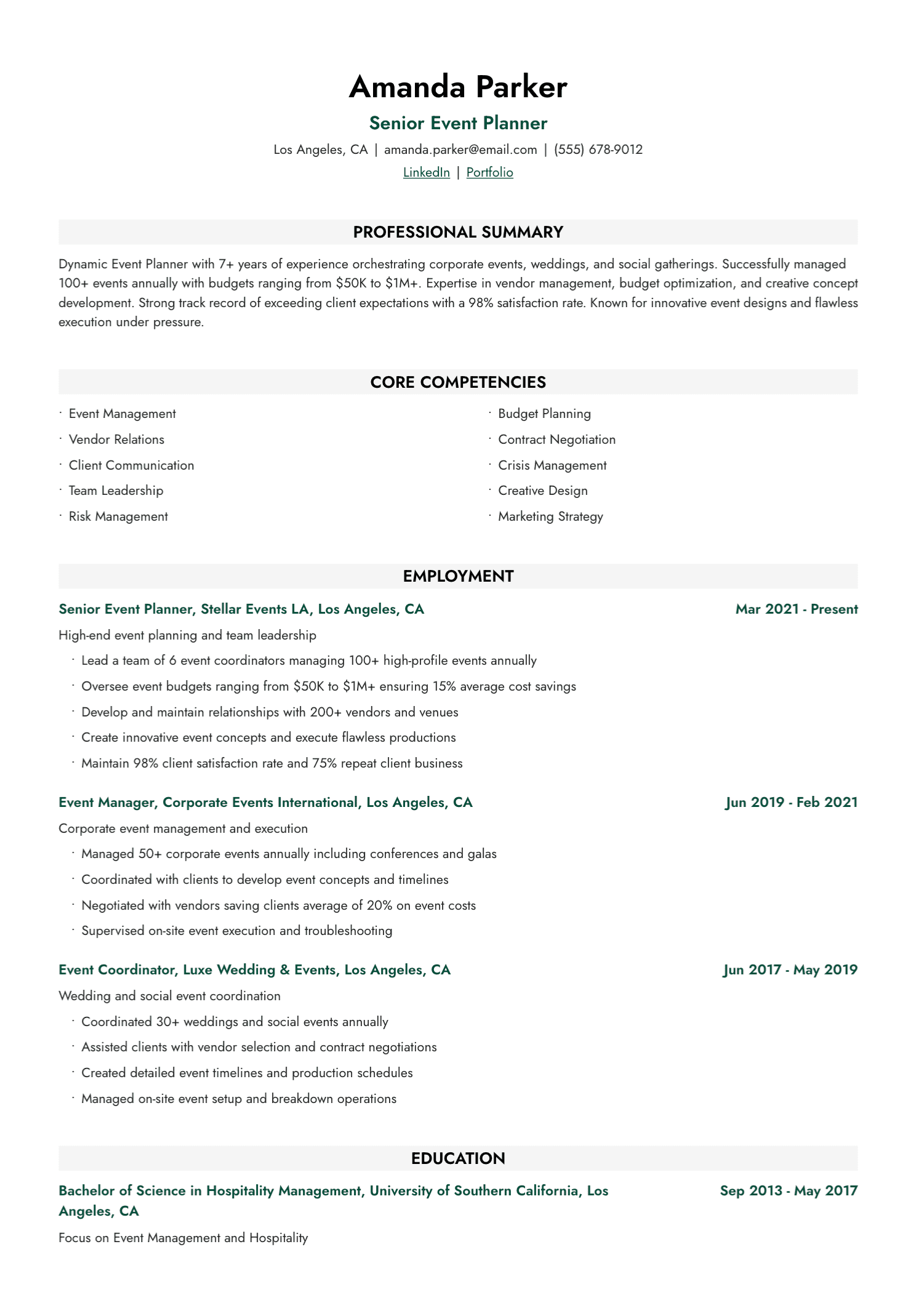
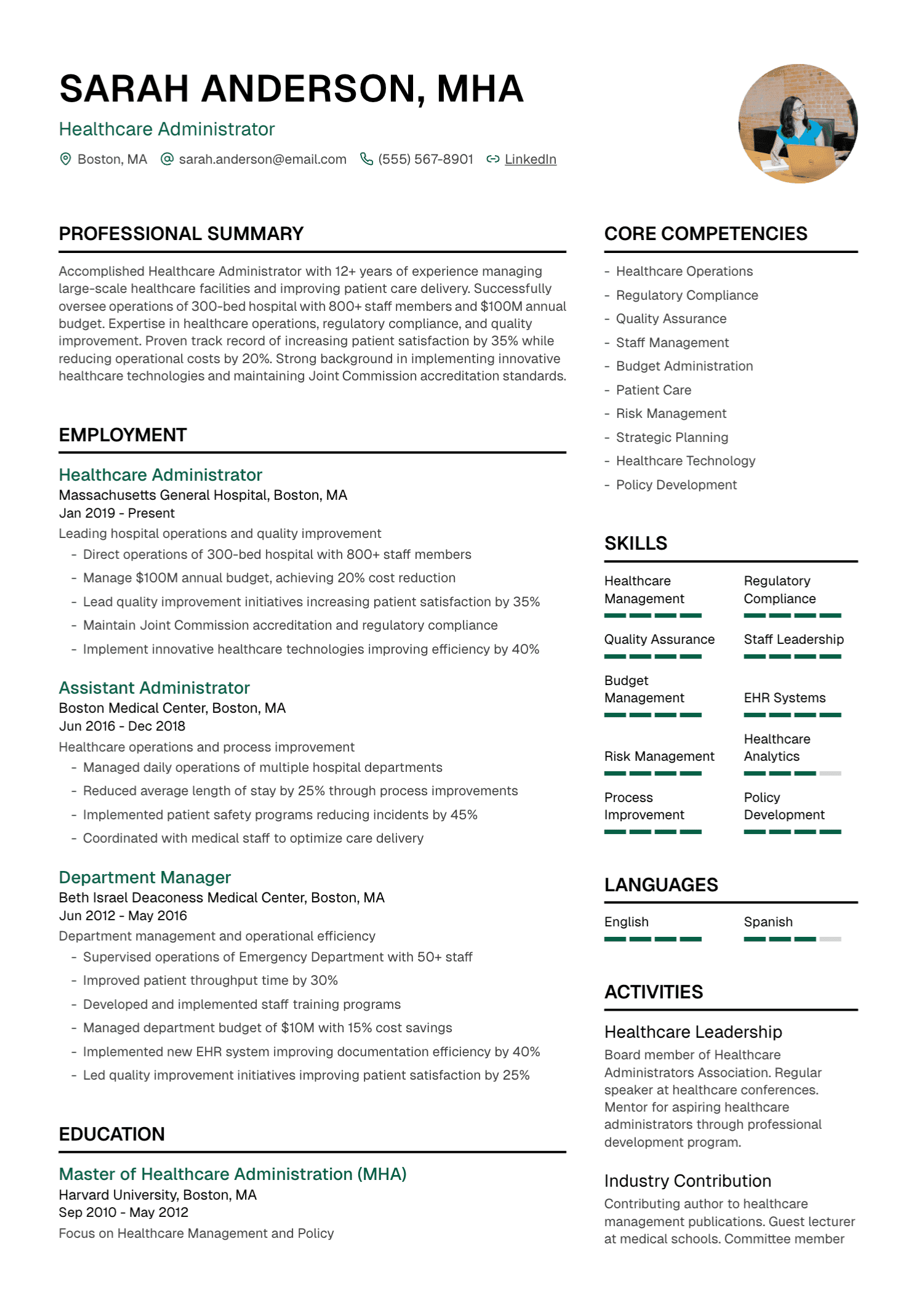
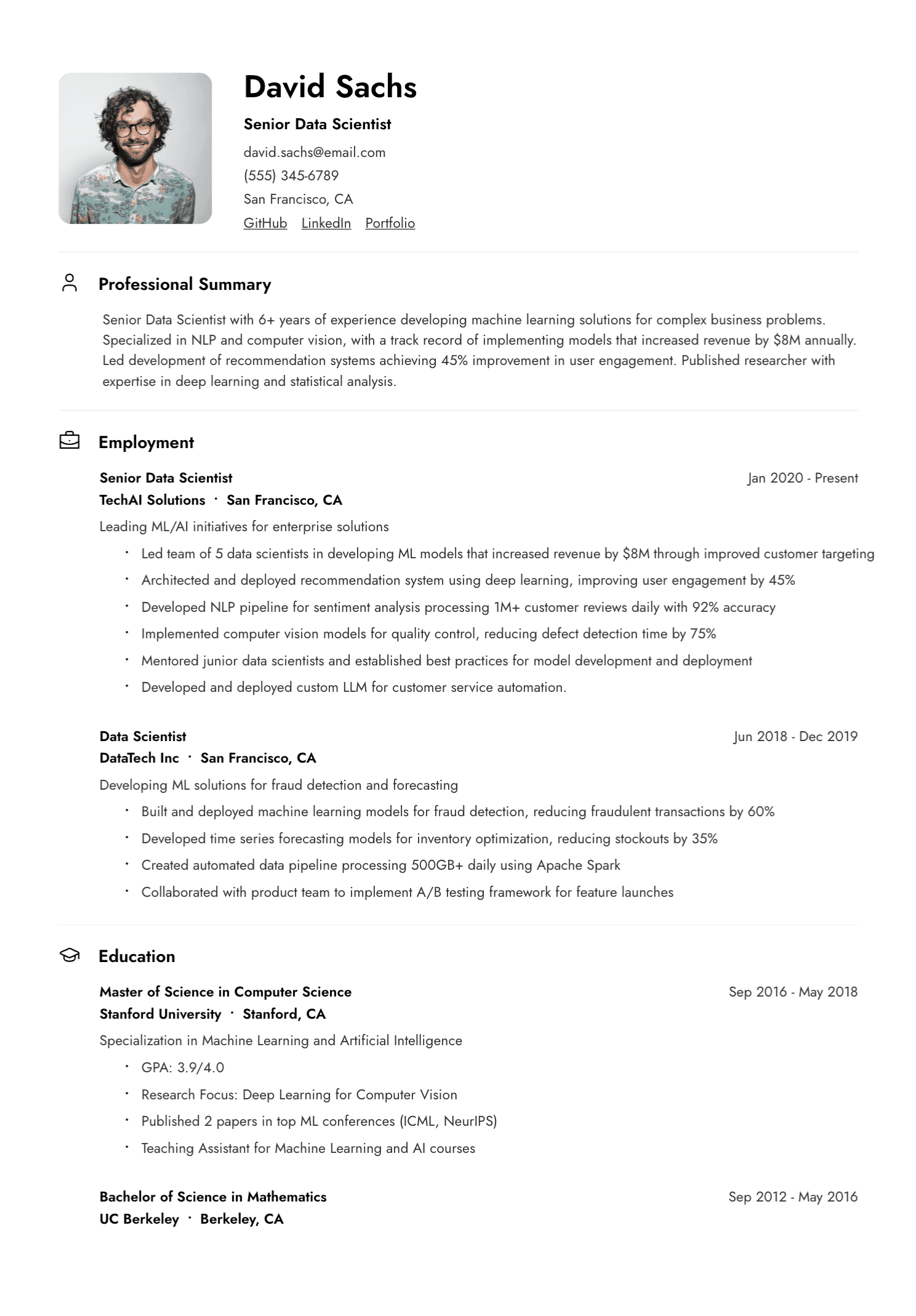
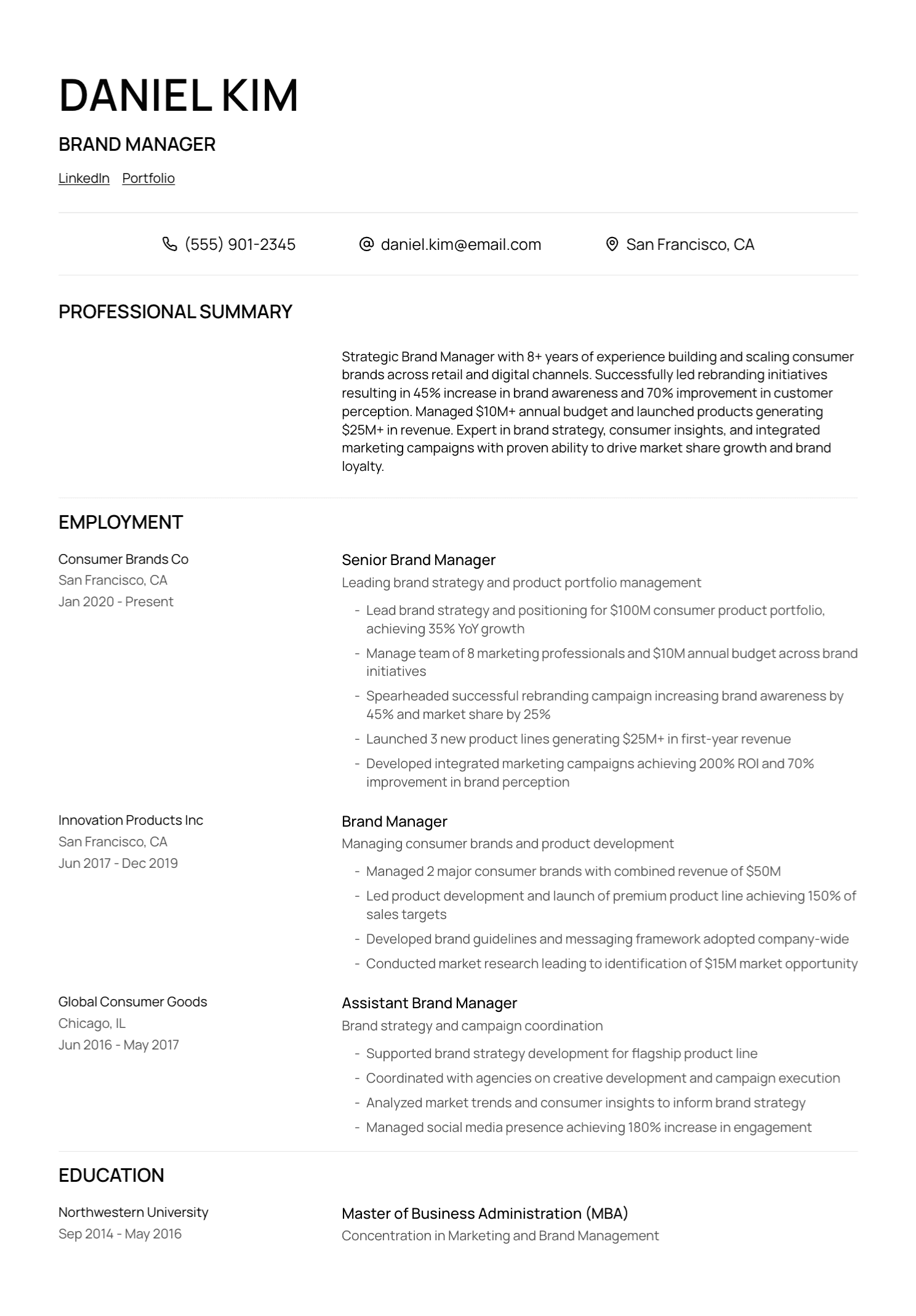
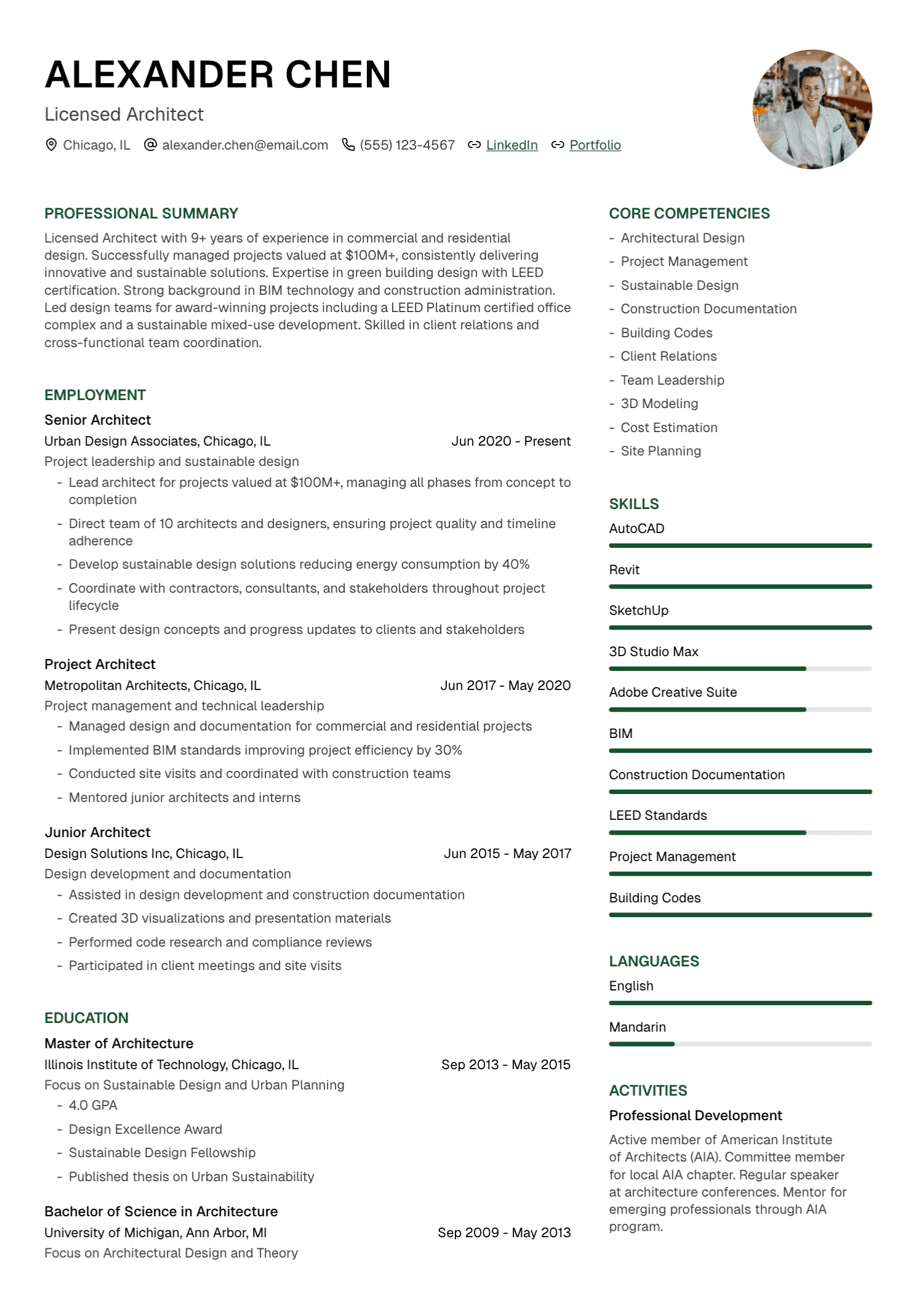
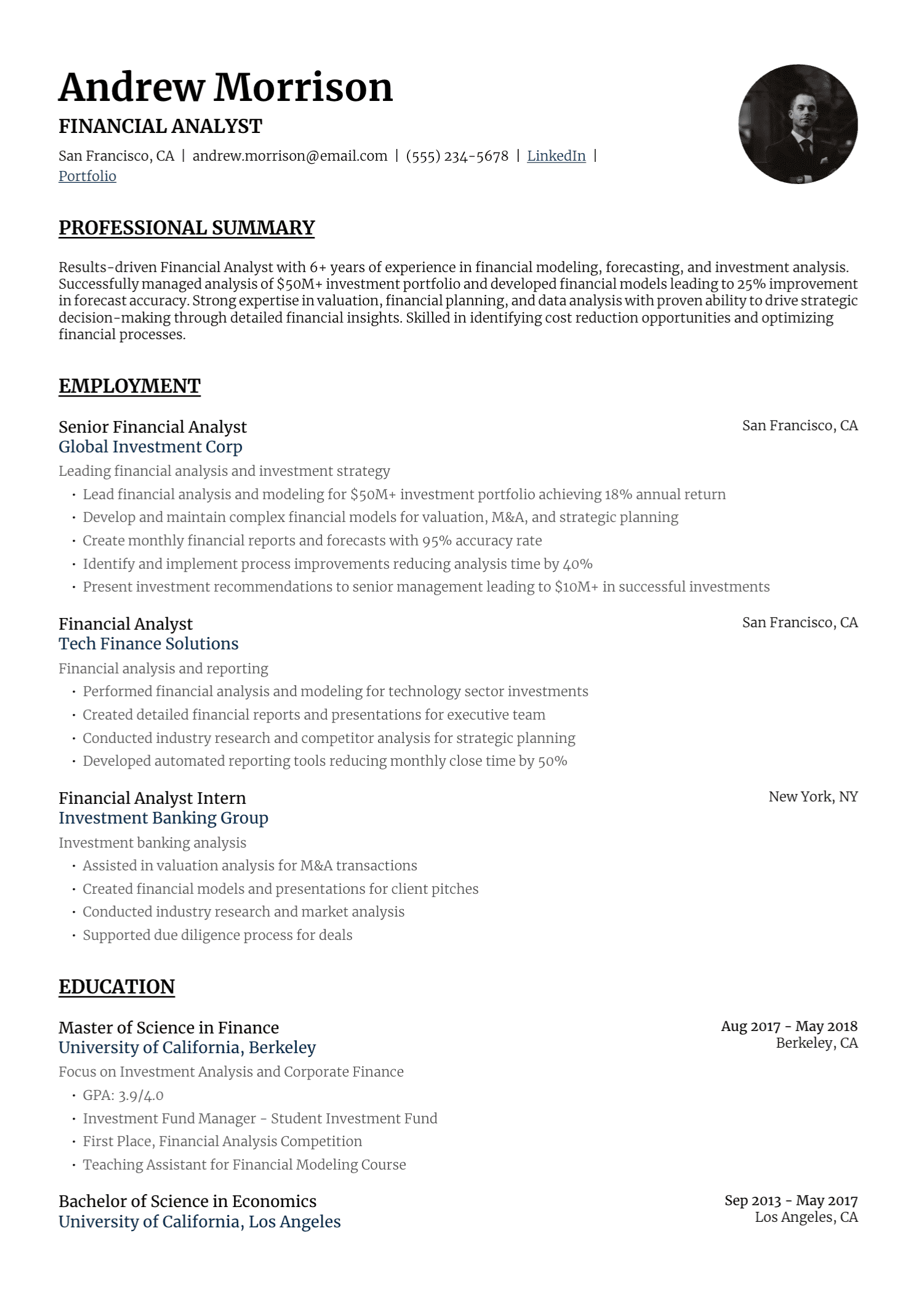
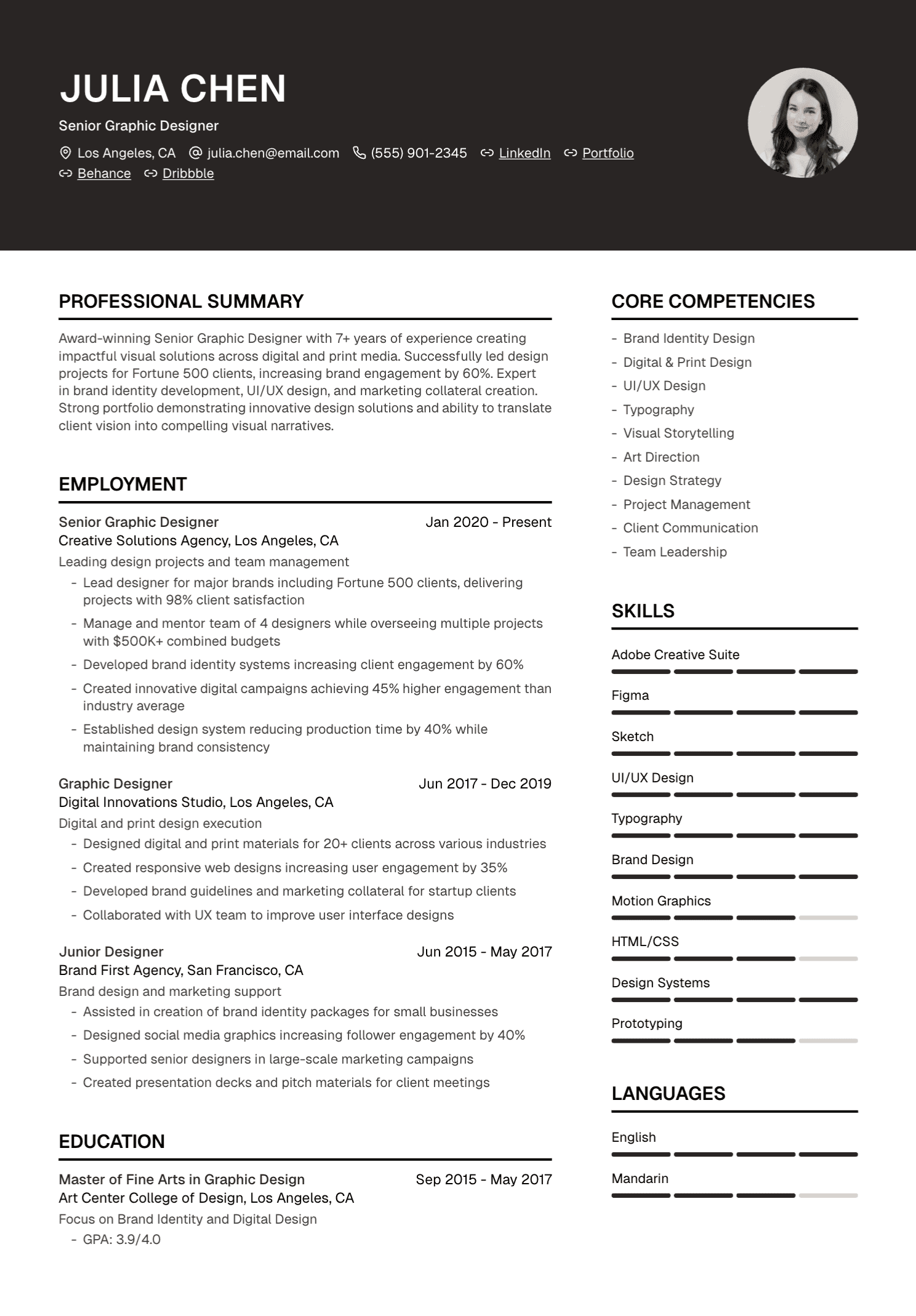
Most mid-career candidates can show the full professional history or come close to it. Give the recent and relevant roles more detail, then shorten positions that repeat the same story.
Suppose you have held three account-management roles with increasing responsibility. The newest role might receive four or five carefully chosen bullets. The earliest might need one line and one strong result. This creates a visible progression without asking the reader to absorb the same duties three times.
Older experience also needs proportion. A role from twelve years ago should rarely dominate a resume when your current position is more relevant.
Senior and Executive Careers
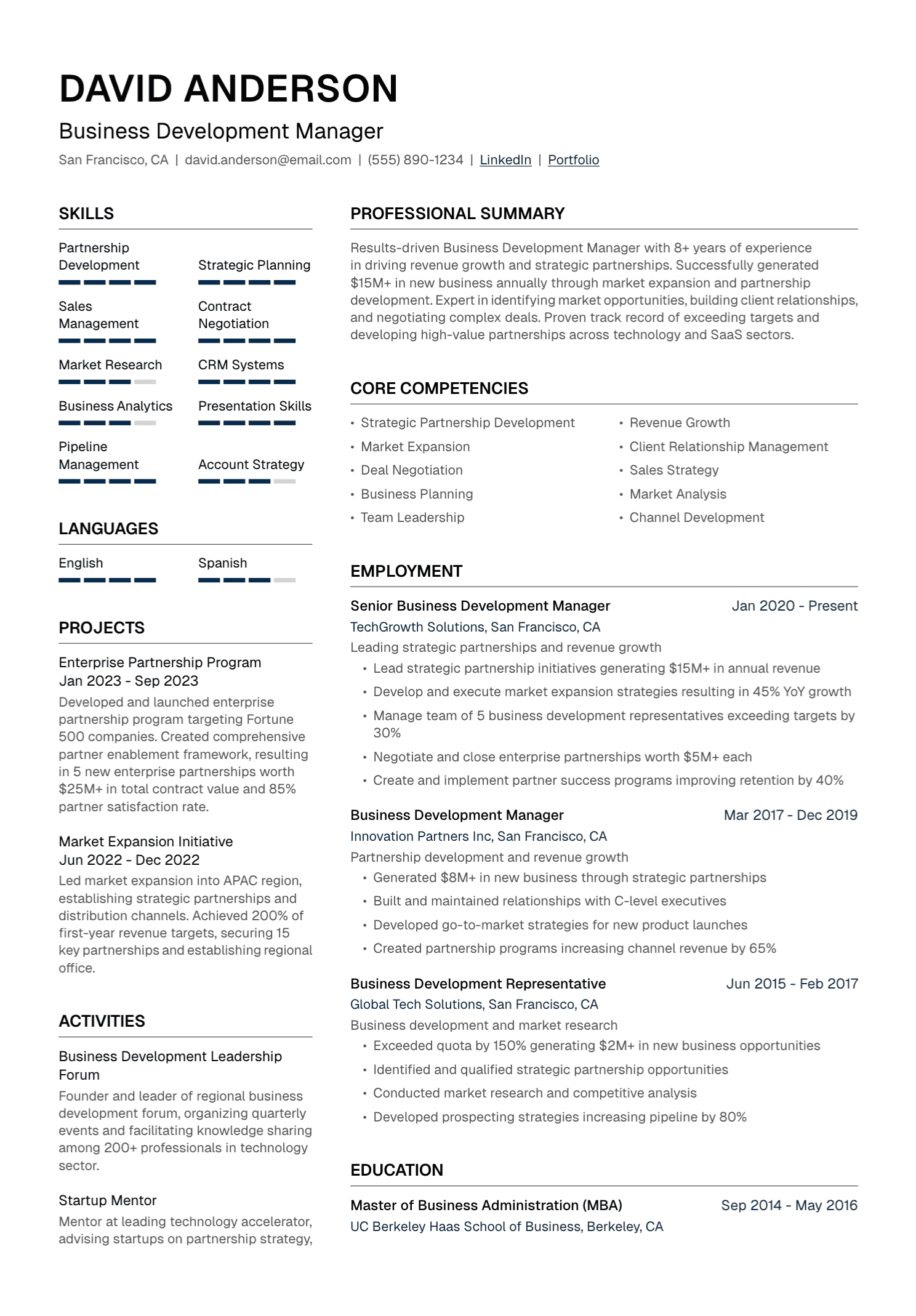
A leader with twenty-five years of experience may need to show a longer arc. Earlier roles can explain how she developed deep market knowledge, moved from technical work into leadership, or built expertise in a particular business cycle.
Keep the last 10 to 15 years detailed and consider an “Earlier Career” section for the rest. Senior hiring also varies by market and level. An executive biography, board CV, federal resume, academic CV, and private-sector leadership resume serve different purposes.
An earlier-career entry can be simple:
Earlier Career: Progressed through [verified titles] at [employers], with responsibility for [relevant function, market, or scope].
Add a figure only when your records support it and the number still gives useful context.
Career Changes
Career changers need enough history to establish credibility while keeping the new direction clear. Recent training and projects can move forward. Previous roles can focus on transferable evidence such as analysis, client work, operations, leadership, research, writing, or project delivery.
Avoid erasing a long career until the timeline becomes confusing. A condensed entry often works better. The employer can see where you worked, while the detail stays focused on the new profession.
For example, someone moving from teaching into learning design may keep earlier classroom roles because they explain her audience knowledge. Someone moving from retail operations into software development may condense retail positions and give more space to technical projects, training, and recent development work.
When Older Experience Deserves Space
An older role may belong when the posting requests deep tenure, the work is unusually relevant, the employer or market connection matters, or the role explains a major step in your career.
It can also help when you are returning to a field. If you spent several years in procurement, moved into general operations, and now want a procurement leadership role, that early foundation is part of the case. Keep it concise and connect it with more recent transferable work.
Some applications require a complete history. Government forms, security processes, regulated roles, licensing bodies, and background checks may ask for specific periods or every employer. Follow the instruction exactly. The tailored resume and the formal history form can have different levels of detail while remaining factually consistent.
CVs Follow Different Conventions
Academic, scientific, and medical applications may request a curriculum vitae with publications, teaching, grants, presentations, research, appointments, and credentials across the full career. Local conventions vary by country and discipline.
Confirm which document the employer expects. “CV” can mean a concise resume in one market and a comprehensive academic record in another.
When a university, hospital, public body, or professional association provides a required format, use it. A general 10-to-15-year guideline carries little value beside an explicit instruction.
Three Ways to Handle Earlier Roles
Keep a full entry when the role is central to the target job. Show the title, employer, dates, context, and a small number of relevant achievements.
Use a condensed entry when the role adds continuity or background. One line may be enough:
Operations Analyst | [Employer] | [Dates] — Supported [verified process, market, or responsibility].
Use an “Earlier Career” section when several positions add useful career context and need very little detail. Omission is also reasonable when the role contributes nothing useful and no application rule requires it.
Keep a private master history with every title, employer, location, date, manager, and achievement. This makes formal applications and background checks much easier later.
Graduation Dates and Older Credentials
Many experienced candidates omit a graduation year from a standard private-sector resume when the date has little bearing on the role. Keep dates where they establish a current credential, explain recent study, or are requested by the application.
Education, licensing, immigration, public-sector, and regulated processes may require complete dates. Supply them accurately in the proper form.
Never change a graduation date or move an old degree forward in the chronology. Selective presentation is legitimate; false chronology creates a trust problem.
Age Bias Deserves an Honest Conversation
Experienced candidates sometimes worry that a long timeline will invite assumptions about age. That concern deserves respect, especially when a resume starts attracting fewer responses despite strong qualifications.
You can reduce unnecessary age signals by emphasizing current work, removing obsolete software, shortening early roles, and omitting an optional graduation year. These choices keep attention on recent relevance. They offer no guarantee against bias.
Legal protections depend on location. In the United States, the Equal Employment Opportunity Commission explains that federal law prohibits age discrimination against applicants and employees aged 40 or older, subject to its coverage rules. The United Kingdom's recruitment guidance also addresses discrimination during hiring. Candidates elsewhere should consult the relevant local authority or qualified adviser.
What Applicant Tracking Systems Actually Change
There is no universal ATS rule that discounts experience after a certain date. Hiring platforms vary, and recruiters configure their own searches, filters, questions, and workflows.
Clear chronology helps both software and people. Use recognizable employer, title, and date formatting. Put relevant terms inside the roles where you genuinely used them. Avoid relying on a hidden “ATS score” to decide which decade belongs on the page.
If a portal asks you to enter every job separately, complete the required fields even when the attached resume is more selective.
A Practical Reference
Career situation | Useful approach |
|---|---|
| Early career | Include relevant work, internships, and projects |
| Mid-career | Show the career history, with more detail on recent roles |
| Senior or executive | Detail the recent 10–15 years and condense earlier work |
| Career change | Prioritize transferable evidence and keep the timeline clear |
| Required full-history process | Follow the stated period and format exactly |
Use AI to Edit With Context
AI can help identify repeated material and suggest a shorter structure. It can also erase useful early experience or invent a neat career progression.
Use a careful prompt:
Review this resume for [target role]. Mark each position as detailed, condensed, or optional, and explain the relevance decision. Preserve every employer, title, and date exactly. Suggest an Earlier Career section using only existing facts. Flag any timeline gap created by the edit.
You make the final judgment. Keep a copy of the master resume before condensing anything.
UseResume lets you upload or create a resume, add a job description, generate a tailored draft, edit the chronology and bullet points, choose a template, and export a PDF.
Let the Career Feel Coherent
Your resume can honour a long career without documenting every year at the same level of detail. The reader needs enough history to trust the progression and enough focus to understand why you fit this role now.
Keep the experience that adds meaning. Condense what has already made its point. That is thoughtful editing, and it allows the strongest parts of your career to breathe.
Create your UseResume account and build a focused version of your resume.
Continue with our guides to writing a resume, tailoring it to a job description, and understanding ATS software.