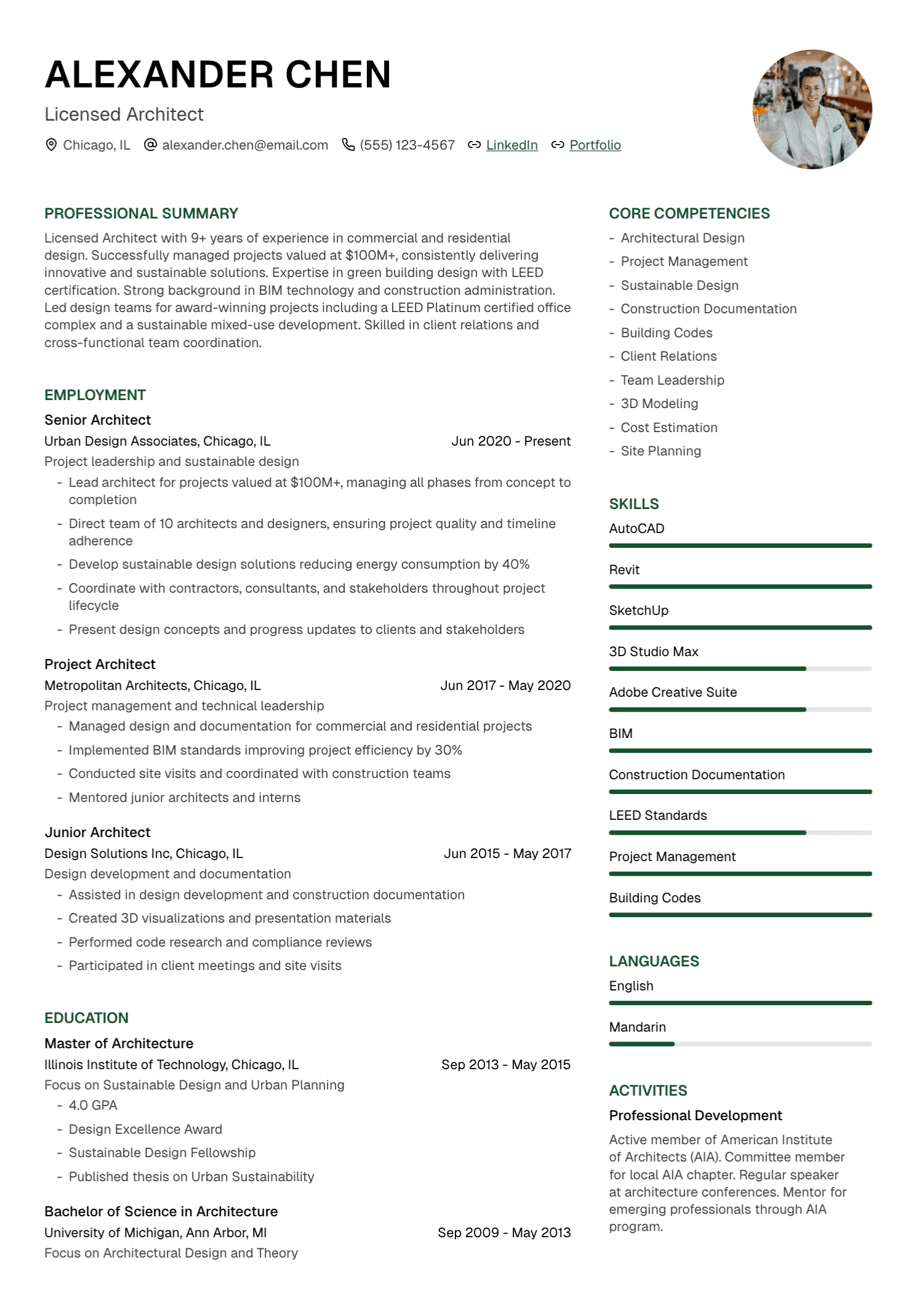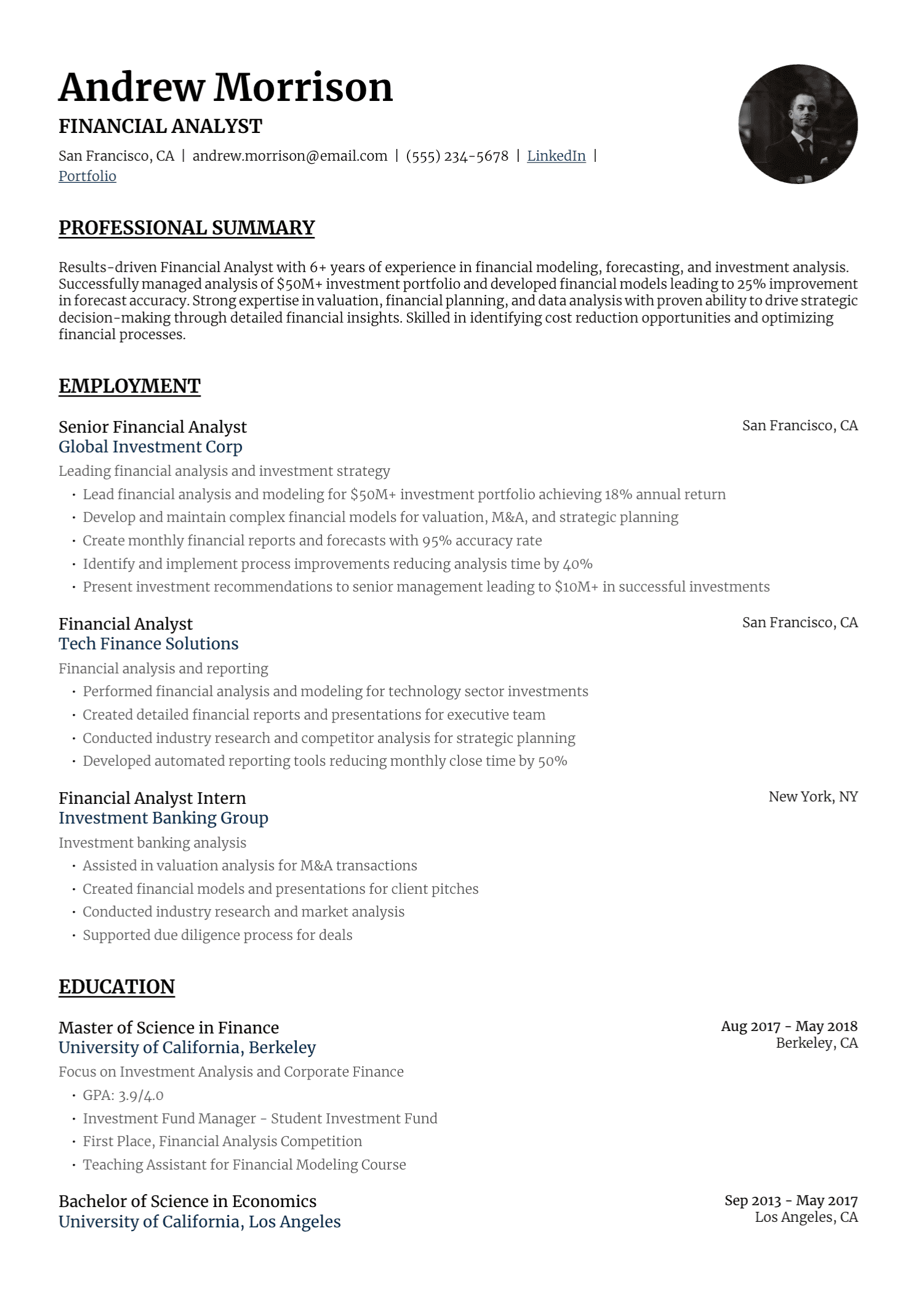
One Page Is a Useful Option, Never a Universal Rule
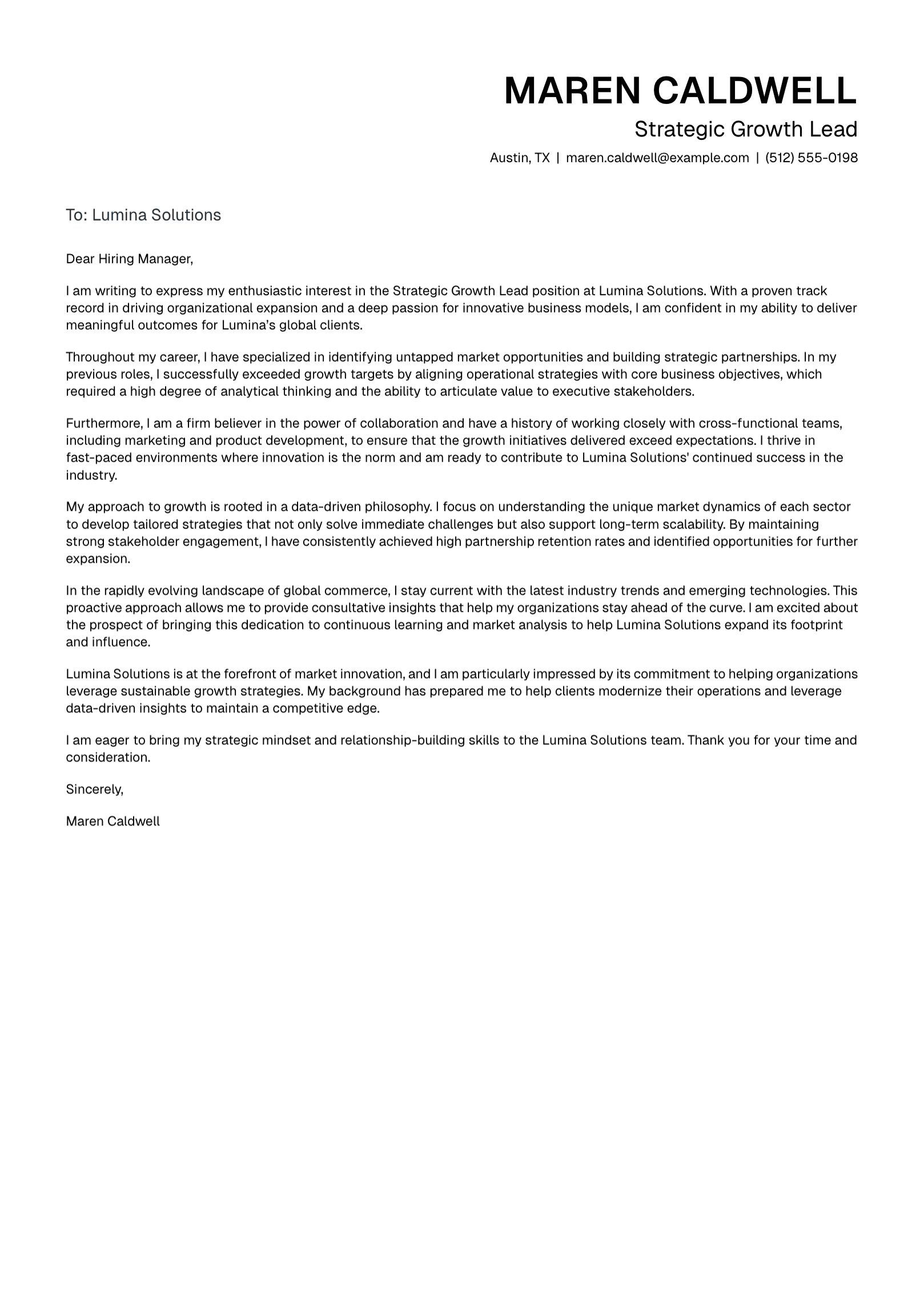
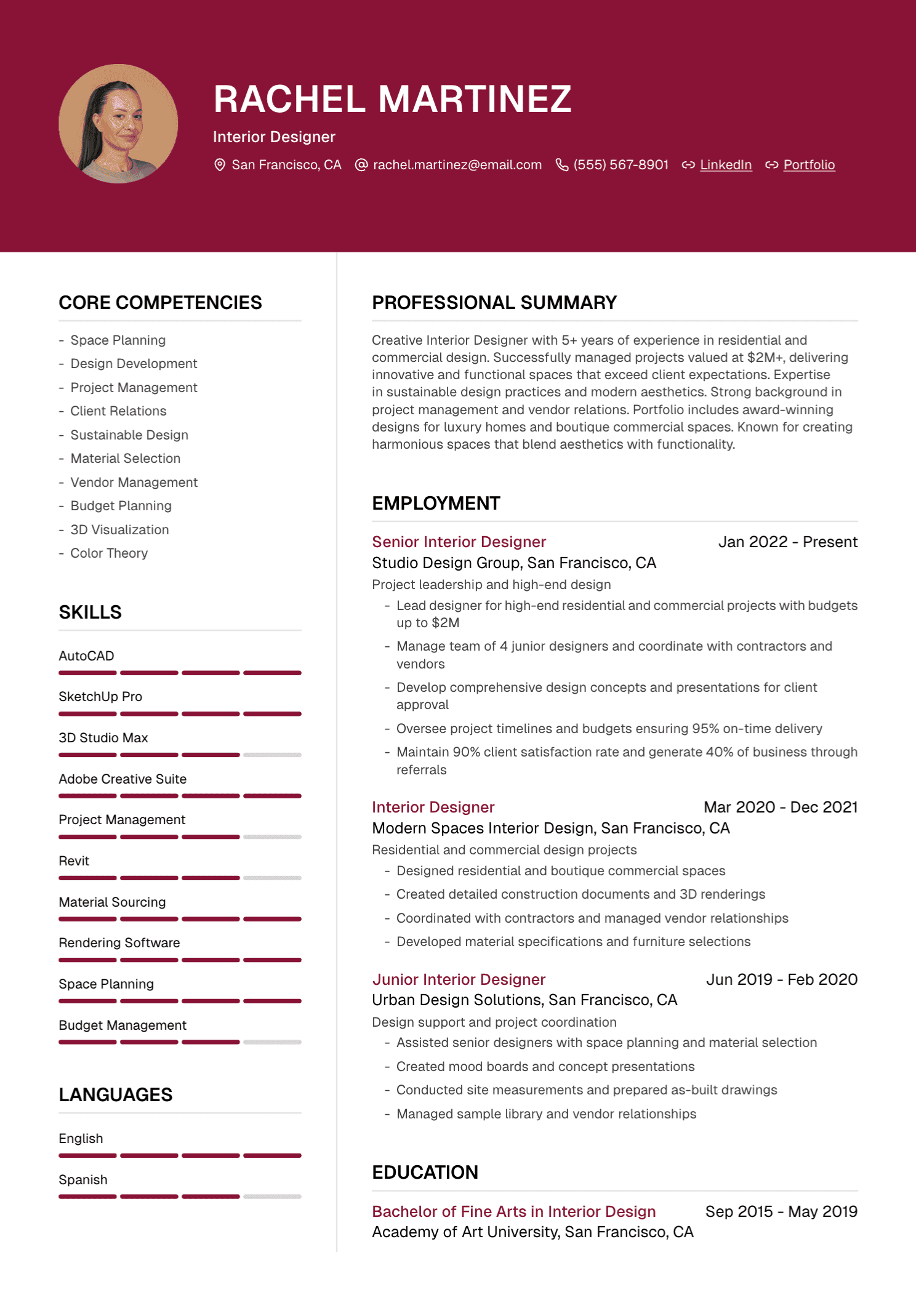
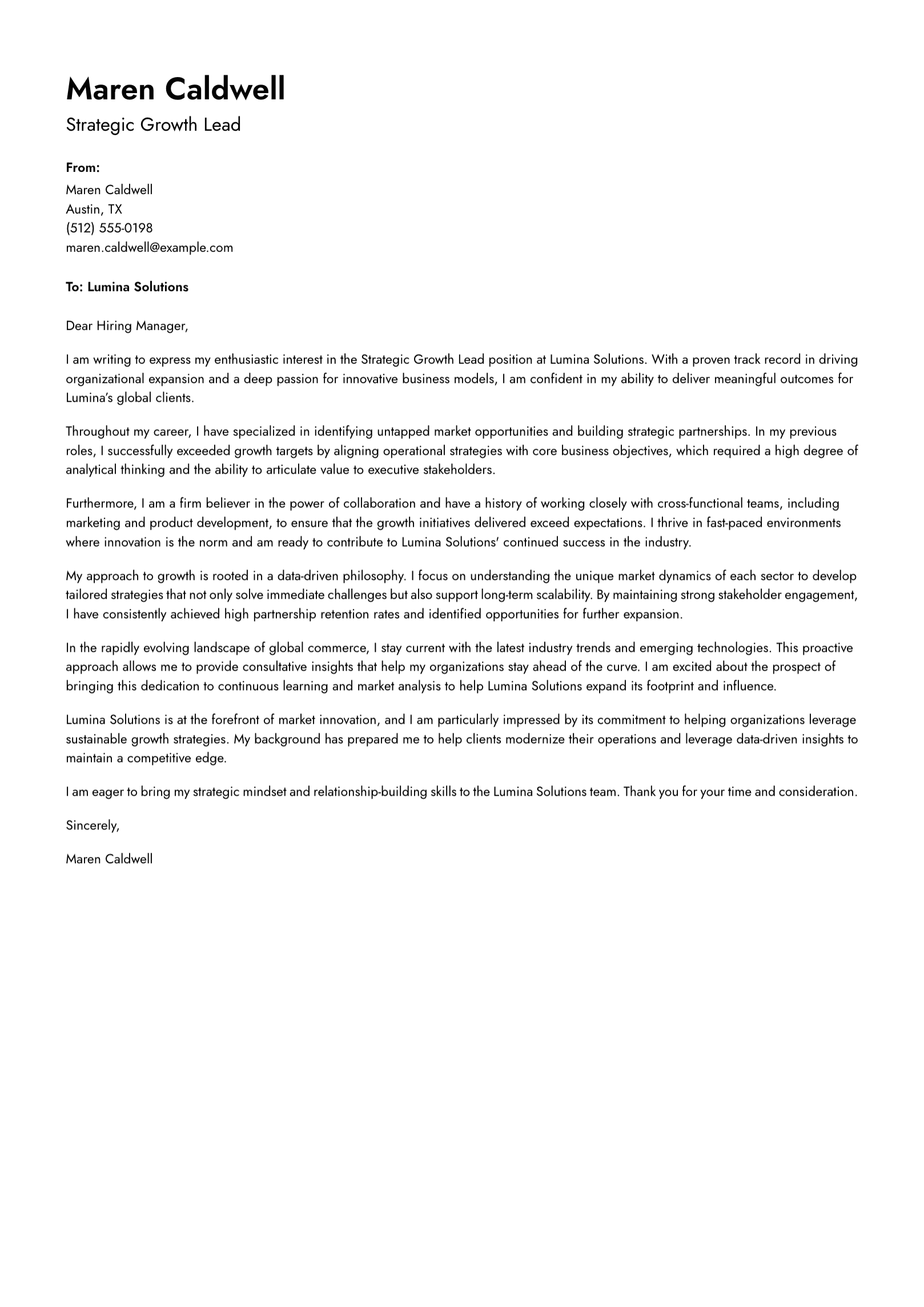
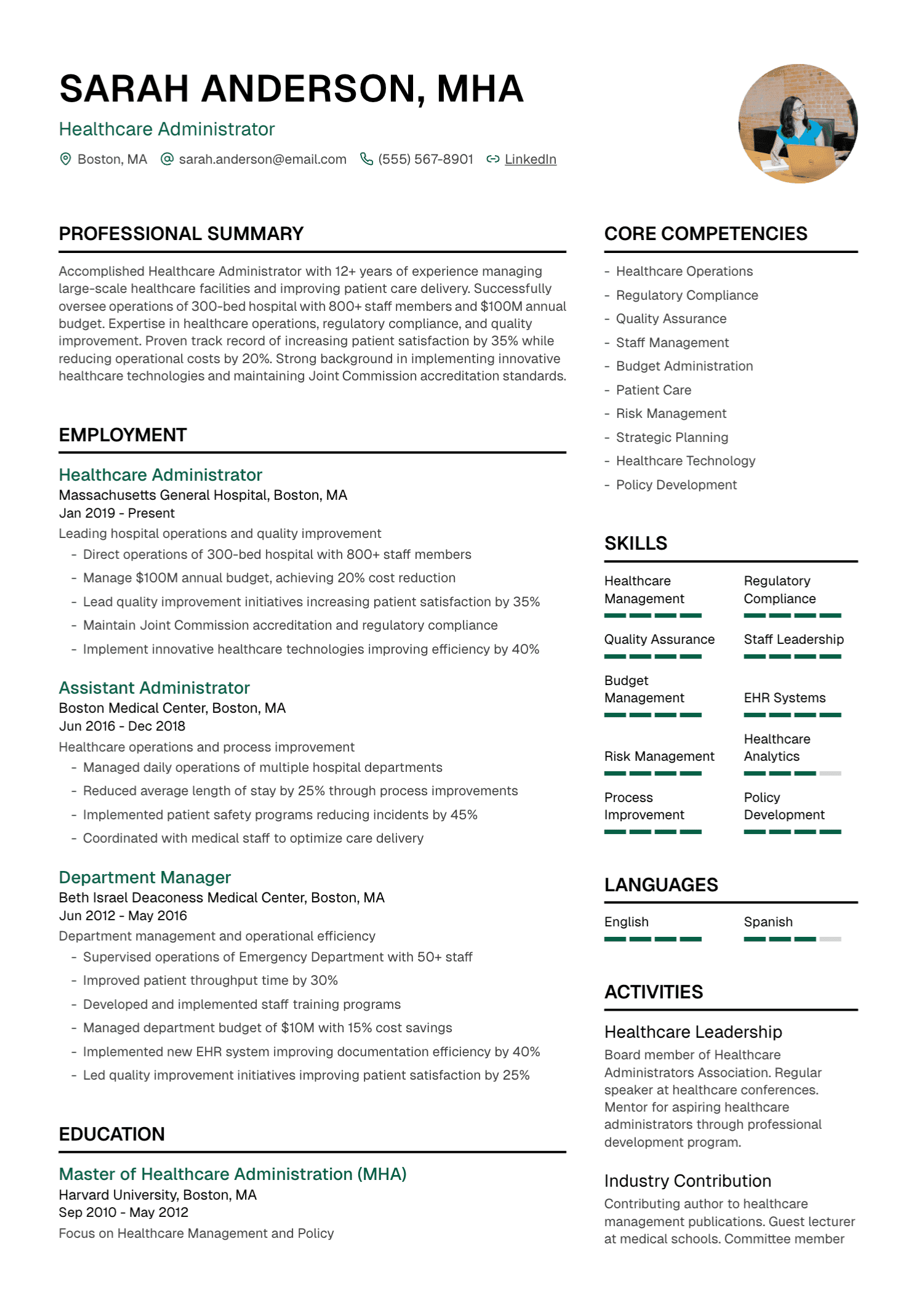
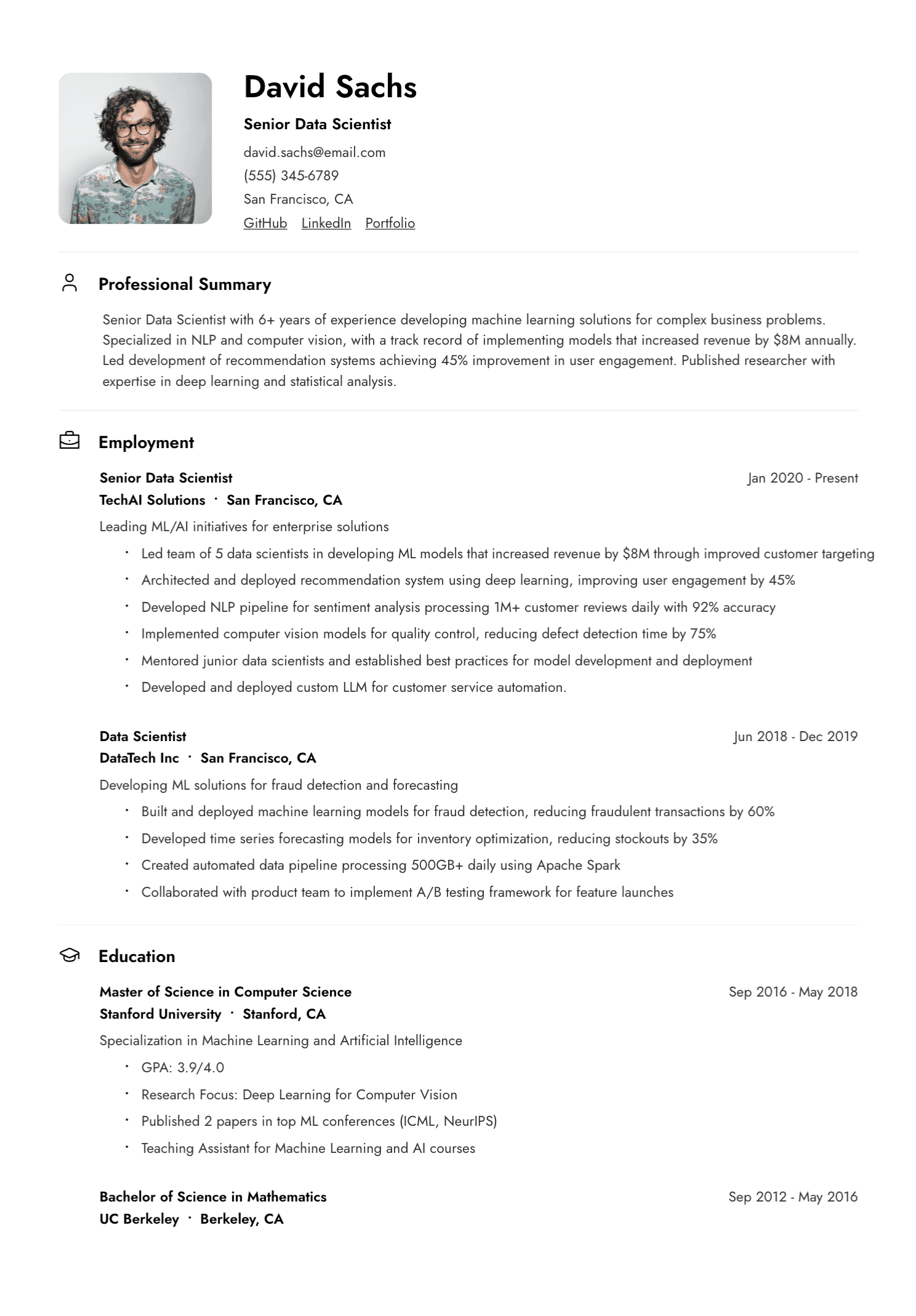
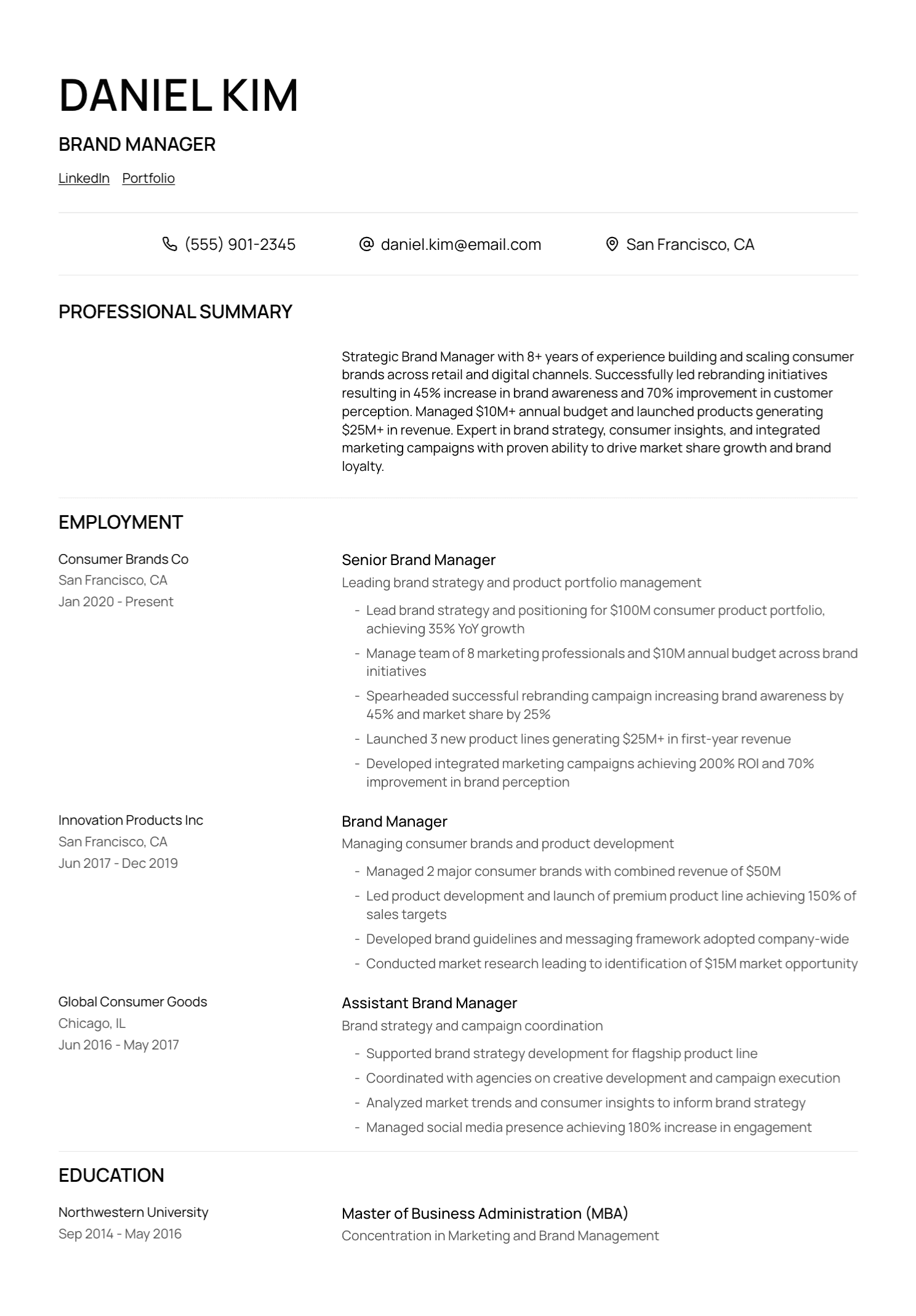
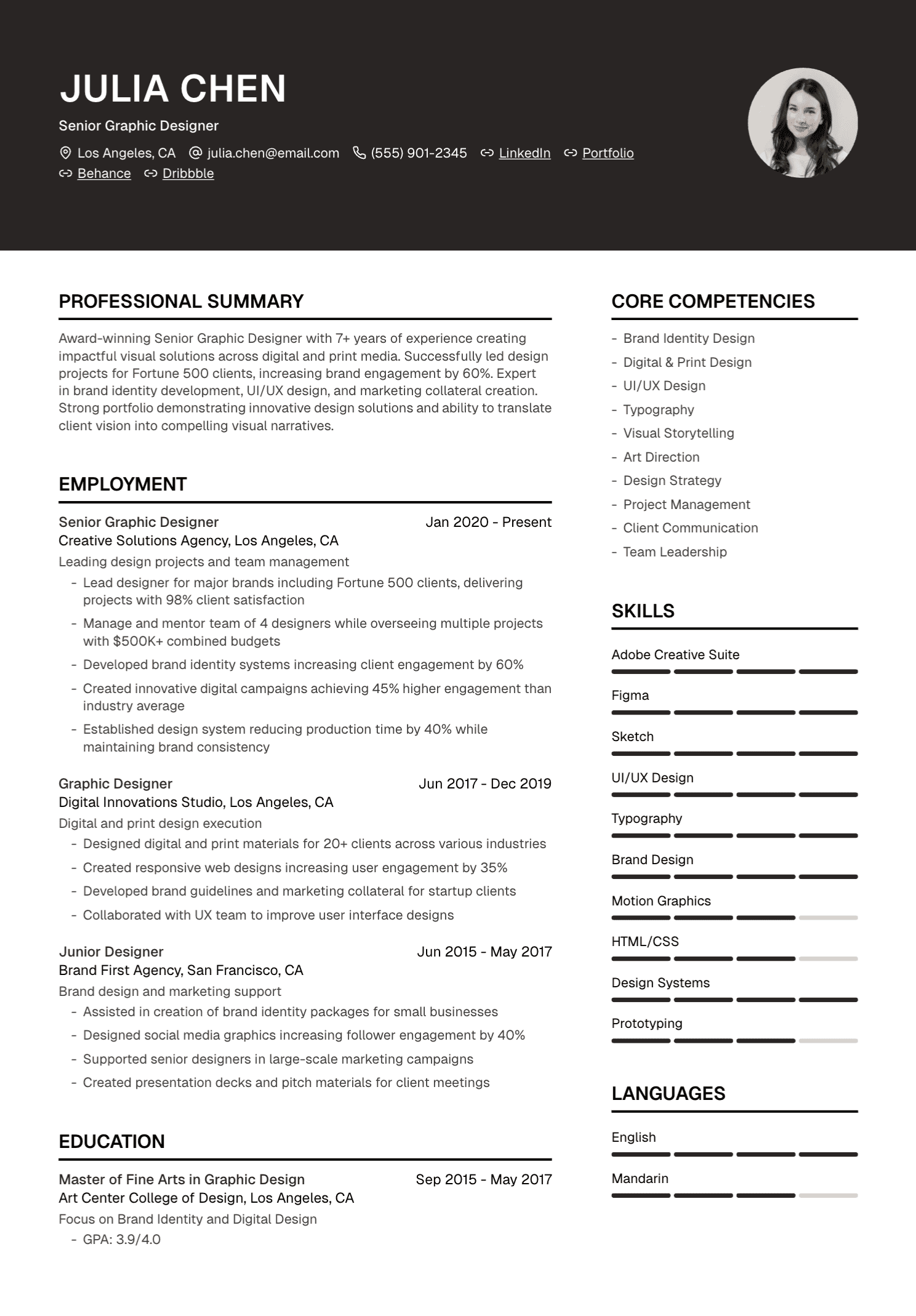
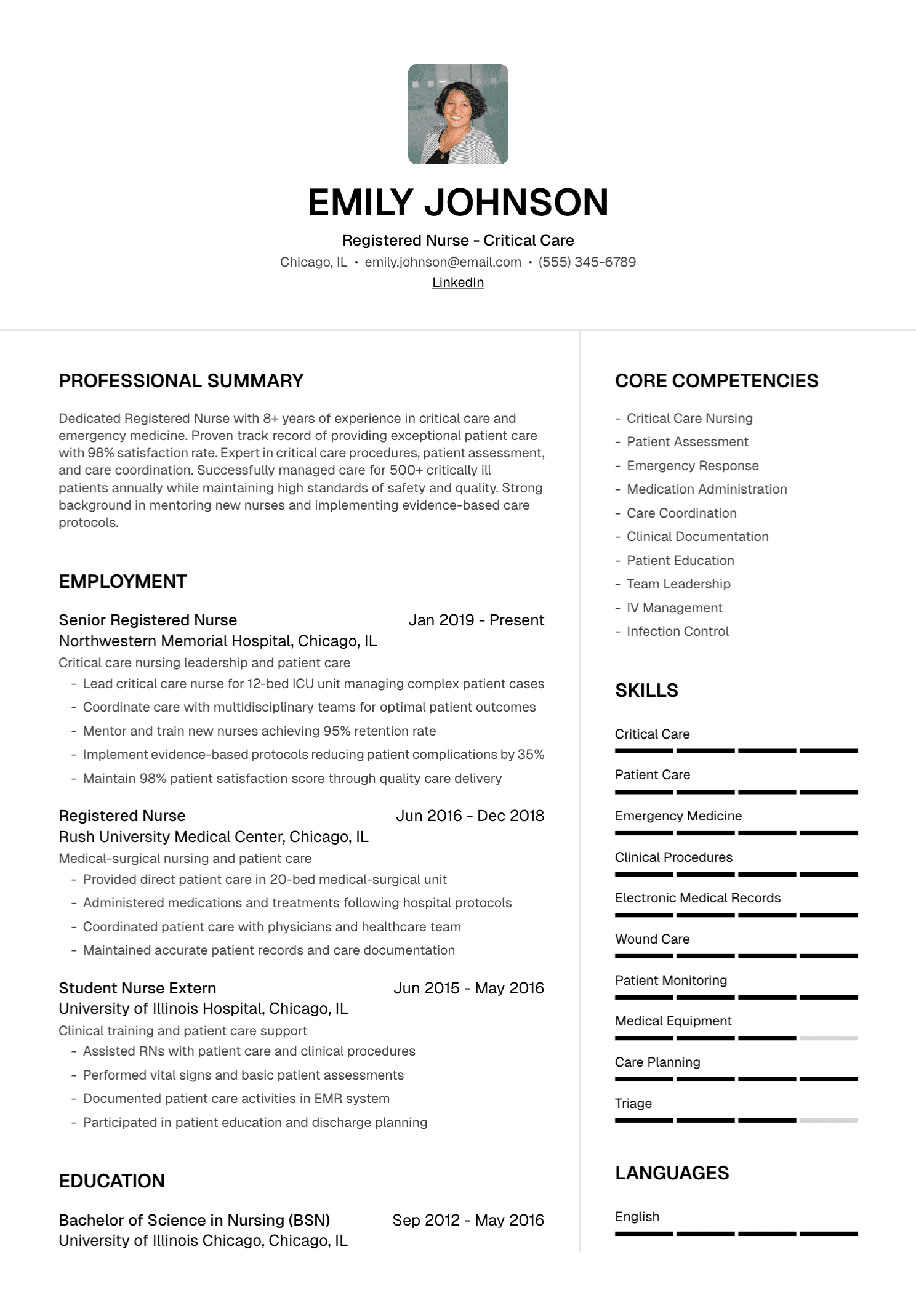
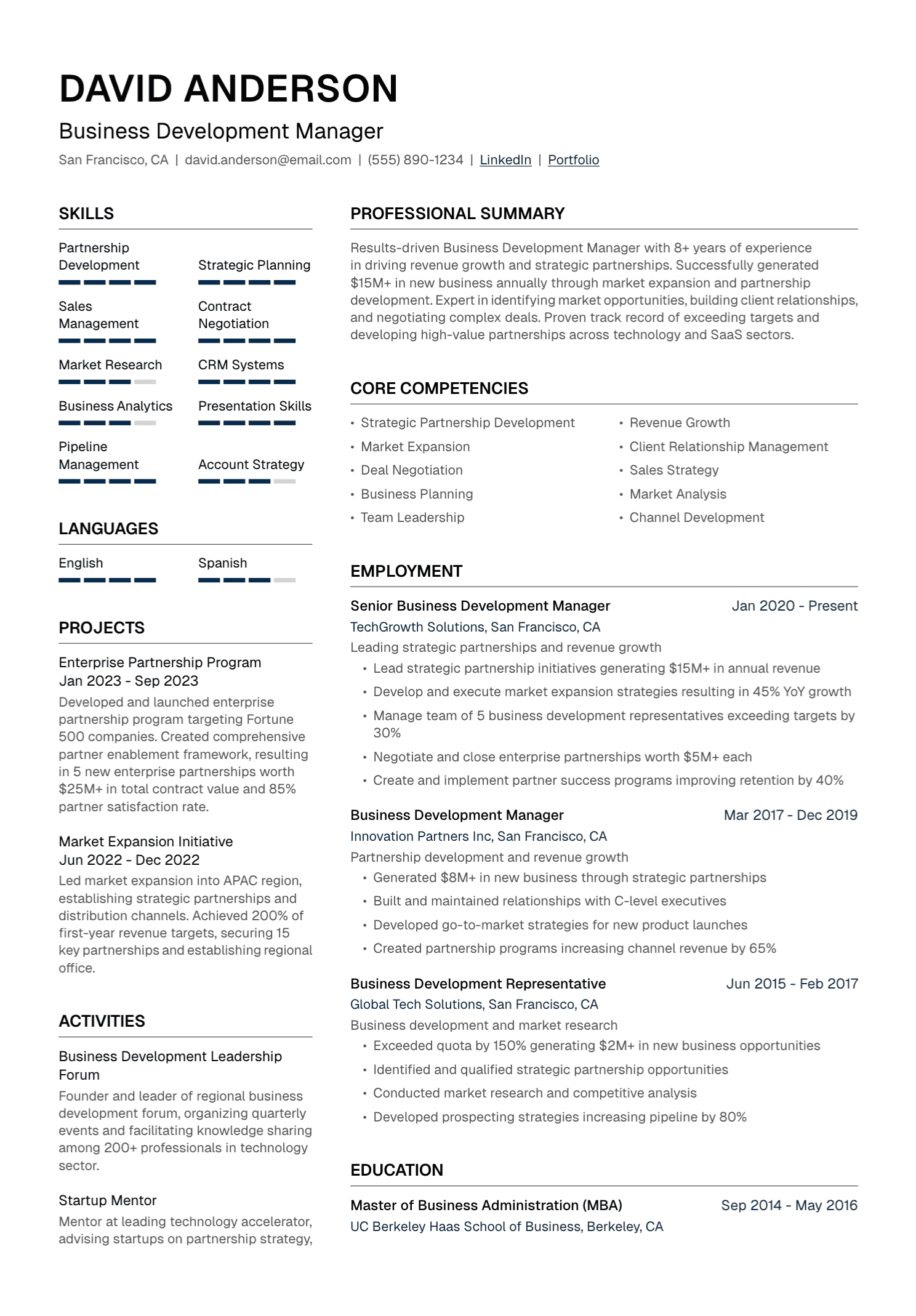
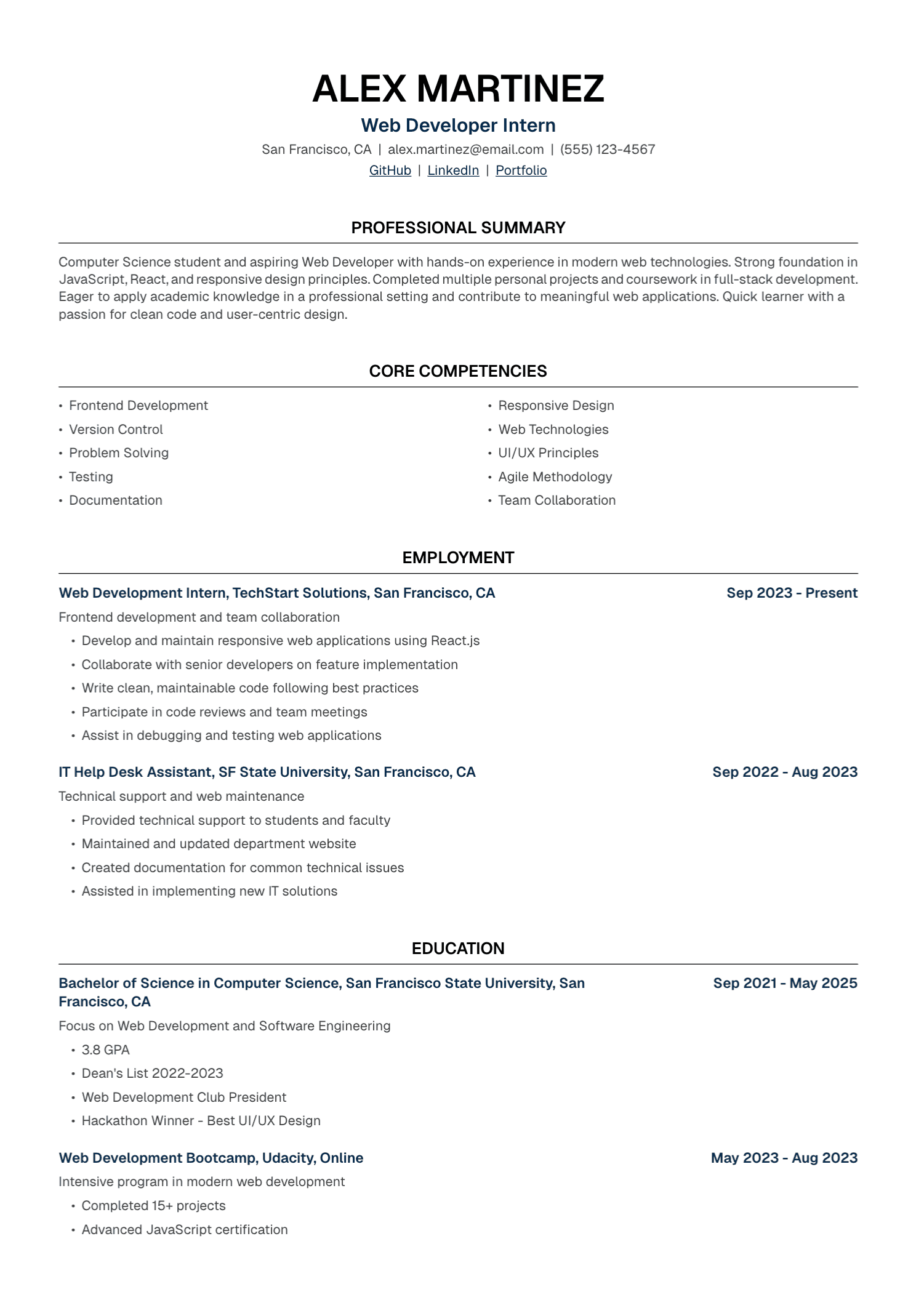
One page often works beautifully for students, recent graduates, early-career professionals, and candidates with a focused set of relevant roles. Two pages can be completely appropriate for an established professional with enough strong material to fill them.
The right length is the shortest version that explains your fit with useful evidence and remains comfortable to read. The employer's instructions and the conventions of your market come first.
I have seen candidates remove their best achievement to protect a one-page layout. I have also seen a second page built from old software, generic duties, and a line about references. Page count should never decide the content before relevance does.
When One Page Usually Works
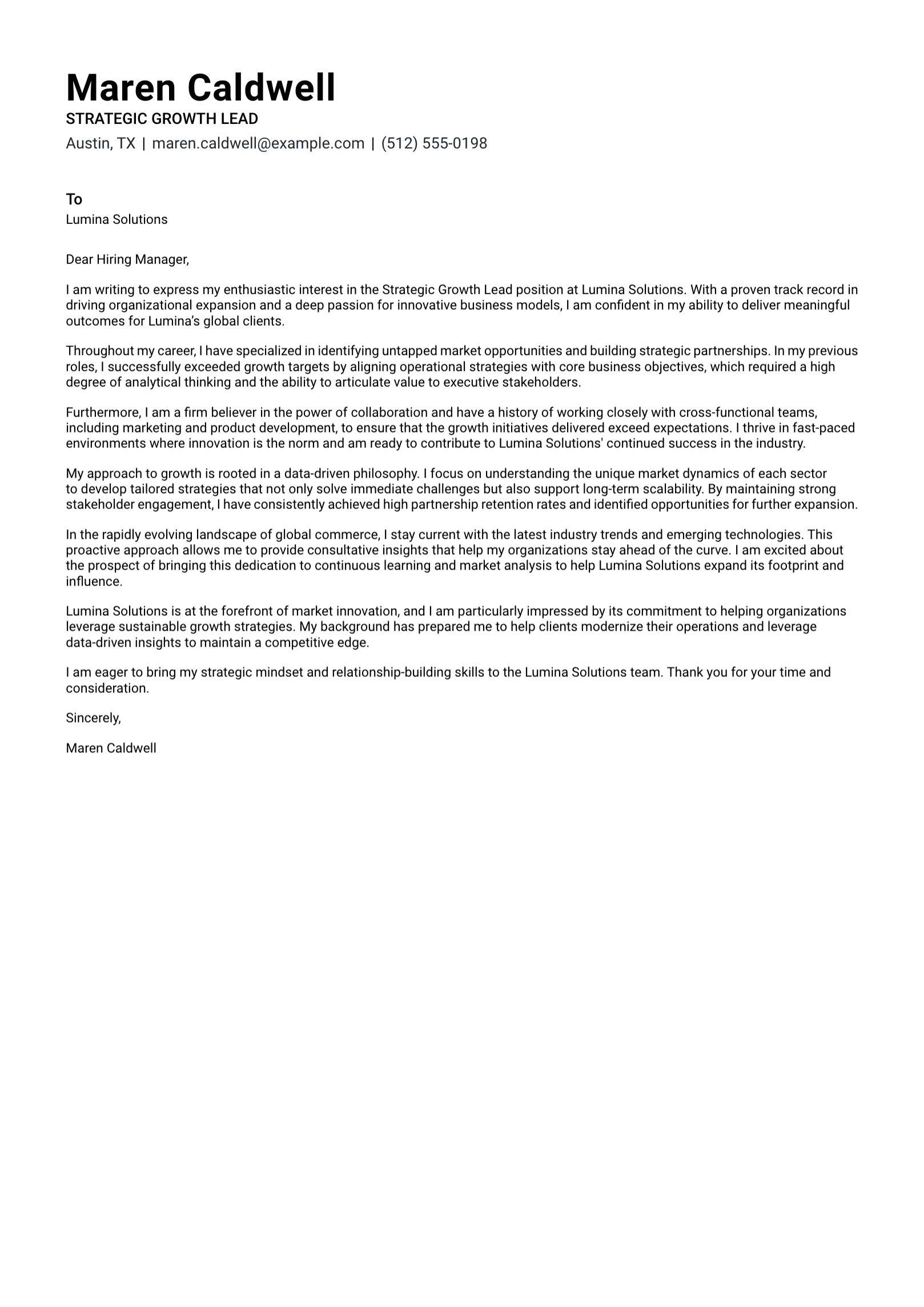
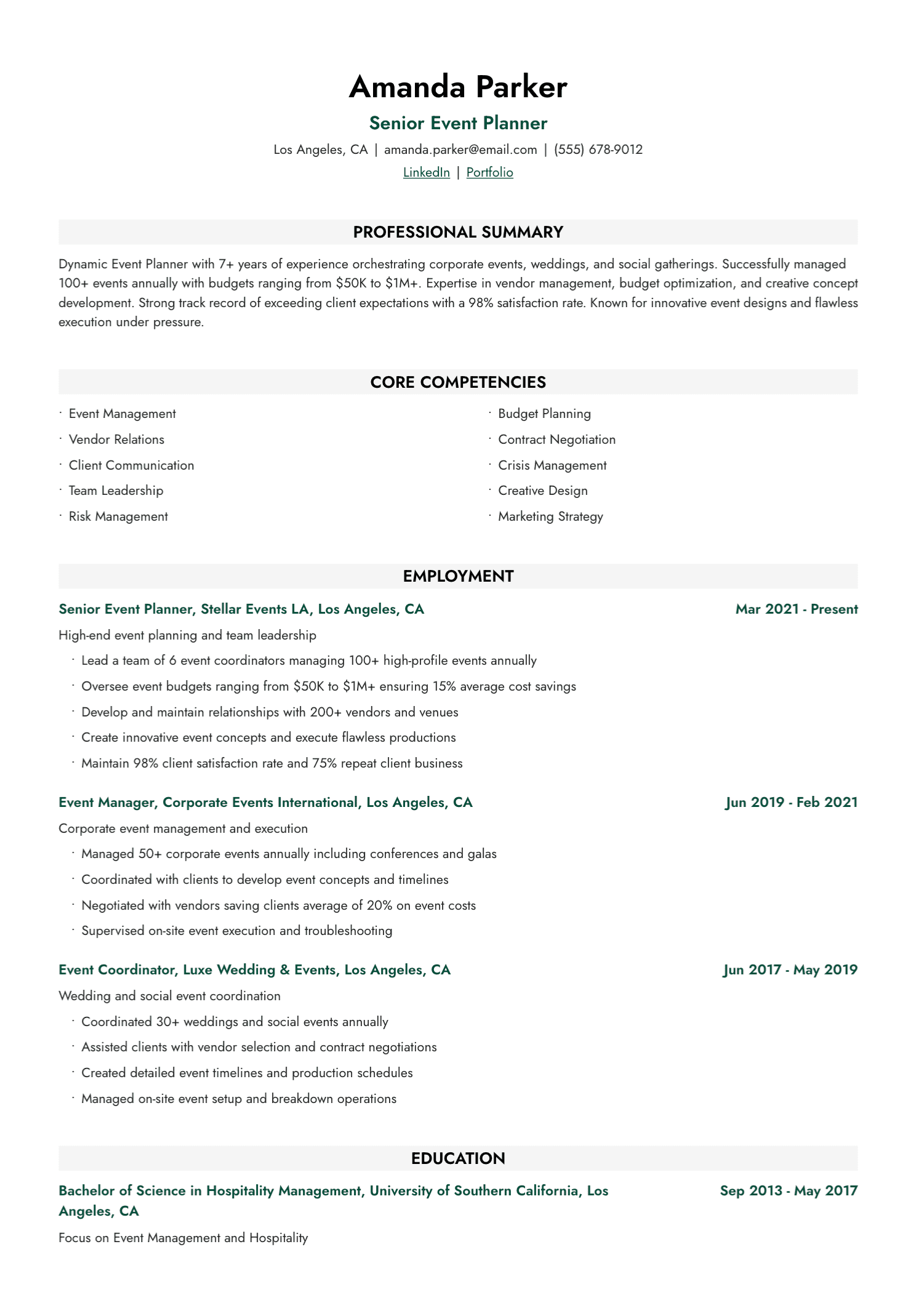
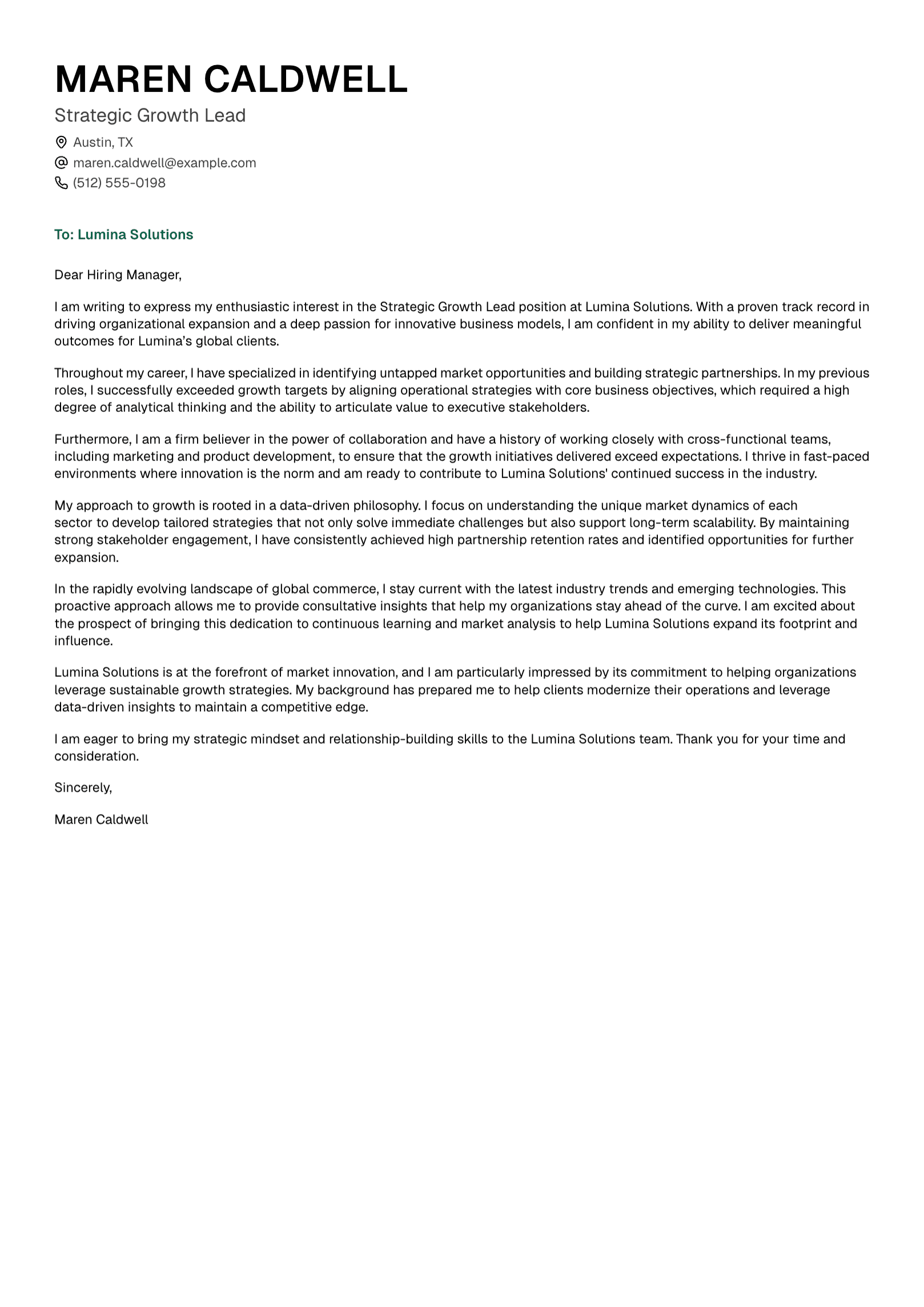
A one-page resume is often enough when your relevant experience is still developing, the target role is narrow, or one clear career chapter carries most of the value.
Students can use the page for education, internships, selected projects, relevant employment, and skills. Early-career candidates may have two or three roles with a few meaningful bullets each. A career changer can lead with recent training and projects, then condense previous work around transferable experience.
One page can also suit an experienced candidate applying through a program or industry that explicitly requests it. Follow the stated limit even when you could write more.
The page should still feel complete. Empty space is fine when the alternative is filler. A clear, calm page creates more confidence than a crowded collection of weak material.
When Two Pages Make Sense
Use two pages when relevant experience, technical depth, leadership scope, projects, credentials, or required qualifications genuinely need the room.
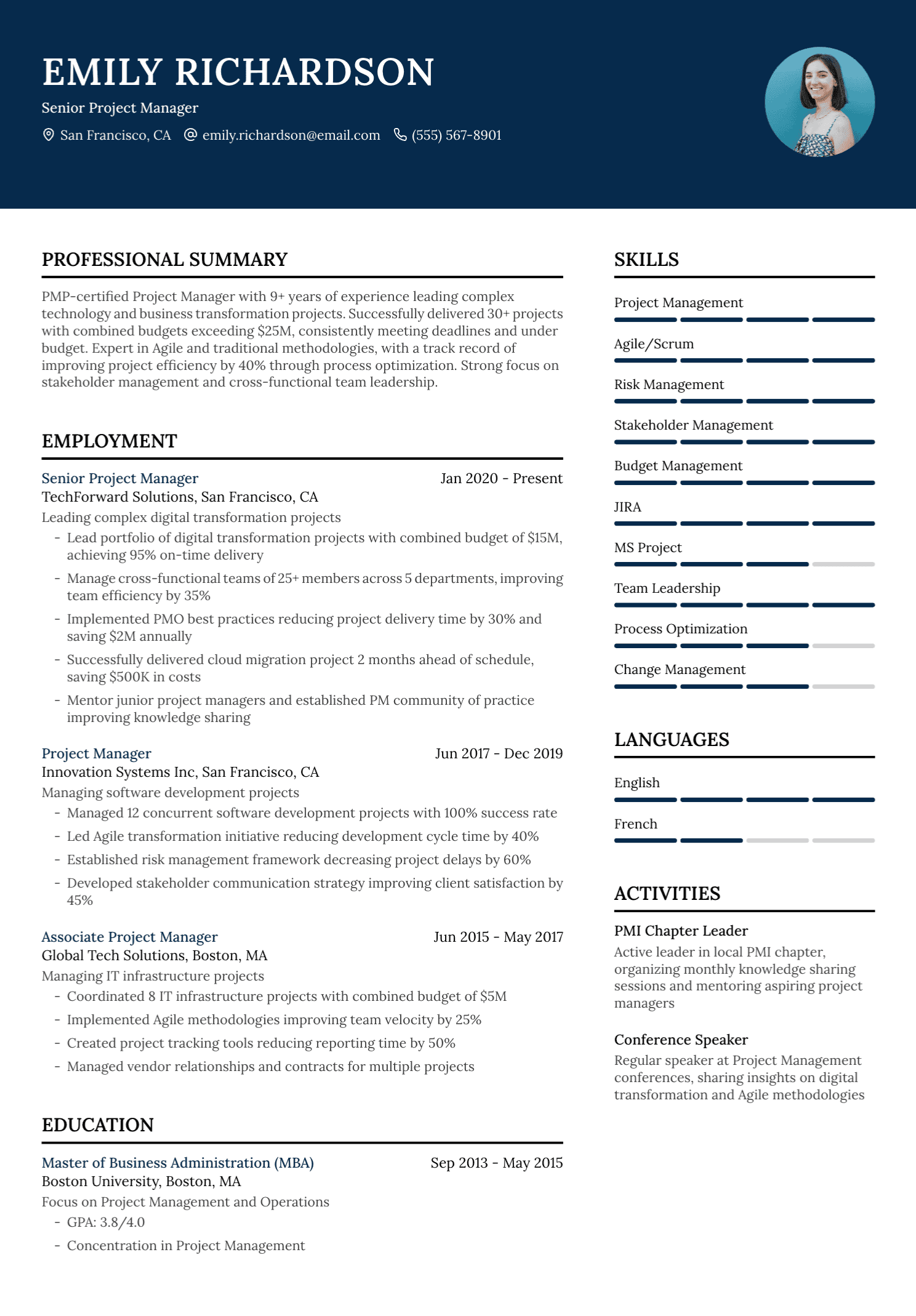
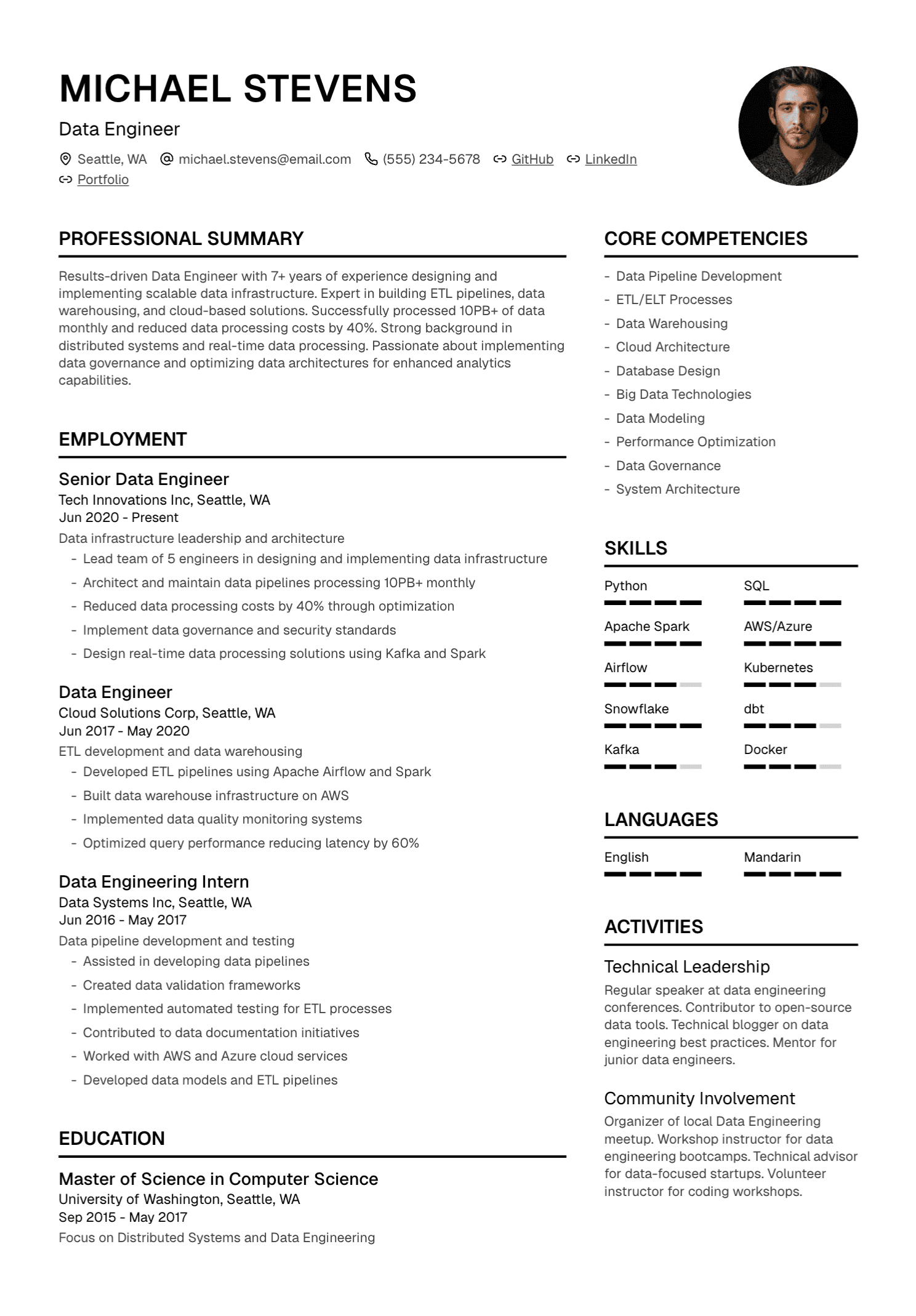
A senior engineer may need to show several systems, recent roles, technical skills, and selected projects. A director may need space for team scope, budget responsibility, strategy, delivery, and business results. A specialist may need licenses, certifications, research, or project experience tied to detailed role requirements.
Years of experience can guide the decision, though they never settle it. Ten years of closely related progression may justify two pages. Twenty years with only one relevant recent chapter may fit on one.
The second page should add meaningful evidence. It has no obligation to reach an arbitrary percentage of fullness. A page and a half can work when the content earns its place and the layout feels deliberate.
Some Applications Need More
Academic and research CVs may include publications, grants, teaching, presentations, appointments, and professional service across many pages. Medical, government, public-sector, legal, and regulated applications may have detailed history or credential requirements.
Some employers request a federal-style resume, curriculum vitae, project list, deal sheet, publication list, or separate portfolio. These documents follow their own conventions.
Read every instruction before editing. A general resume-length rule carries little weight beside a required format, page limit, or complete-history request.
Let Relevance Decide What Stays
Every section should help the reader evaluate you for the target role. Recent and closely related work usually deserves the most detail. Older roles can be shortened when they repeat the same capabilities or belong to a different direction.
For each bullet, ask what new evidence it adds. Does it show scope, outcome, expertise, progression, judgment, or a required capability? If another bullet already proves the same point more clearly, keep the stronger one.
Job descriptions belong in your research notes. Your resume should describe your work. Generic lines such as “responsible for duties as assigned” consume space without helping the reader understand your contribution.
Edit Content Before Formatting
When a resume runs a few lines over, candidates often shrink the font, tighten every margin, and crush the space between sections. Start with the words.
Remove repeated summary claims, outdated tools, old coursework, optional references language, and bullets that describe routine duties with no useful context. Shorten early roles and keep current roles more detailed. Group technical skills in compact categories.
Then refine the layout. Use a readable type size, consistent spacing, clear headings, and margins that allow the page to breathe. A second page is far more professional than a one-page document that requires magnification.
Make the First Page Stand on Its Own
For a two-page resume, the first page should establish your direction and strongest qualifications. Place your profile, relevant skills, and most recent experience there. Avoid saving the central evidence for the final paragraph on page two.
Choose a clean page break. Keep a job title with at least some of its content, and avoid leaving a heading alone at the bottom of a page. A small name and page number on the second page can help if the document is printed or separated.
The second page can continue earlier experience, projects, education, certifications, publications, or other relevant material. Keep the formatting and tense consistent across both pages.
Resume Software Has No Universal Page Rule
Applicant tracking systems vary. Many parse the text of uploaded files, store candidate details, and support recruiter searches. There is no shared one-page threshold that makes a resume automatically acceptable.
Clear structure matters more. Use familiar headings, recognizable date formats, selectable text, and the file type requested by the employer. Avoid placing essential content only inside graphics or decorative elements.
The human reader still needs a focused document. Extra pages can dilute relevant material even when the software stores every word.
Market and Profession Matter
“Resume” and “CV” mean different things in different countries. Local expectations around length, photos, personal details, and education can vary. Follow the target market; advice from another country may lack the context you need.
Industry customs can matter too, though broad stereotypes are unreliable. Never assume that every consulting firm, startup, bank, university, or technology company wants the same length. Check the employer's own instructions, recruiting materials, and application form.
When you have access to a trusted recruiter or professional association in your field, ask about the current convention for that specific market and level.
Avoid Padding a Second Page
A longer resume never creates seniority by itself. Extra personality adjectives, obsolete software, a full postal address, unrelated certificates, and detailed early-career duties can weaken the message.
Hobbies may deserve a short section when they add relevant achievement, leadership, community involvement, or a genuine point of connection. Ordinary interests can also be human and pleasant, though they should never be used to manufacture length.
References usually belong in a separate document when requested. Save the space for evidence about you.
Avoid Cutting the Substance
Conciseness can go too far. Removing every result, project detail, and line of context may leave a page full of titles and keywords.
Keep enough information to show what you owned and why the work mattered. A technical reader needs more than the product name. A leadership reader needs more than the team size. A career changer needs enough previous context for the transition to make sense.
Read the resume as if you had never worked at these organizations. Internal shorthand and unexplained project names rarely survive that test.
Use AI for a Length Review
AI can identify repetition and suggest a tighter version. It can also remove nuance or compress team credit into an exaggerated claim.
Give it an editorial task:
Review this resume for [target role]. Identify repeated, low-relevance, or unsupported content. Recommend which material to keep, condense, or remove, with a short reason for each decision. Preserve every fact and leave the formatting unchanged.
Make the cuts yourself after reviewing the reasoning. Keep a master resume with the full career history.
UseResume lets you upload or create a resume, tailor it to a job description, edit the content, choose a template, and export a PDF. Check the final page breaks after export.
Choose Readability With Confidence
One page can feel sharp and complete. Two pages can feel generous and focused. The quality comes from selection, evidence, and a layout that respects the reader.
Keep what strengthens the application. Give it enough room to be understood. Then stop when the story is complete.
Create your UseResume account and build a resume at the right length for your experience.
Continue with our guides to how far back a resume should go, writing a resume, and choosing a resume format.