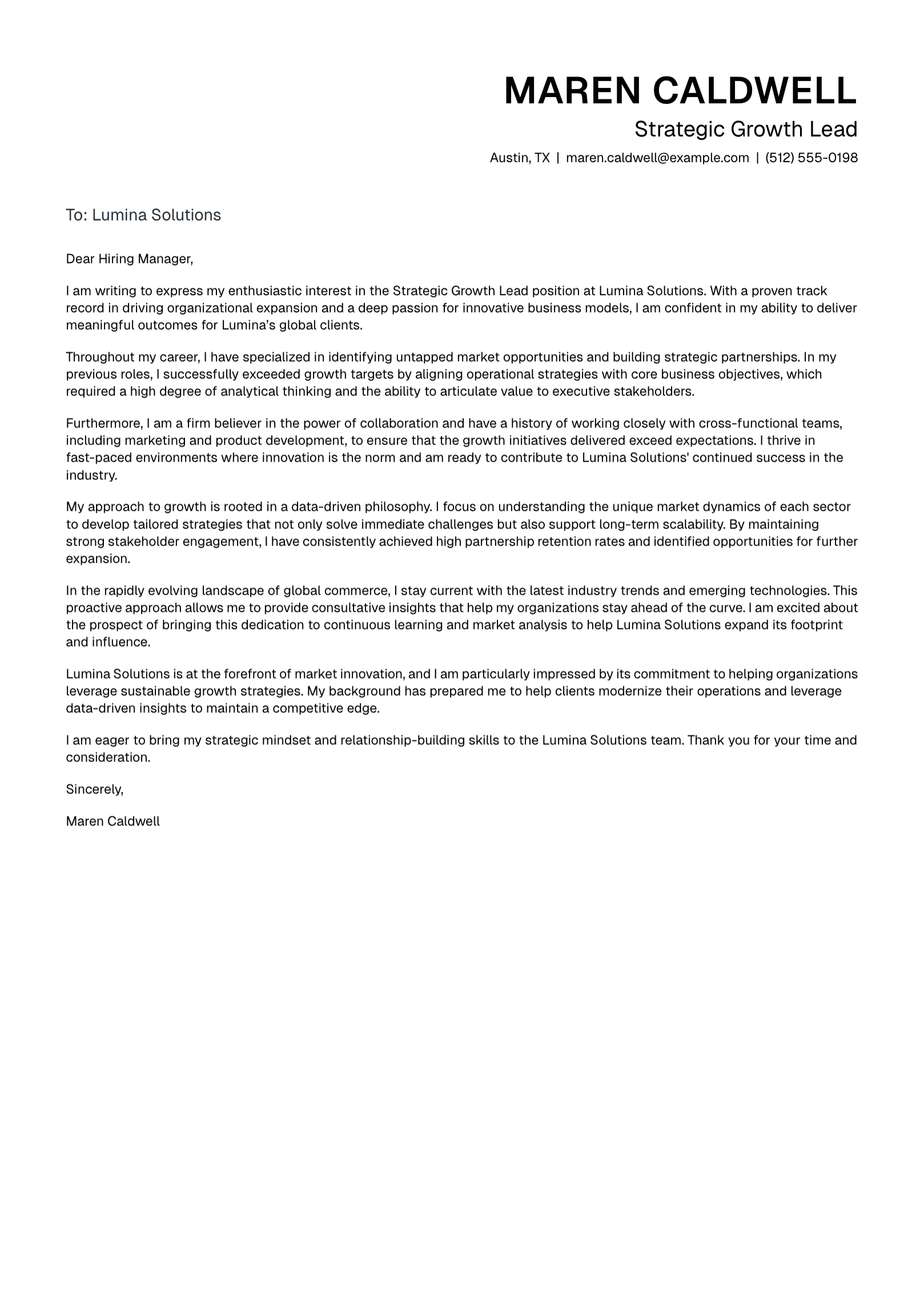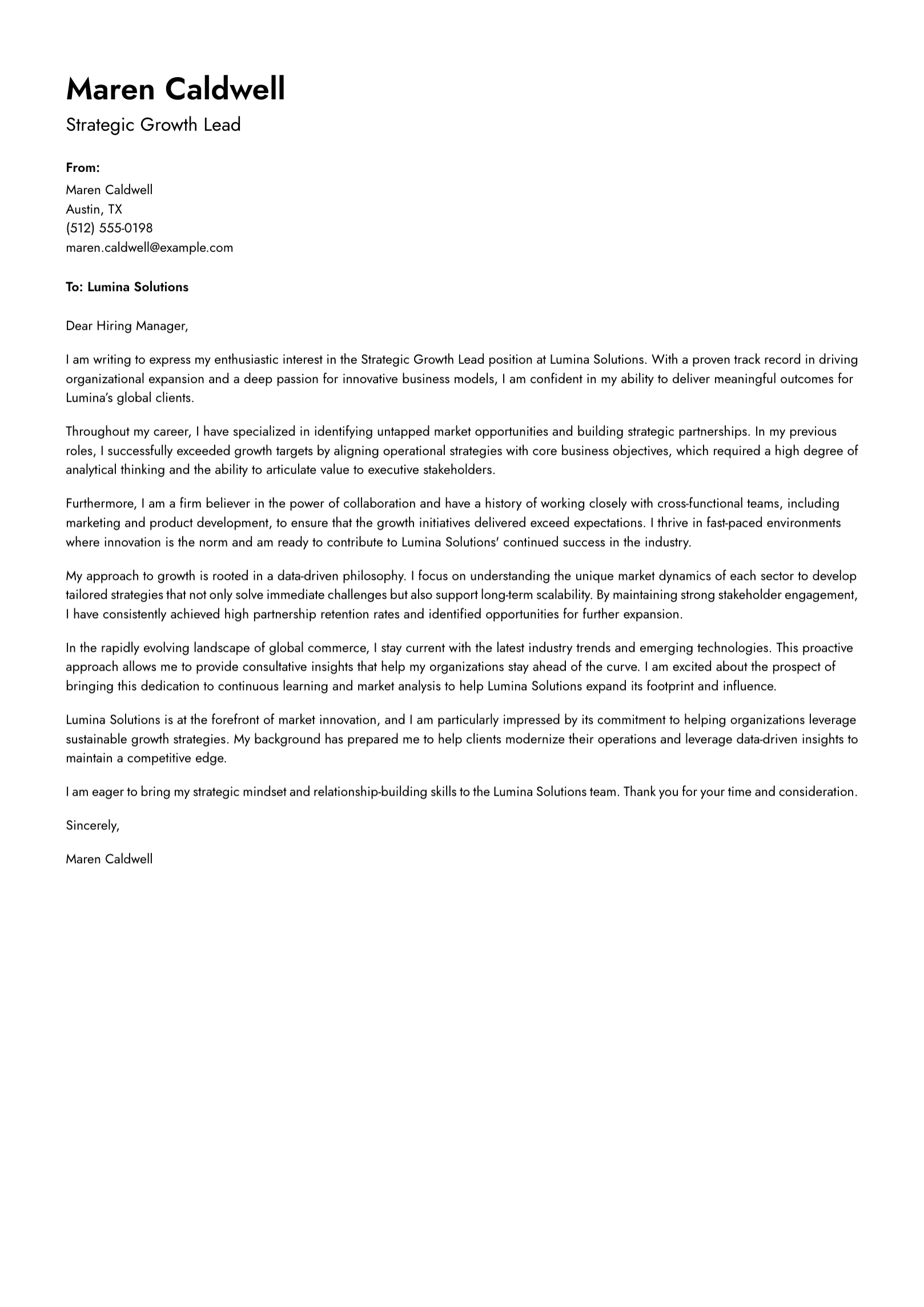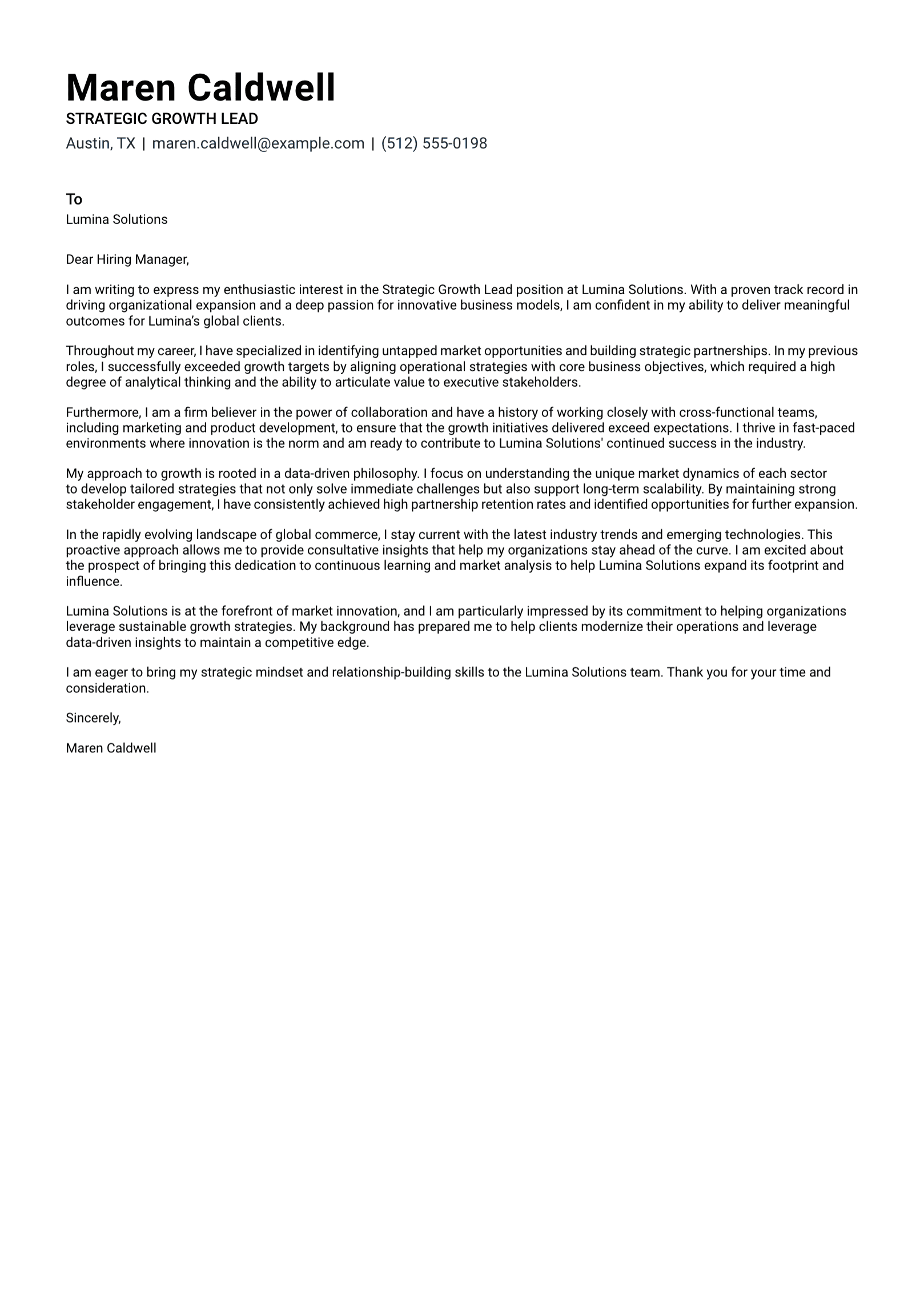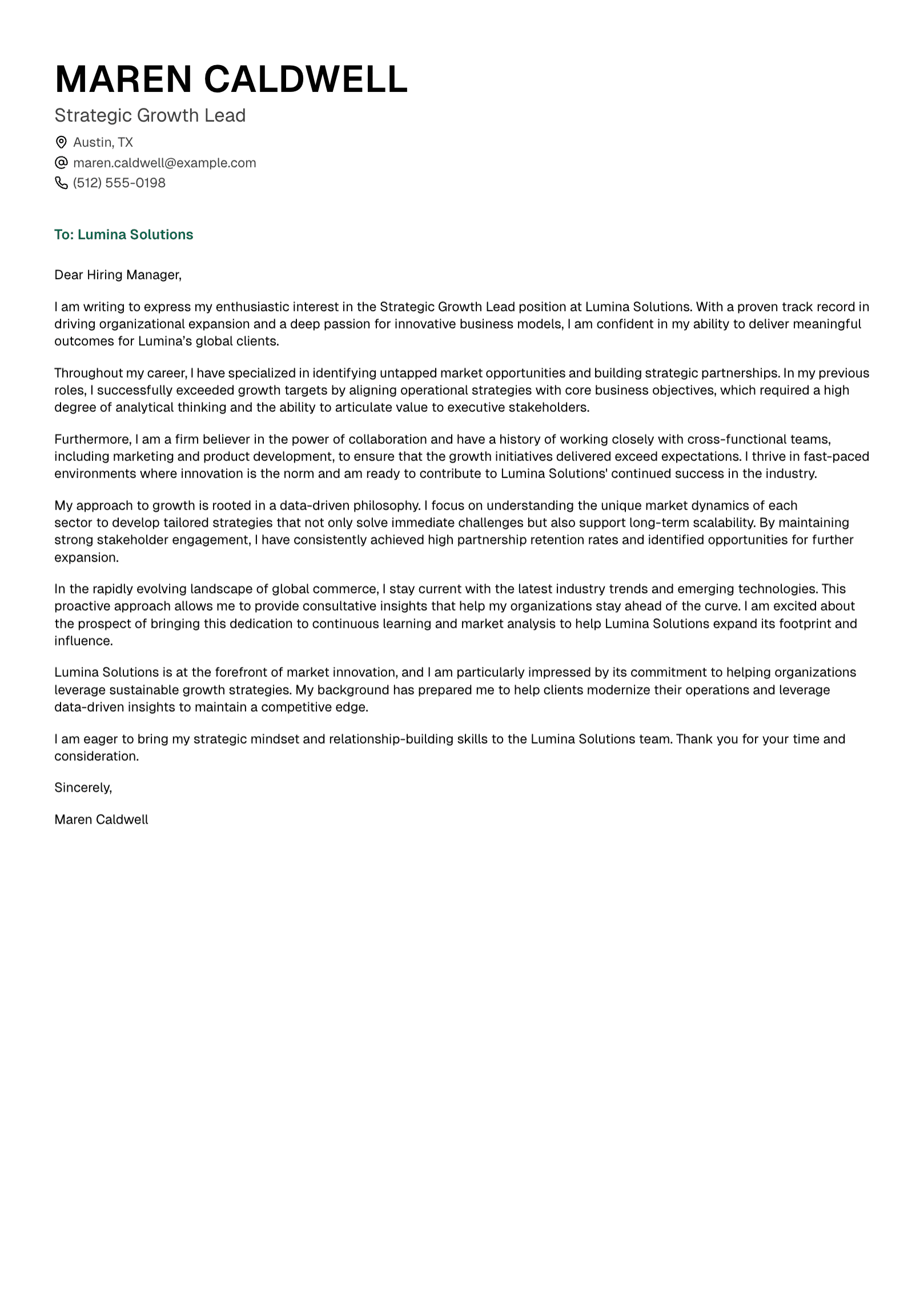
A parent who left a job when the first child was born will, some years later, open the old resume and find that it simply stops. The last entry ends in 2018. Since then there have been school runs, three years as treasurer of the parent-teacher association, perhaps an evening course, and nothing that an employer paid for. A stay-at-home parent resume has to account for those years somehow.
The advice on how to do it pulls in different directions. Some guides turn the years into a job, with a title and bullet points about household budgets. Others recommend a layout built around skills, with the dates pushed out of sight. The underlying question, how employers treat a parent who is coming back, has been tested directly, by sending invented resumes to thousands of real job openings in the United States and Britain.
This article sets out what those experiments found and what they suggest putting on the page. The findings are not comfortable. A parent who had stayed home was called back about half as often as a parent with the same record who had been laid off, and none of the experiments described here found a wording that closes that difference. In the one trial that compared them, a gap explained by parenting did no better and no worse than the same gap left unexplained, so whether to give the reason is the candidate’s choice. The version worked through below states the break in one dated line. The rest of what the evidence and practitioners’ advice support is modest and practical: a work history kept in date order, unpaid work listed where it produced something that can be counted, and recent proof of skill near the top. For those who qualify, a returnship, a paid program in which a career gap is a condition of entry, avoids much of the problem.
What the experiments found
The most direct test is by Kate Weisshaar, a sociologist. In 2015 and 2016 she sent invented applications to 3,374 job listings in 50 American cities, in five professional occupations. Every applicant was a parent, and all had the same skills and experience. Some were still employed. Some had been laid off a year and a half earlier. The rest had quit at the same point to look after their children.
Among mothers, 15.3% of the employed were called back, 9.7% of the laid-off and 4.9% of those who had stayed home. For fathers the figures were 14.6%, 8.8% and 5.4%. The two groups with gaps had been out of work for the same length of time, so the extra penalty attaches to the reason for the break. It falls on fathers as well as mothers, which matters because fathers were 18% of stay-at-home parents in 2021, by Pew Research Center’s count, which takes in every parent not working for pay.
Weisshaar also asked a separate group of people to rate the resumes. Both kinds of applicant with a gap were judged less capable than the employed ones. The stay-at-home parents alone were also seen as “less reliable, less deserving of a job, and much less committed to work”. Her reading is that employers take a decision to leave as a sign of weaker dedication to work.
An older study shows that this doubt does not need a gap to set it off. For a study published in 2007, Shelley Correll, Stephen Benard and In Paik sent 1,276 resumes to 638 employers in a large city in the Northeast, in pairs that were equally qualified and had unbroken work histories. One applicant in each pair was marked as a parent, by a resume line saying that he or she was an officer of an elementary school parent-teacher association and by a mention of “family” in the cover letter. Childless women were called back for 6.6% of their applications and mothers for 3.1%. Fathers were not penalized. The numbers are small, 21 callbacks against 10, and the study is nearly twenty years old. The pattern is known as the motherhood penalty. In the laboratory half of the same study, undergraduates rated the same kind of application, and their answers pointed the way Weisshaar’s survey later did: mothers were rated as less competent and less committed to paid work.
Neither experiment matches the parent whose resume stops in 2018. Weisshaar’s applicants had been away for 18 months, and none of the studies cited here tested a break of eight or ten years. The nearest thing is a 2019 test by ResumeGo, a resume-writing company, which applied to 36,510 openings and reported a callback rate of 9.8% for applicants with a two-year gap and 4.6% for those with a three-year gap, with only a slight further decline up to five years. The company published no group sizes or significance tests, so the figures are a rough guide.
Stating the break plainly
If the reason is what costs interviews, the tempting response is to leave it out. A British trial found no gain from doing so, with one caveat. Between October 2019 and March 2020 researchers sent 9,022 applications on behalf of an invented mother with nine years of experience. One group of resumes left a two-and-a-half-year gap unexplained, and another added the line “Left to become a full-time mother and look after my children”. The two were called back at almost exactly the same rate. The caveat is that every version of the resume also mentioned a parent-teacher association, so employers could tell that the applicant was a mother even where the gap was unexplained. What the trial compared was a gap with a reason and the same gap without one.
Hiring managers say otherwise when asked. In 2022 LinkedIn reported a survey of hiring managers in which 51% said they would be more likely to call a candidate back if they knew the context of a career break. LinkedIn gave no method, and the British result is a reminder that what managers say and what they do can differ.
Read together, the two results suggest that a plain explanation neither wins interviews nor loses them, which leaves the choice with the candidate. For those who give it, its use is to answer in advance a question that would otherwise come up in the first phone call, and one line is enough. Since 2022 LinkedIn profiles have had a Career Break entry with full-time parenting among its reasons, so the label is one recruiters have seen before.
Some guides go further and write the years up as a job. A sample resume published by Indeed lists them under the title “Caregiver” at a named household, and a University of Texas career center handout shows a “Parenting” entry with the bullet “Managed household budget to ensure responsible spending”. None of the experiments tested this approach. The case against it rests on Weisshaar’s survey: the doubt was about commitment to paid work, and a list of household duties does not speak to it. A job search coach interviewed for an AARP guide suggests a single line instead, such as “Career break for caregiving responsibilities”.
Household Manager, self-employed. 2018 to 2026
- Managed budgeting, scheduling and logistics for a family of four
- Negotiated between competing priorities and resolved conflicts daily
Career break, full-time parent. June 2018 to August 2026. Returning to full-time work now that both children are in school.
One format did better in the British trial. Resumes that replaced dates with lengths of service, such as “5 years”, drew about 8% more callbacks than resumes with no gap at all. The authors warn that the gain “could be undone later in the interview process”, when someone asks for the dates. The caveats are set out in the guide to explaining an employment gap.
Unpaid work worth listing
Unpaid work can count. In a field experiment in Belgium, published in 2018, invented applicants who listed volunteering were invited to interview for 11.1% of 288 vacancies, against 8.3% for matched applicants who did not (32 invitations against 24), and the premium was larger for women. The applicants were young, so the result transfers only loosely to a returning parent. In the United States, the federal government’s qualification rules for its own jobs say that experience with little or no pay “is given the same credit as comparable paid experience”. Path Forward, a nonprofit that helps caregivers return to work, says of its resume template for returnship applications that unpaid work can be listed underneath the career break “as long as it is clearly noted as such”.
Not everything unpaid qualifies. Lora Poepping, a job search coach and former recruiter quoted in the AARP guide, said that if she received a resume on which “the top job was president of the PTA”, her answer would be “That’s a no”. The guide’s advice is to keep volunteer roles in a section of their own. The PTA also has an awkward place in this research, since an officer’s post in one was the line Correll and her colleagues used to mark an applicant as a parent. A candidate who has already stated the break gives nothing more away by naming it, so what matters is what the line says.
A workable test is whether someone could have been paid to do the work, and whether there is a figure to show for it. A treasurer who kept the books for a $48,000 budget passes. Running a household does not, and neither do the “transferable skills” that the Indeed guide suggests claiming from time at home, among them budgeting, negotiation and leadership. Any applicant can assert those, and none of them can be checked.
- PTA member, helped with fundraising events
- Managed household finances and schedules
- Skills: multitasking, negotiation, conflict resolution
- Volunteer treasurer, Tallowbrook Elementary PTA, 2023 to 2026 (unpaid): kept the books for a $48,000 annual budget and presented monthly reports to the board
- Ran the spring auction for two years with 30 volunteers, raising $21,500 in 2025 against $14,000 the year before
Underlined: what can be counted or checked.
Refreshing skills and showing it
Weisshaar’s raters marked down every applicant with a gap for capability, whatever the reason. A resume can do most about this doubt, because it can be answered with evidence that has a date on it.
The evidence that this works is thin, and it comes from the least rigorous study cited here. In ResumeGo’s test, applicants whose gap was explained by training or education were called back 8.5% of the time, against 4.3% for those who gave no reason. Path Forward’s advice to returners is to “be sure to tout what you’ve done in the last one to five years that is relevant”.
In practice this means finding out what has changed in the field since the last job. Recent postings for the target role show which software and credentials employers now ask for by name. A single finished course in the tool that appears most often, dated this year, is a reasonable minimum.
Returnships, where the gap is required
Some employers have built a separate door. A returnship is a paid position, usually of fixed length, set aside for people coming back from a career break. According to Path Forward, most last three to four months, within a range of eight weeks to six months, and employers usually ask for at least five years of professional experience and a gap of at least two years. iRelaunch, a company that works with employers on these programs, lists more than 80 return-to-work programs around the world, returnships among them, at employers that include Goldman Sachs, JPMorgan Chase, Morgan Stanley and Lockheed Martin.
Path Forward says that more than “80 percent of returners who complete a returnship convert to full-time positions”. That is the organization’s own figure, published without a method, and it counts only people who were admitted and finished.
Two things follow for the resume. In these programs the gap is an entry requirement, so Path Forward’s advice is to “make your gap obvious when applying to returnships”. The programs also have limits. By Path Forward’s account the vast majority are full time, and the iRelaunch list consists largely of big companies, many of them in finance, technology and engineering. A parent going back to teaching, nursing or a small local firm will mostly be applying in the ordinary way.
A hybrid resume, worked through
The format that fits these findings is the hybrid: a short summary and a skills section first, then the full work history in date order with nothing removed. The purely functional resume, which groups skills and drops the dates, is often recommended to returning parents, and recruiters tend to dislike it. “Recruiters hate functional résumés”, one career coach told AARP. Path Forward’s resume guide is as direct: “Using a nontraditional resume format generally backfires.” Its advice is not uniform, though, since the same organization’s templates page still offers a functional template for people with career gaps.
The example below is invented: an accountant who left work in 2018 and is applying in late 2026.
Summary: Staff accountant with six years of experience in accounts payable and month-end close at a 300-person distributor. Returning to full-time work after a career break as a full-time parent. Completed a bookkeeping certificate in 2026. Current in QuickBooks Online and Excel.
Skills: Accounts payable and receivable, bank reconciliation, month-end close, QuickBooks Online, Excel (pivot tables, XLOOKUP)
Experience
Career break, full-time parent. June 2018 to August 2026
- Volunteer treasurer, Tallowbrook Elementary PTA, 2023 to 2026 (unpaid): kept the books for a $48,000 annual budget and presented monthly reports to the board
- Certificate in Bookkeeping, Alderbrook Community College, 2026: a 12-week course covering QuickBooks Online and payroll basics
Staff Accountant, Benning Supply, Columbus, Ohio. May 2012 to June 2018
- Processed about 900 supplier invoices a month and reconciled 14 bank accounts
- Cut month-end close from eight working days to five by rebuilding the accrual schedules in Excel
Education: B.S. in Accounting, 2012
Underlined: the break, as one dated line. The unpaid work and the course are listed under it.
The summary says in its second sentence that the candidate is returning, so the reader meets the break before reaching the dates. The break sits in the experience section in date order, with the unpaid work and the course underneath it and labeled. That is the arrangement in Path Forward’s returnship template, and it keeps the volunteer post from standing as the most recent job. A candidate who follows AARP’s guide instead would move the treasurer role to a volunteer section and leave the course under the break. The paid job keeps its dates and its numbers, because after eight years it is still the strongest evidence on the page.
The cover letter needs a sentence or two about the break, and the interview answer three or four.
Cover letter: I left Benning Supply in 2018 to raise my two children. Both are now in school, and I am returning to full-time accounting work.
Interview: I left in 2018 to be at home with my children. They are both in school now, and I am ready to work full time. For the past three years I kept the books for the school’s parent association, and this year I finished a bookkeeping certificate to bring my software skills up to date. A staff accountant role like this one is what I am looking for.
An interviewer should not take the subject much further. The Equal Employment Opportunity Commission says that employers generally should not ask questions unrelated to the job about the number or ages of an applicant’s children, and it lists child care arrangements among the inquiries that may be treated as evidence of intent to discriminate. Federal law does not prohibit discrimination against parents as such, although some state and local laws do, and treating a mother worse on the assumption that she will be less committed can be sex discrimination. This is general information, not legal advice.
What to do with the missing years
The resume that stops in 2018 can be finished honestly. The missing years get one line, with dates. In the version worked through here it says that they were spent raising children and that the candidate is now returning. A parent who would rather not give the reason can leave it at the dates, since the one trial that compared an explained gap with an unexplained one found no difference in callbacks. Under that line go the things done in those years that someone might have been paid for, with figures, and one recent course. The job before the break stays where it was, dates included.
None of this removes the penalty the experiments measured. The studies suggest that employers doubt two things about a returning parent, commitment and current skill, and a resume can supply evidence on both without pretending the years were something else. Where a returnship is available, the same years become a qualification. Everywhere else, the plain version has one advantage over the others: it needs no revising when an interviewer asks what happened after 2018.
How UseResume helps
A resume that has not been opened in eight years needs more than a new line for the break. General-purpose tools such as ChatGPT and Claude can reword a paragraph. UseResume is built specifically for writing resumes. The old file can be imported as a PDF or Word document, and the AI resume builder rewrites the summary, bullets and skills in an ATS-friendly template. The section order is adjustable, which the hybrid layout above calls for, and every suggestion can be edited, so anything that does not match what happened can be changed.
Paste in a job description and the builder tailors the resume to it, showing which keywords from the posting are matched and which are missing. For someone returning to a field after years away, that is a quick way to see what it asks for now. The cover letter builder writes the letter from the same resume, which is where the sentence or two about the break belongs.
Create your account and bring the old resume up to date.